The weather forecast for today has been predicting the first substantial amount of rain of our whole trip. The weather has been almost perfect for weeks. We planned our day with indoor activities in case the forecast proved accurate. It is our last day in Berlin so we packed up our suitcases and checked out. However, we made arrangements to leave our luggage and have access to the property in the evening to pick it up before catching a sleeper train to Amsterdam.
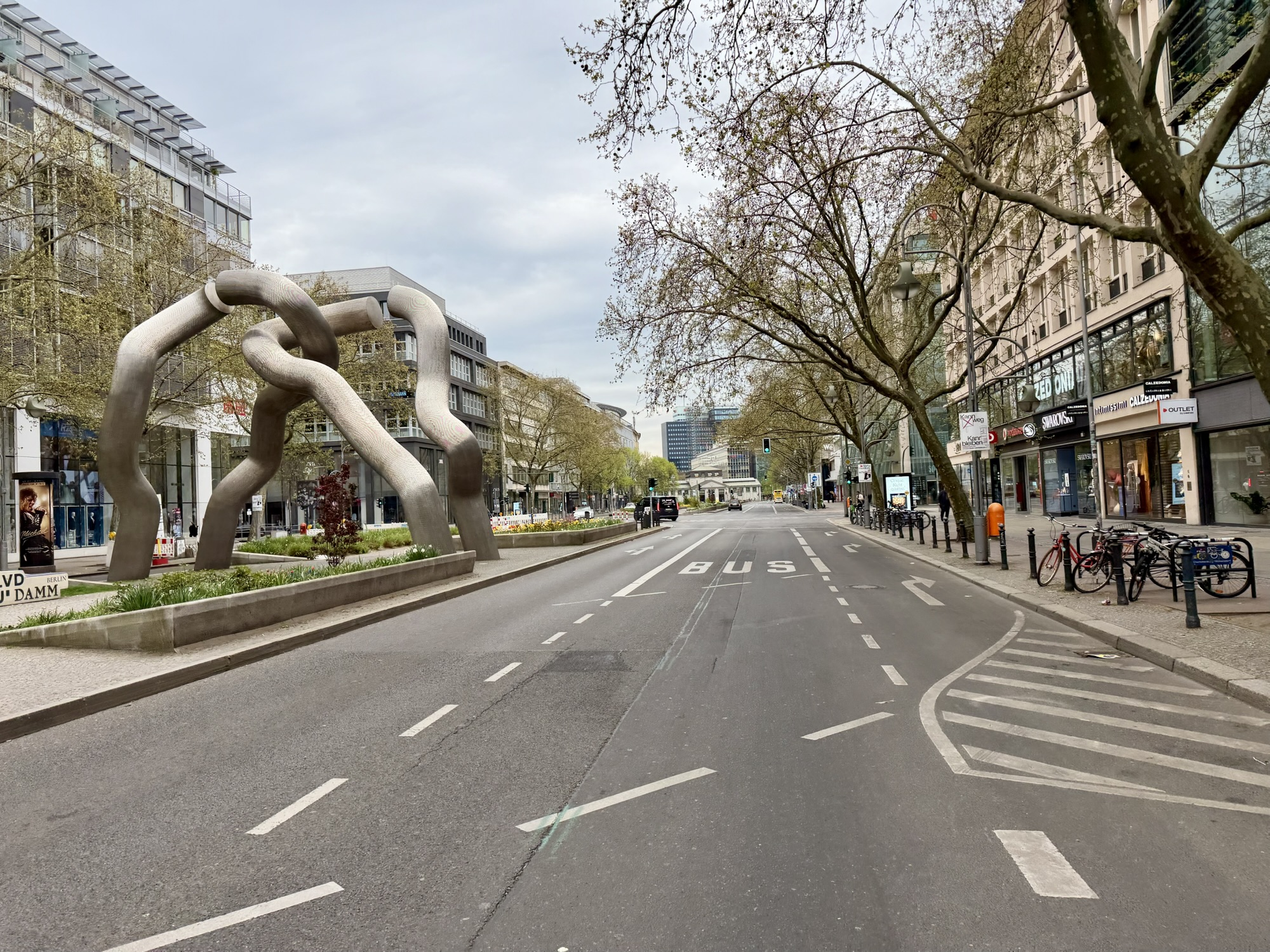
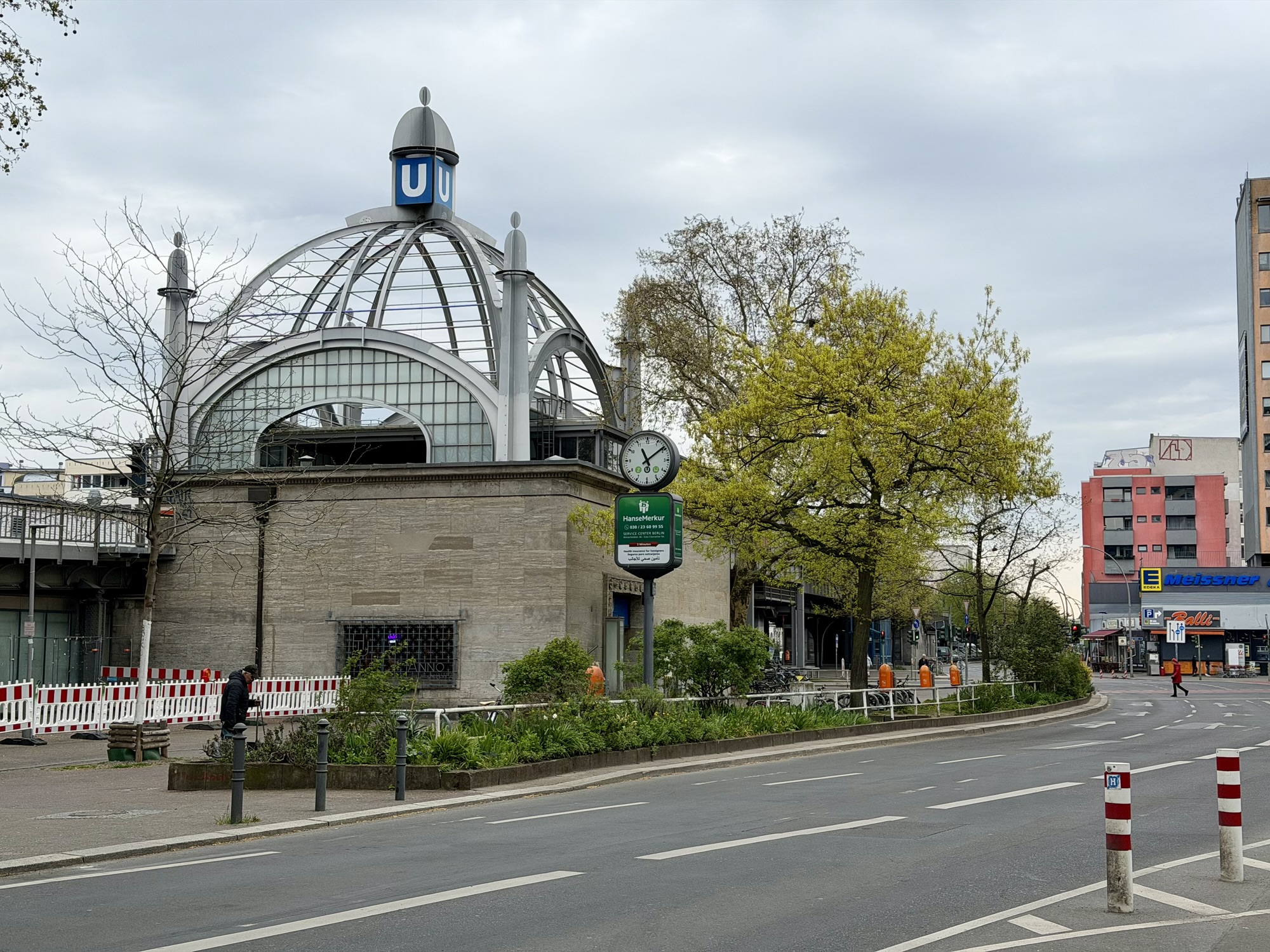
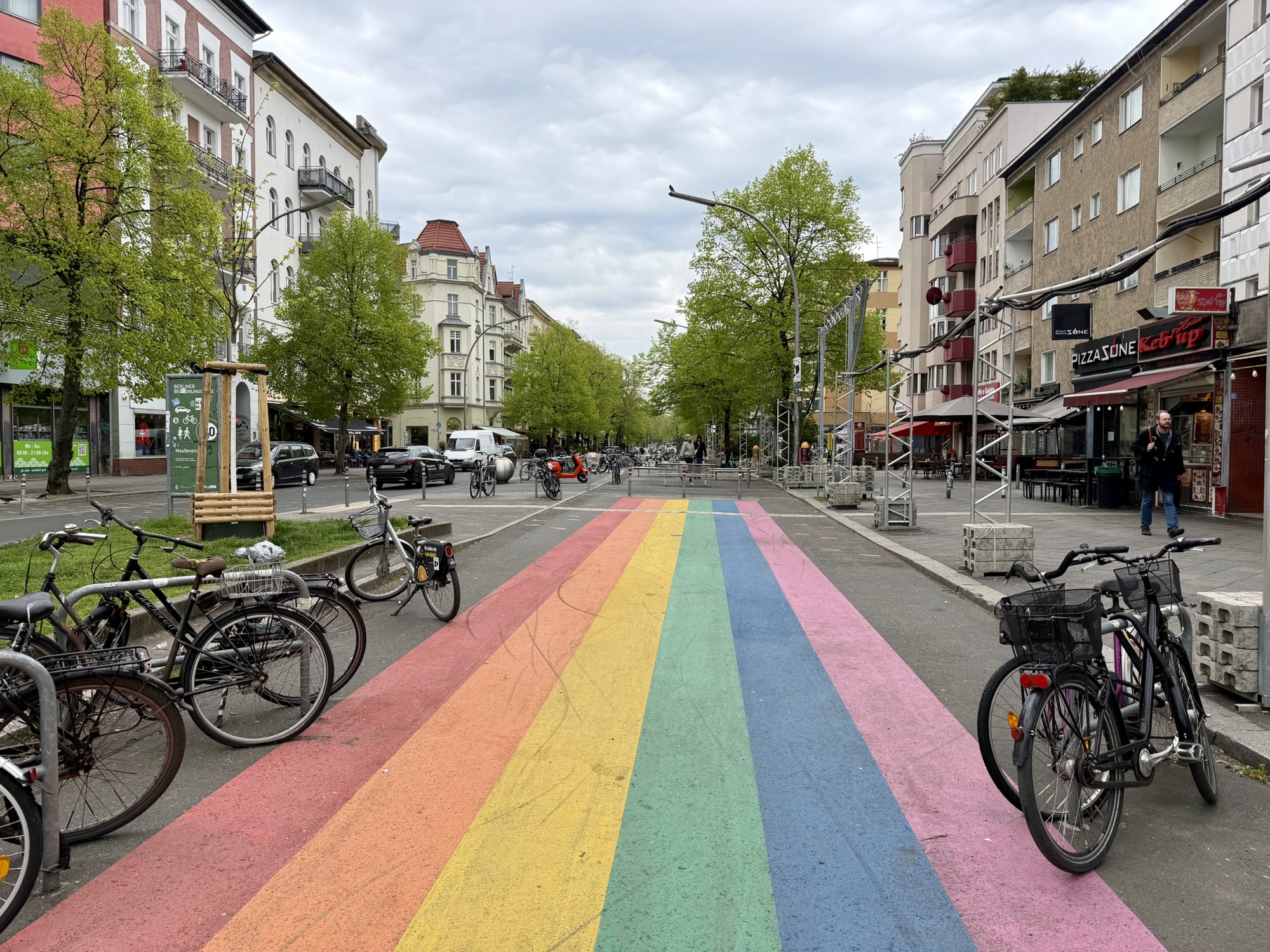
When we were ready it was overcast, but the forecasted rain had been pushed out to the afternoon. The streets were mostly empty of cars.
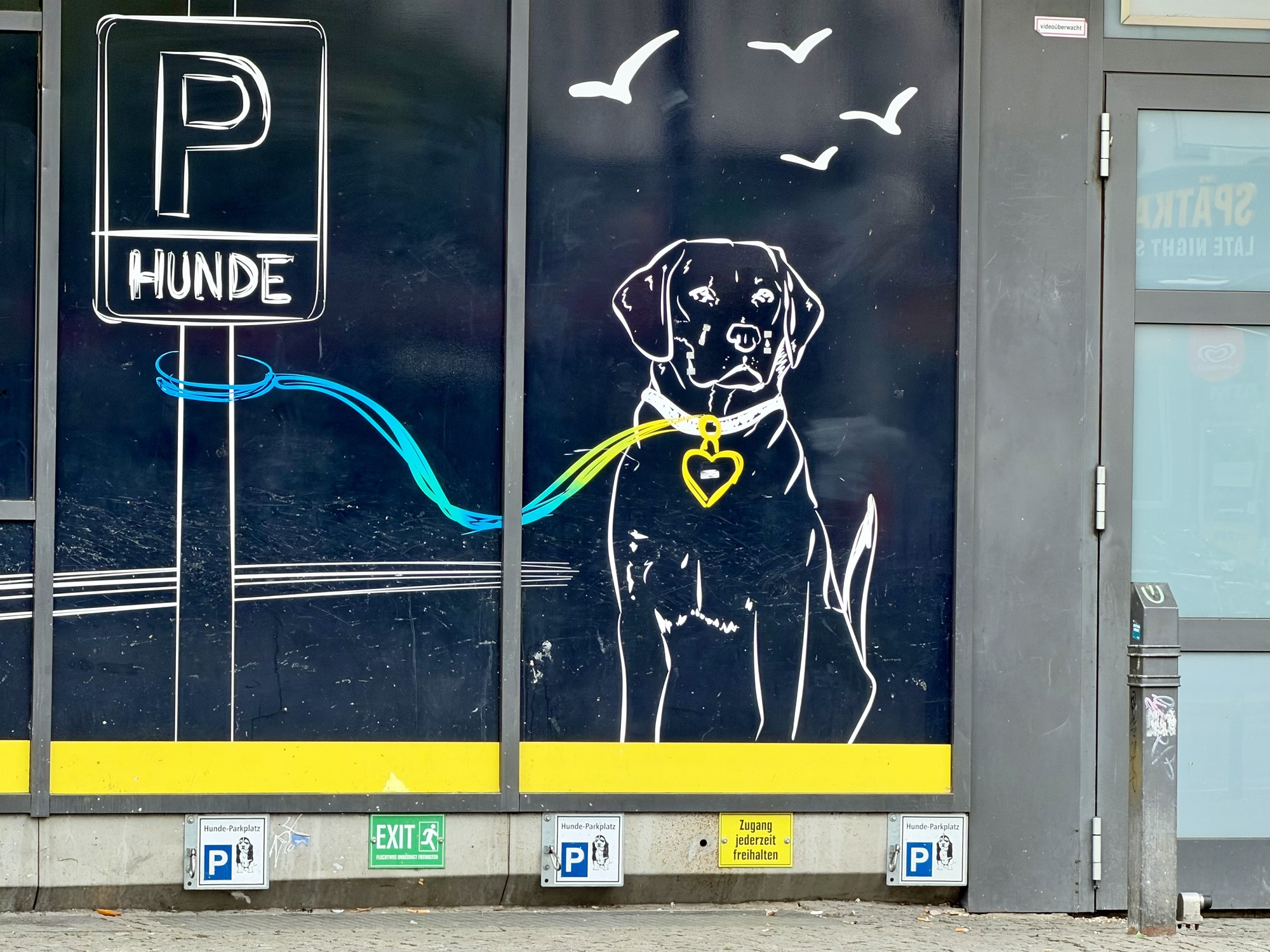
This store had dog parking.
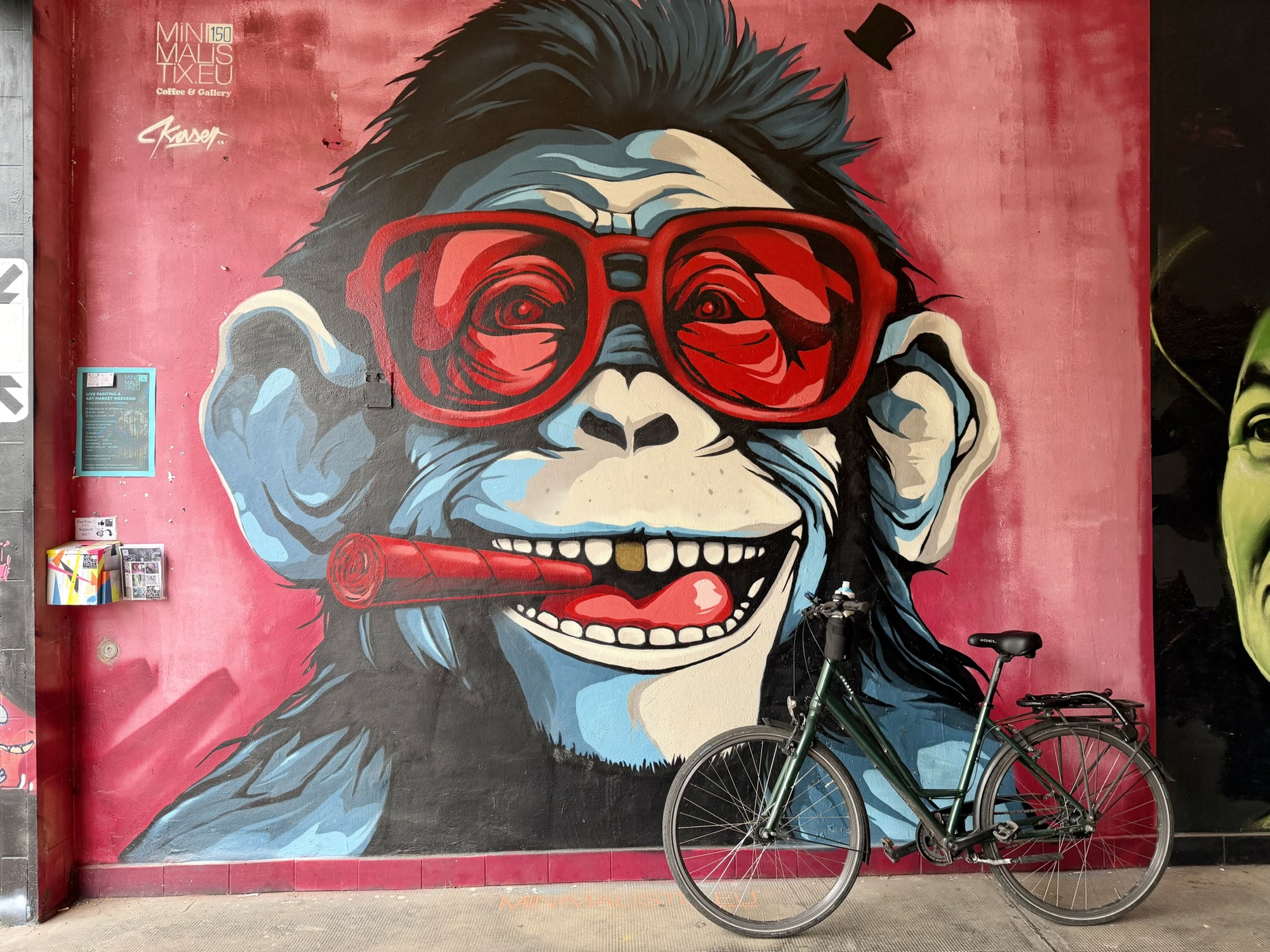
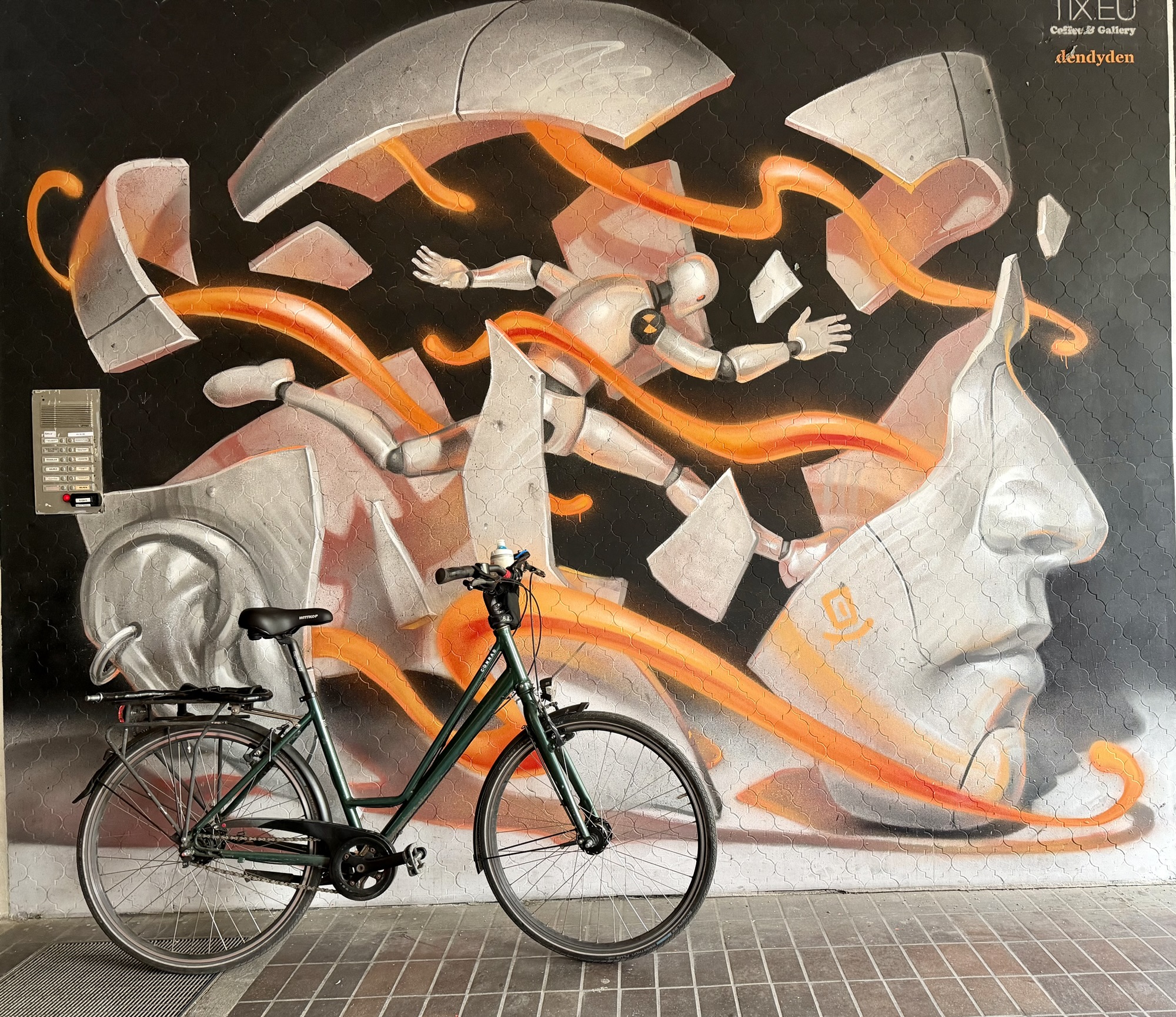
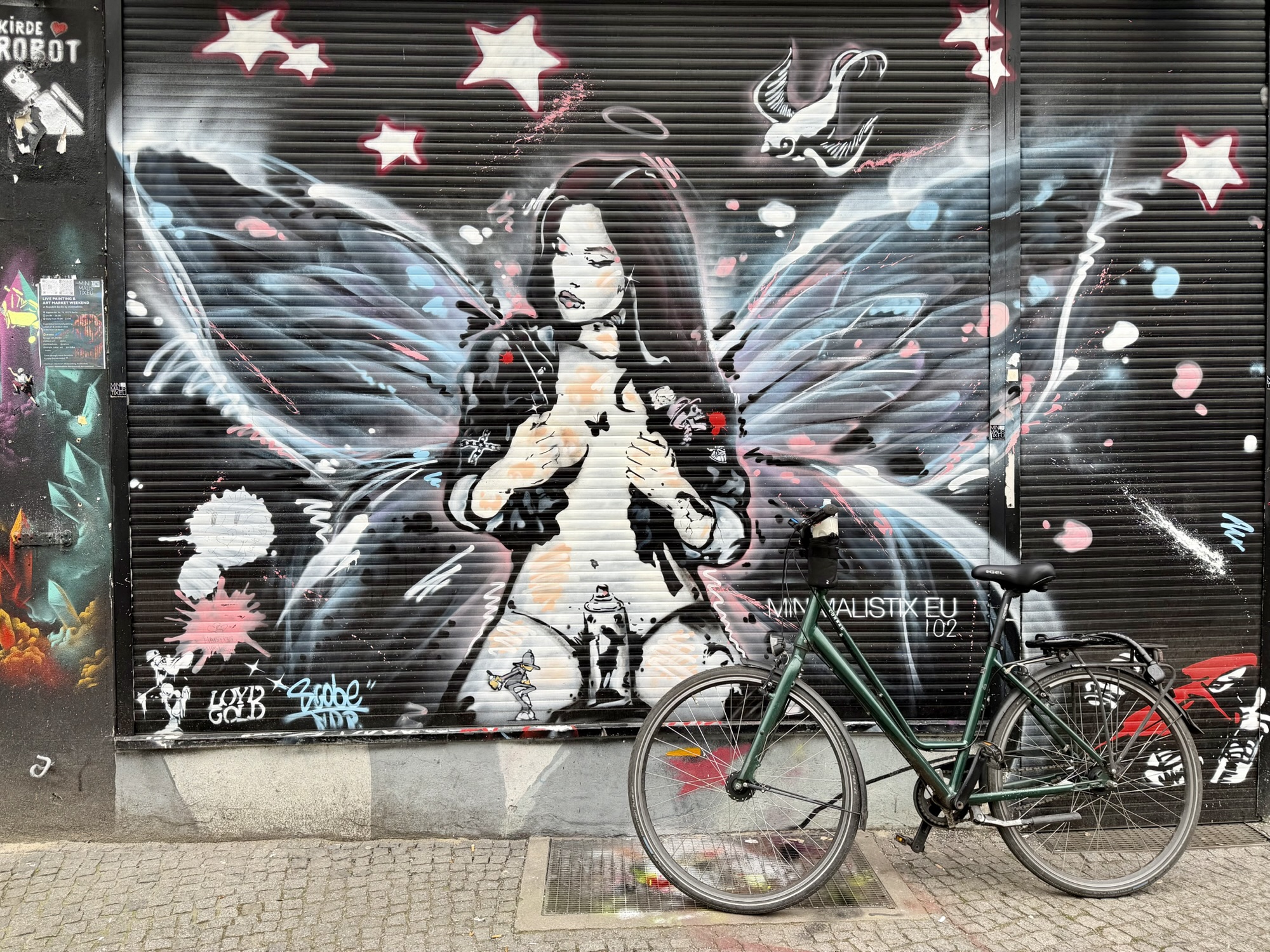
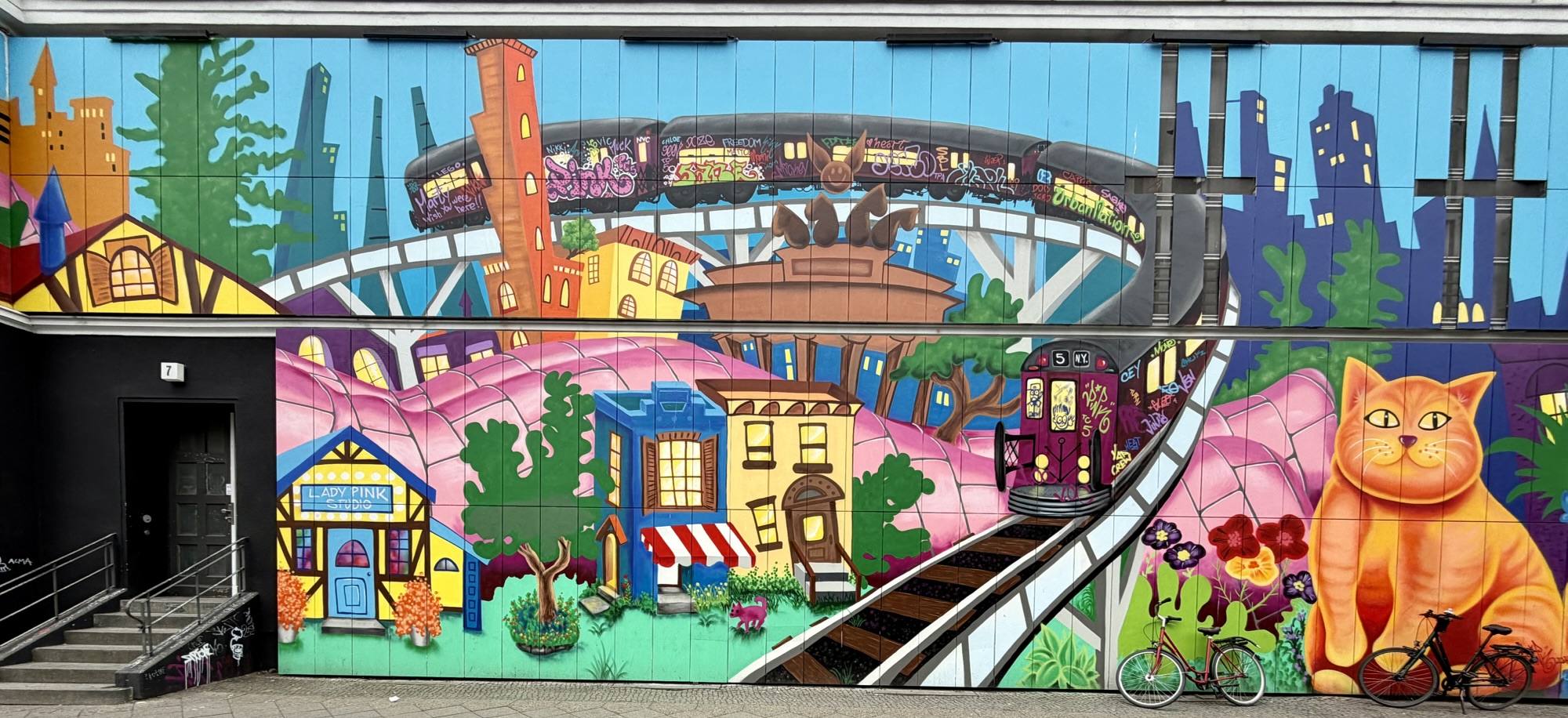
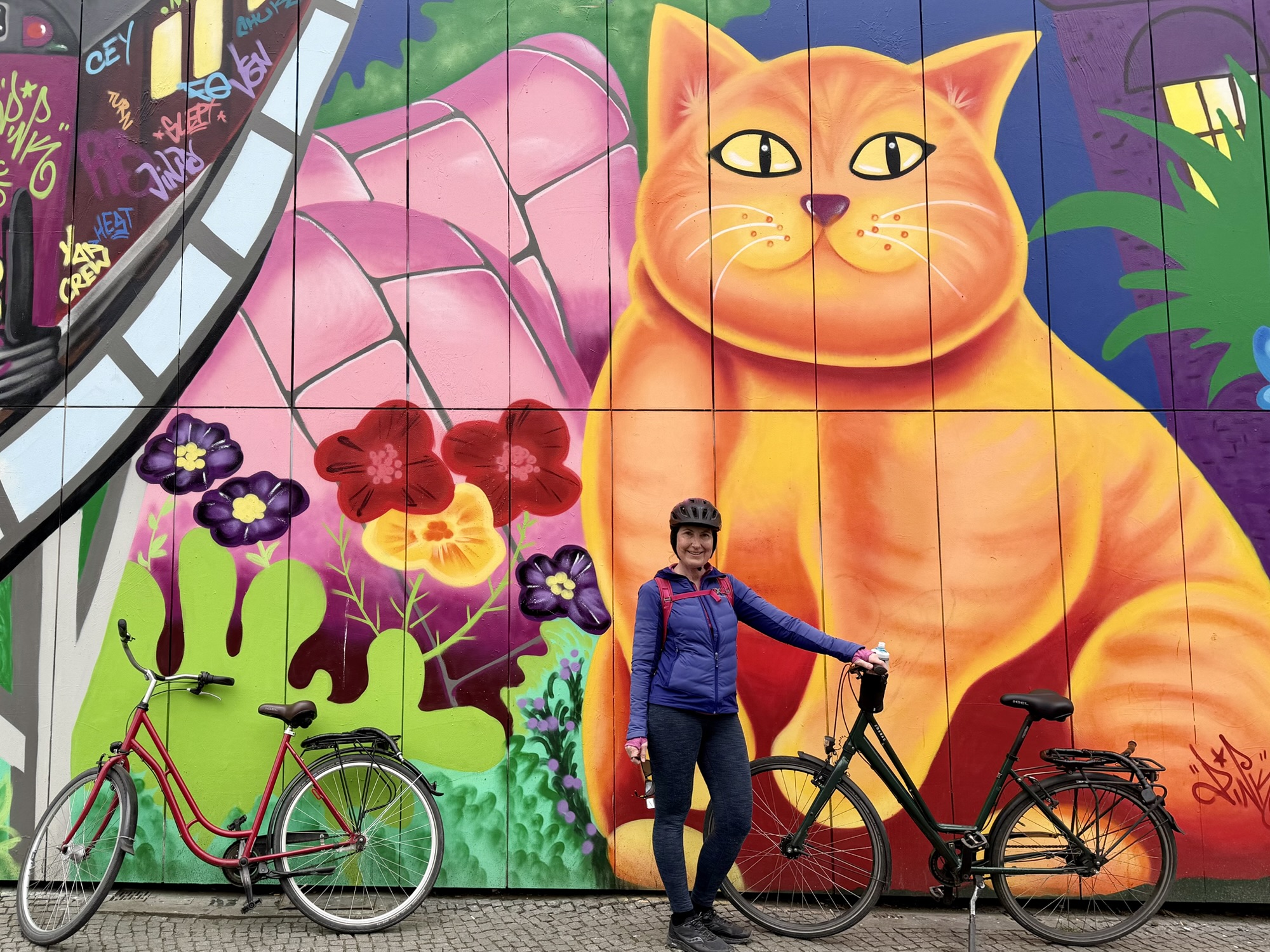
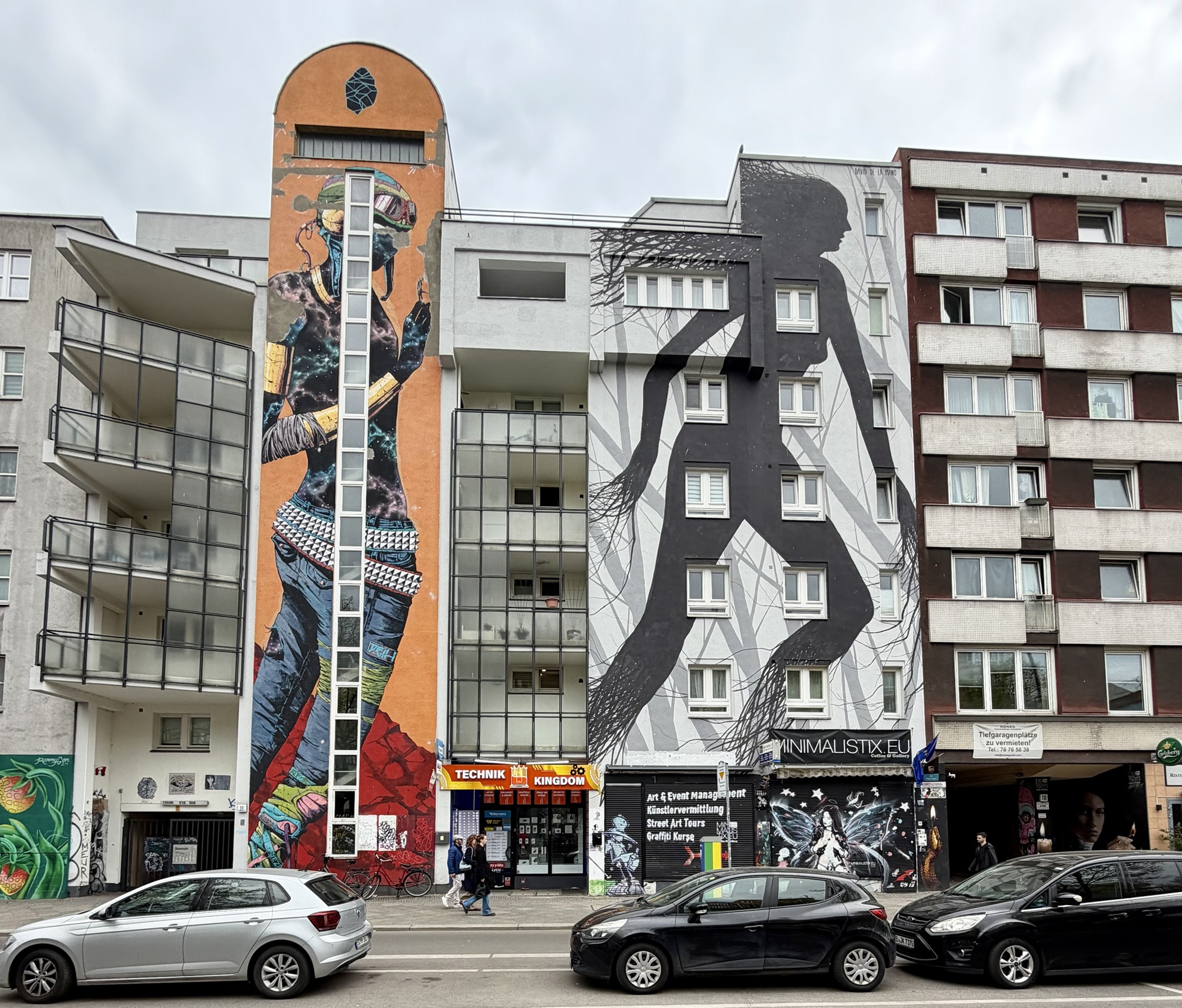
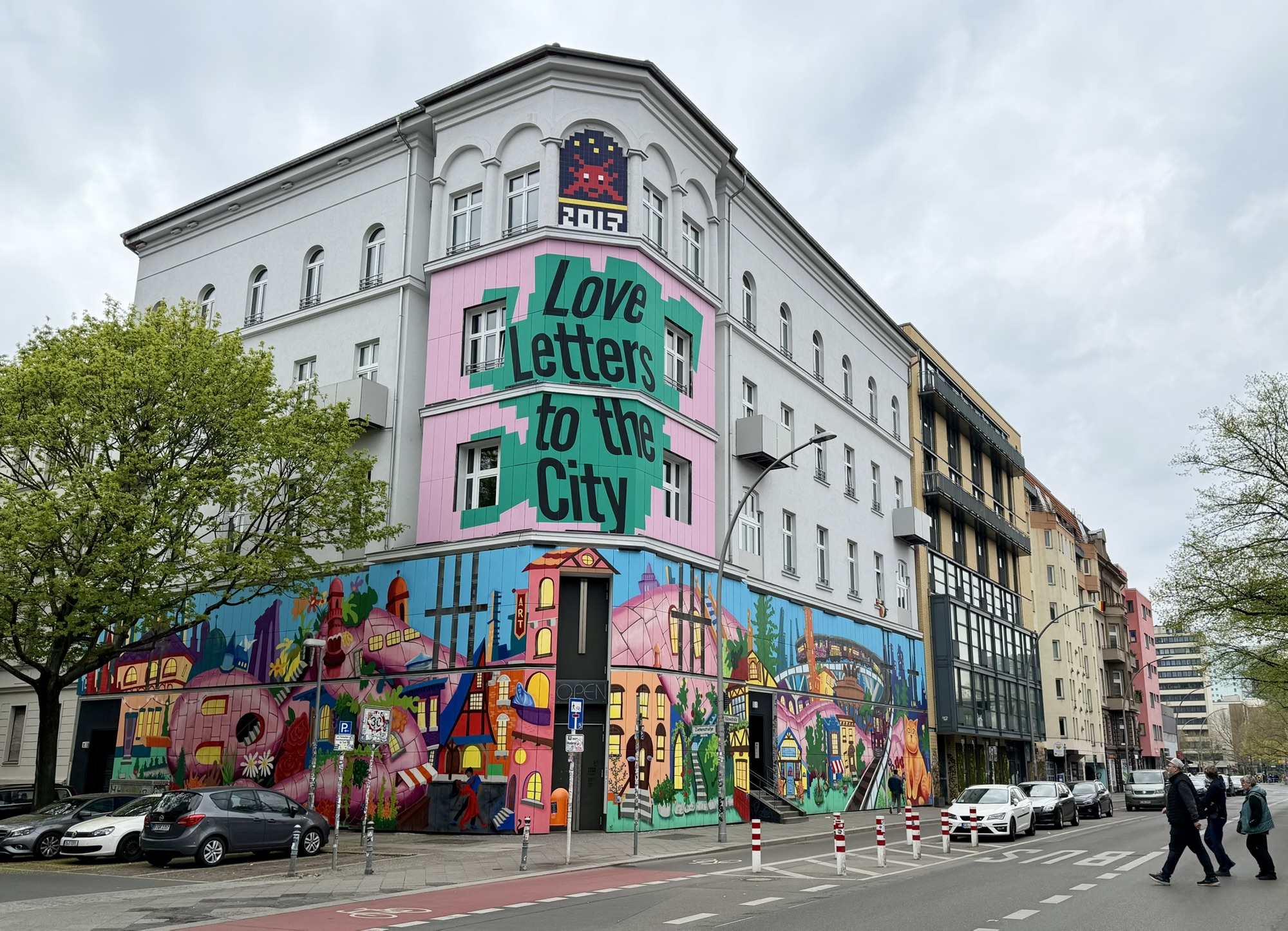
Berlin has a museum for urban contemporary art called Urban Nation. It wasn’t open yet for the day, but there were many beautiful murals along the street where the museum is located.
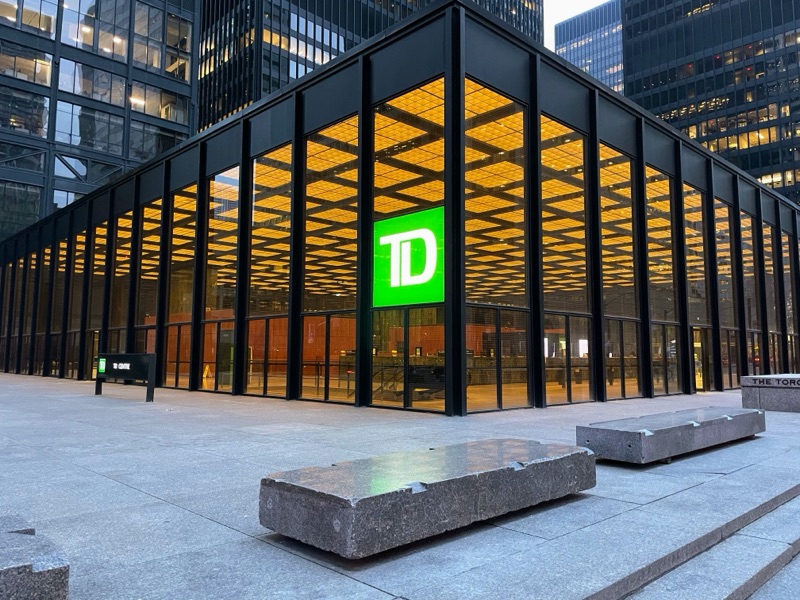
Our next stop was the New National Gallery. The architect was Ludwig Mies van der Rohe, a German and American architect. He is regarded as one of the pioneers of modern architecture. Special exhibits are displayed in the glass box portion of the gallery above ground. The glass and metal box is supported by only eight columns on the outside. There are no interior columns. People in Toronto would likely recognize this building as his work because of its similarity to part of the TD Centre in Toronto. There are Henry Moore and Alexander Calder sculptures outside the gallery.
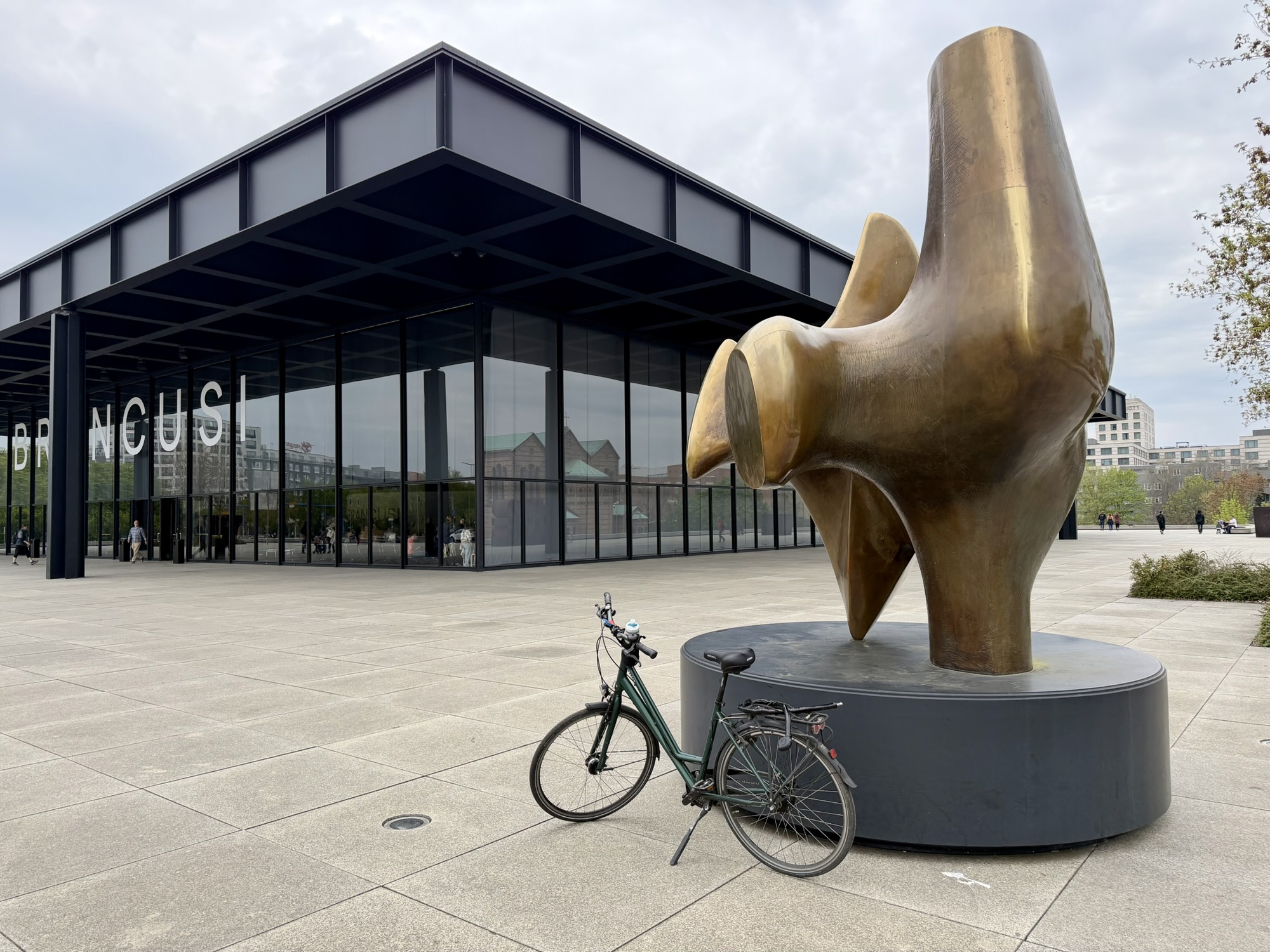
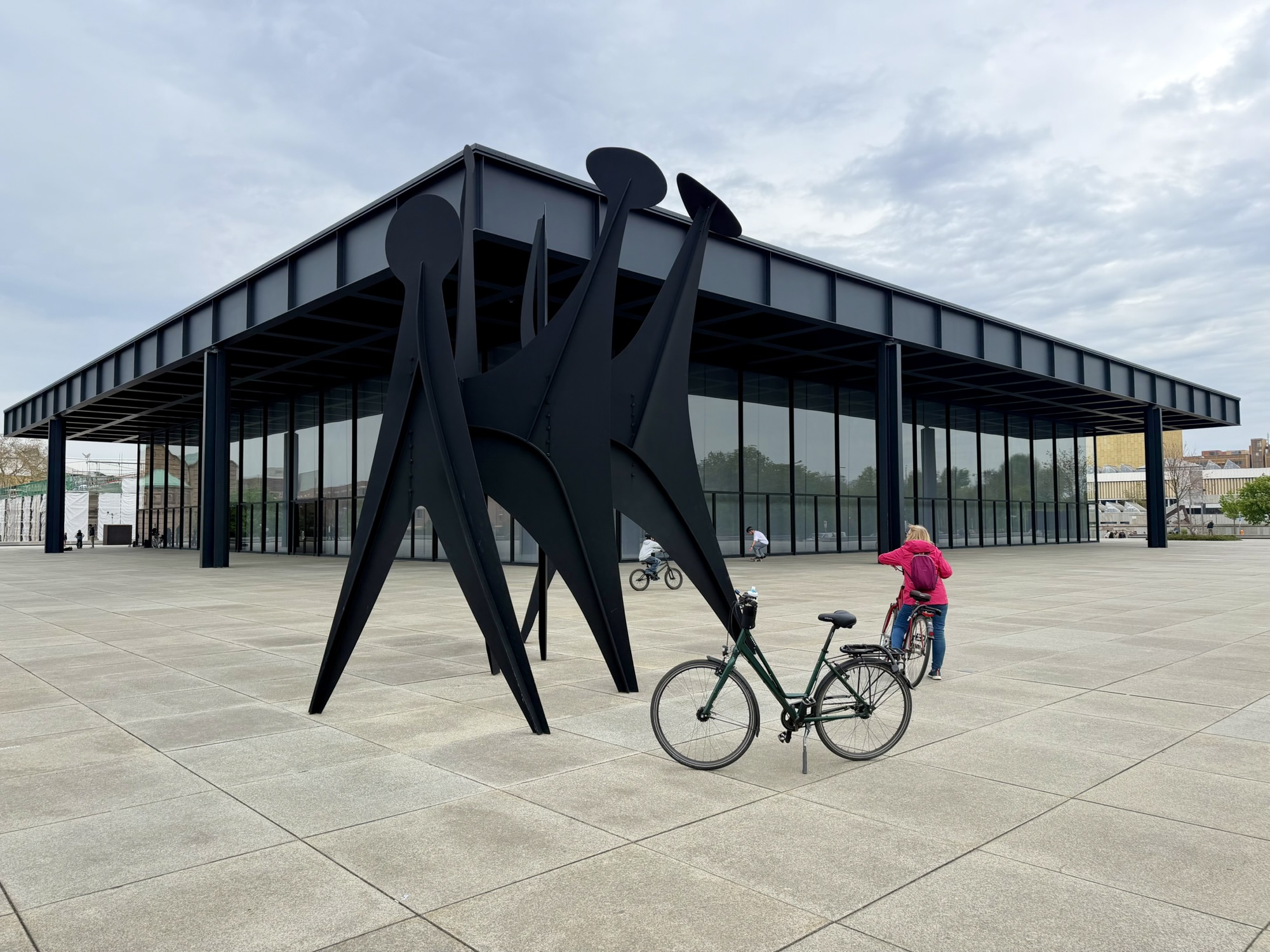
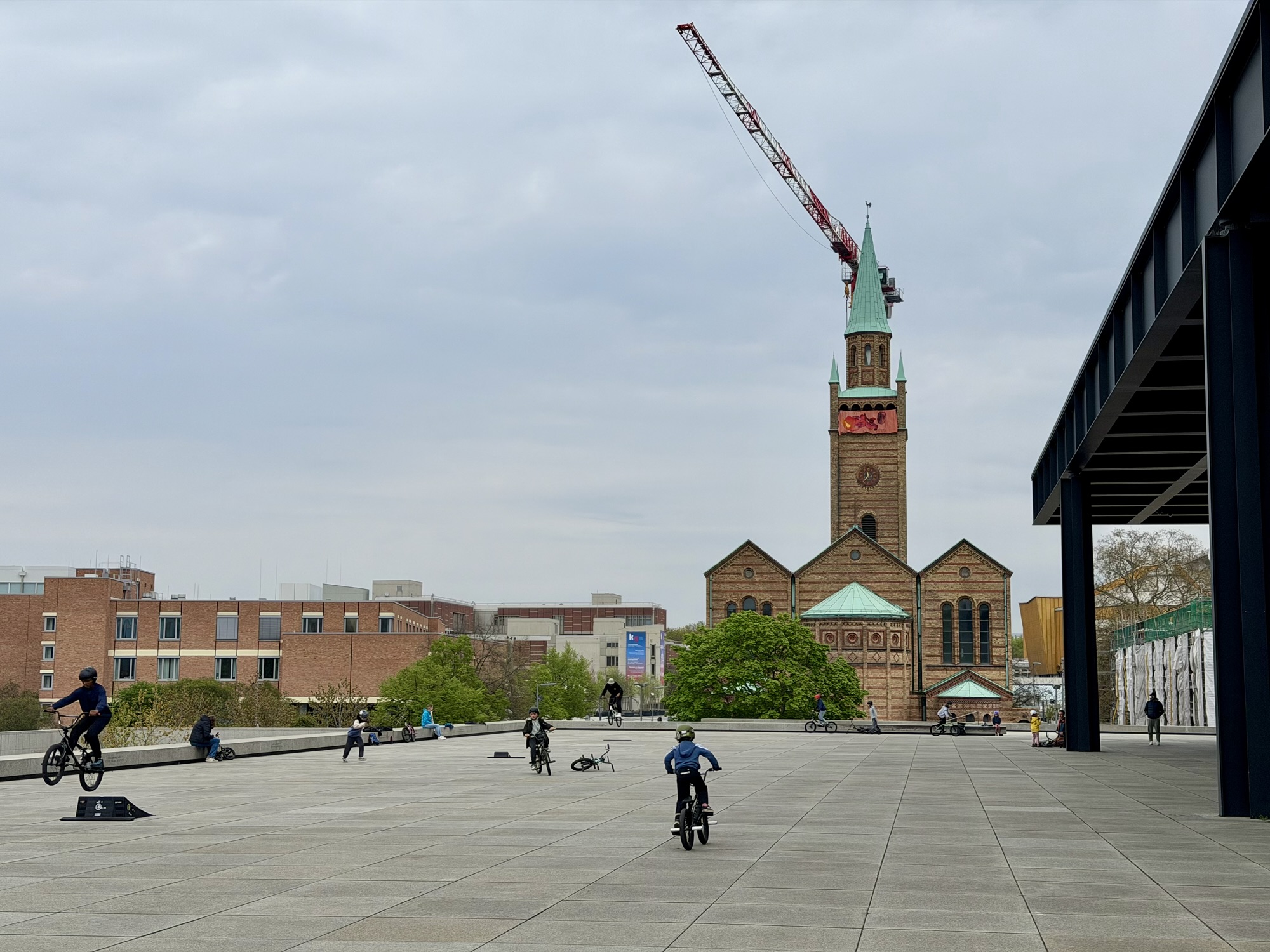
There were a lot of children on bikes playing on the large plaza around the museum. It seemed to be a tolerated behavior.
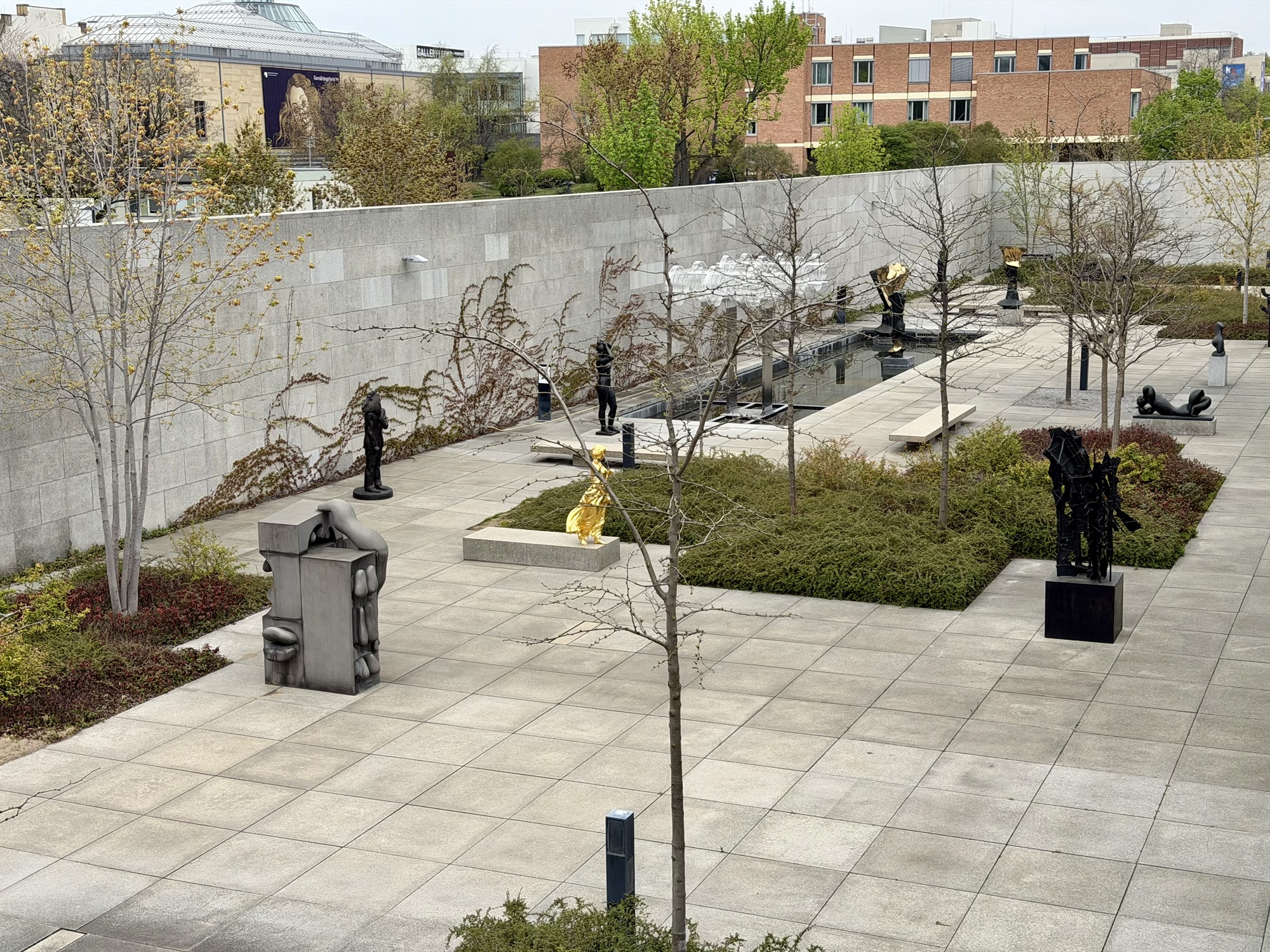
Below grade there was a sculpture garden, which is accessed from the below grade part of the gallery where the permanent collection is located.
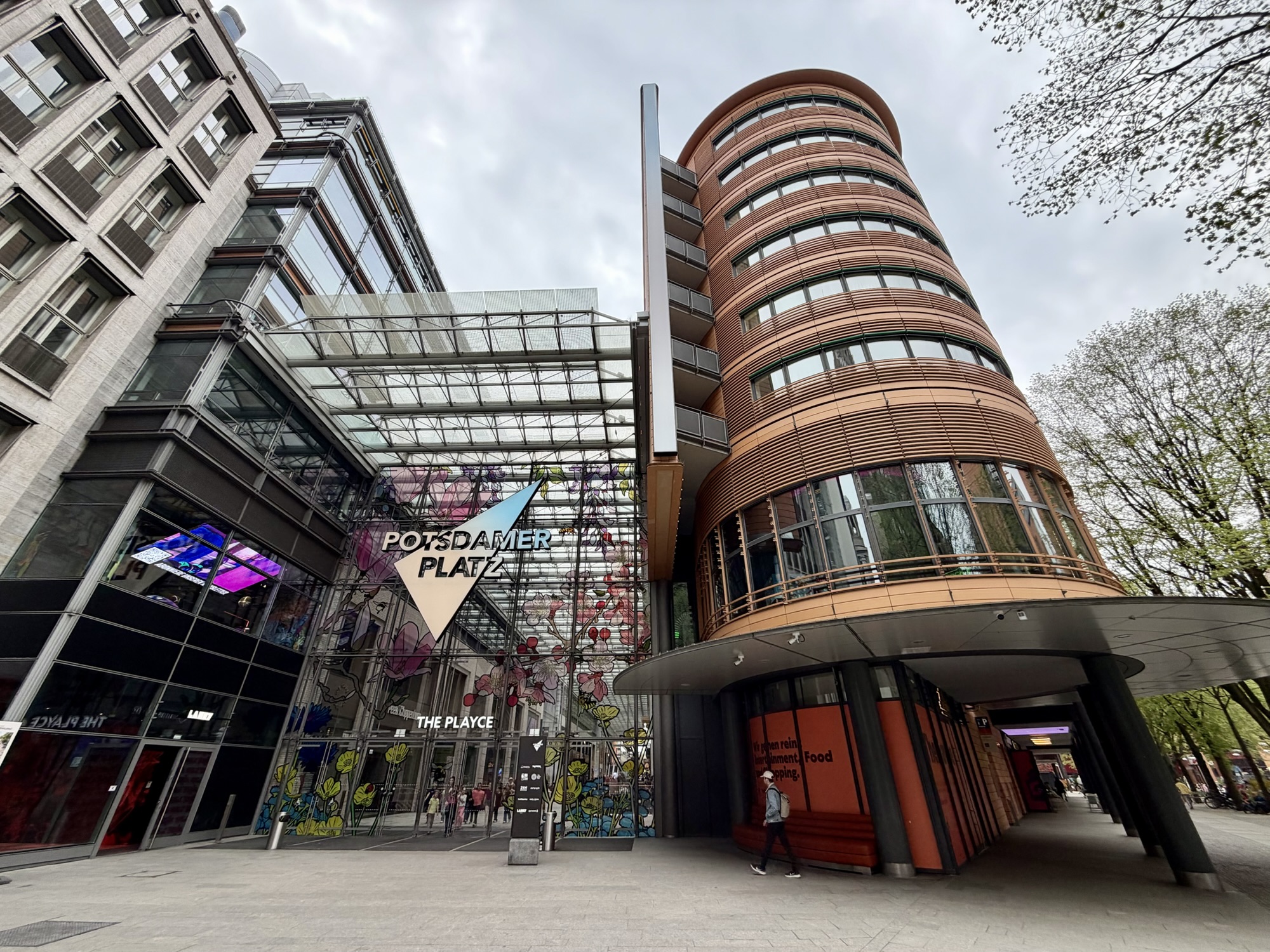
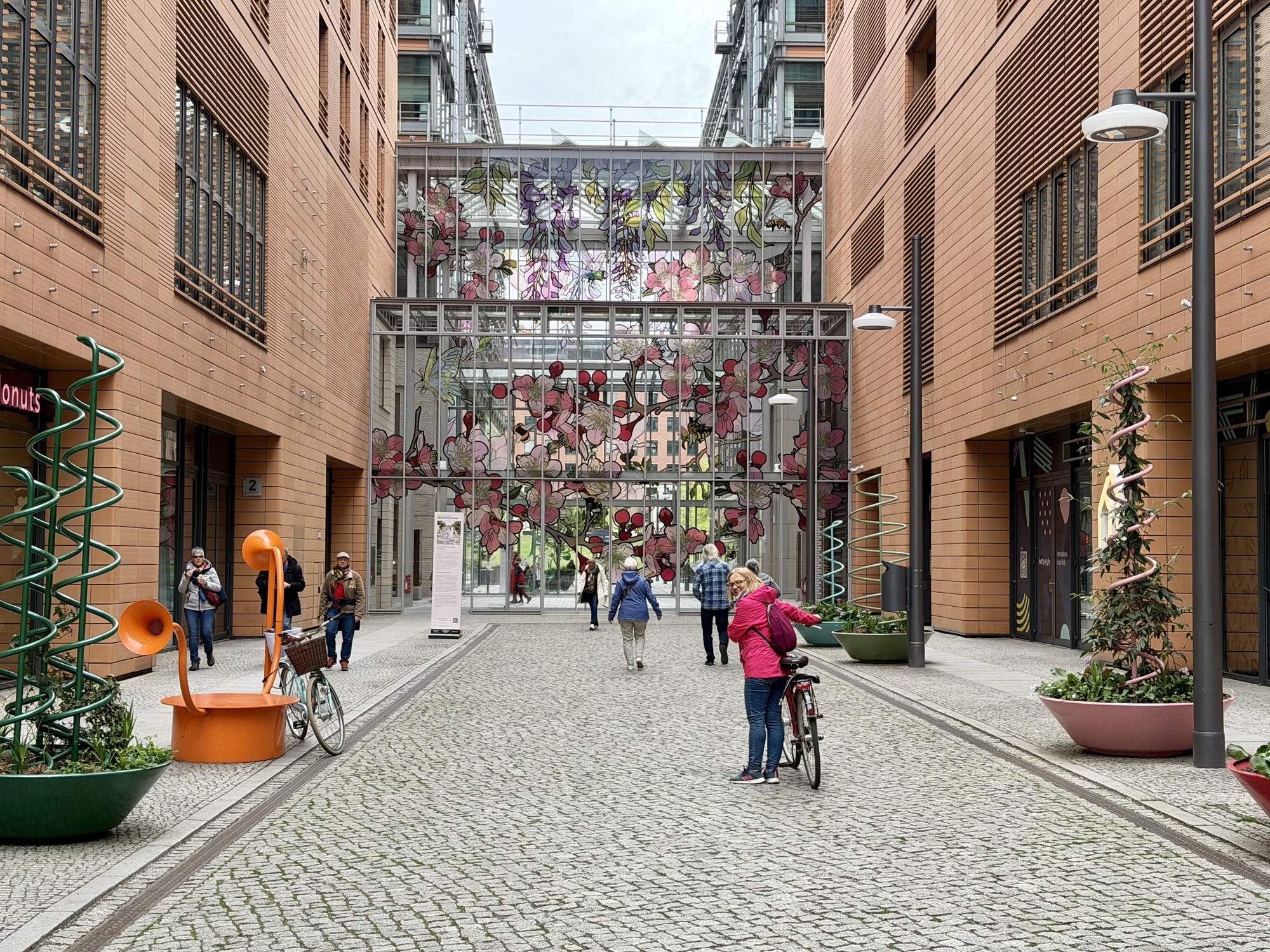
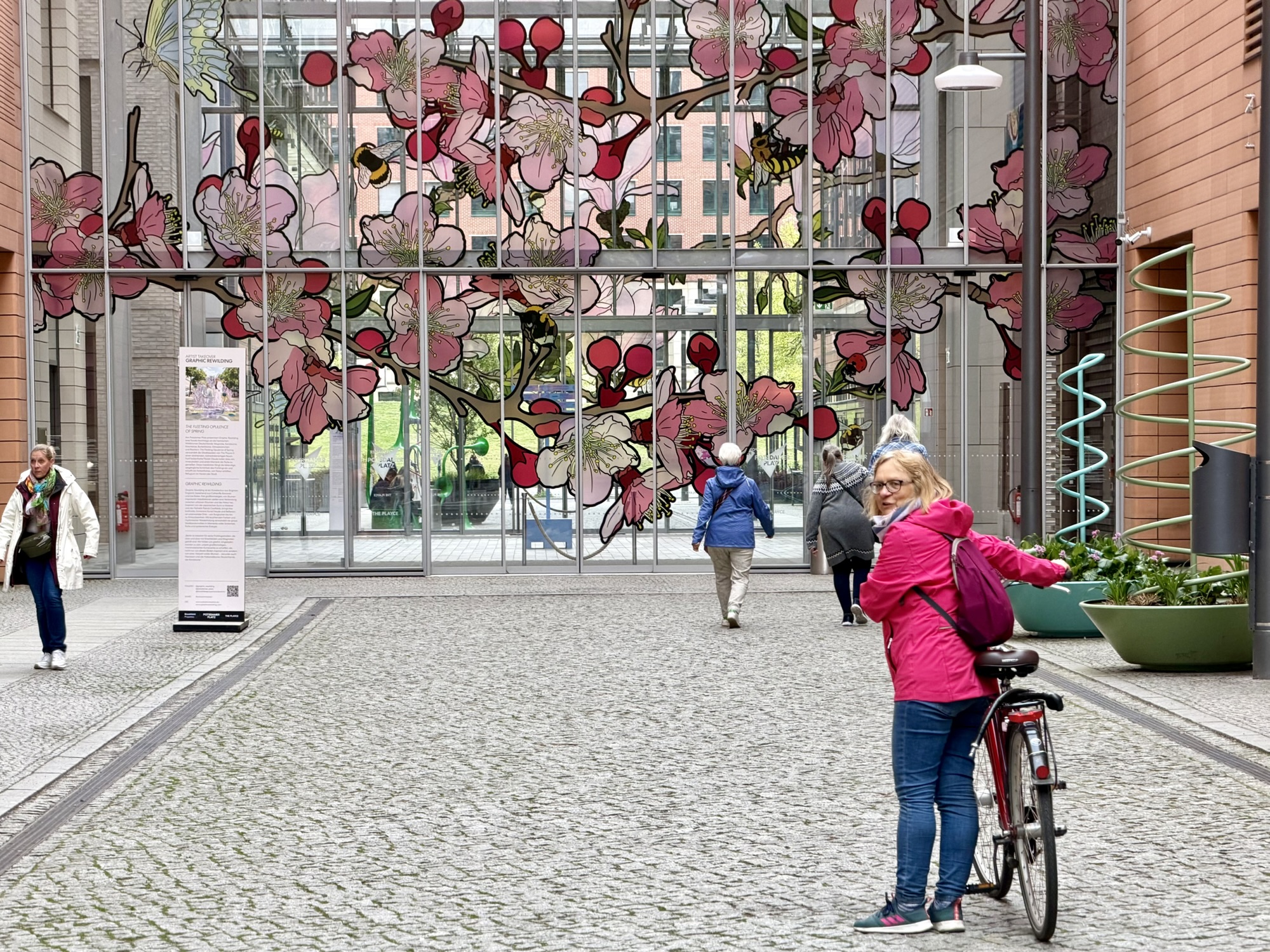
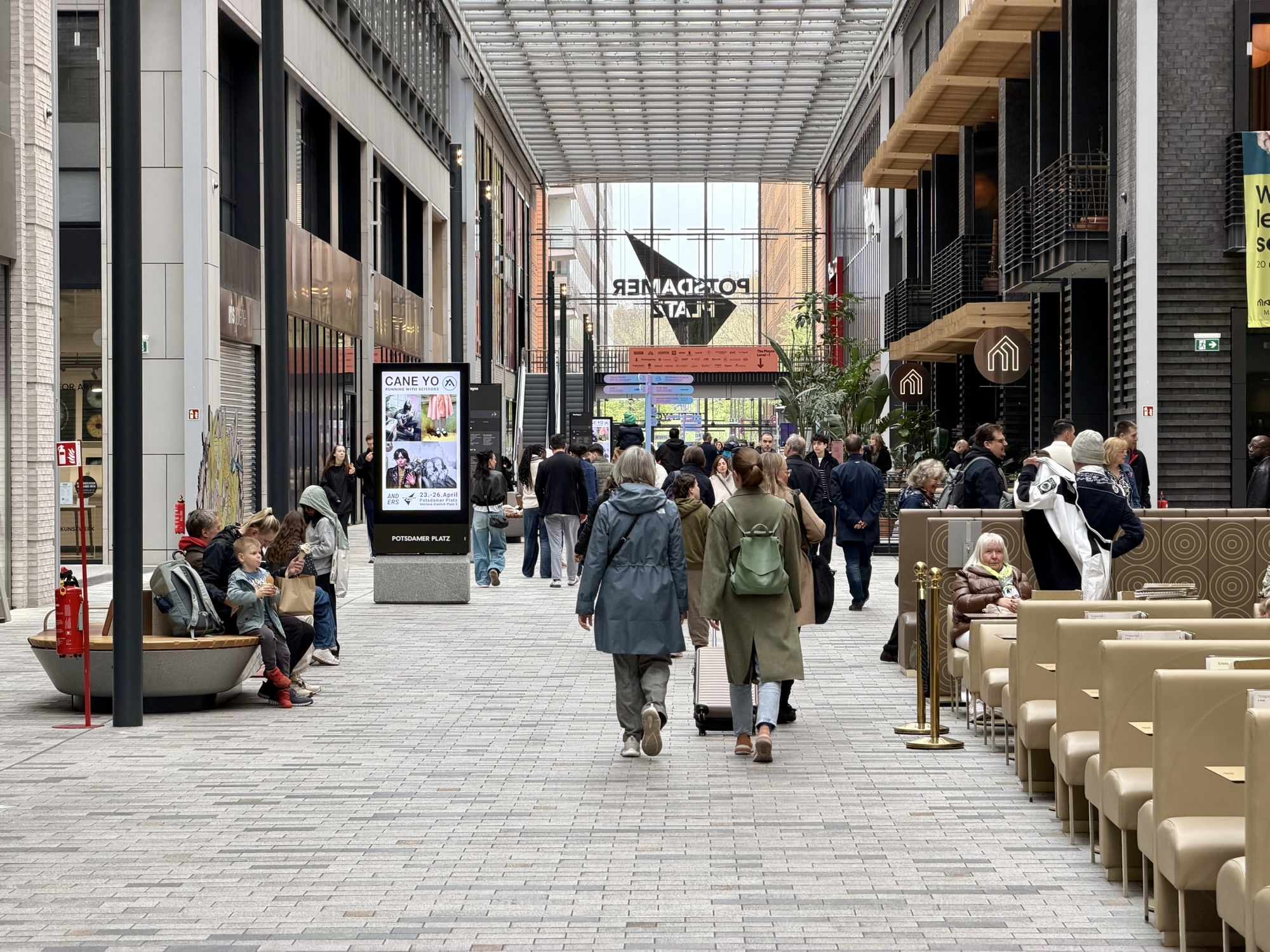
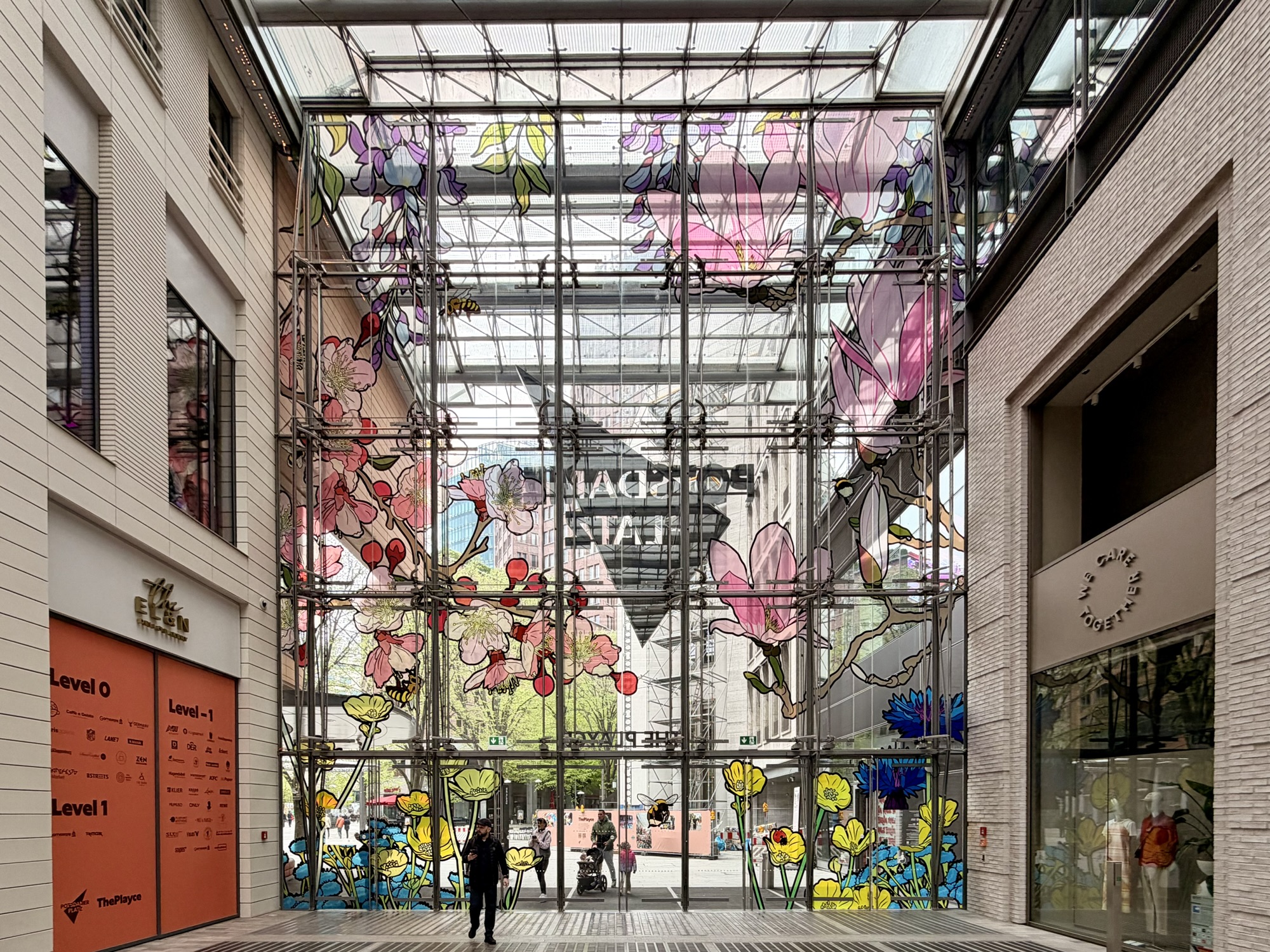
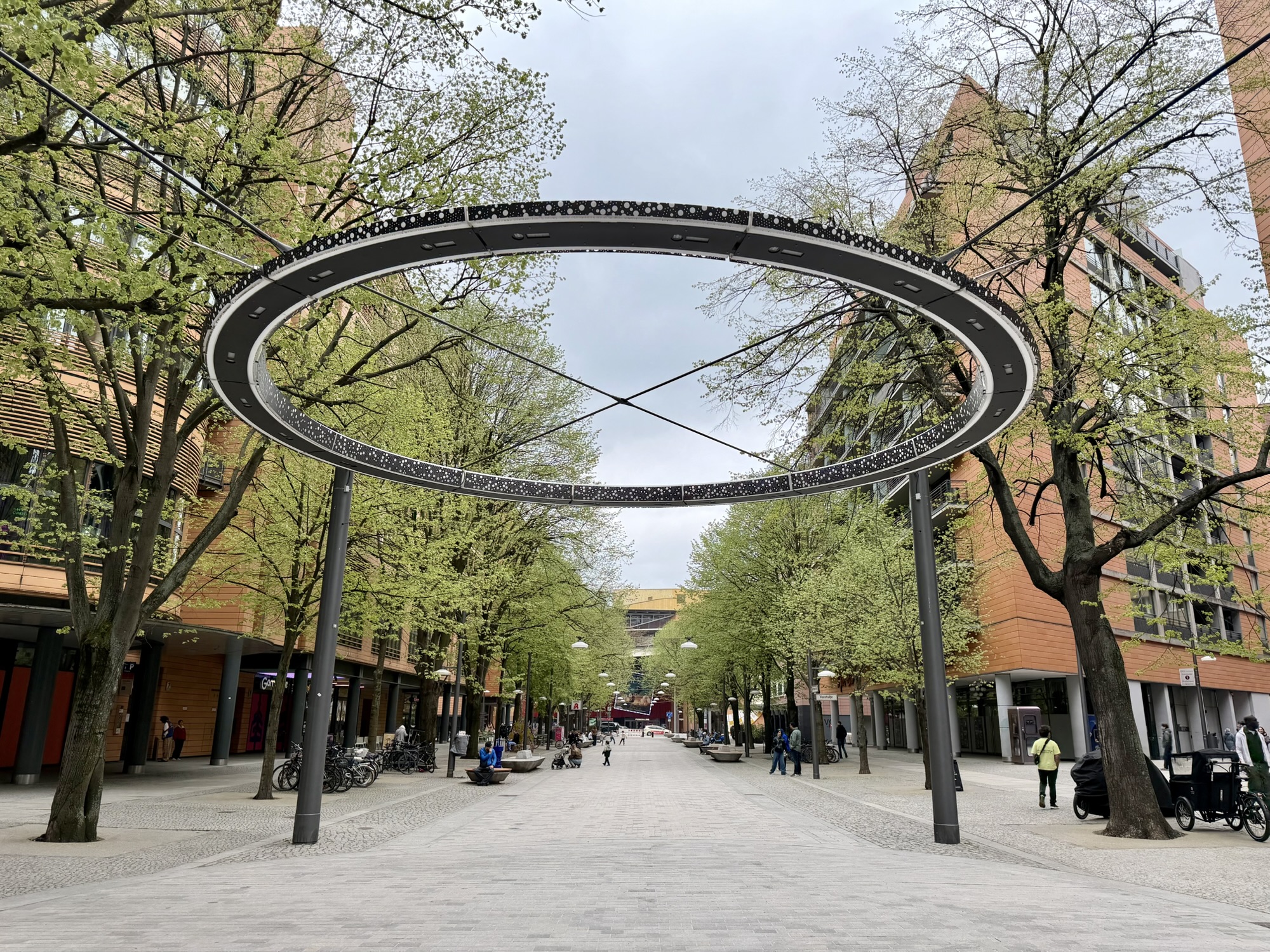
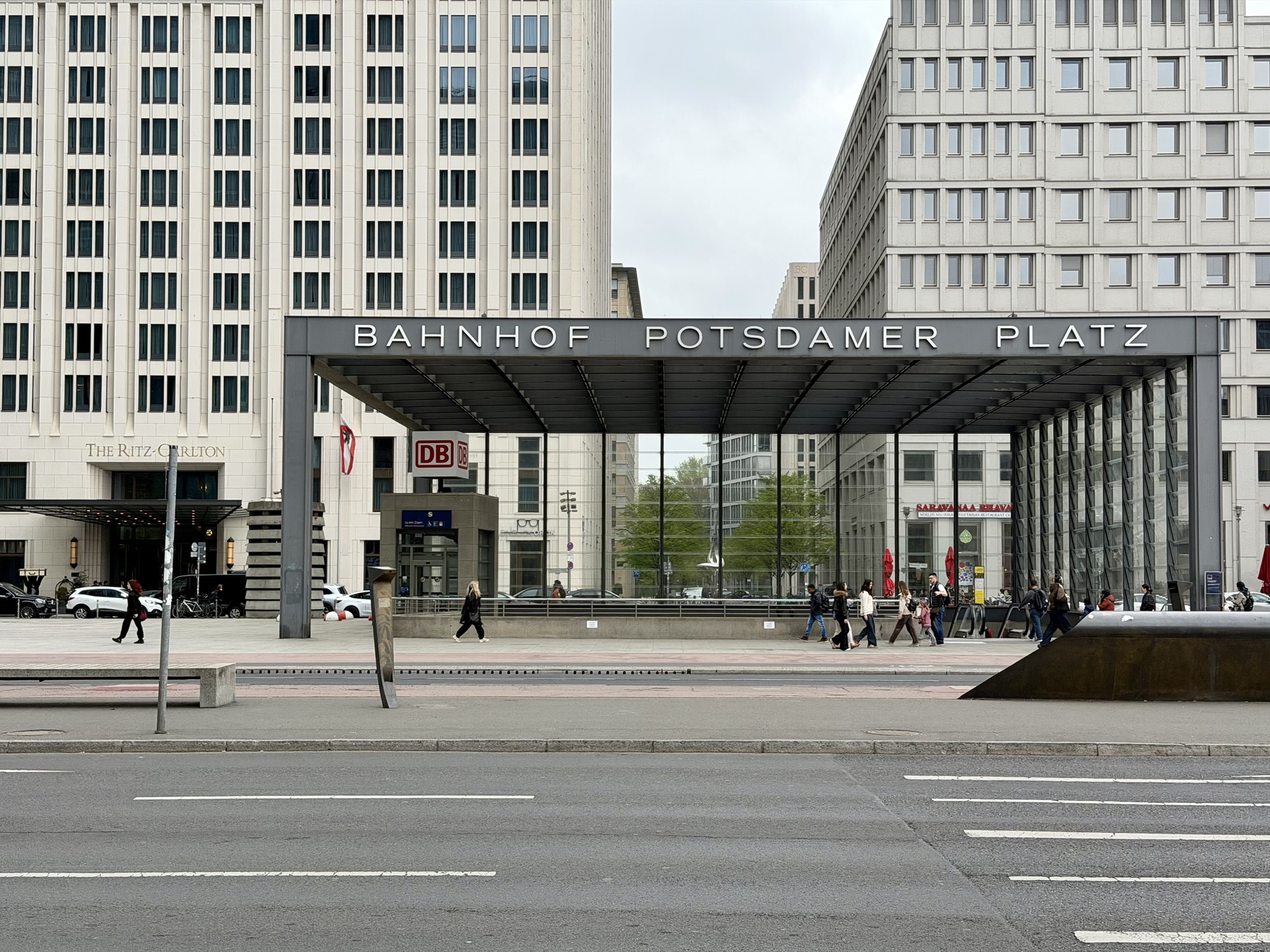
Because the weather was still dry we decided not to go in, but to continue exploring. Our next stop was Potsdamer Playce, a mall of 130 stores under a glass roof in Potsdamer Platz. Renzo Piano, an Italian architect, served as the master planner to reshape Potsdamer Platz between 1992 and 2000. He transformed a desolate, war torn, World War II wasteland previously divided by the Berlin Wall into a bustling, ultra modern urban centre. There are 19 individual buildings integrated with public green spaces and water features. The area was delightful, inside and out. The shopping mall had beautiful stained glass and was full of light. He is the architect of the new Provincial Law Courts at 11 Armoury St. in Toronto.
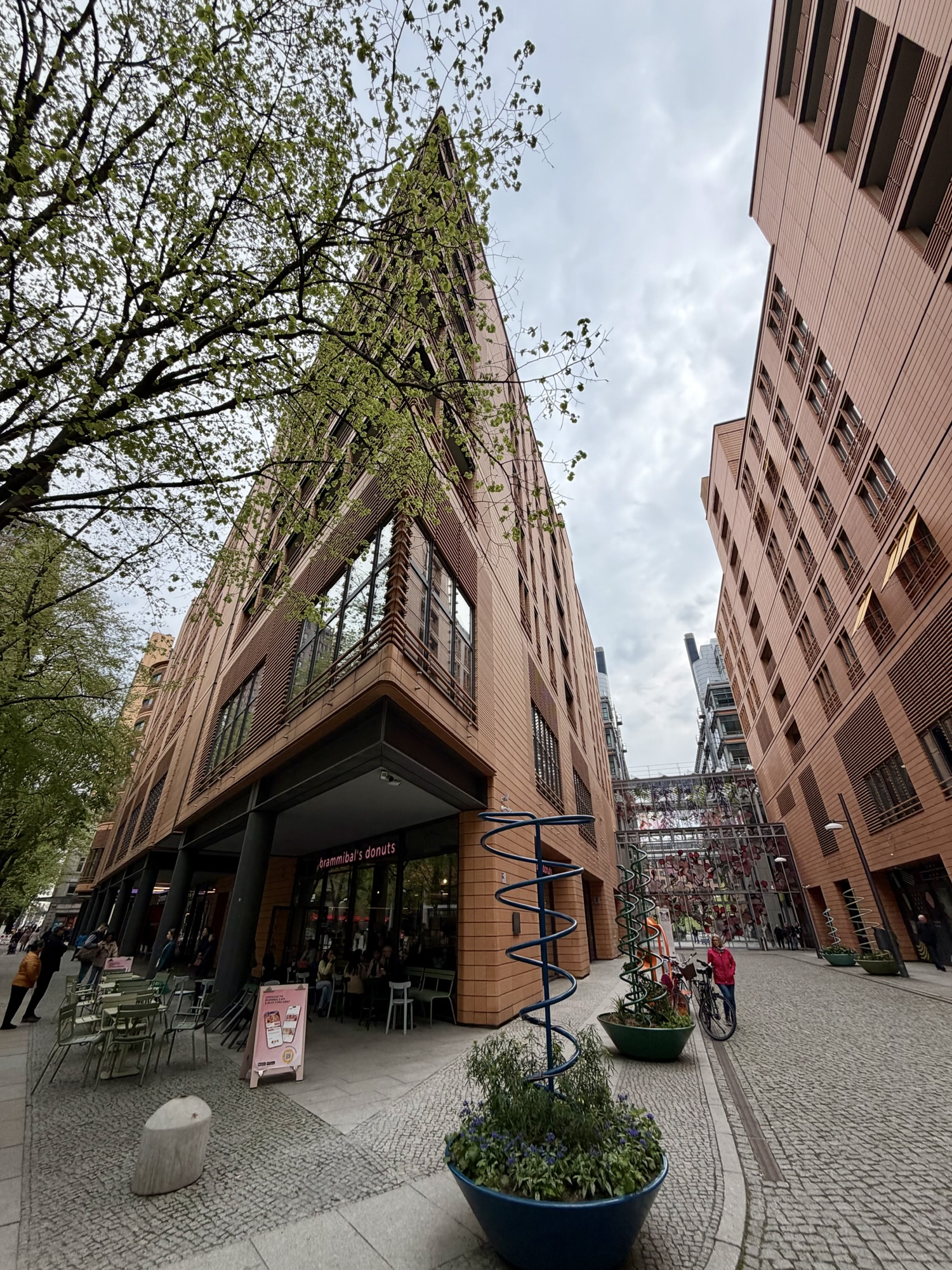
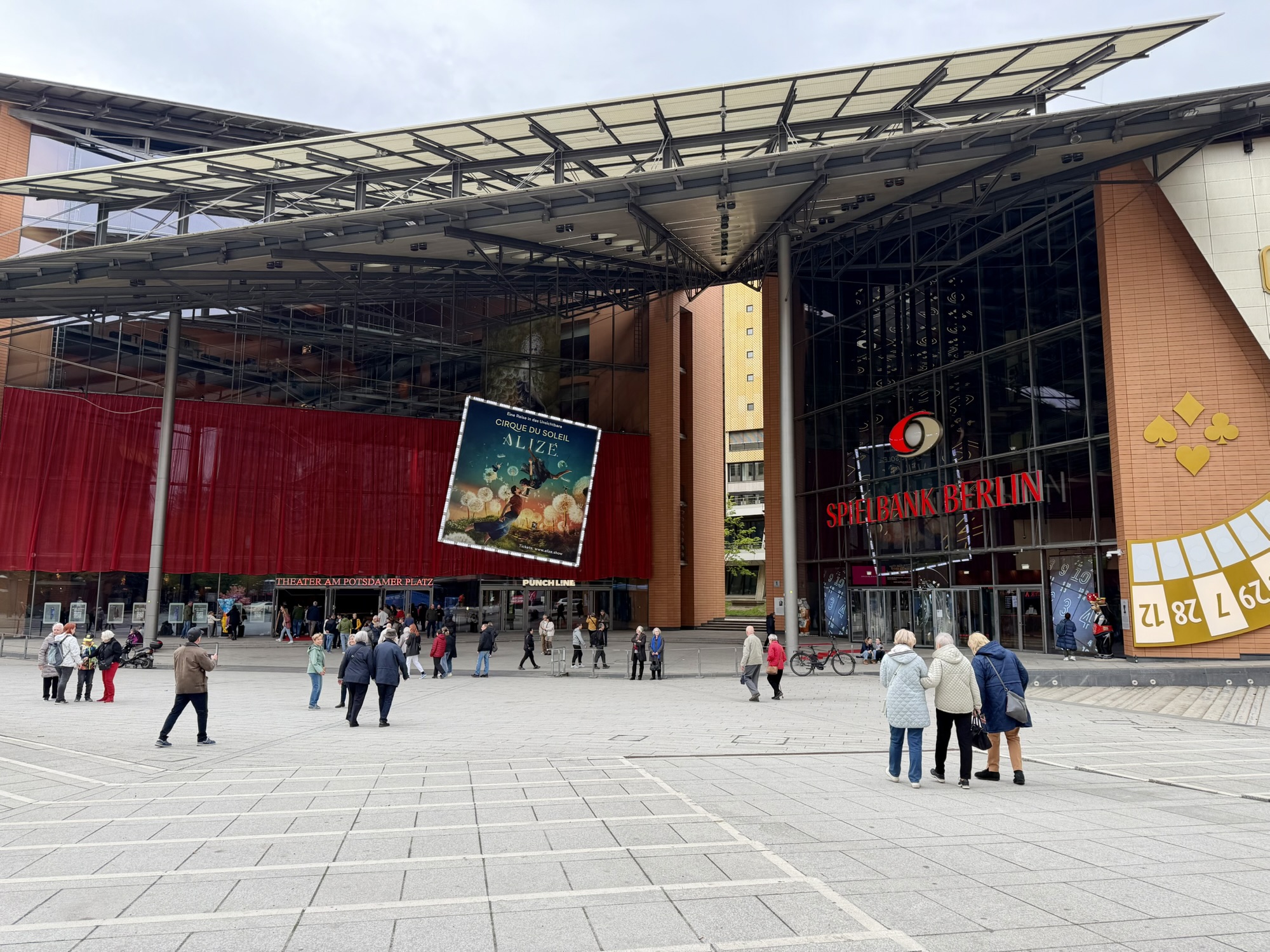
One of the buildings is a musical theater on the left, built for large scale stage productions, and casino on the right.
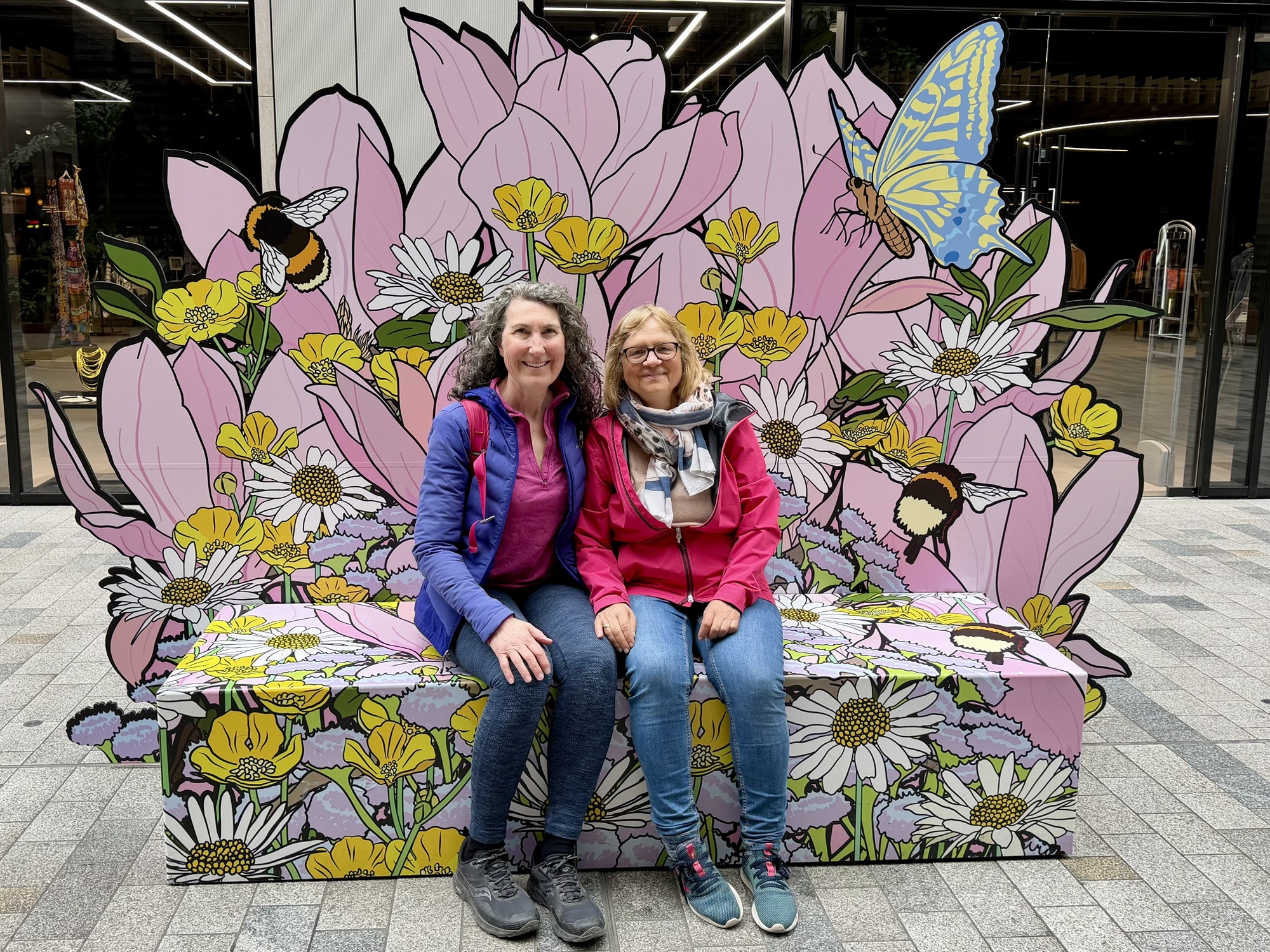
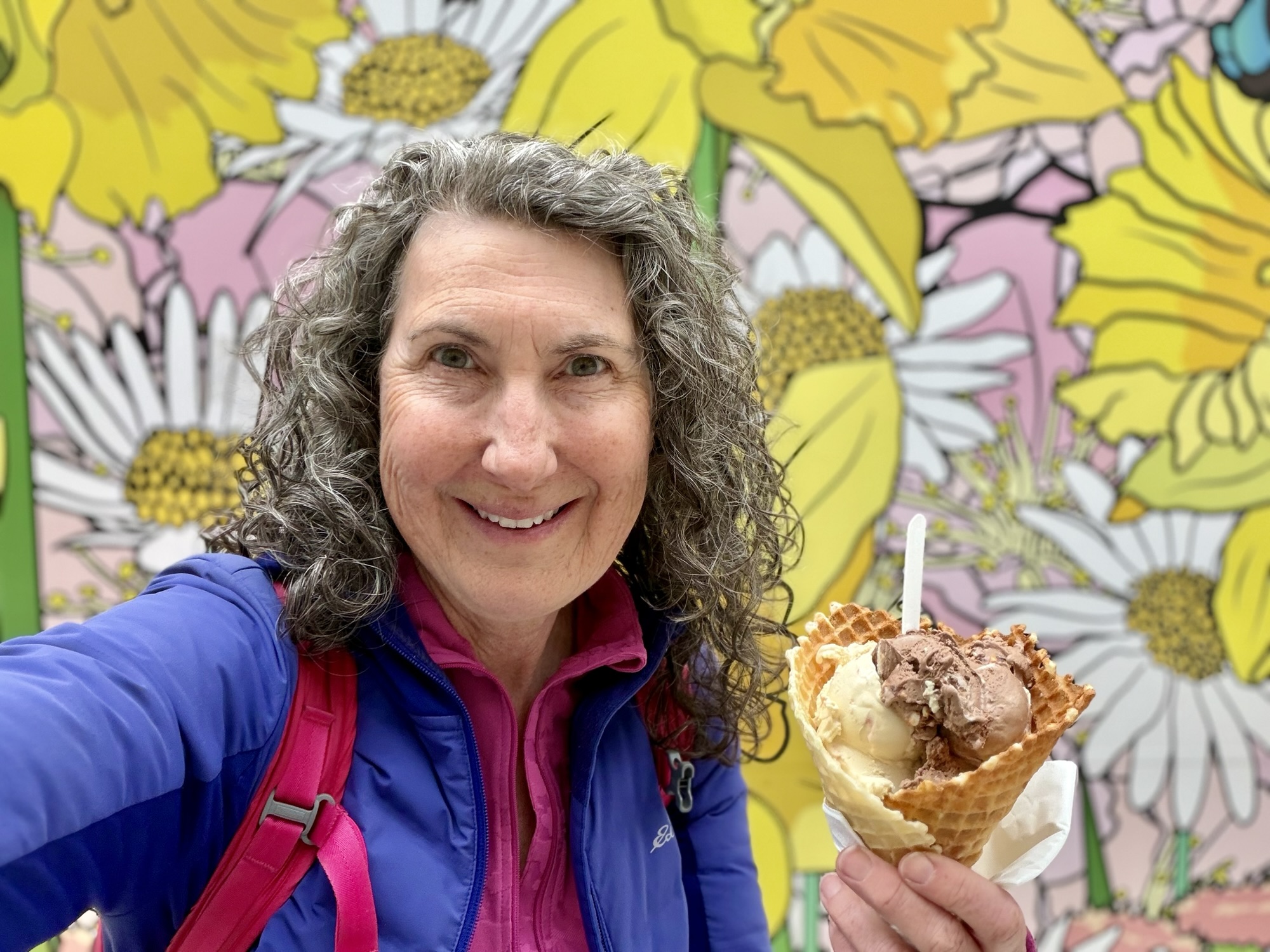
There were many of these benches around the area. We sat on one to have a snack. My gelato was absolutely delicious.
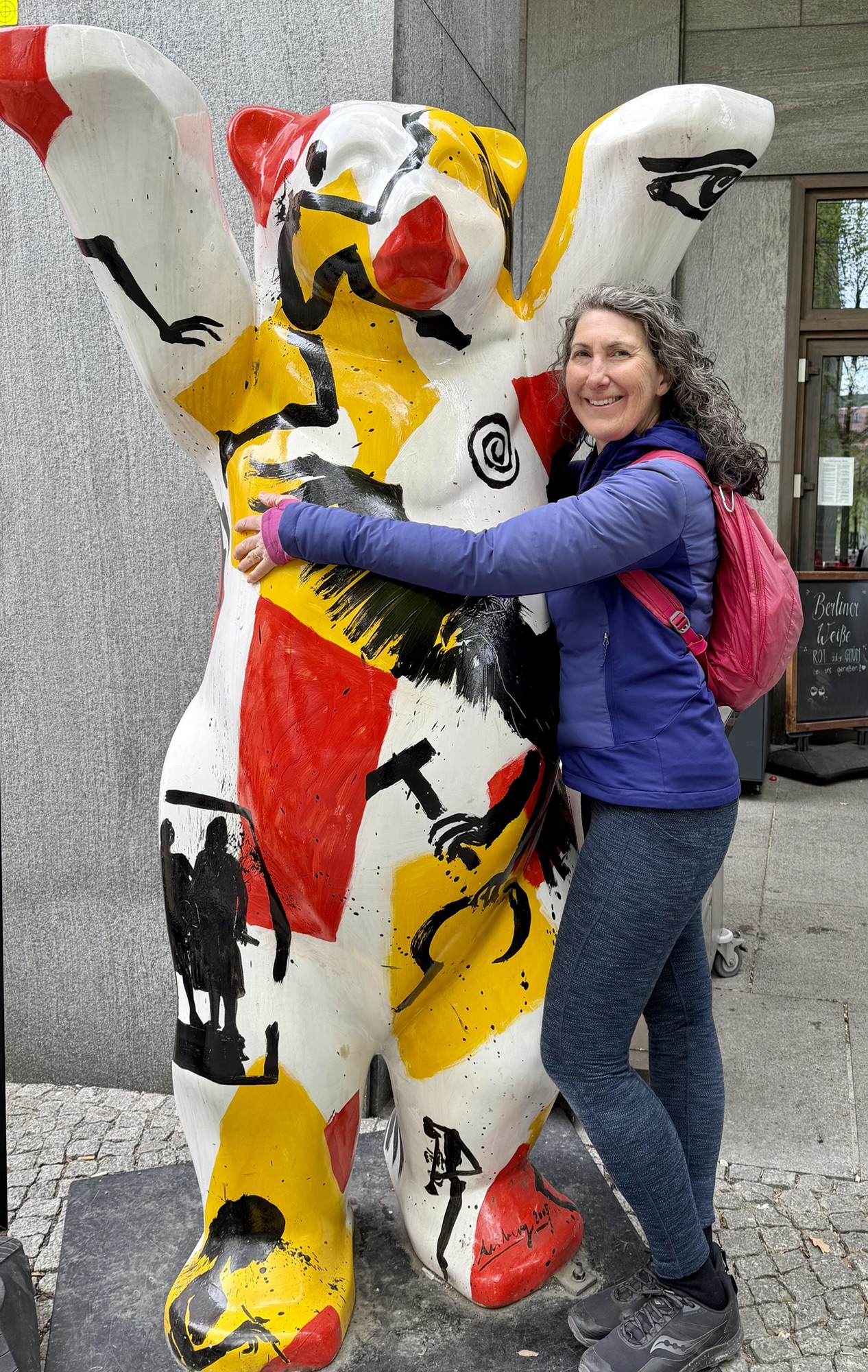
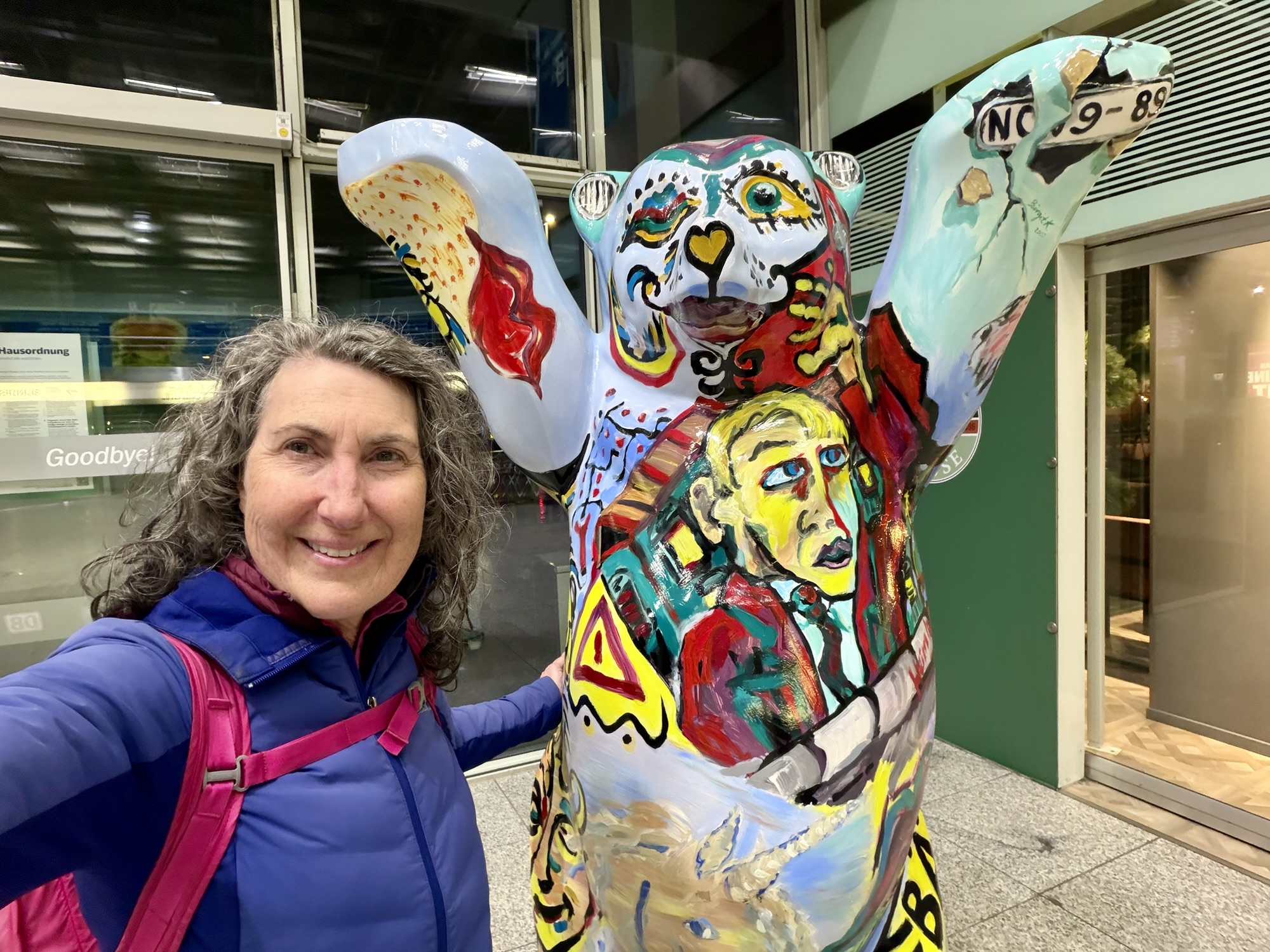
We saw these bears all over Berlin. They are called Buddy Bear Berlin. “The Buddy Bears are ambassadors of a cosmopolitan Berlin and promote peace intolerance around the globe”. The largest number of these bears are in Berlin, but there are almost 700 worldwide including one in Toronto at the German consulate.
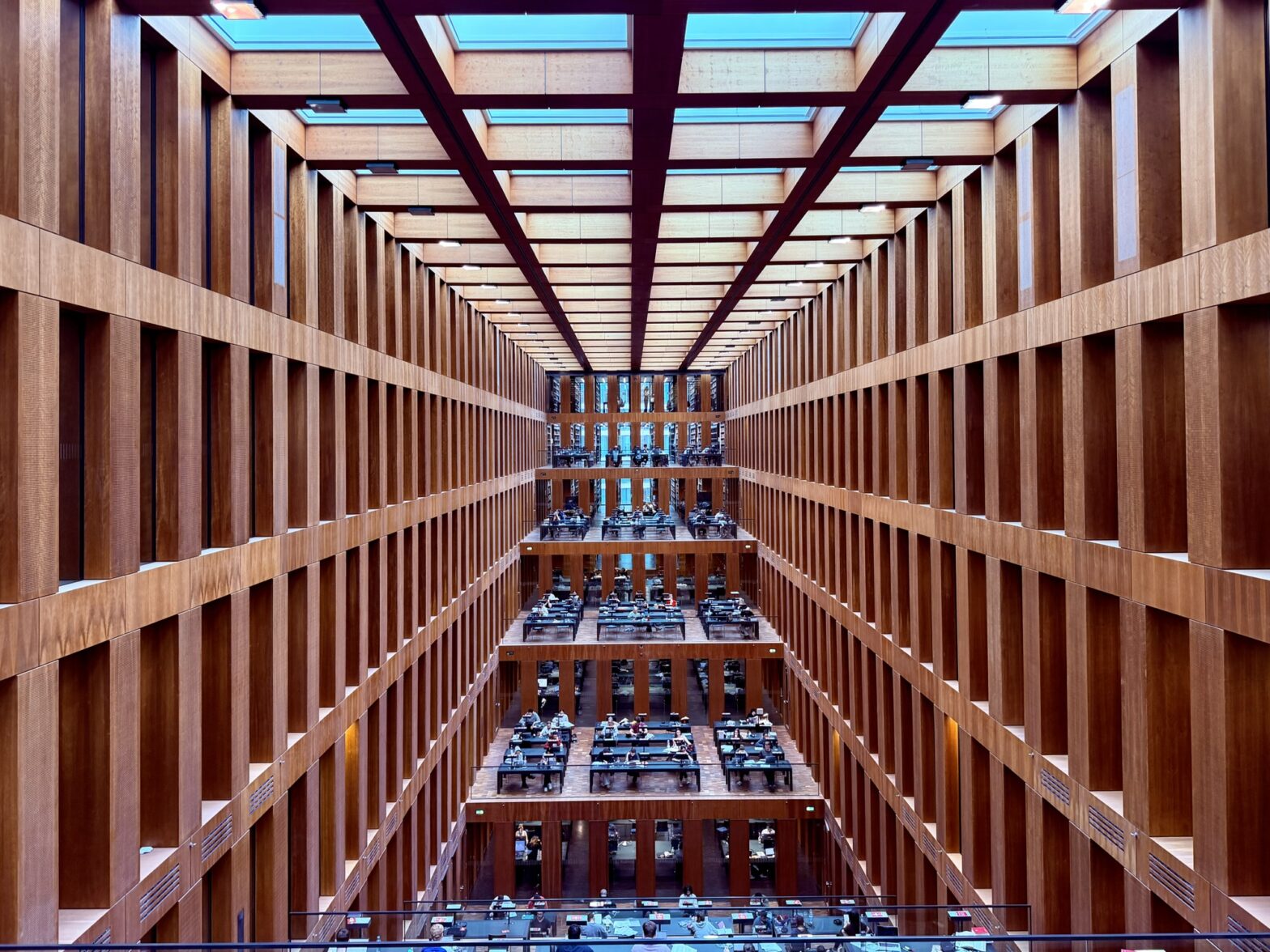
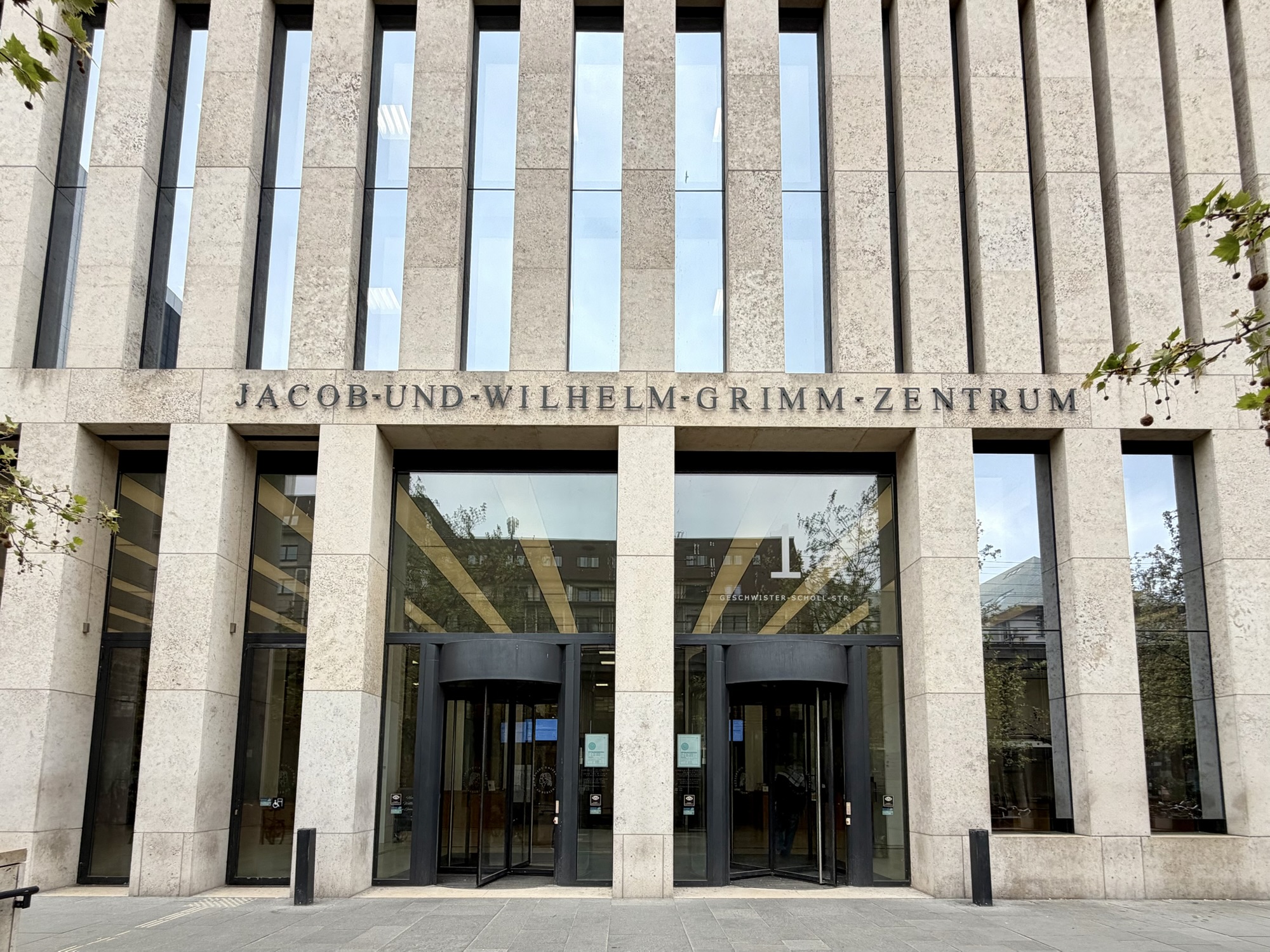
Our next stop was back to Humboldt University to visit the central library – the Jacob-und-Wilhelm-Grimm-Zentrum. The building was quite plain on the outside. It is named after the Brothers Grimm, best known for publishing Grimm’s Fairy Tales which compiled folklore that popularized classics like Cinderella, Snow, White, and Rapunzel.
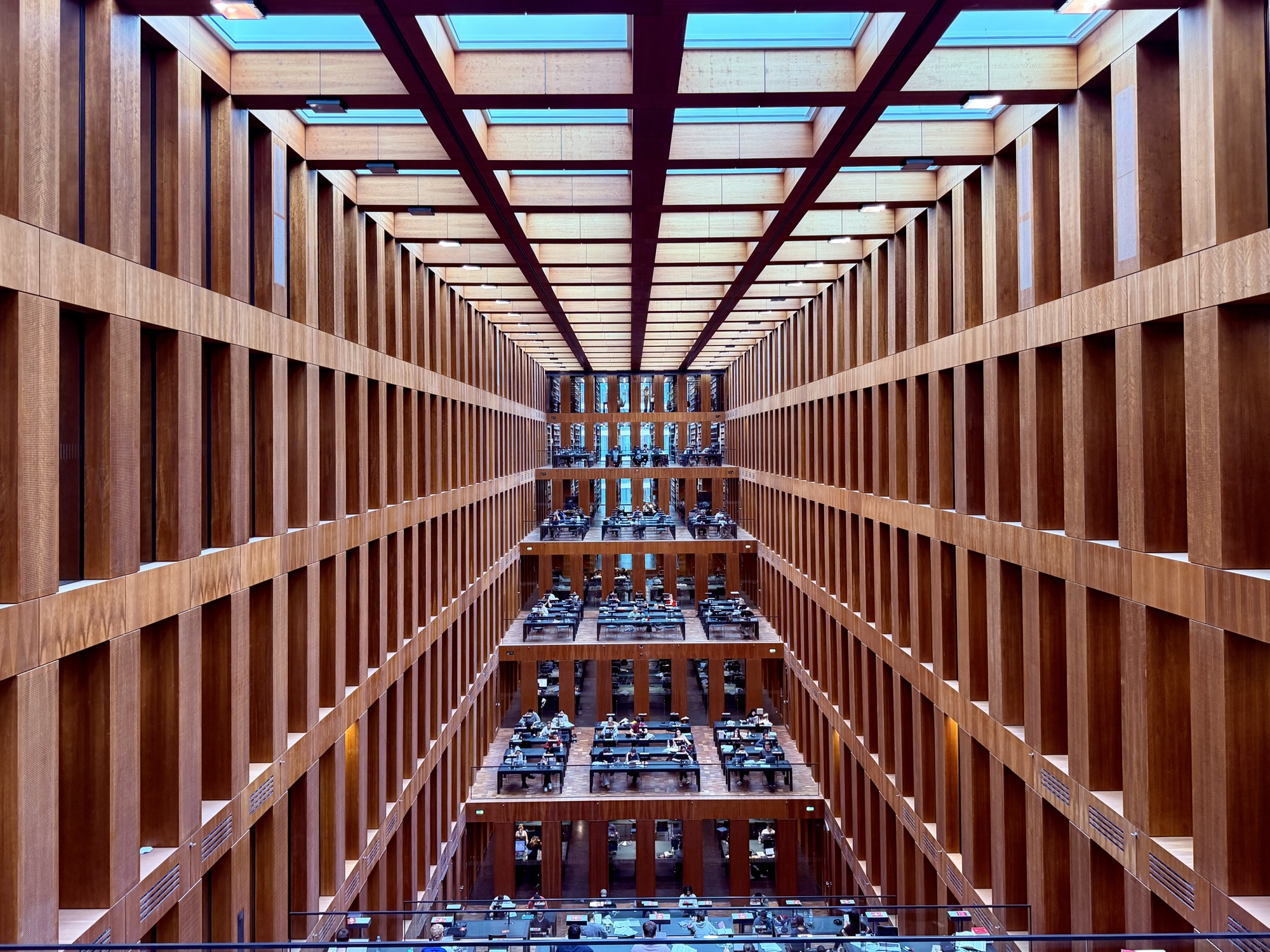
The study room in the centre of the book stacks was absolutely stunning and silent, despite the number of people using the room.
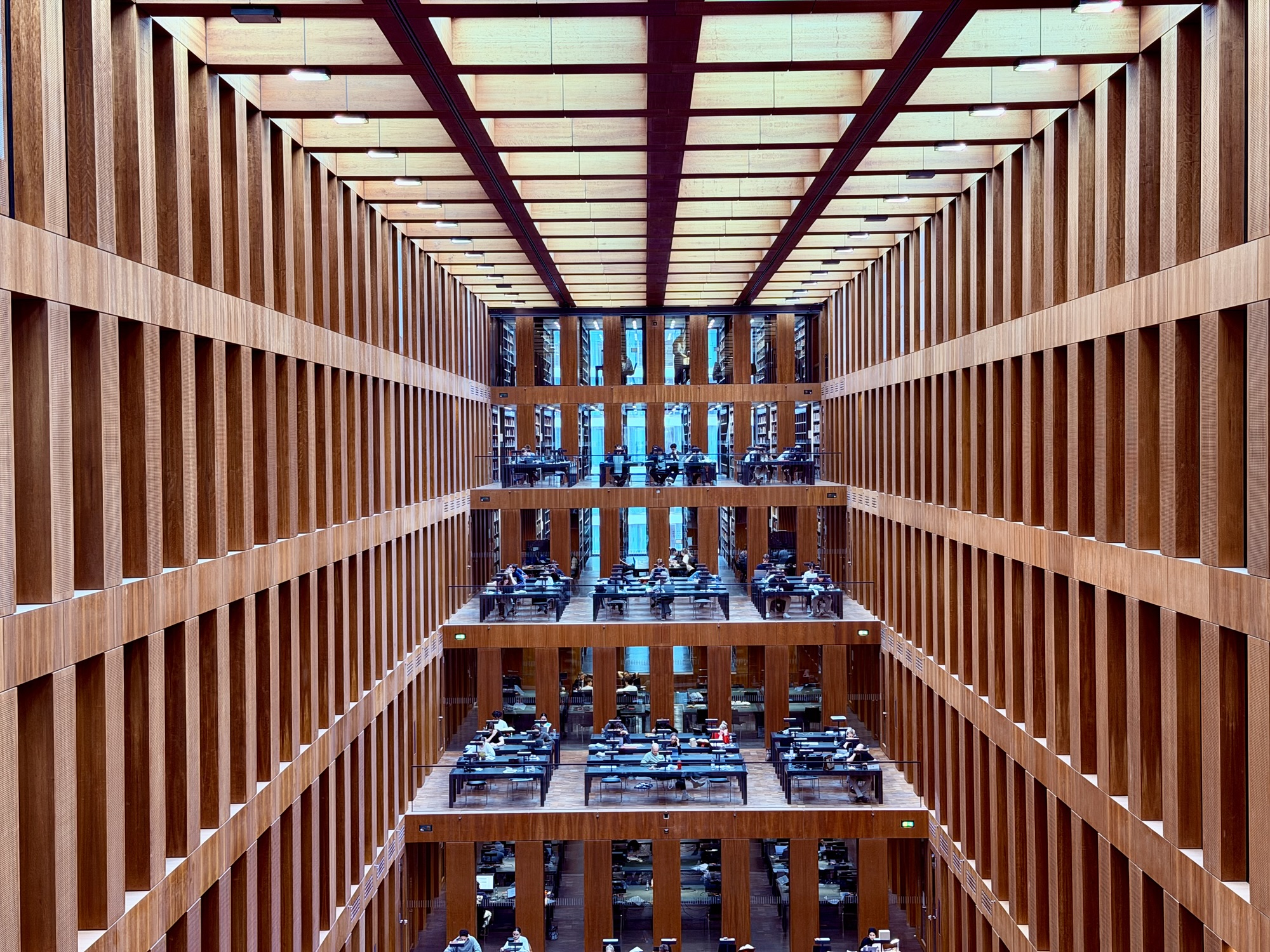
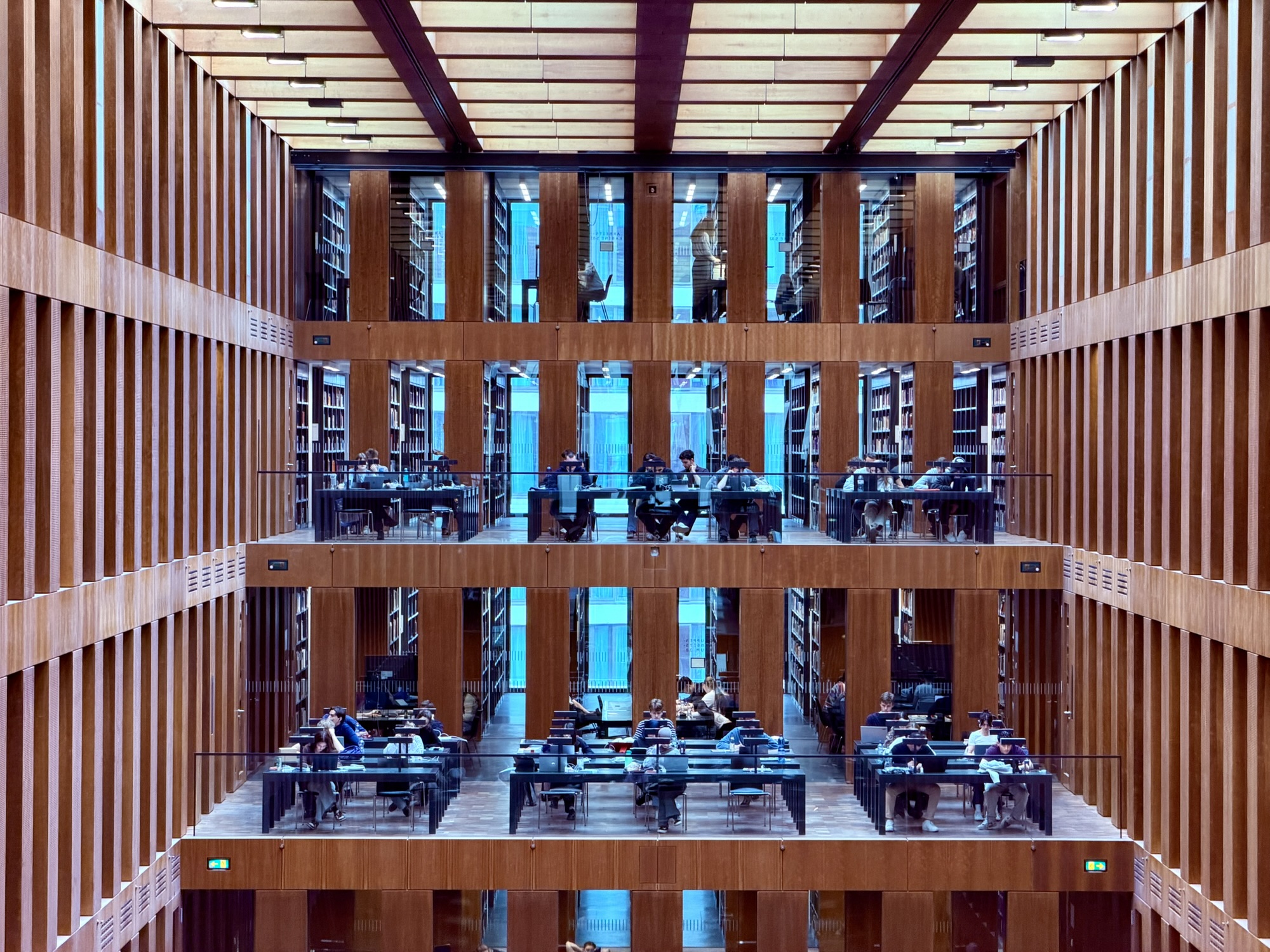
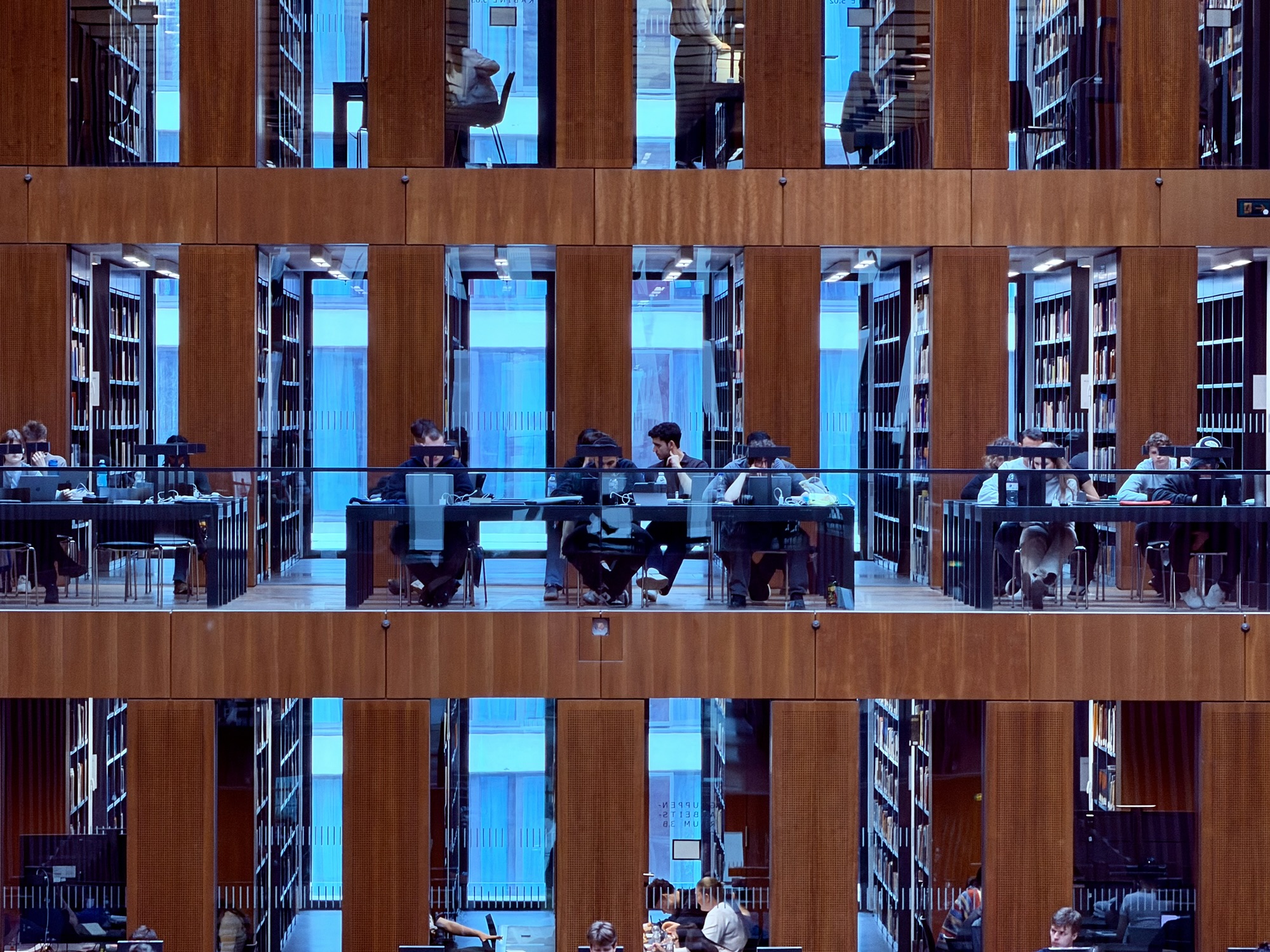
From there, we cycled back across Museum Island, again on a road with very little motor vehicle traffic.
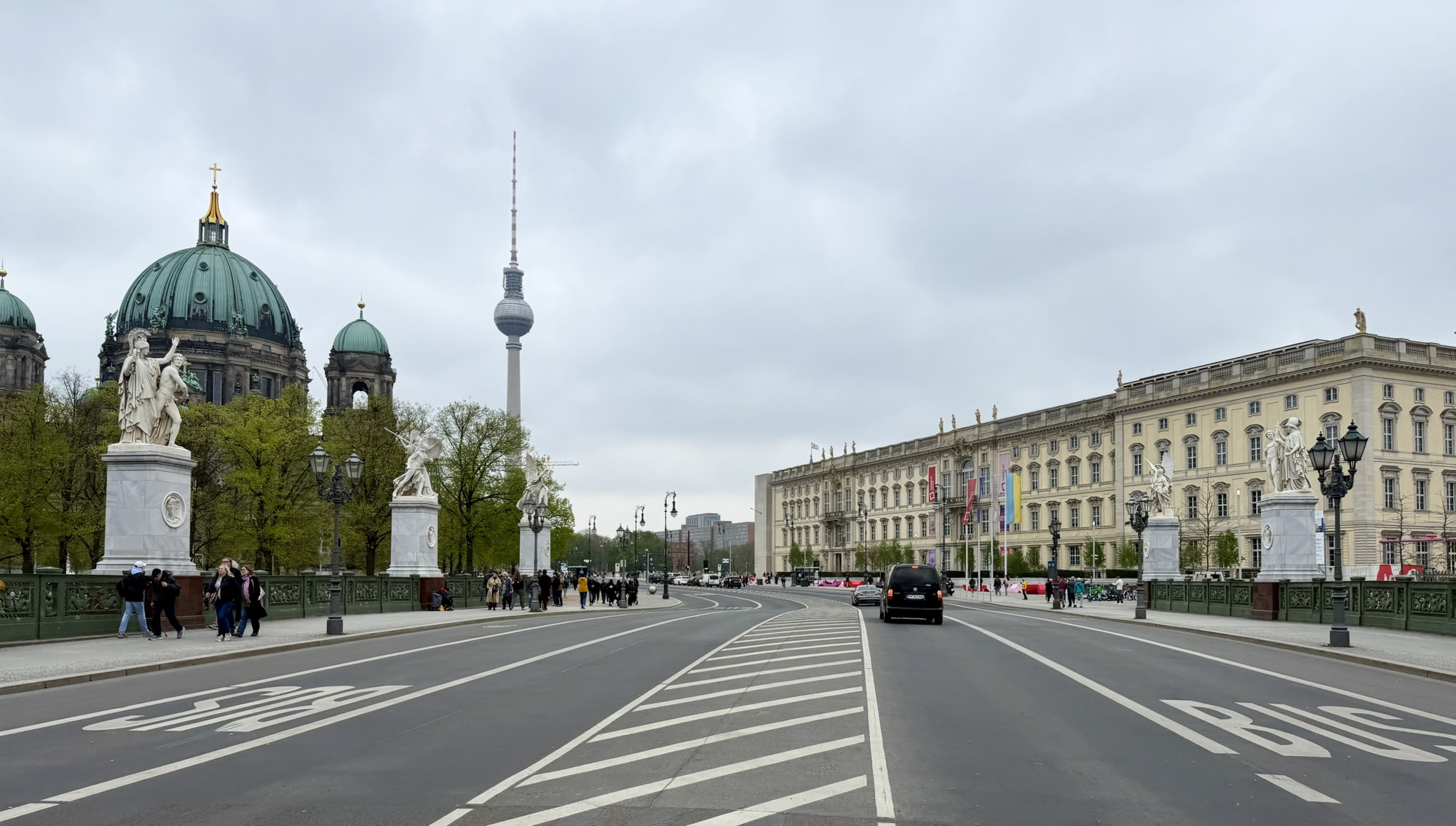
This was the first time I noticed streetcars in the three days we have been here.
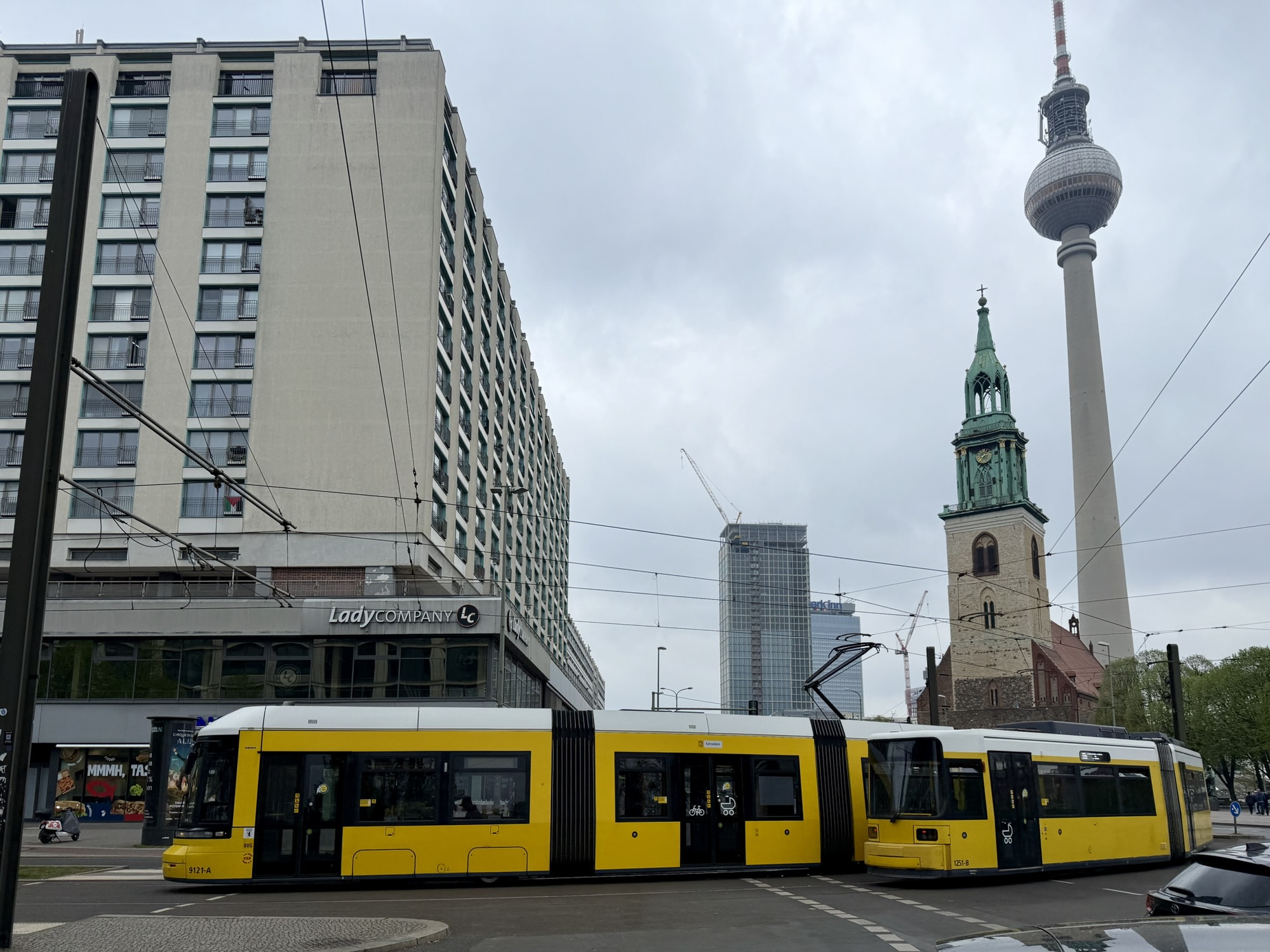
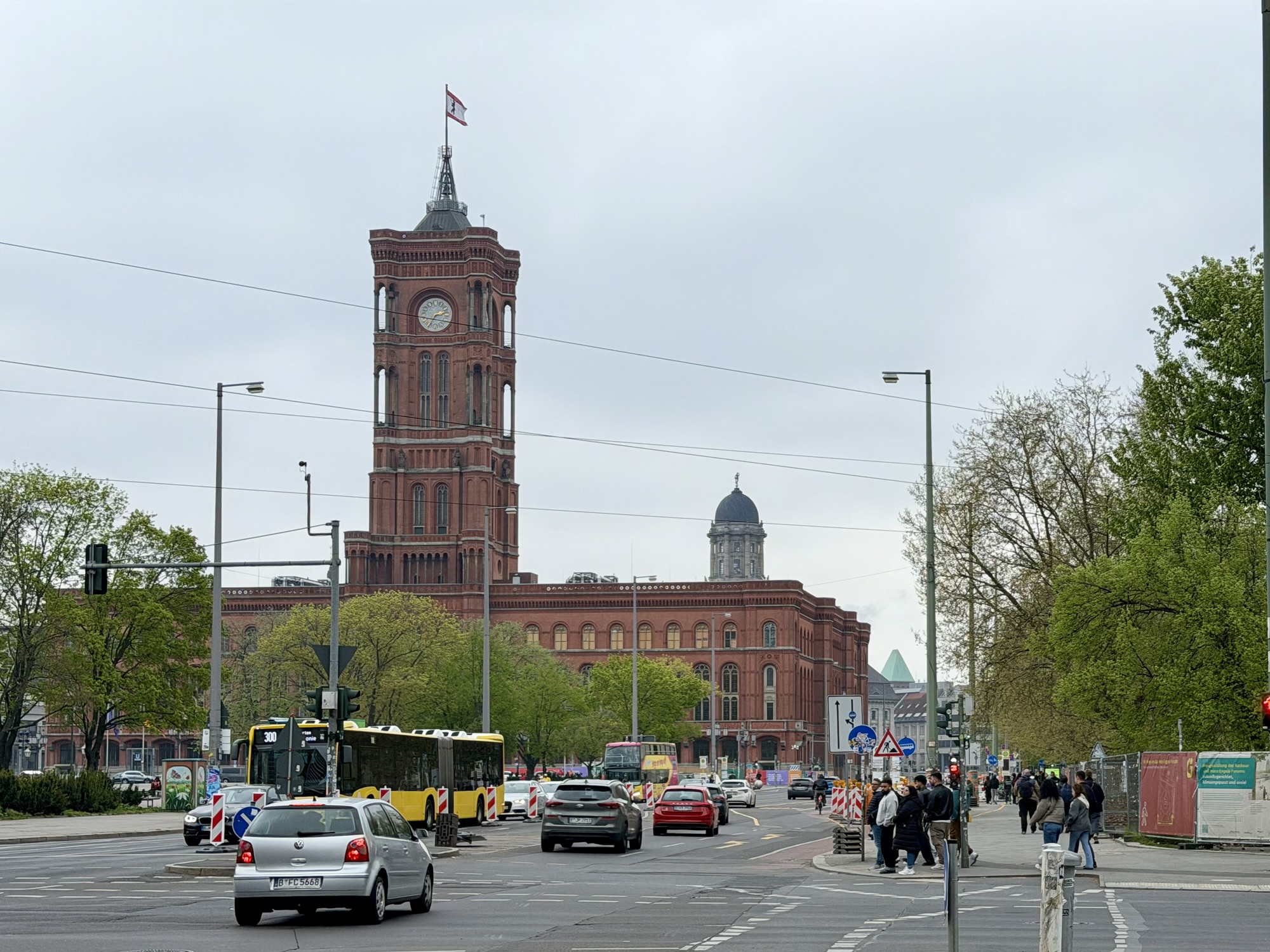
We passed Red City Hall, the seat of the Berlin municipal government, which was built between 1861 and 1869. It was heavily damaged by alleged bombing in World War II, but was rebuilt to the original plans between 1951 and 1956. During the Cold War, it was located in East Berlin and the moniker red referred not only to the brick color, but was used figuratively to designate the socialist government of East Berlin.
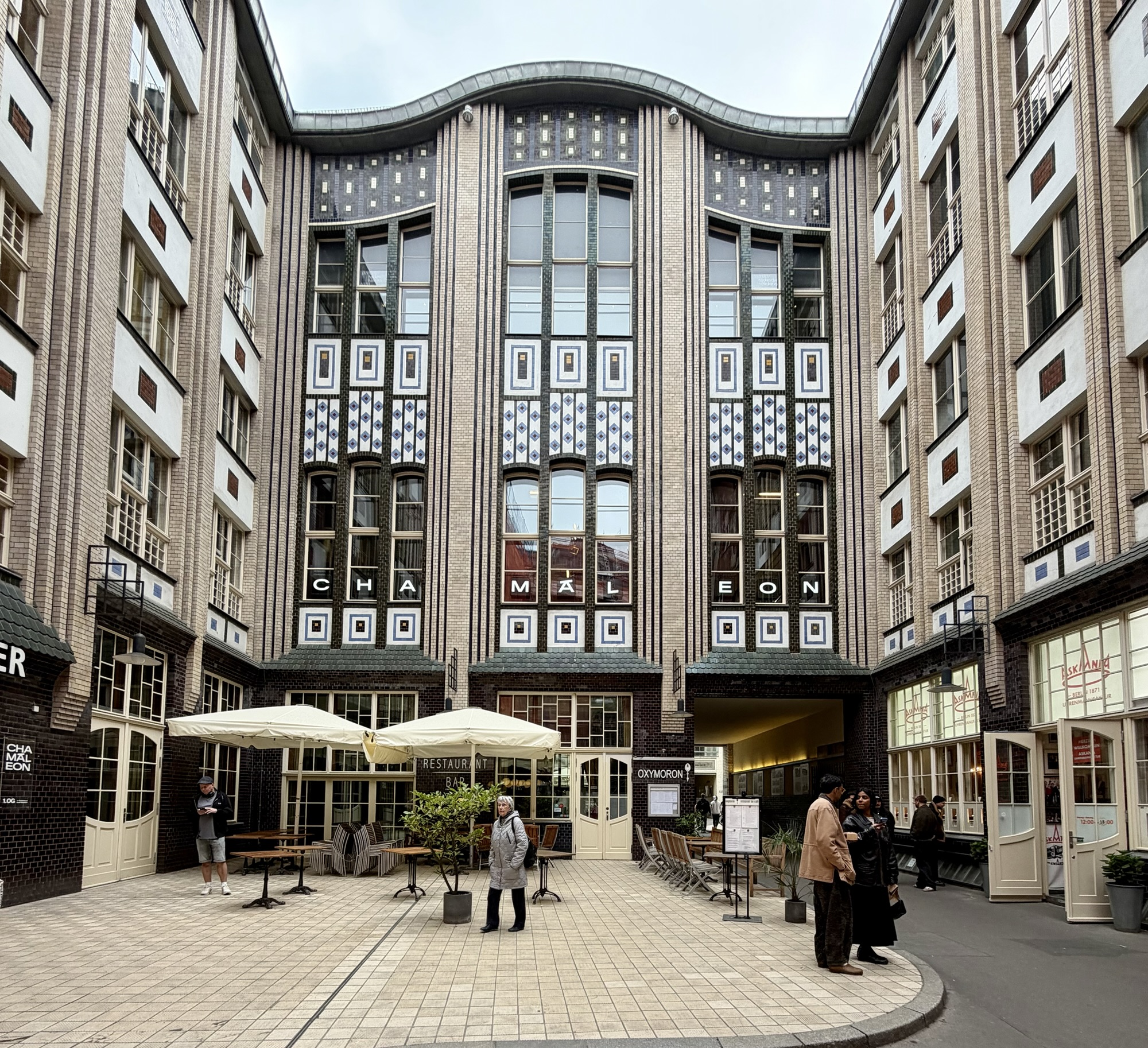
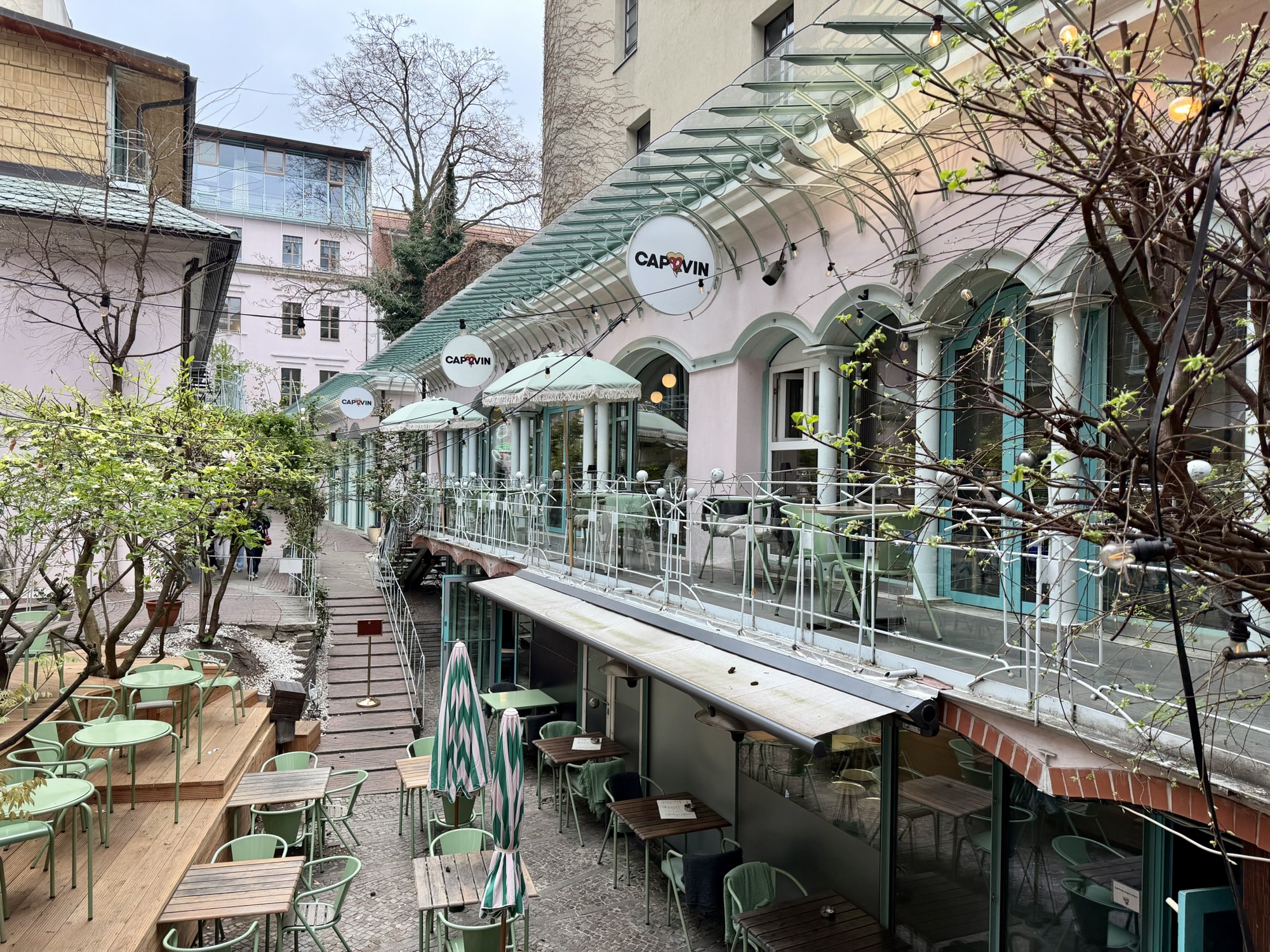
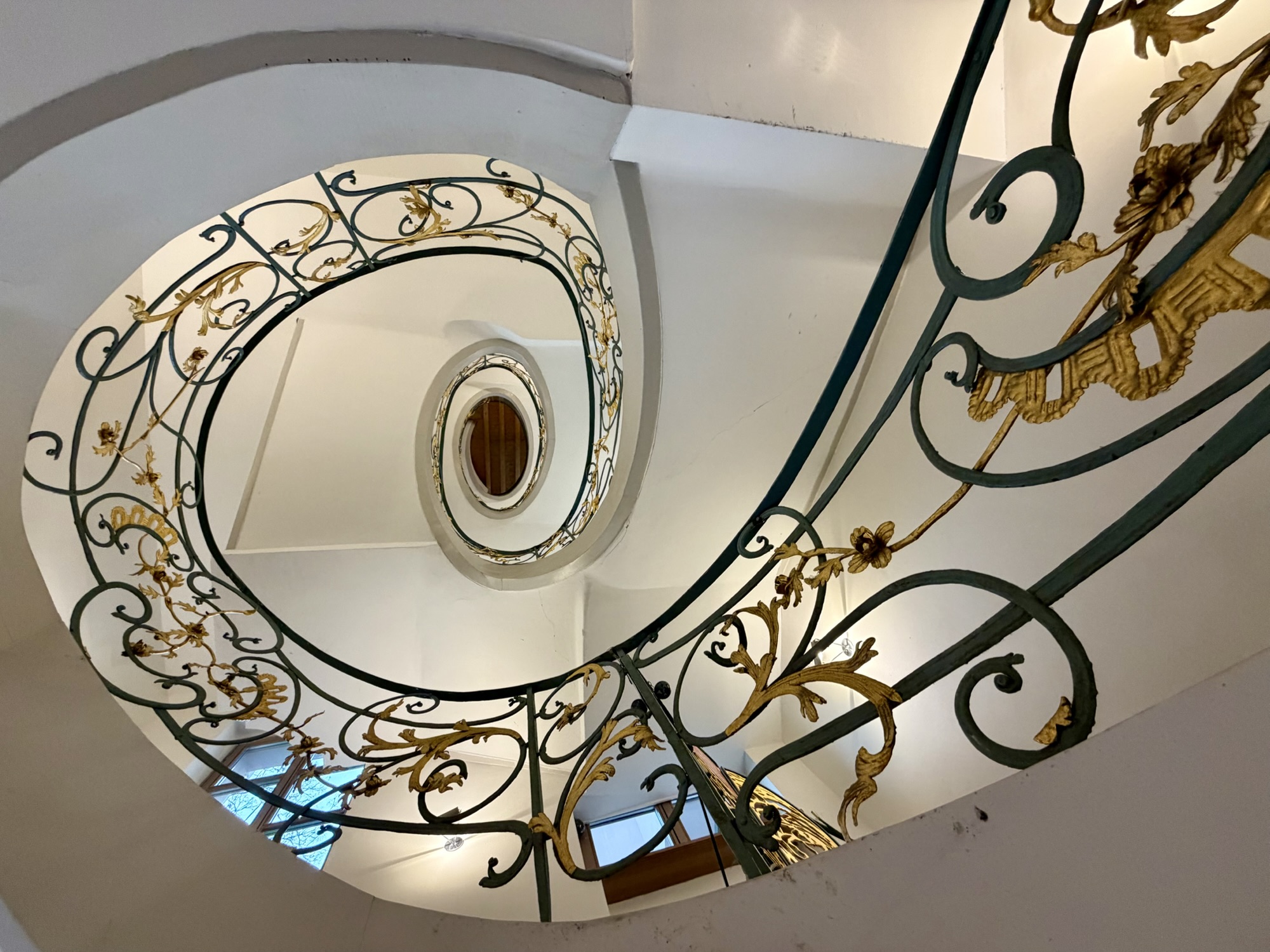
Our destination was The Hackesche Höfe, courtyard complex adjacent to the Hackesche Markt, and Hackesche Station in central Berlin. It consists of an interconnected courtyards. It was designed in the Art Nouveau style and was started in 1906. There are residential and retail spaces.
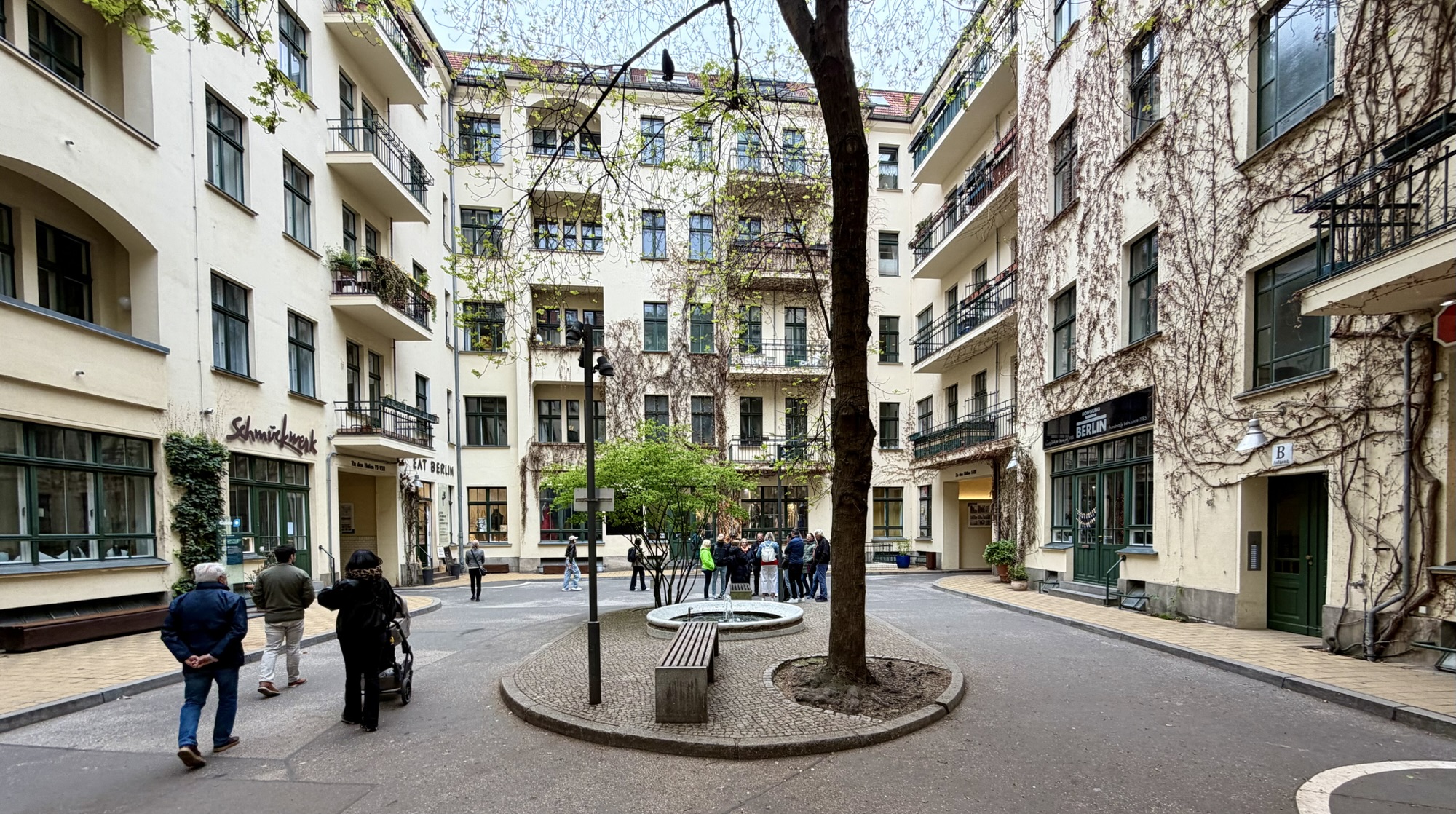
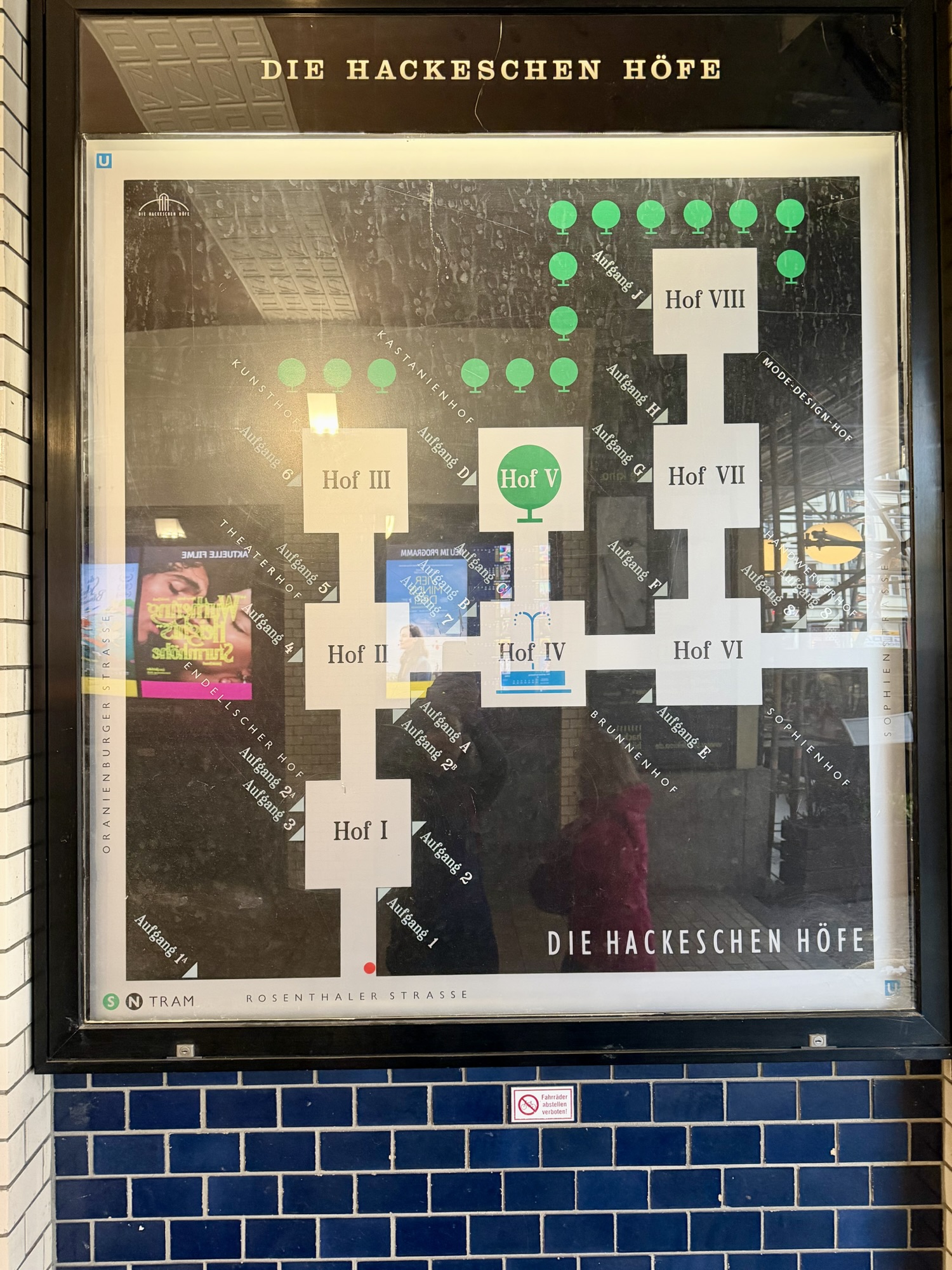
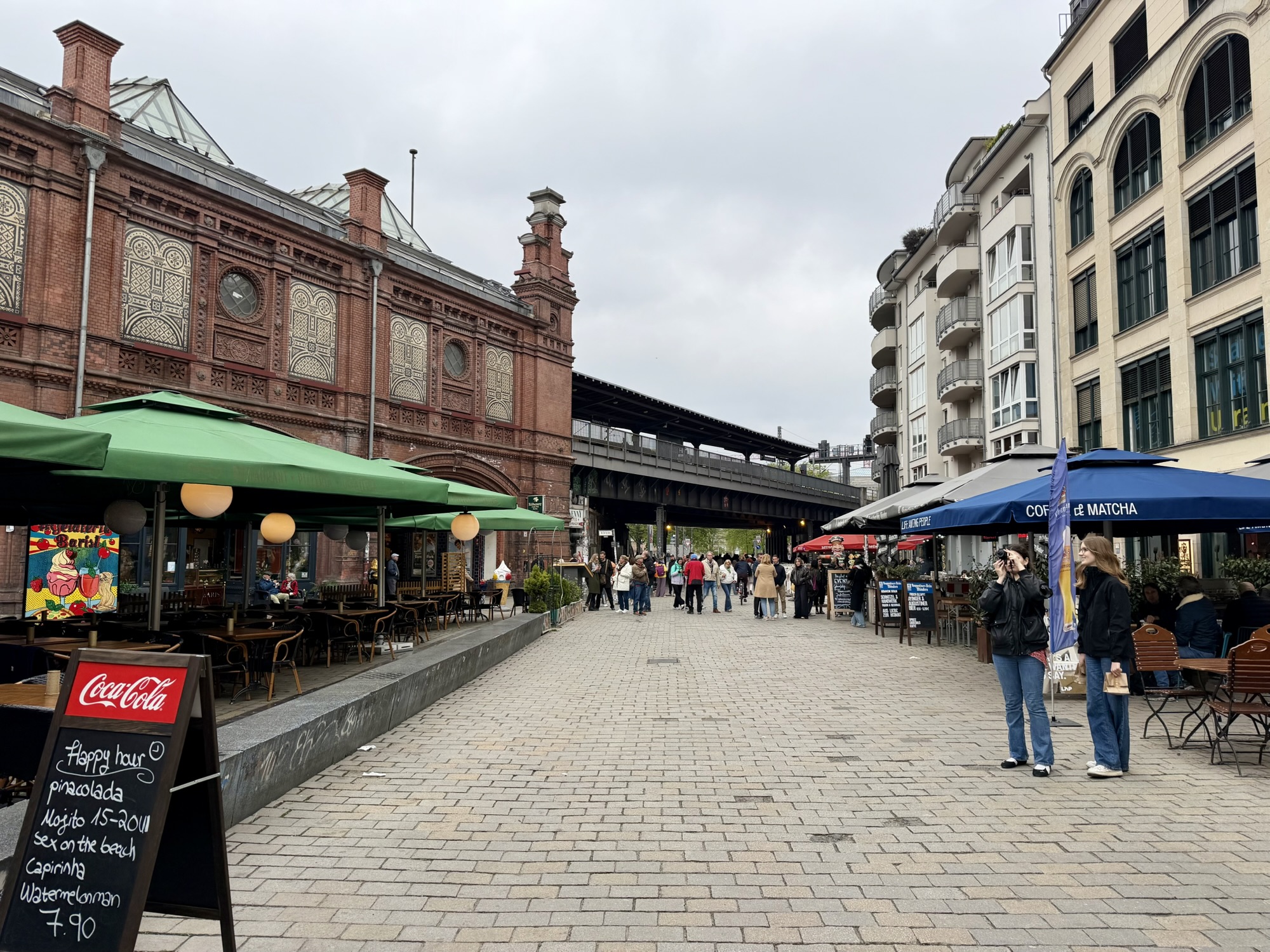
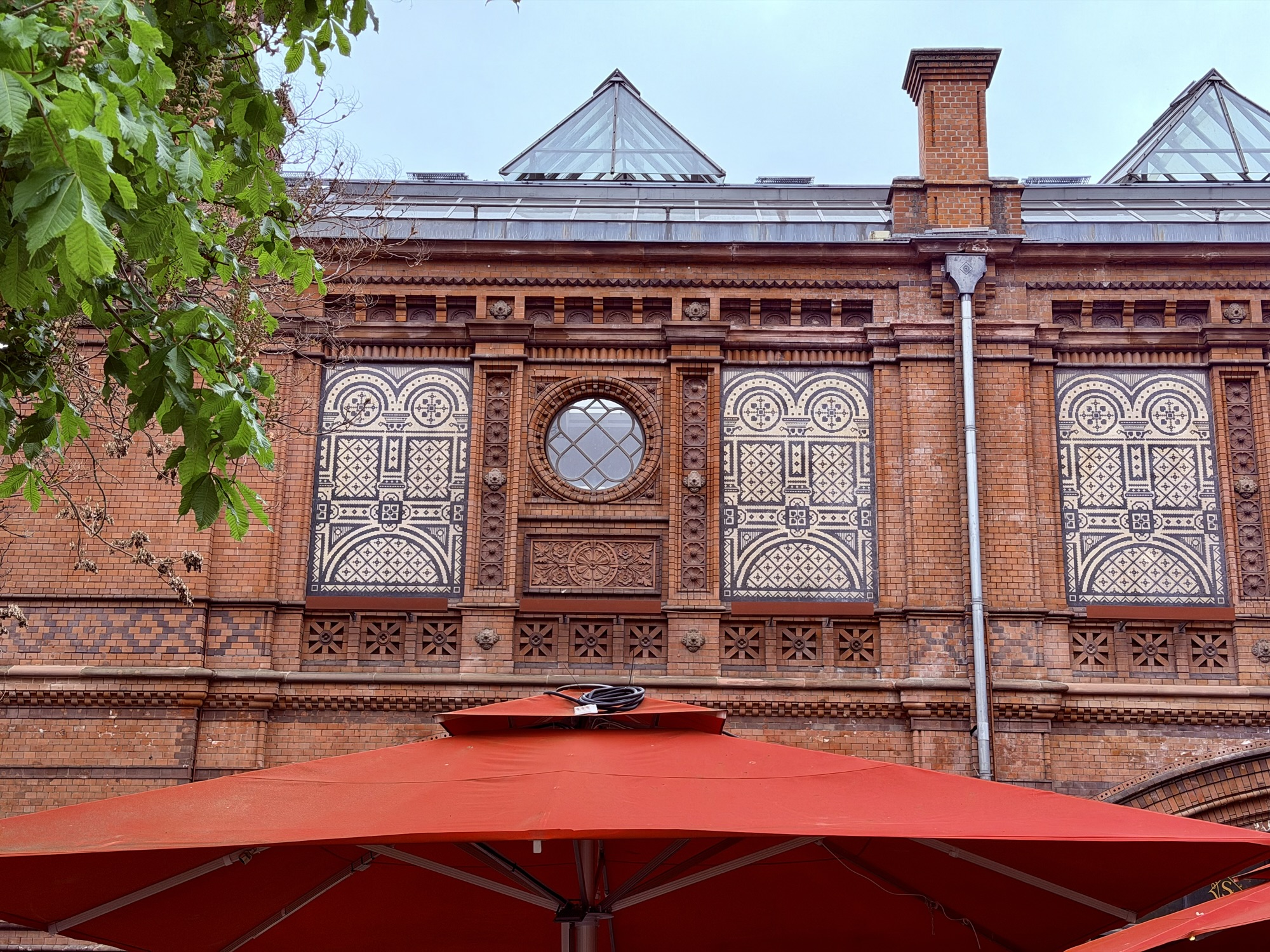
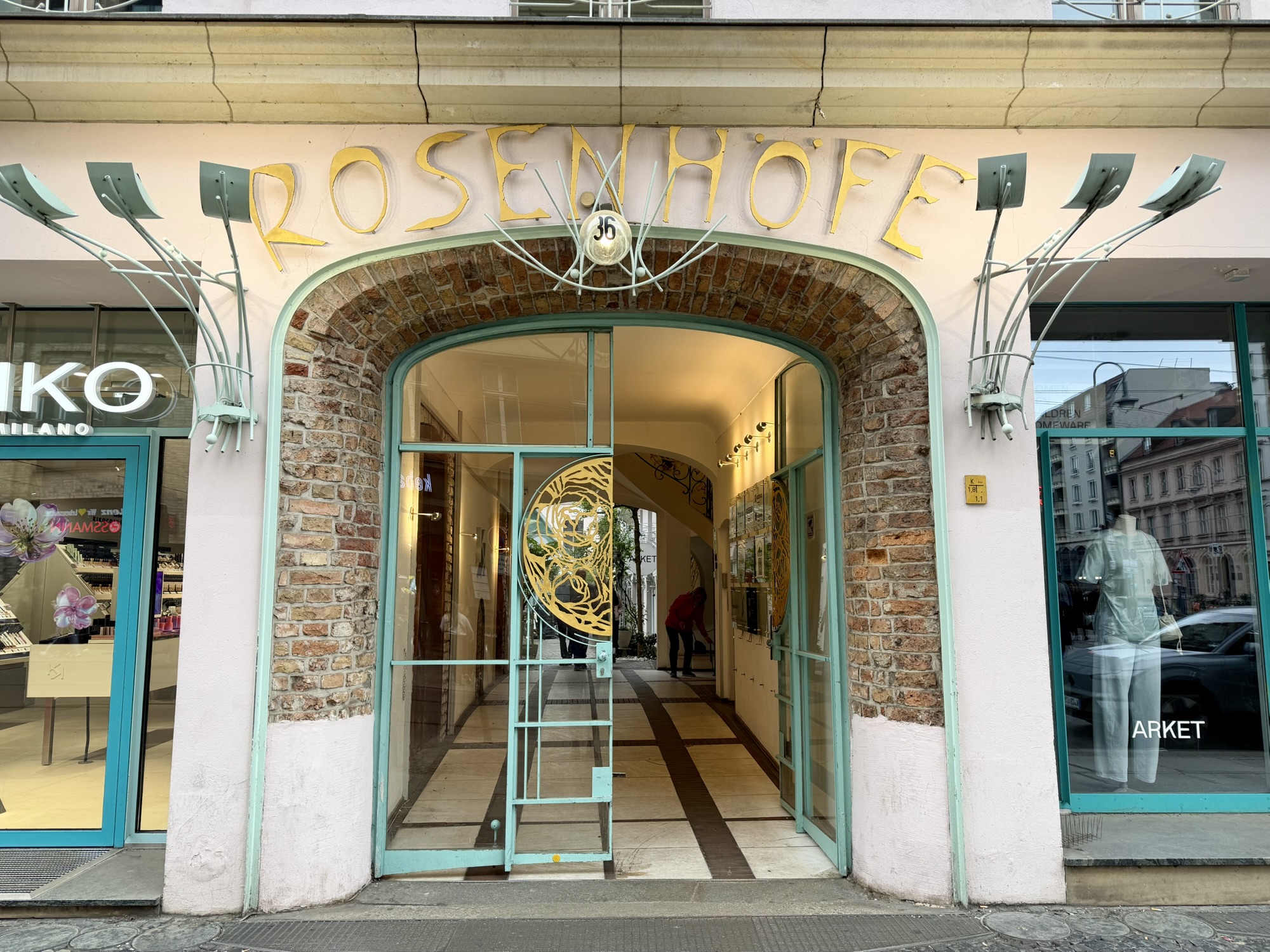
Adjacent to it is a smaller courtyard complex called Rosenhöfe. Both courtyard complexes are quite charming.
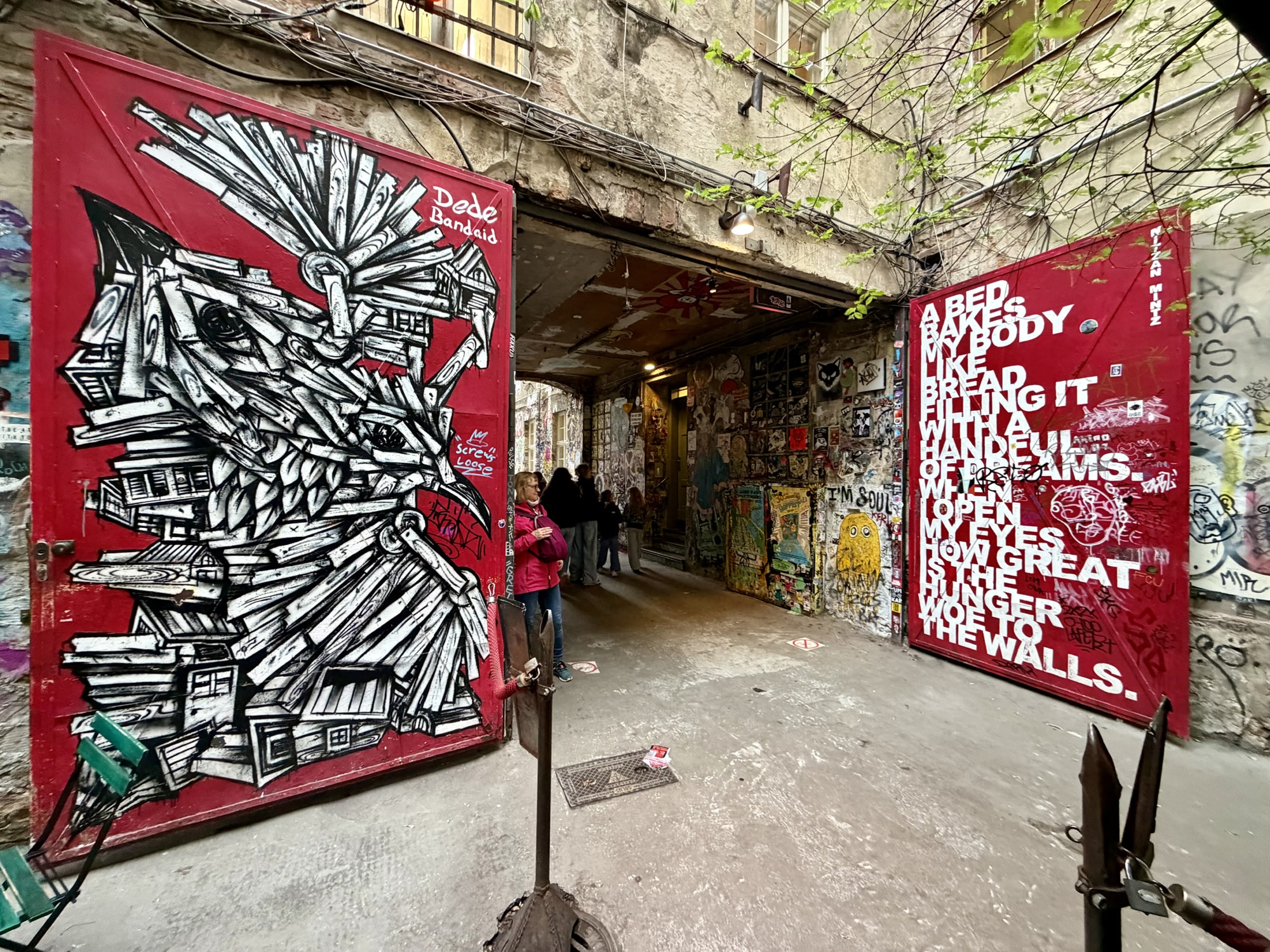
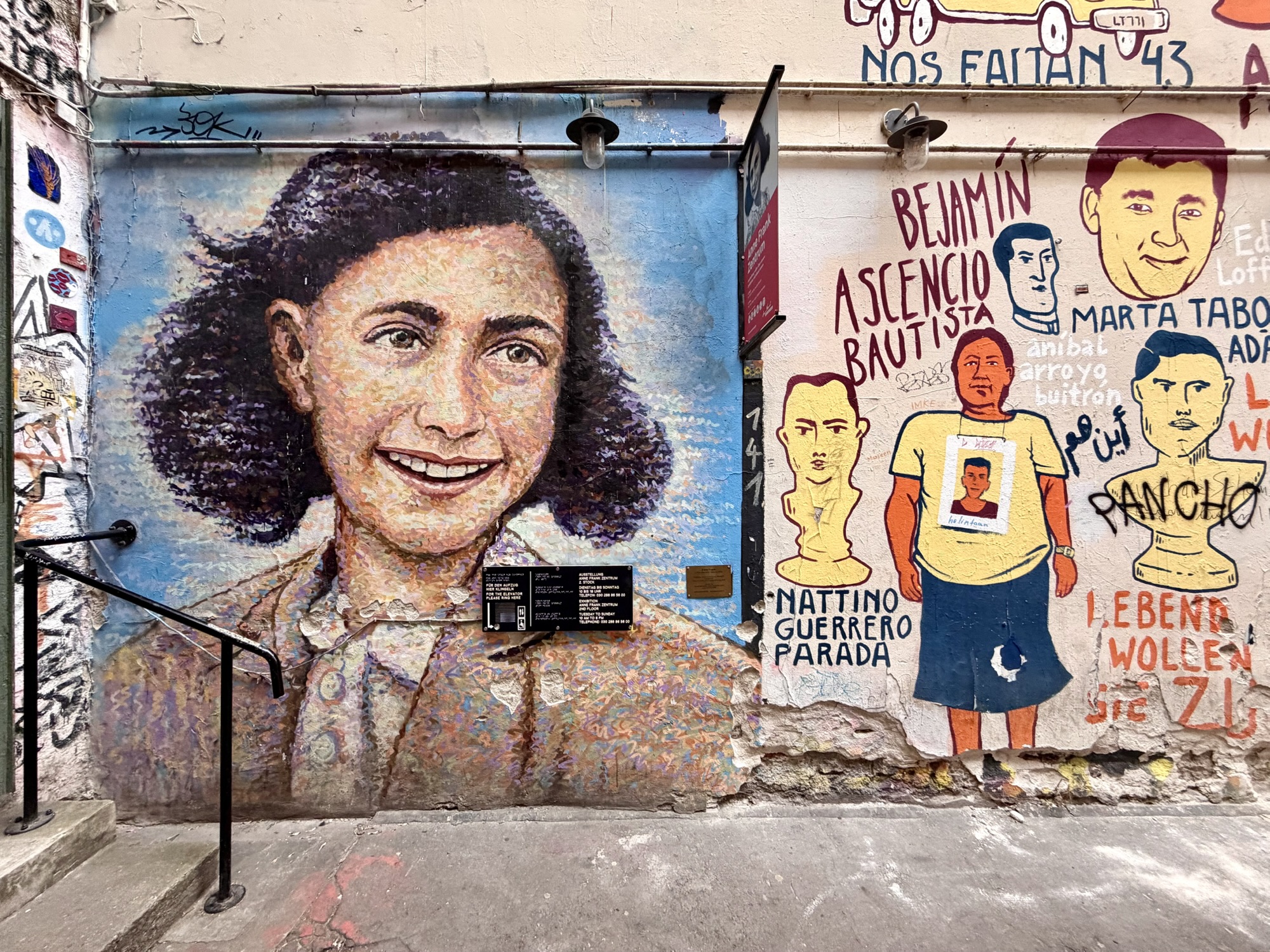
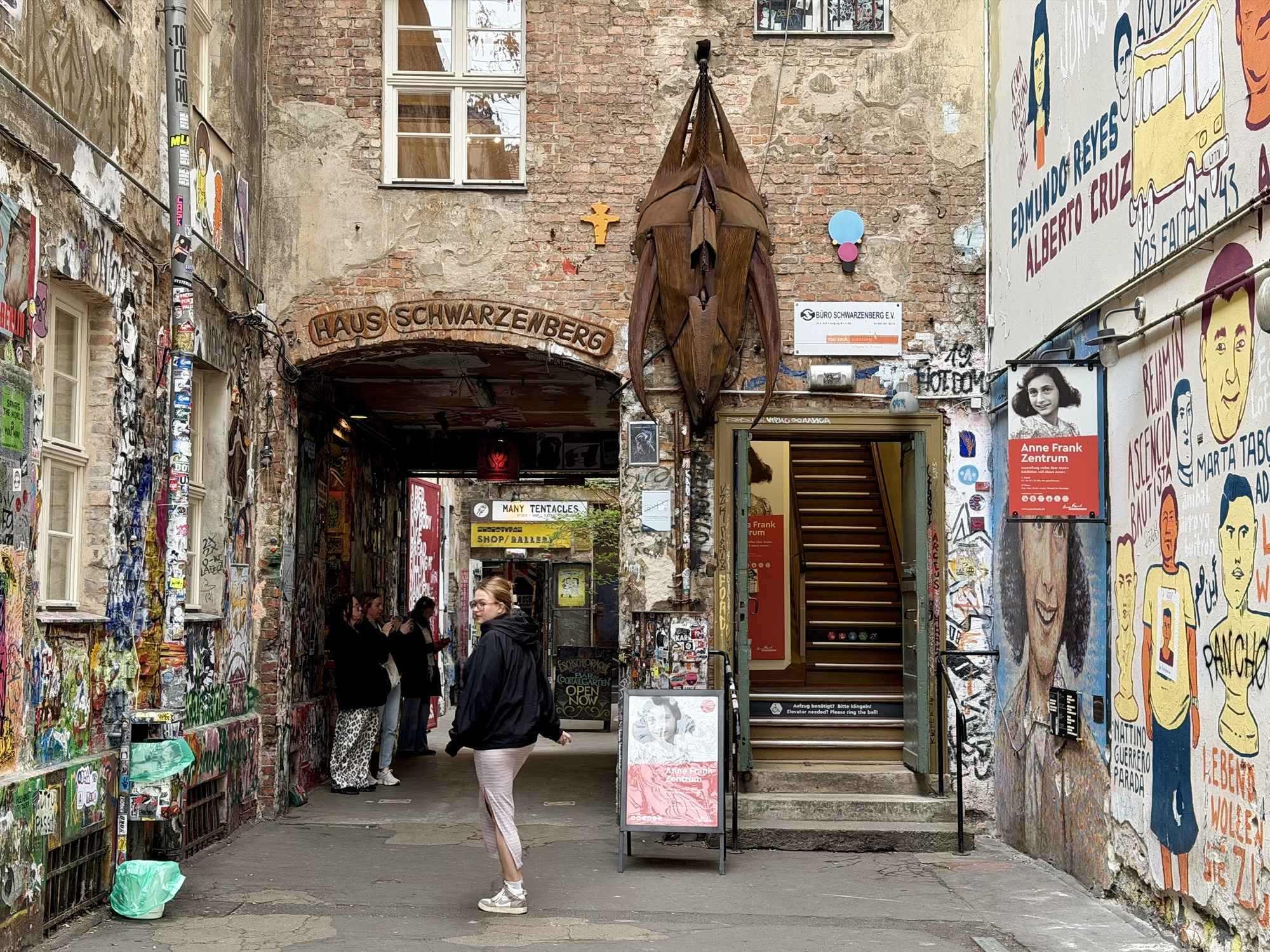
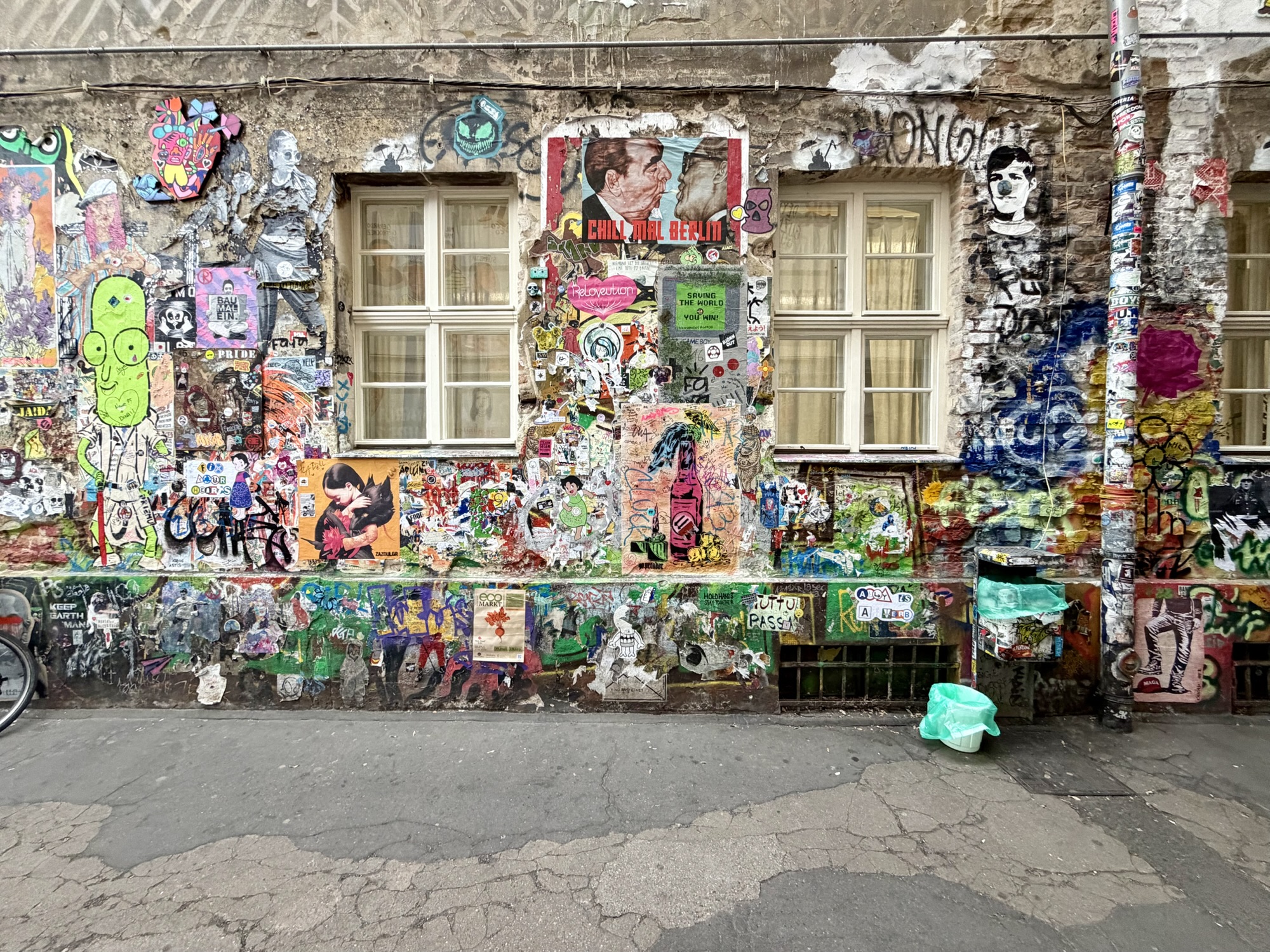
Haus Schwarzenberg is in the same area, but has a very contrasting feel to the boutique shopping in the courtyard areas. It is a historic alternative, cultural courtyard. It function as an independent hub for street art, independent, galleries, offbeat, museums, and underground nightlife. It contains an educational center, which is a partner of the Anne Frank House in Amsterdam.
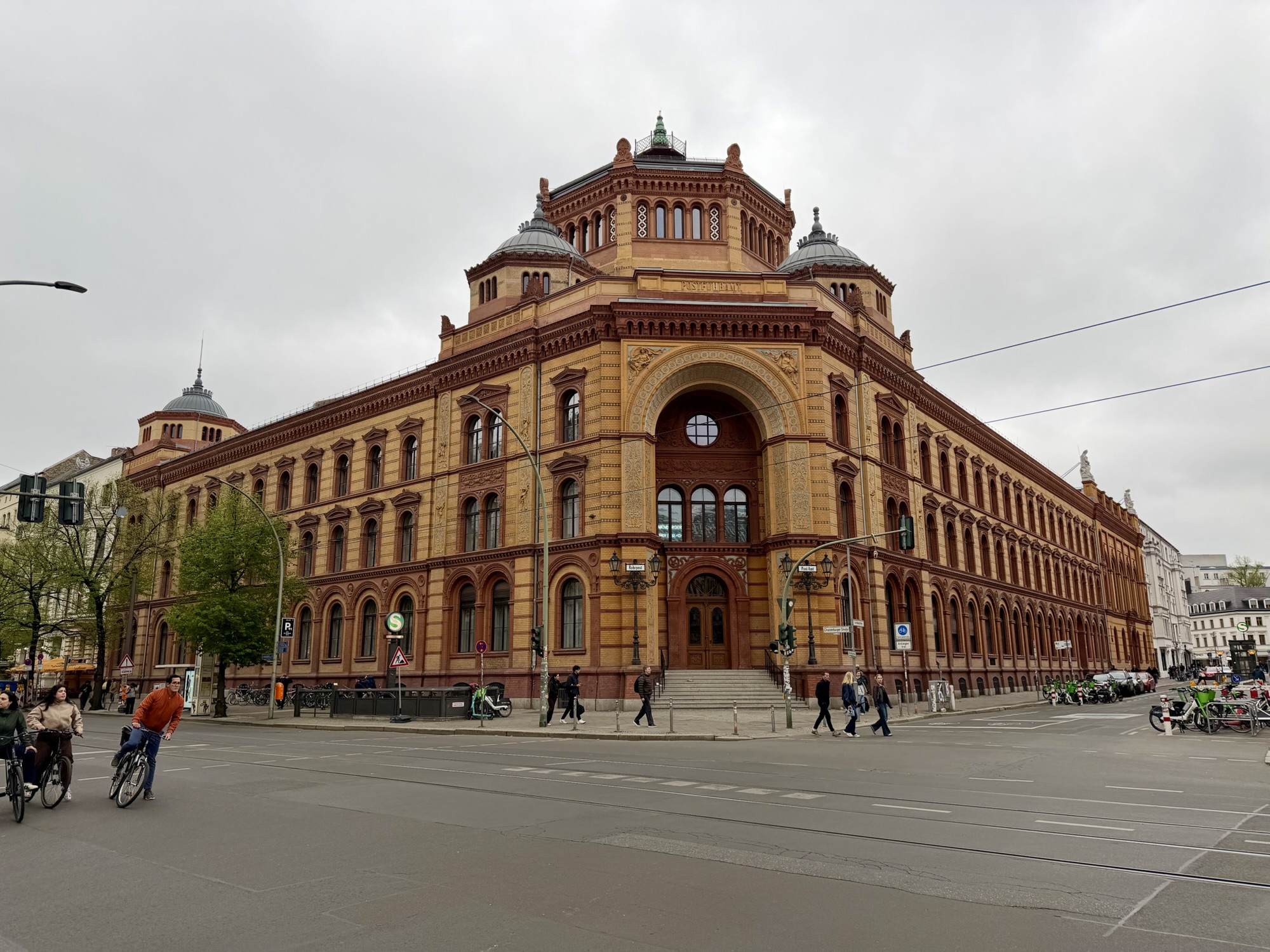
This post office building was built between 1875 and 1881. It was designed in the Italian Renaissance Revival Style. It was used for Postal Service purposes until 1995. It just now used as a conference and education center.
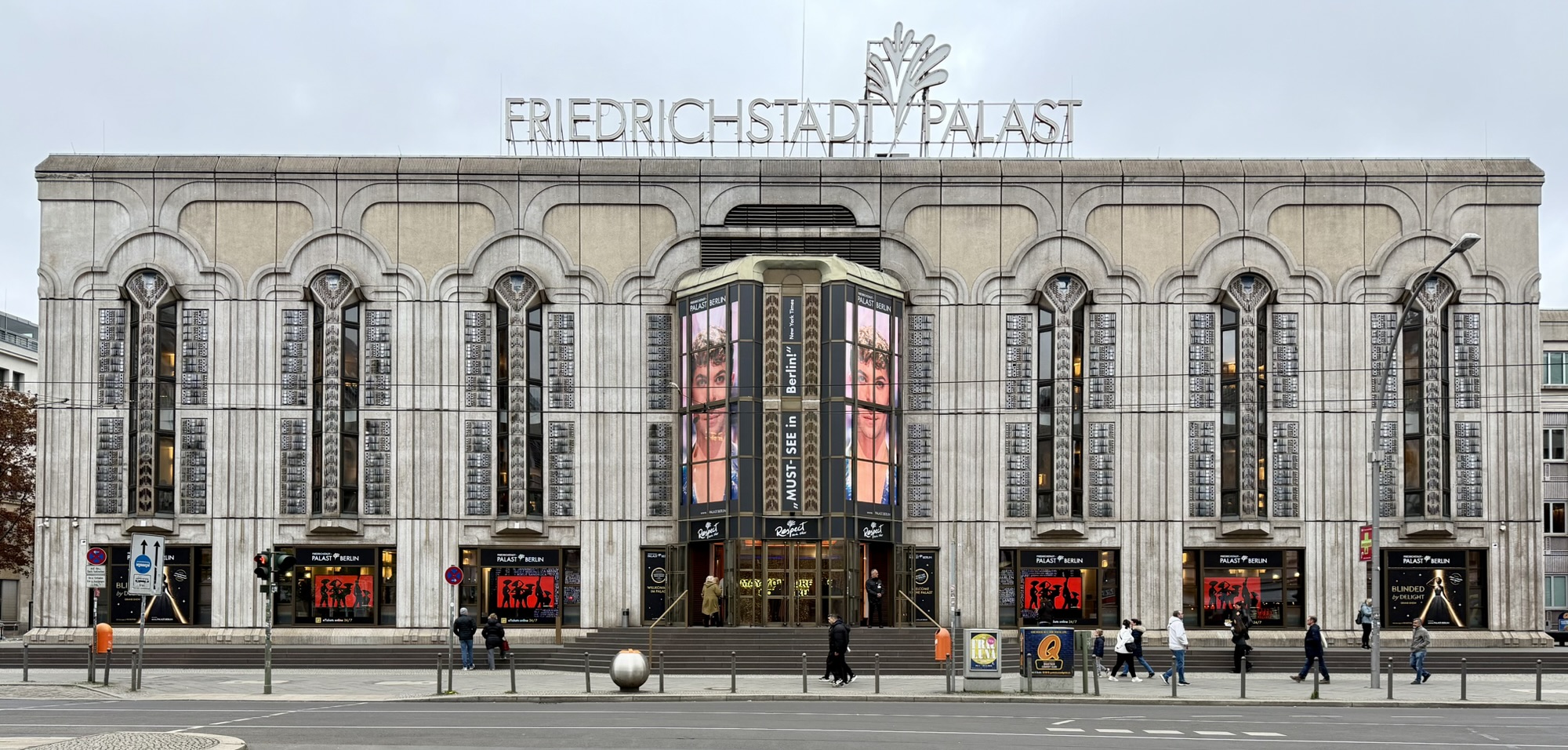
The Friedrichstadt-Palast is a revue theater. It was from 1965 to 1967. It was originally built as a market hall, but over the years has served down a circus arena, and theater. It has a seating capacity of 1895.
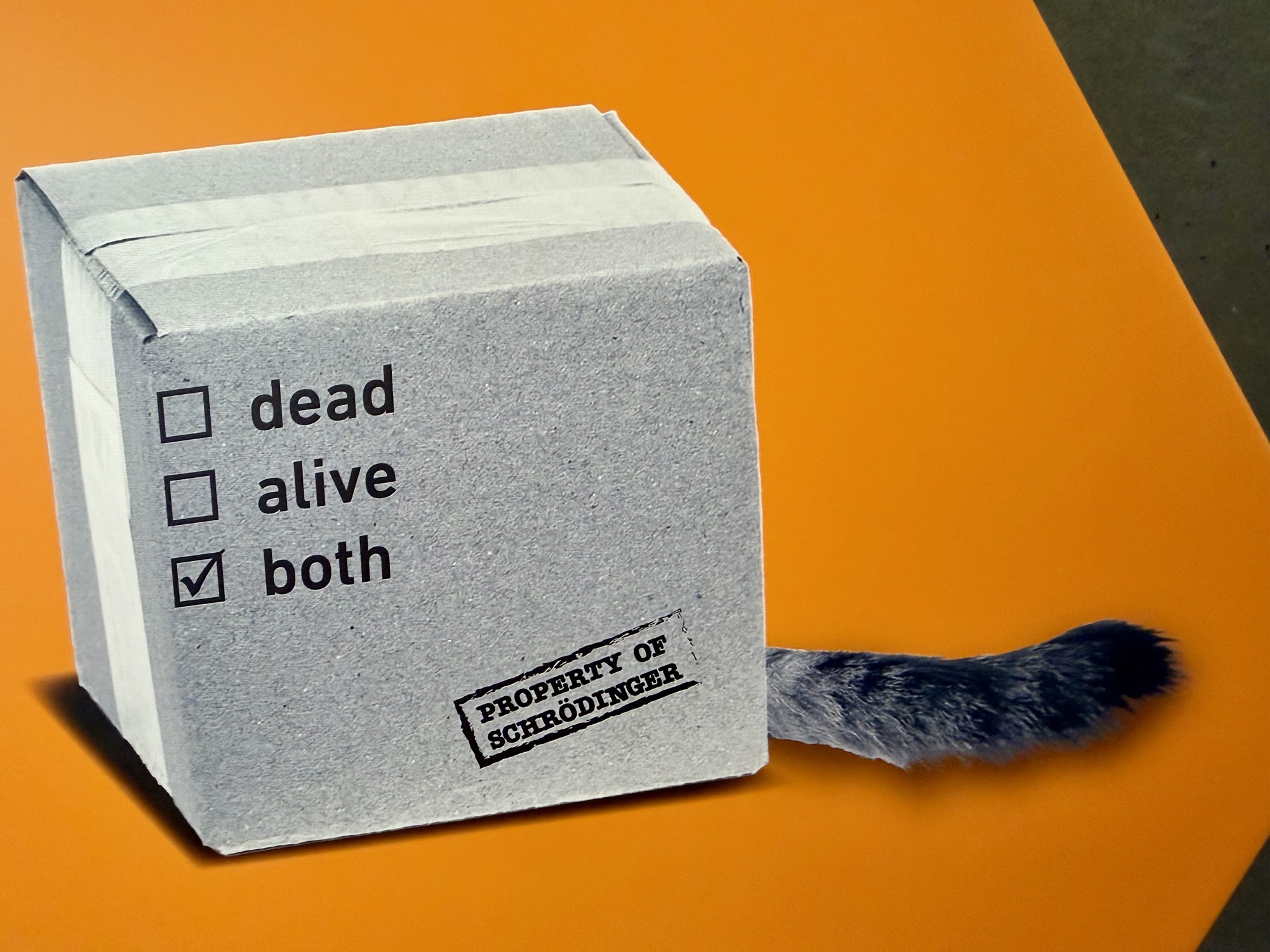
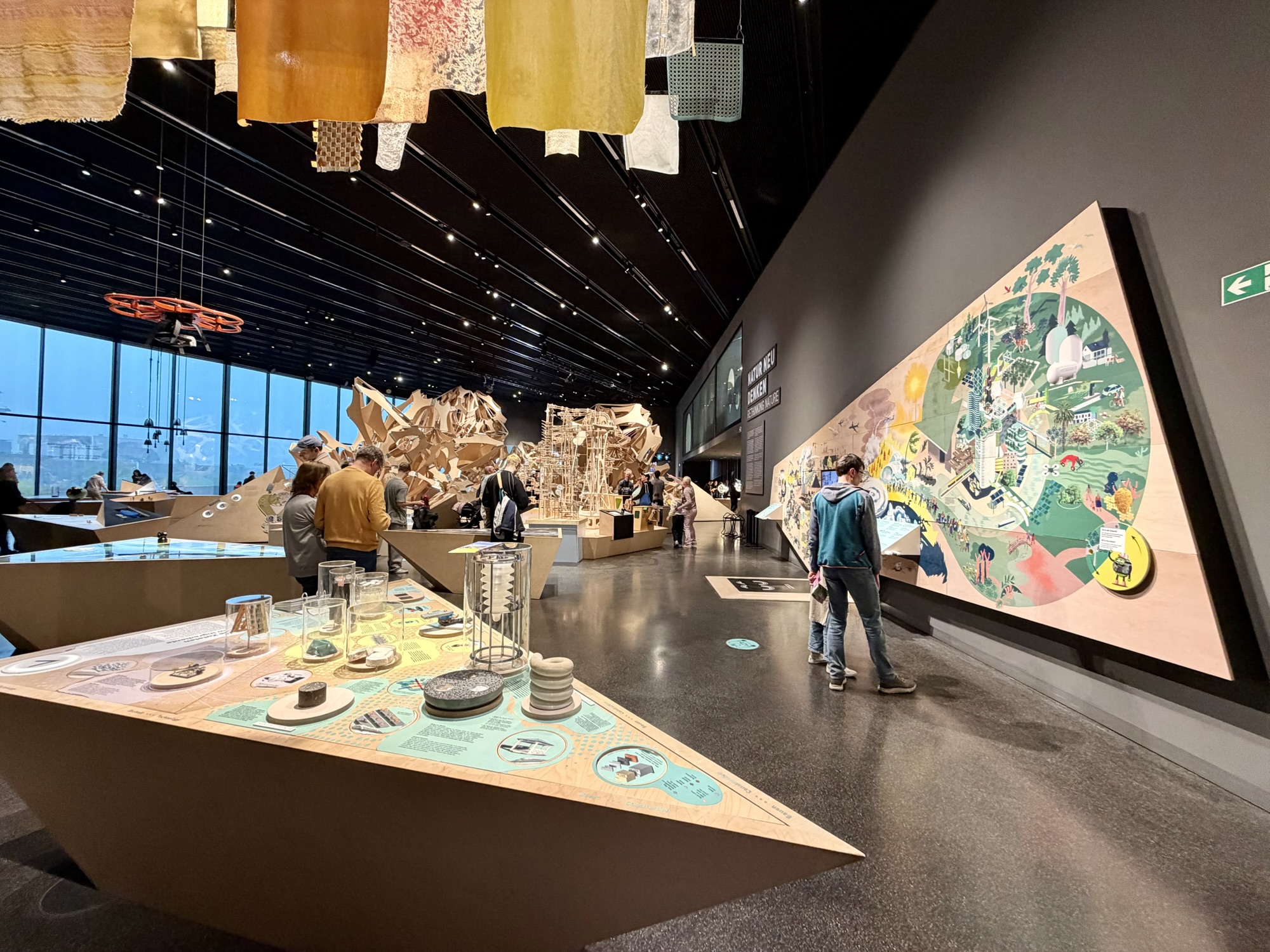
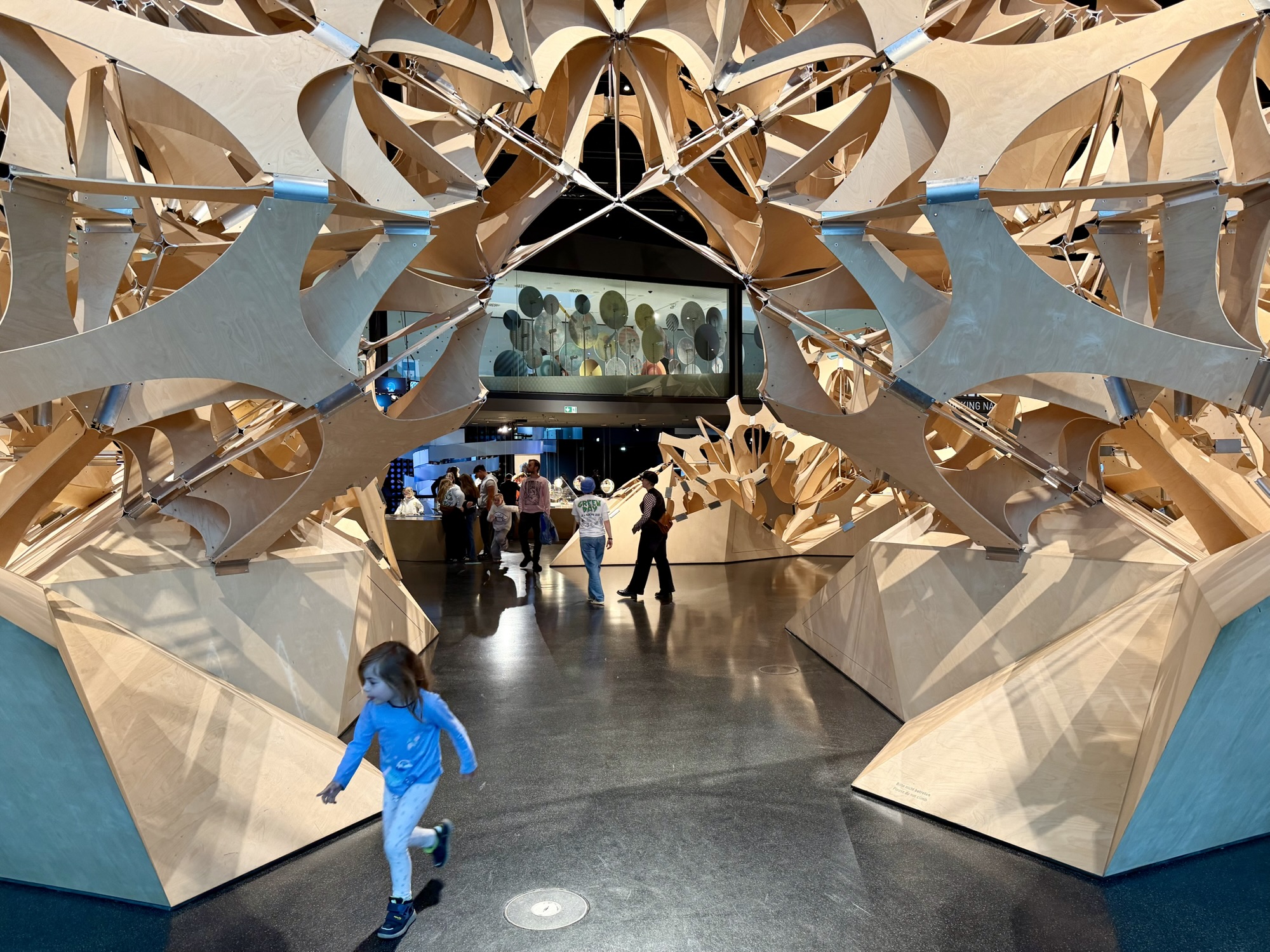
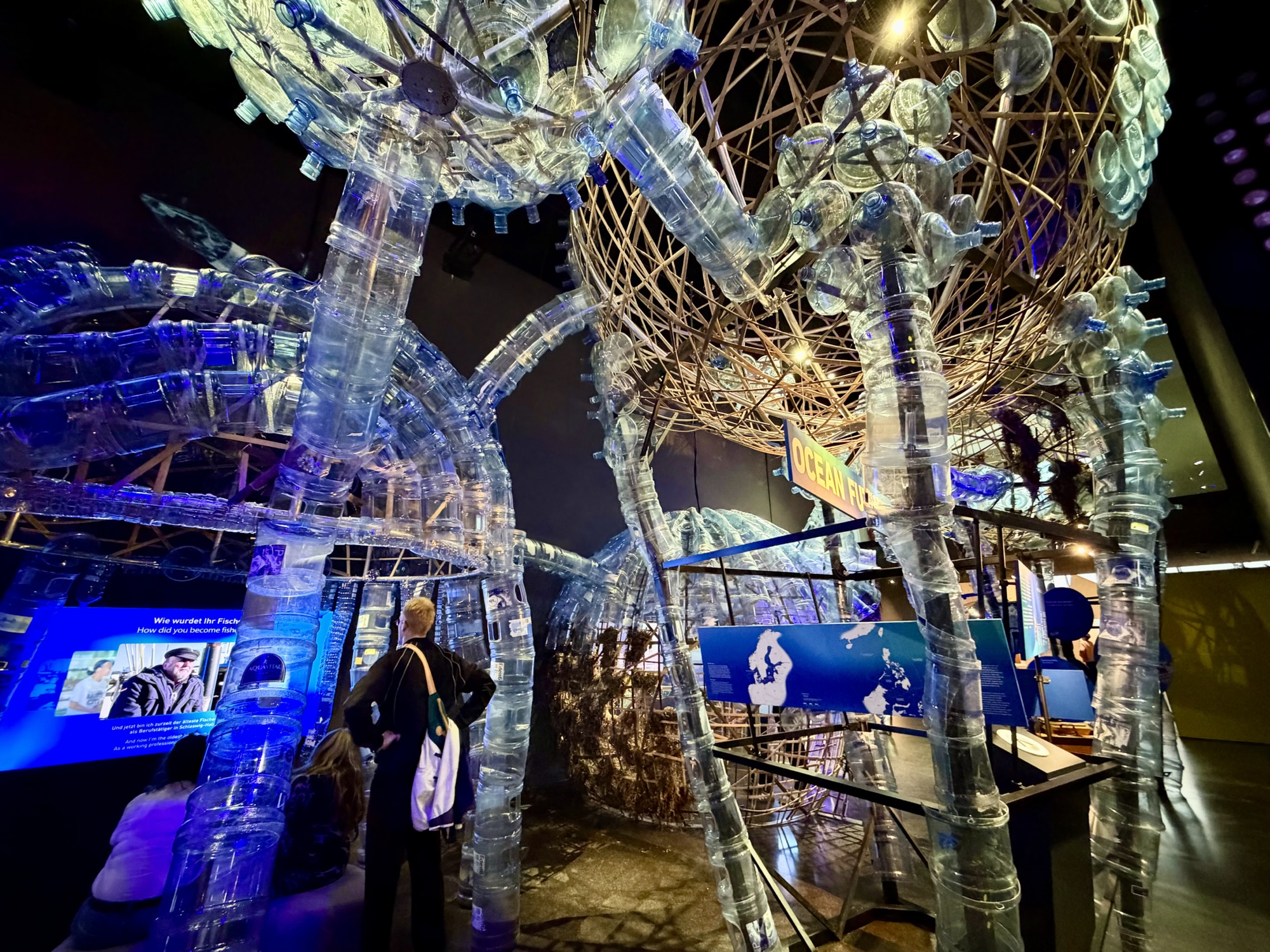
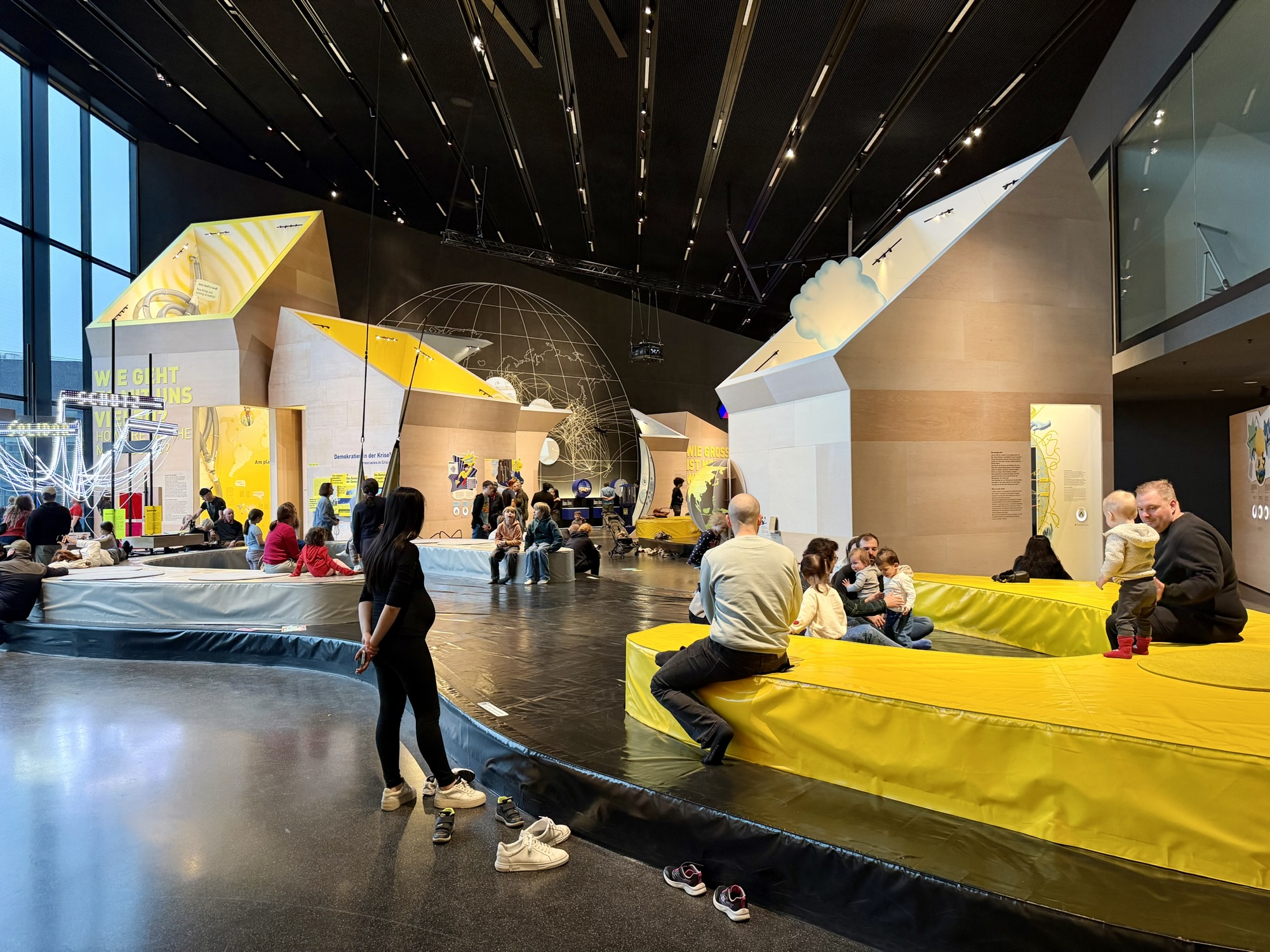
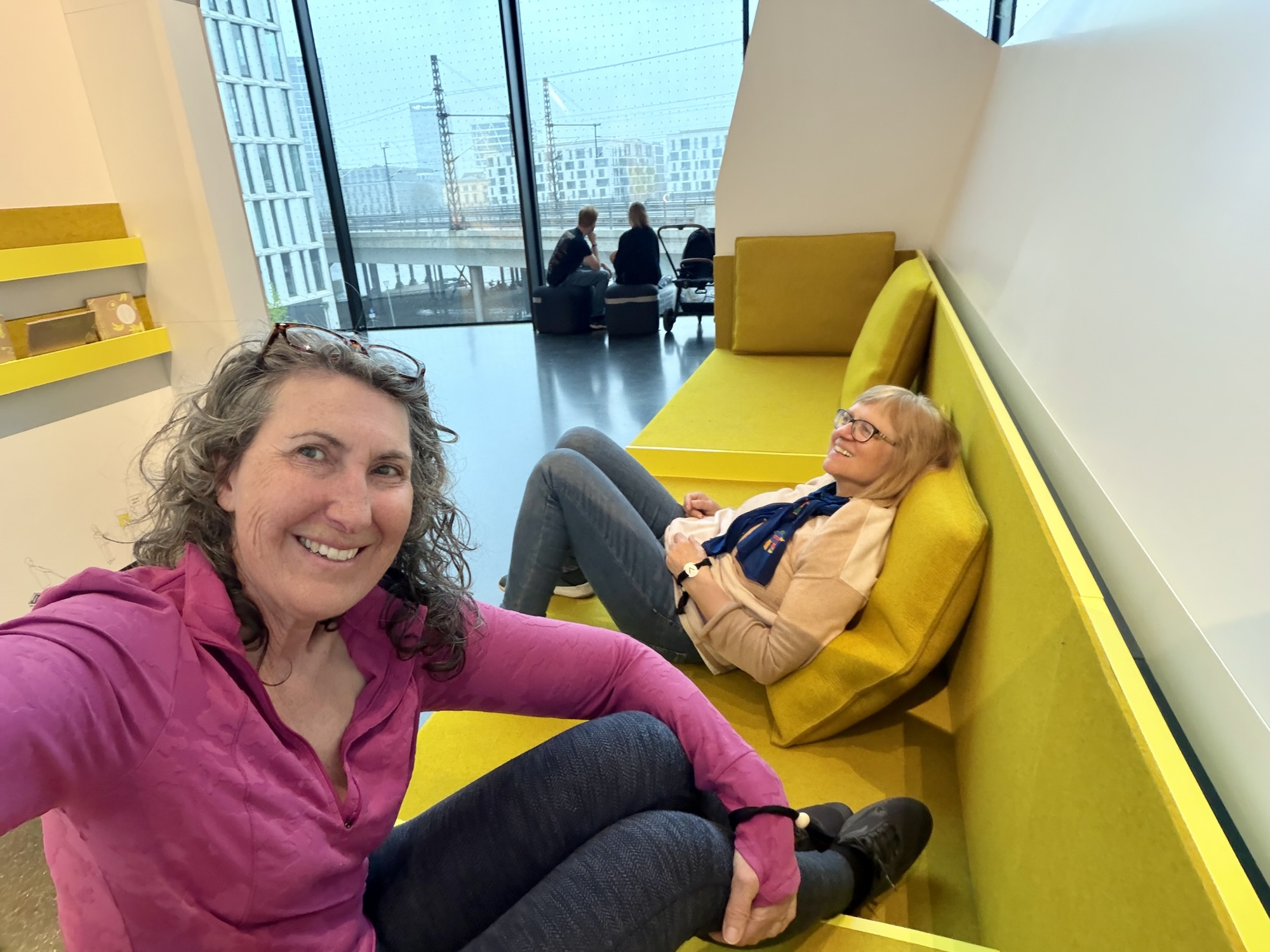
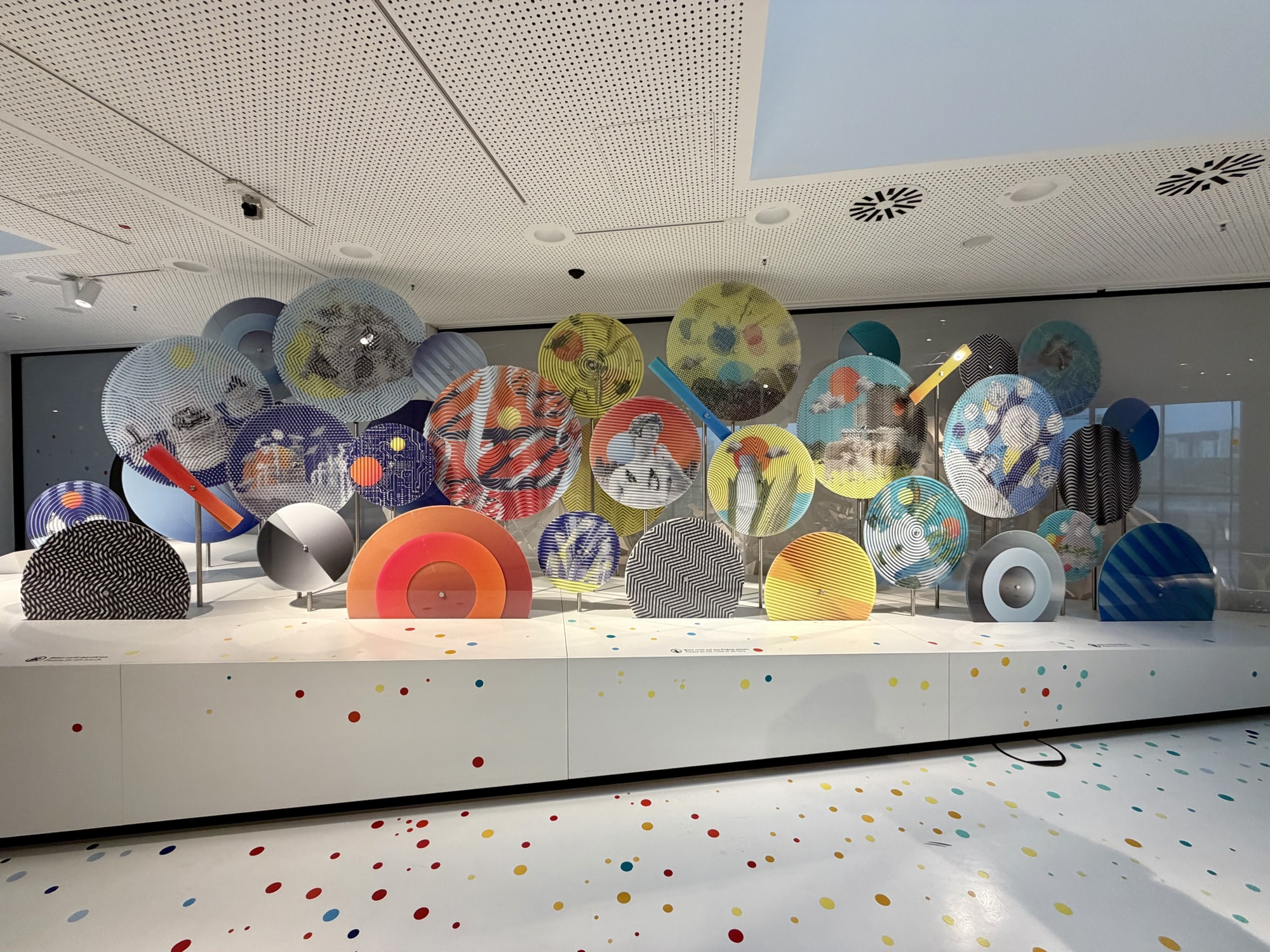
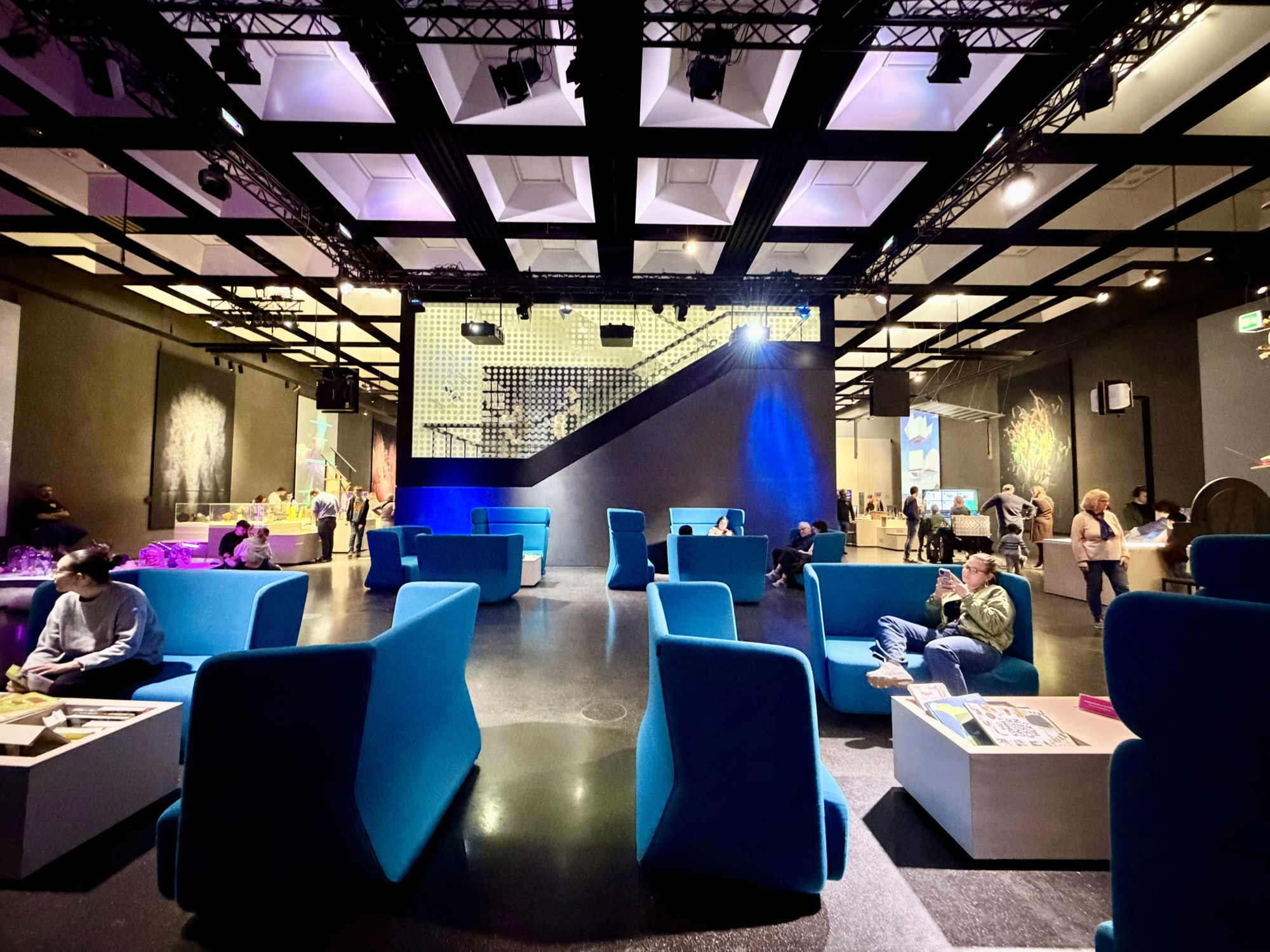
With the forecast rain, threatening shortly we cycled to our final stop for the day The Futurium. From their website: “Here at Futurium, everything revolves around one central question: How do we want to live? In the exhibition, you can explore a range of possible futures; in the Forum, you can participate in open discussions; and in the Futurium Lab, you can experiment with your own ideas.”
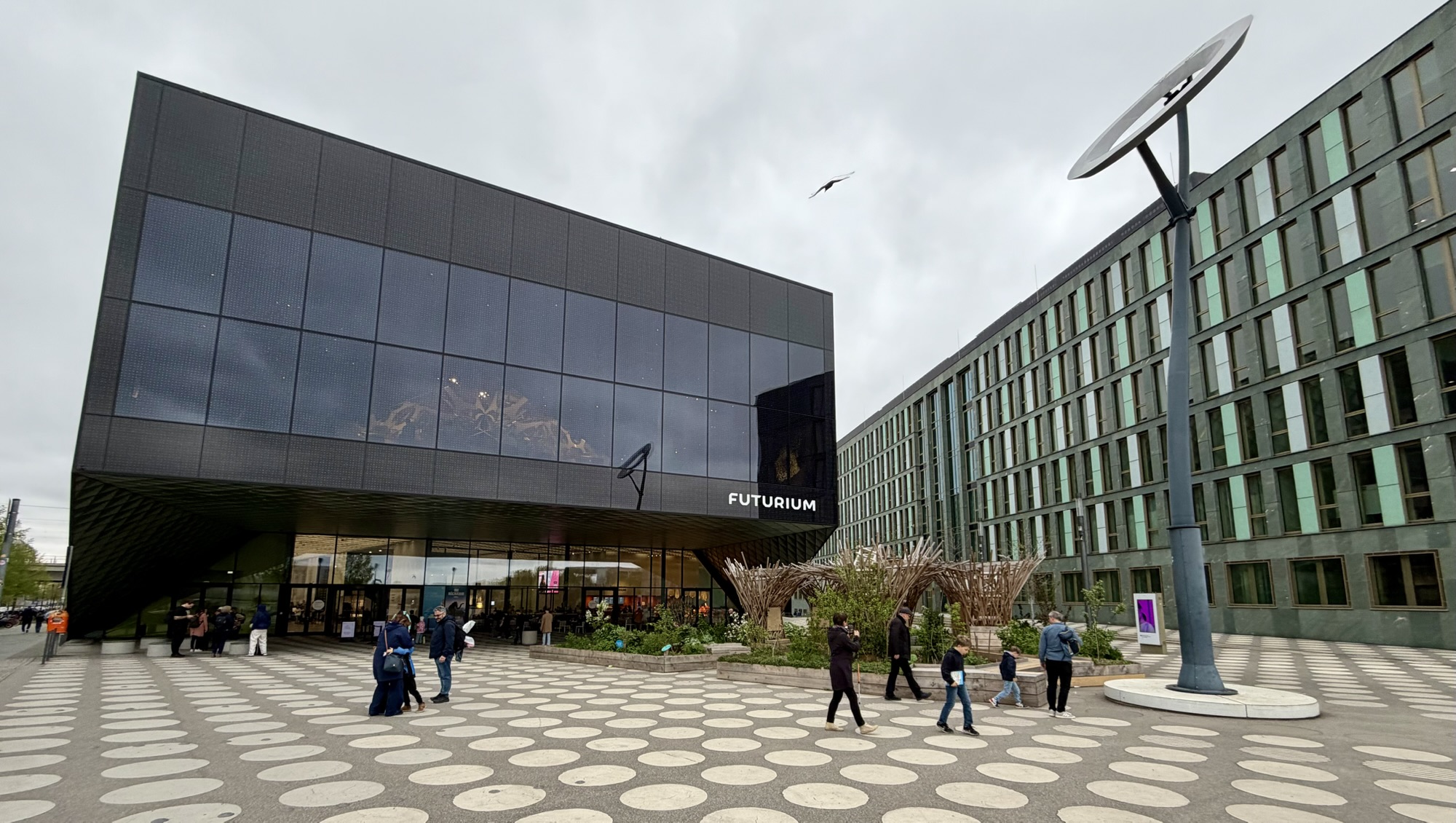
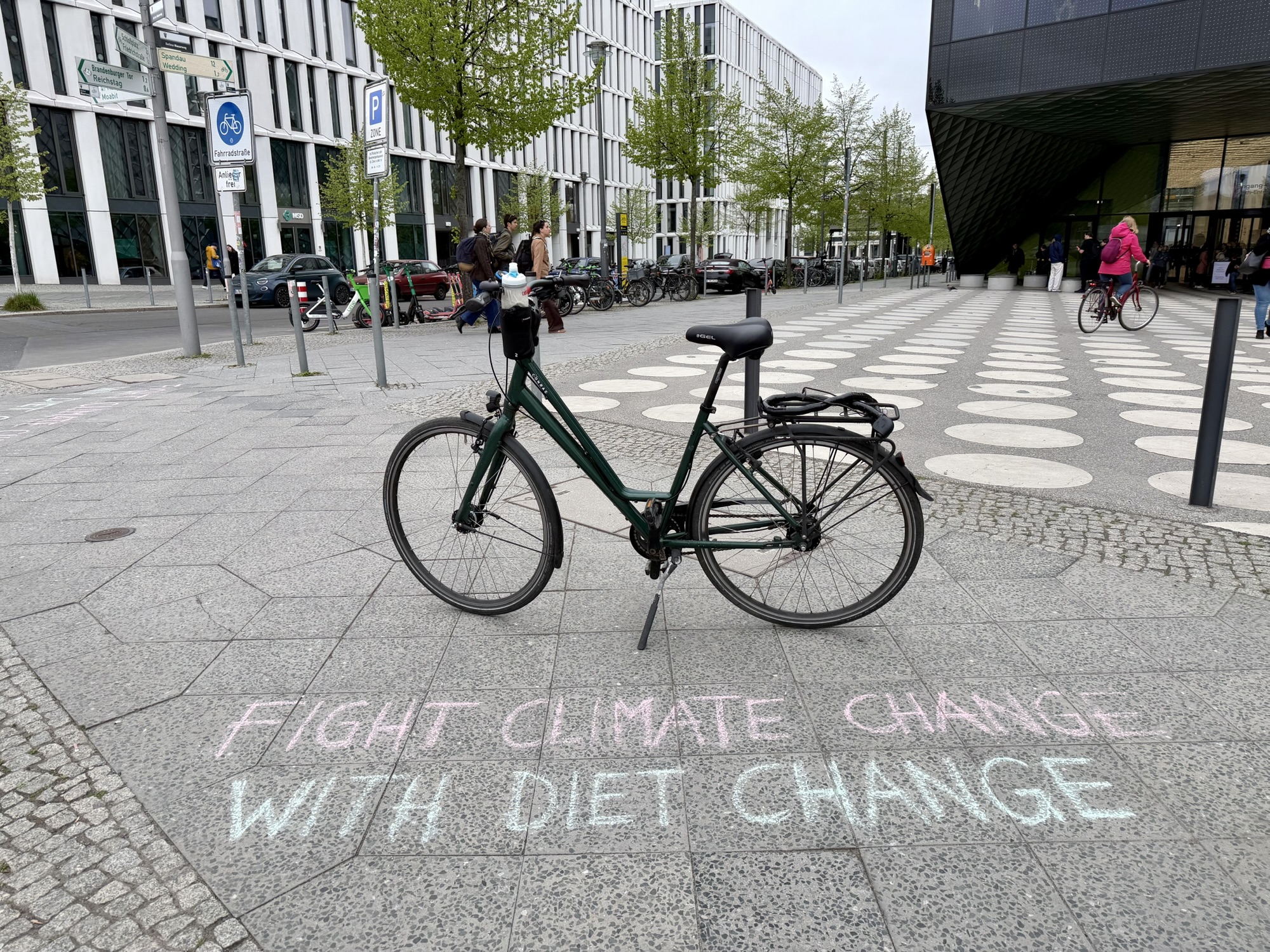
The building is located in the government district and highlights the contribution of science, research and technology to shape the future. Entry is free.
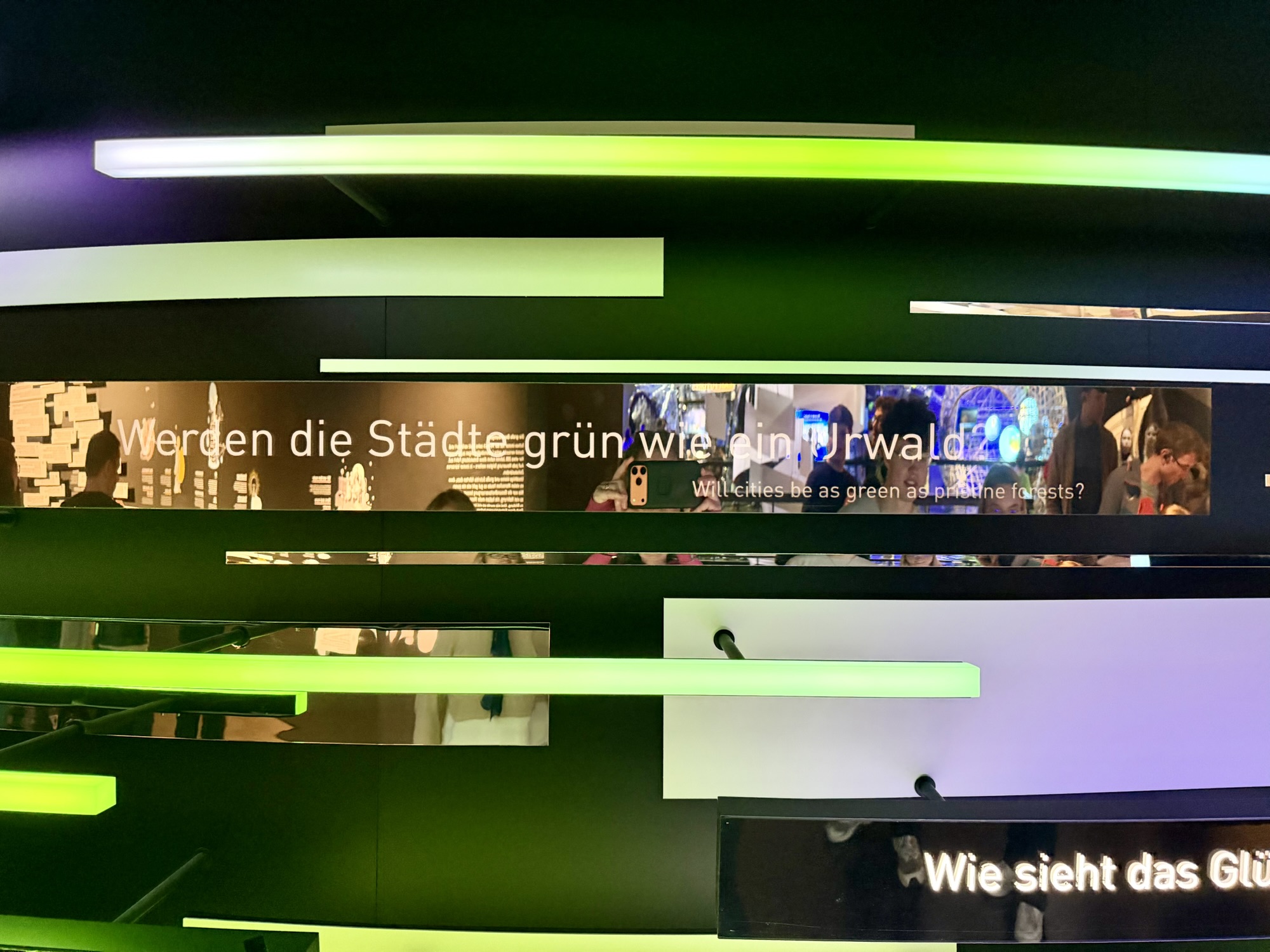
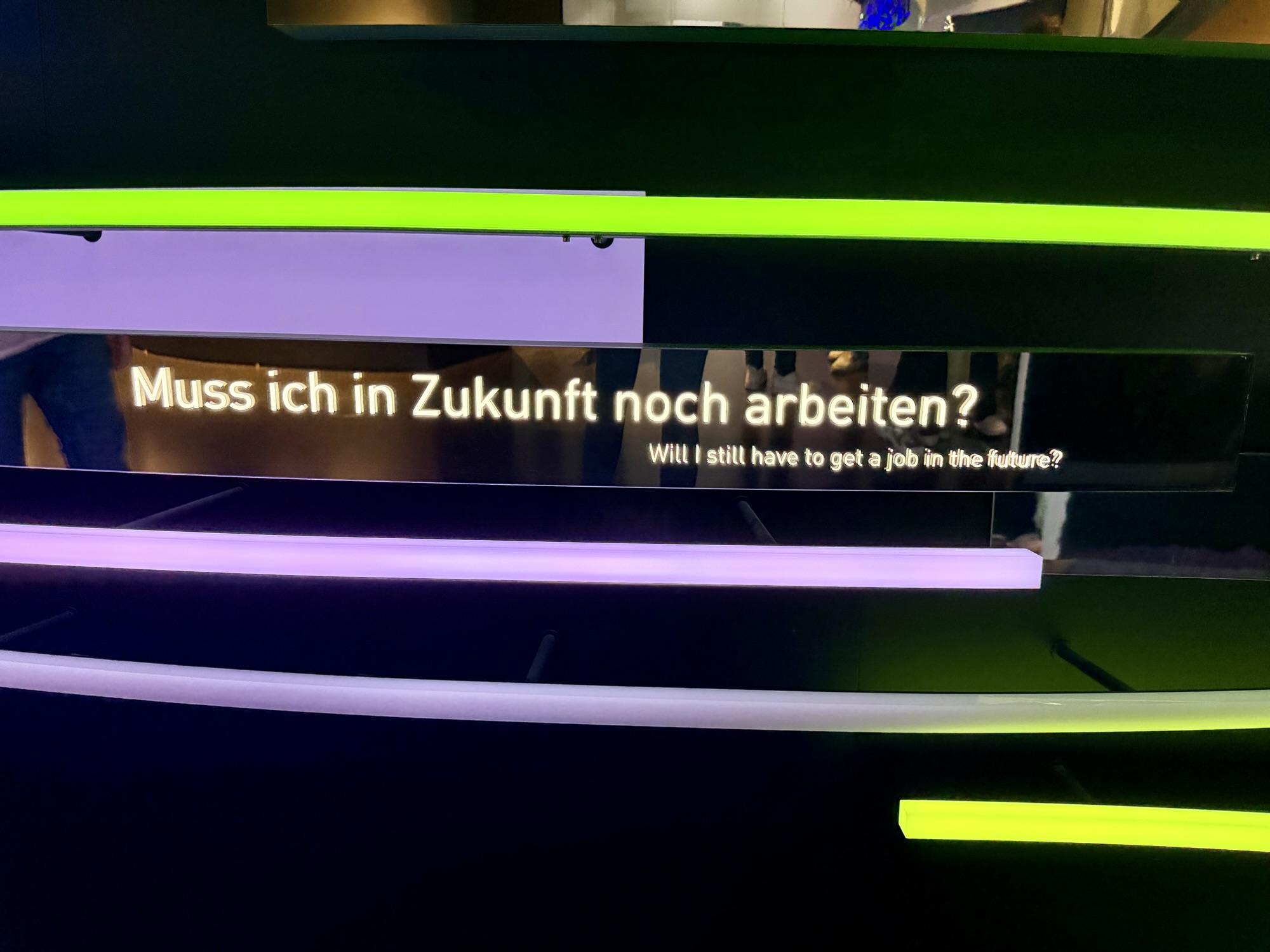
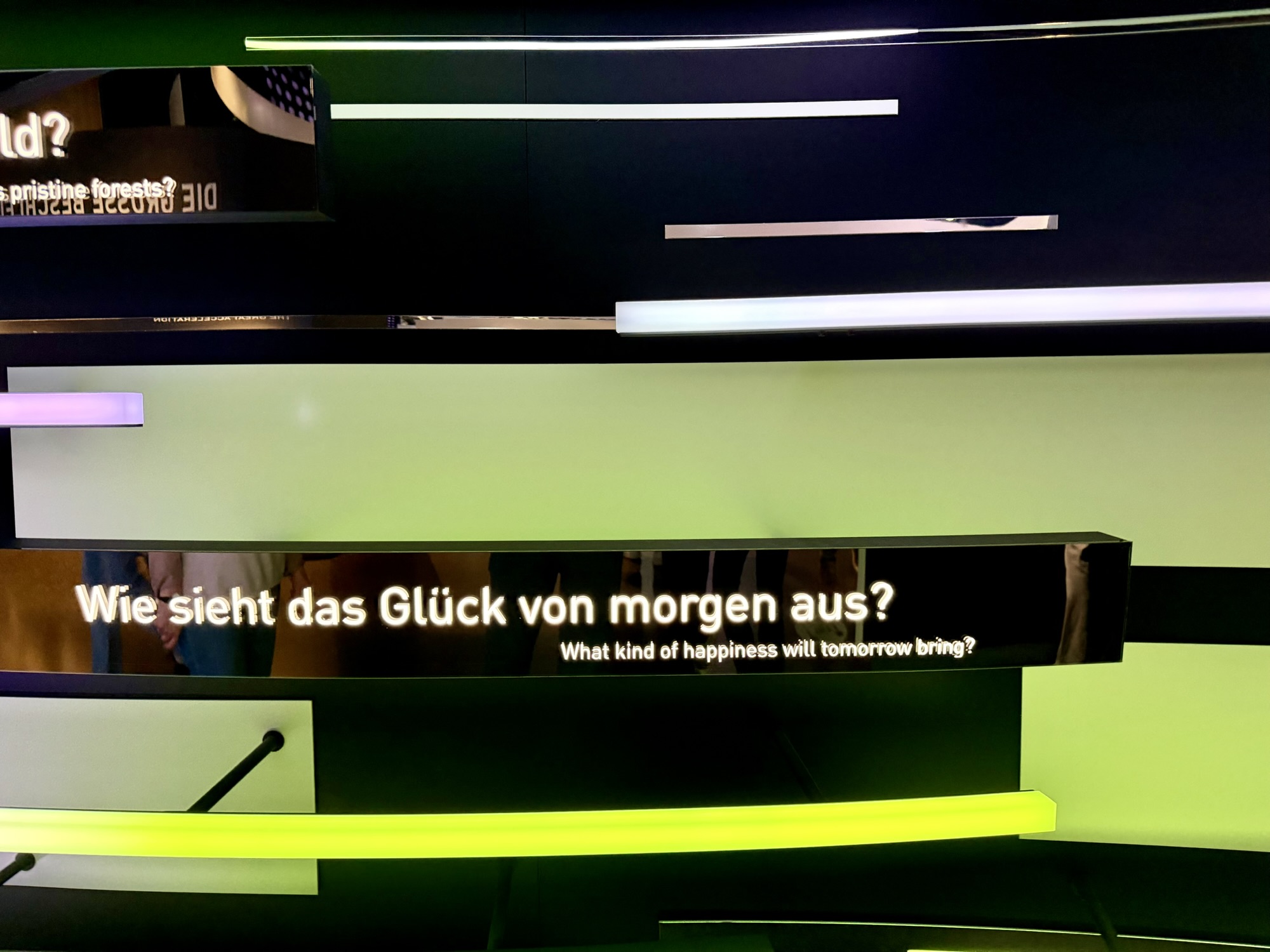
The first exhibit we visited asked questions to inspire thoughts about the future. Will I still have to get a job in the future? What kind of happiness will tomorrow bring? Will cities be as green as pristine forests?
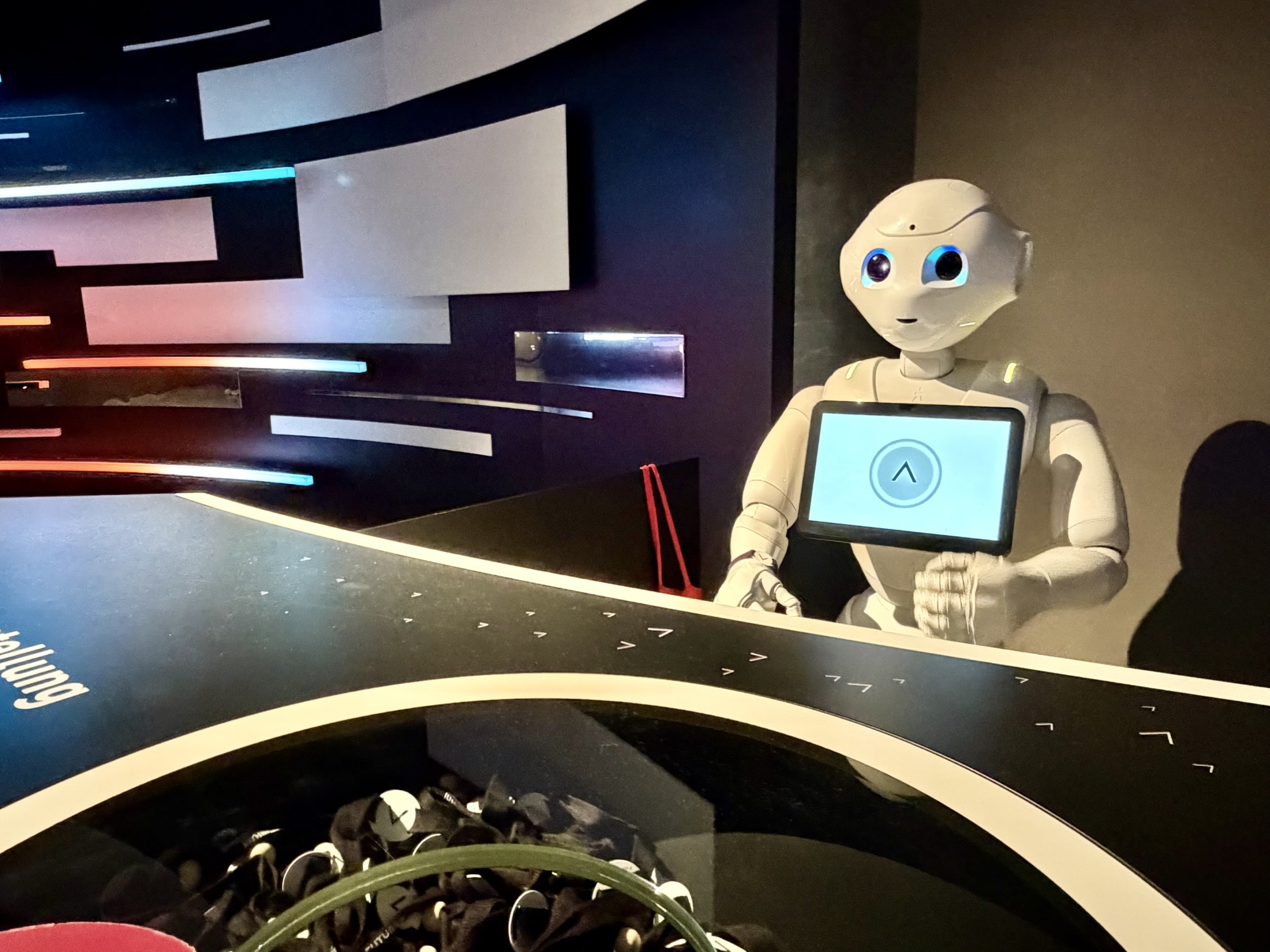
Visitors were invited to take a bracelet and use it to answer questions and to interact with the exhibits. At the end of the visit, visitors could scan their bracelet and get a personal evaluation of how they view the future. If you tapped on buttons like this you would be able to access more information from home on the internet.

One of the exhibits talked about the great acceleration. “Man has always changed the world in an attempt to improve living conditions. This development picked up speed about 200 years ago. Each innovation was followed by newer ones – at ever shorter intervals. As a result of many small steps and big leaps, people are doing better today than ever before: health care has never been better, there has never been such an abundance of food, never have more people had access to education. And never has so much been consumed. But these developments also have a downside: our natural foundations of life are in peril.”
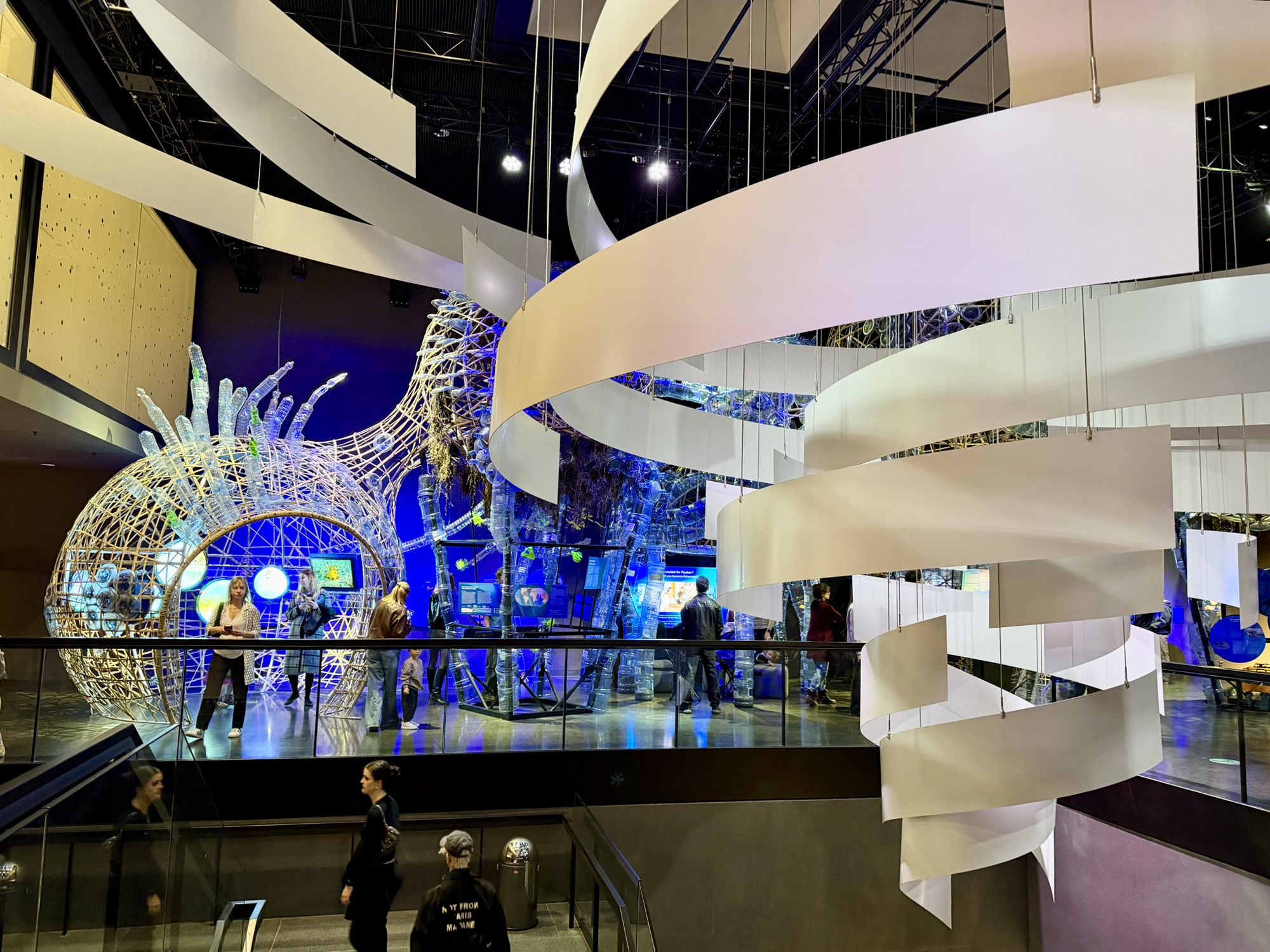
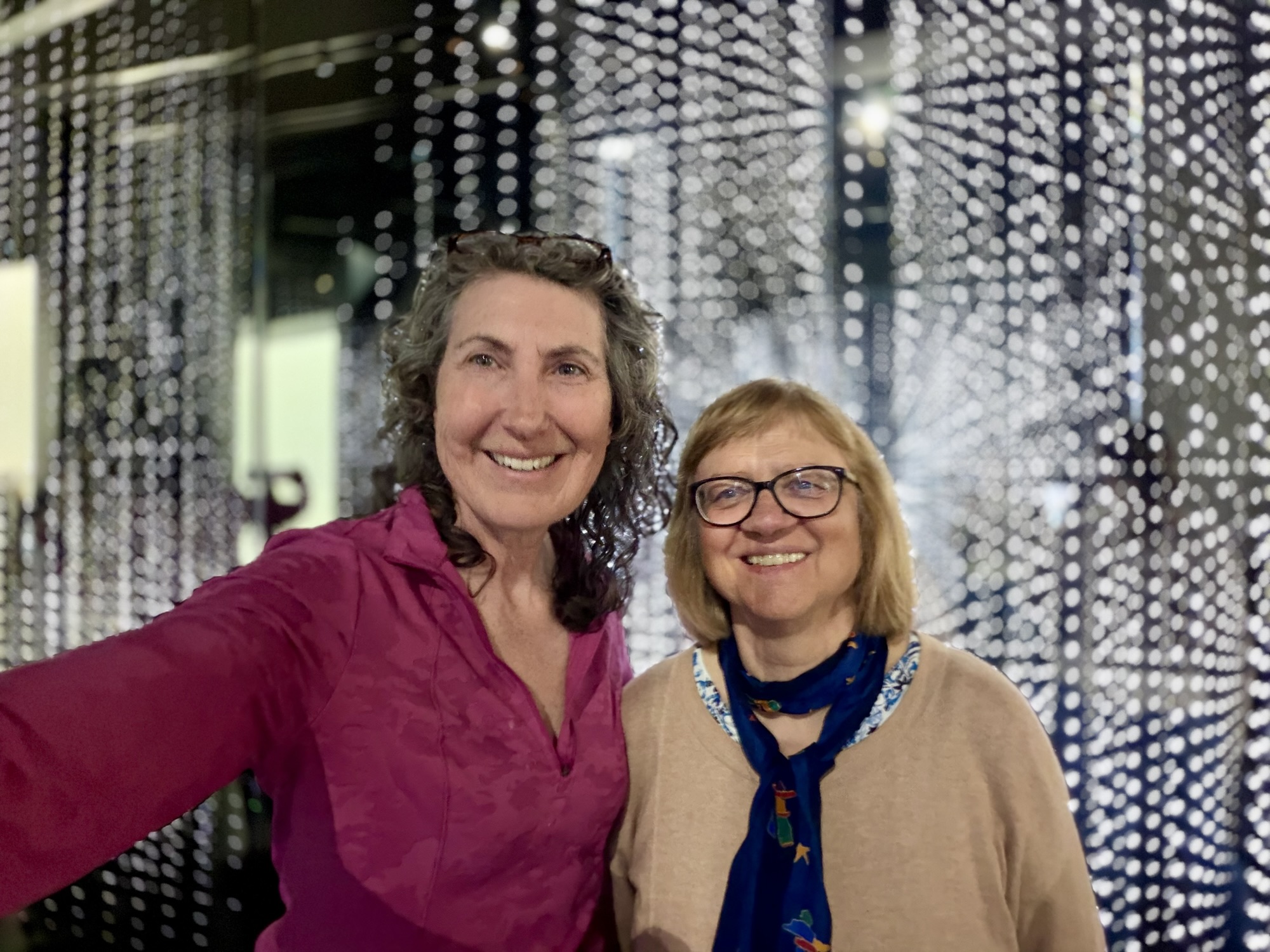
It was very thought-provoking and we could couldn’t really do it just the two hours we spent there.
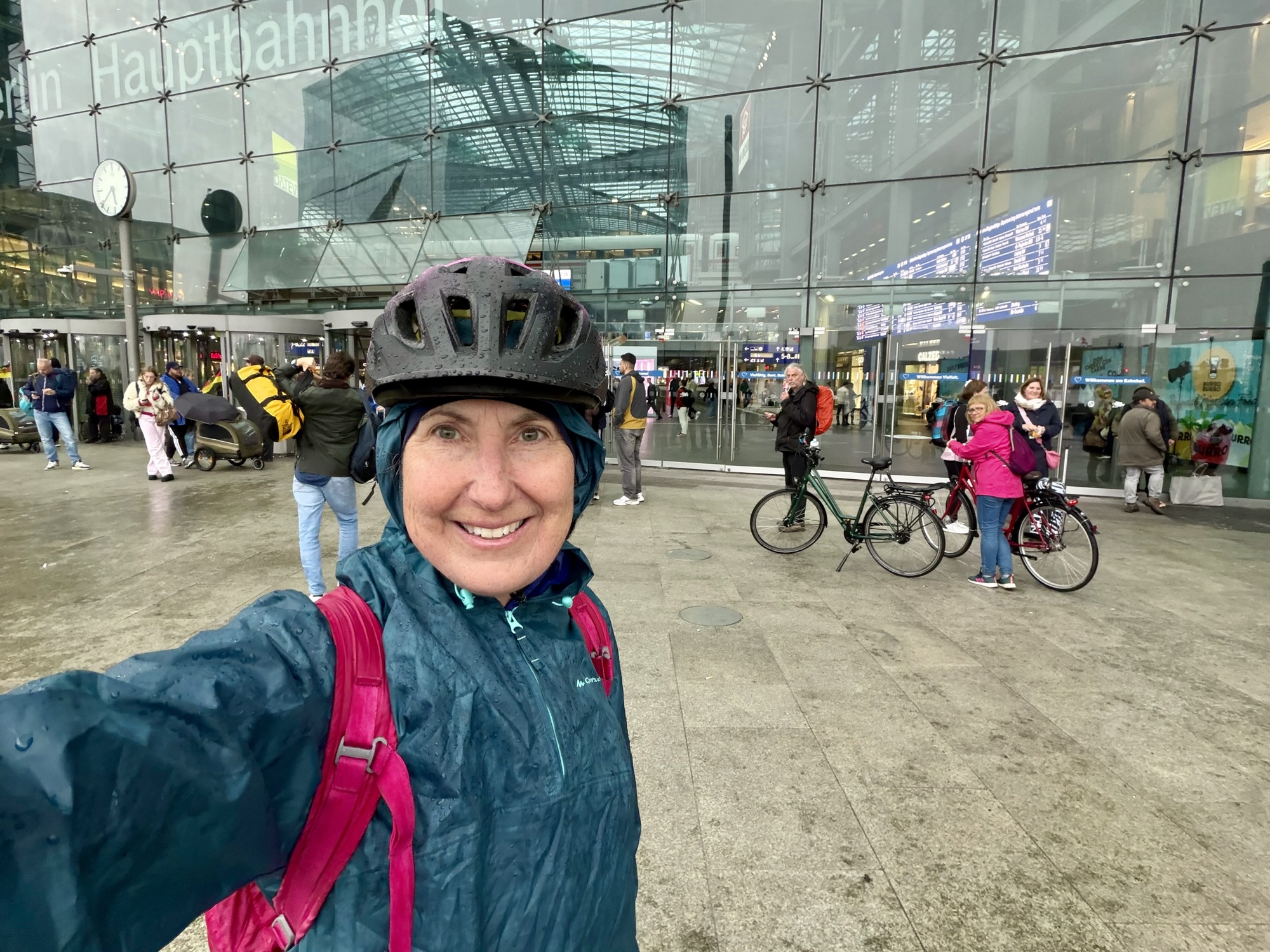
When we emerged the predicted heavy rain had begun. We put on our rain gear and cycled as quickly as we could to the nearby Berlin Hauptbahnhof Station. There were two dean and david restaurants in the station. We enjoyed eating there the previous night so did so again.
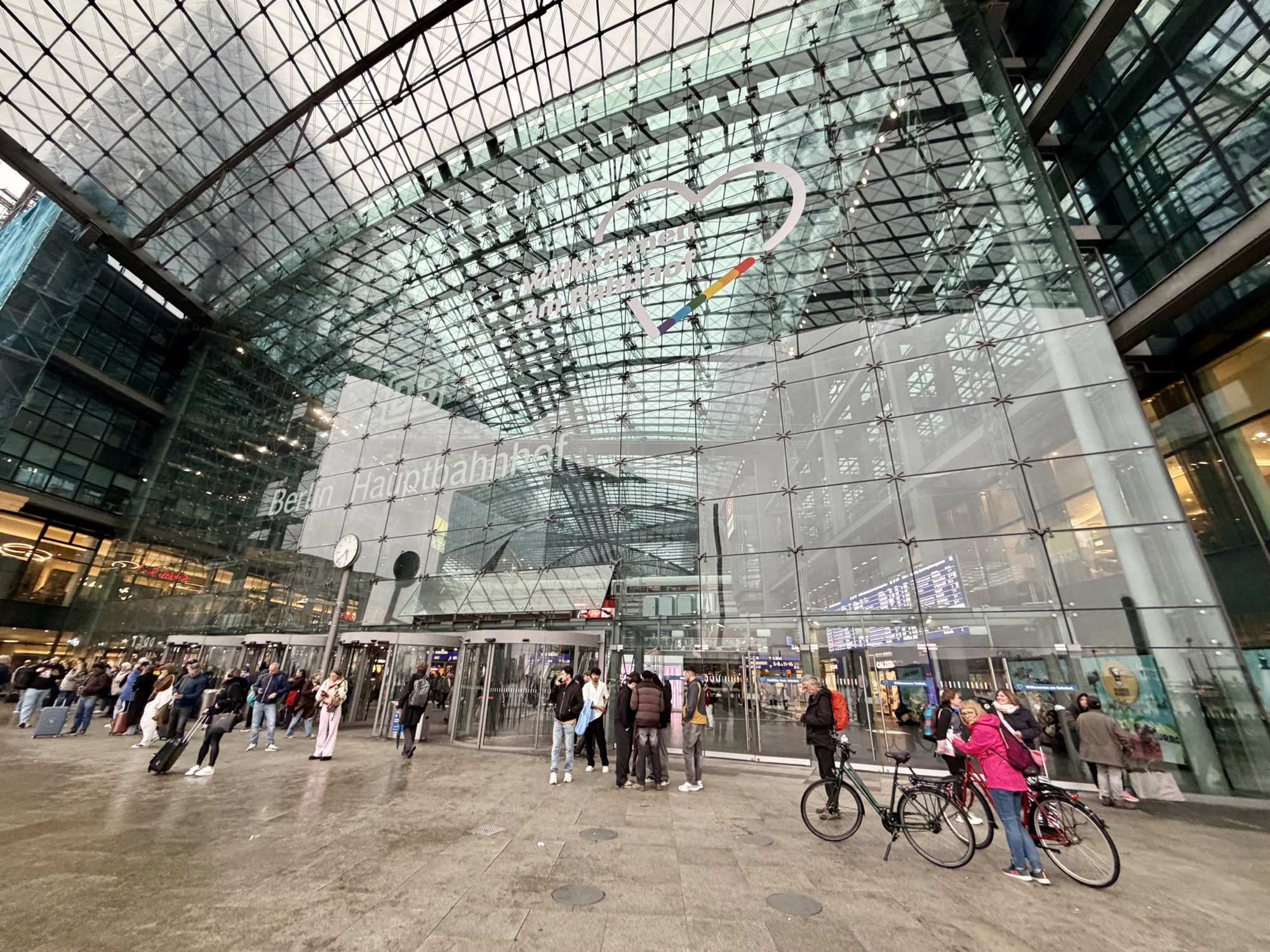
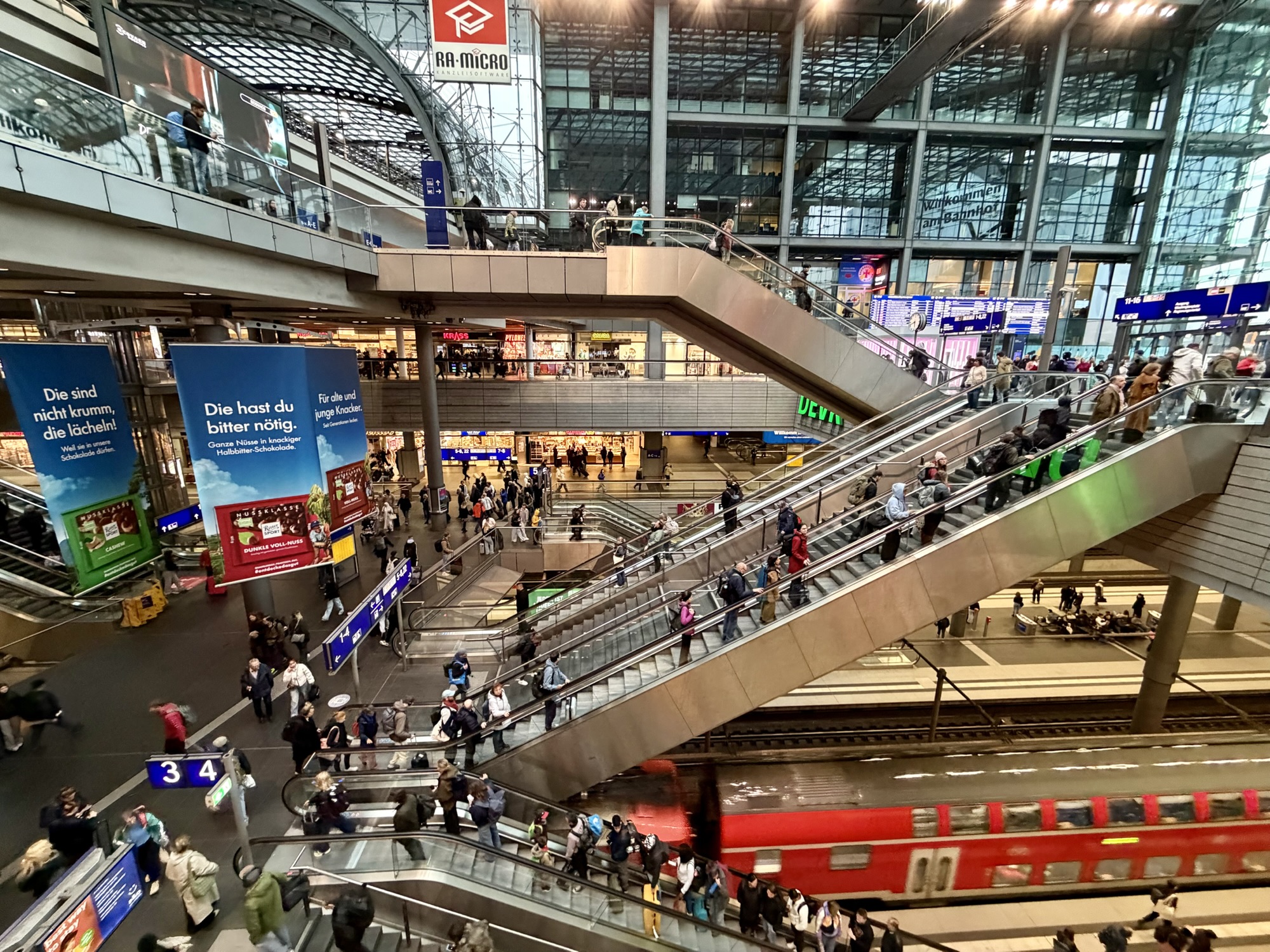
We bought tickets for ourselves and our bikes. Bikes are charged at half the rate of a person. And took the u-Bahn back to the station near our guest house.
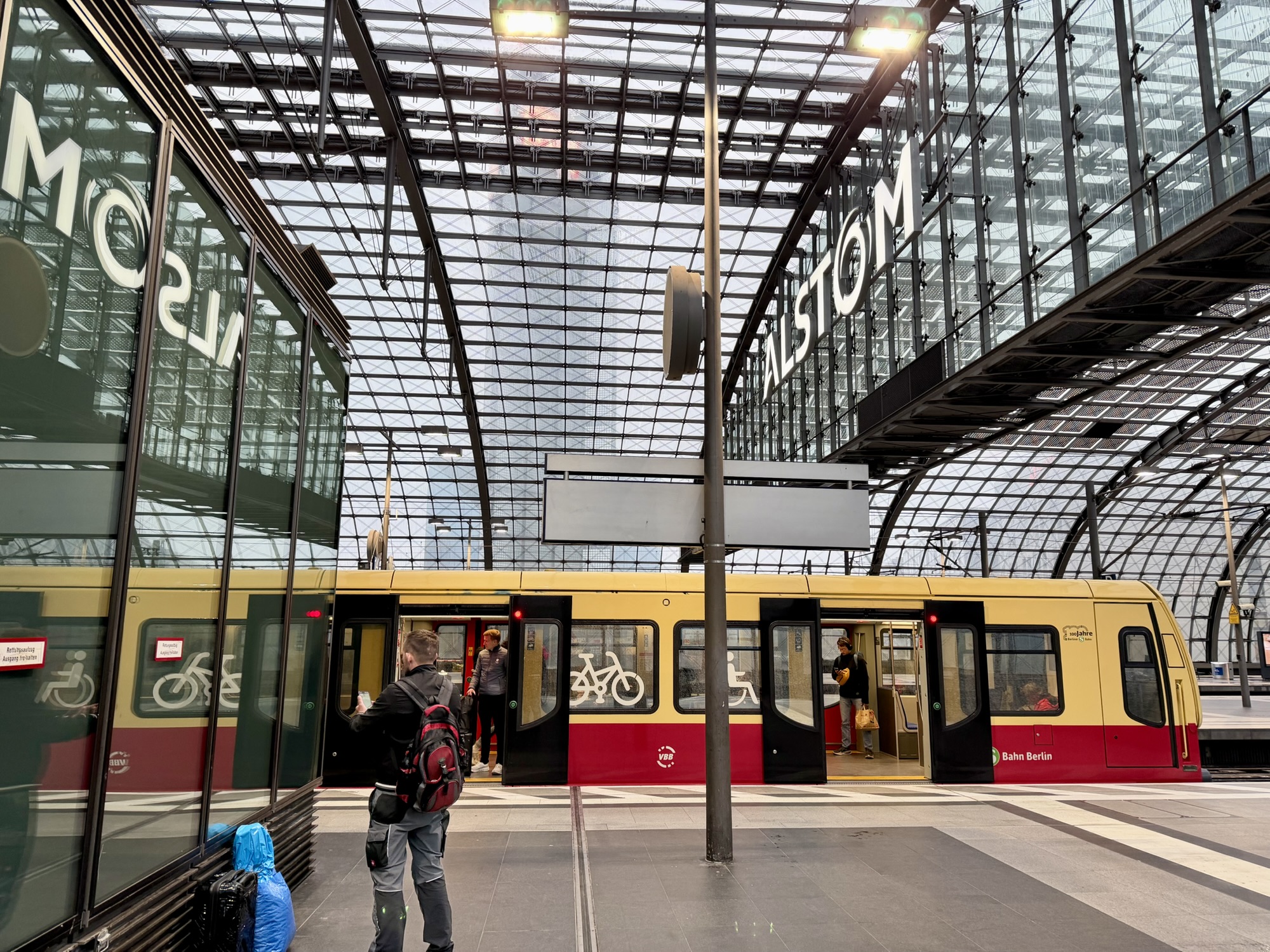
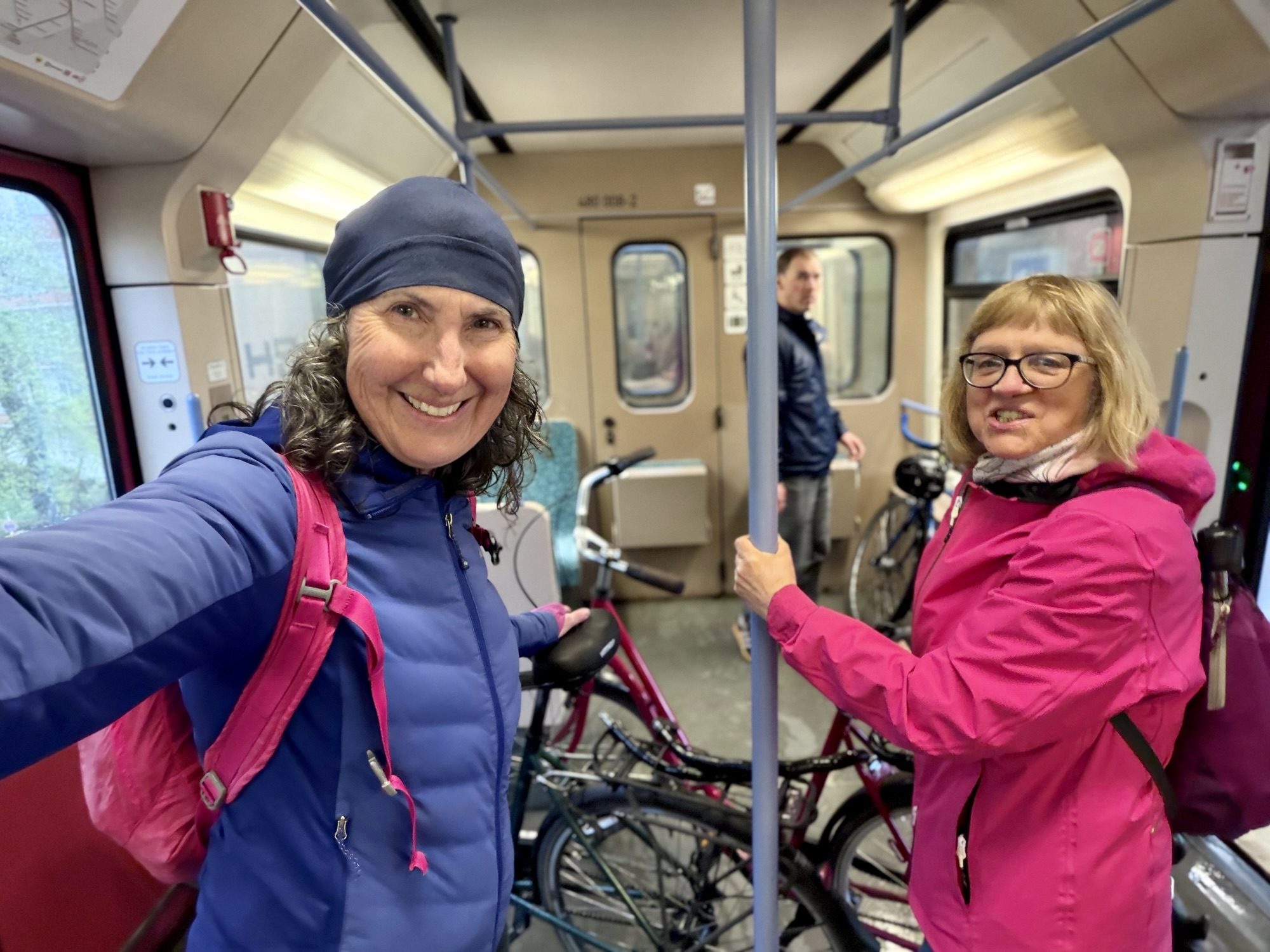
We had intended to ride the 500 m or so from the station to the bike shop to return the rental bike bikes, before walking back to get our luggage. As we were on the train, I realized that I hadn’t brought my hex keys with me. I needed them to remove my phone holder from the bike bars. We asked a couple cyclists on the train with us if they had hex keys, but they did not. So we cycled back to the guest house to get hex keys, then to the bike store, and then walked 700 m back to the guest house. We were very cold and wet by the time we got back. It was also too early to go to the train station.
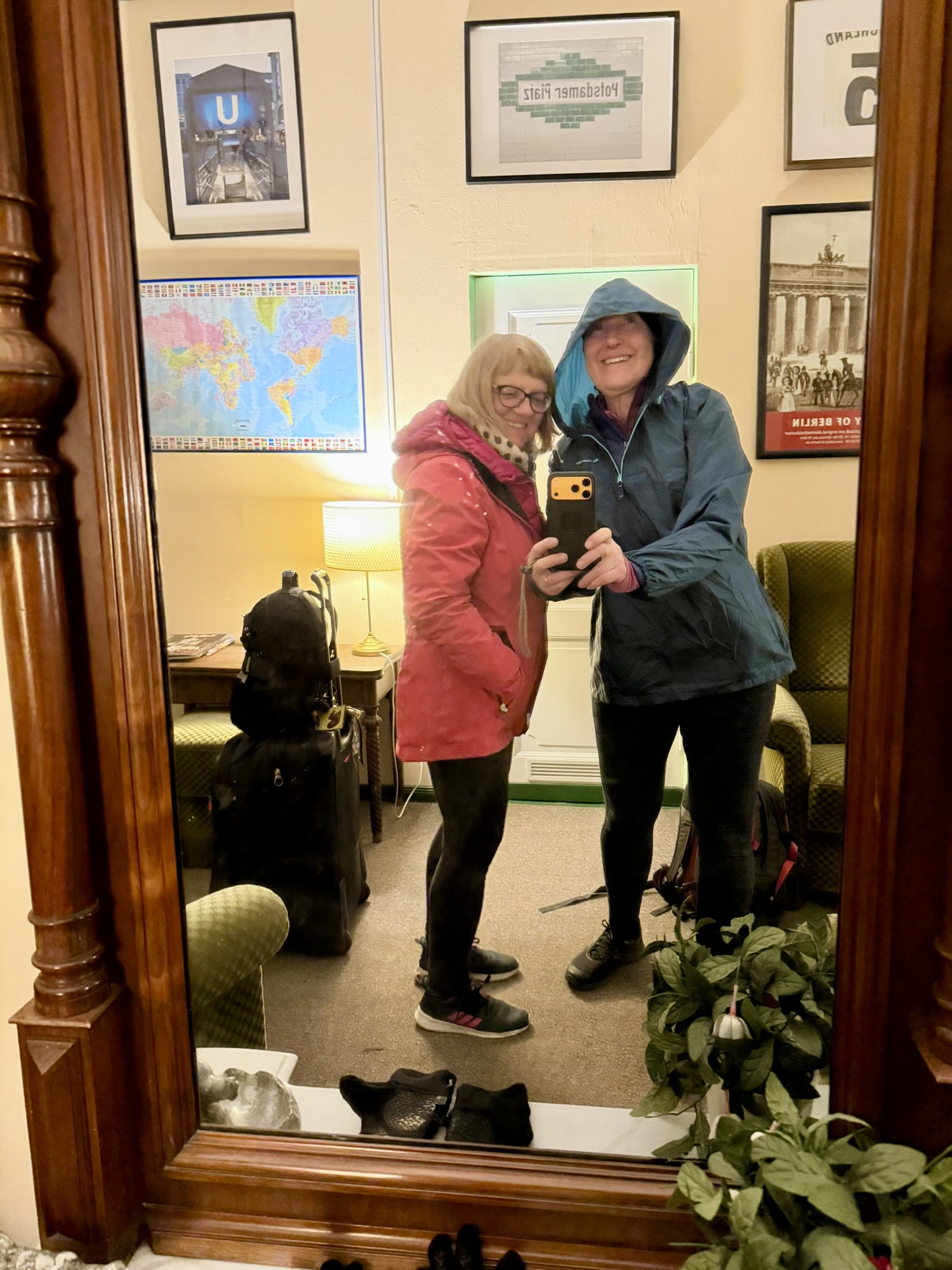
So we re-organized our luggage and dried and warmed ourselves. After relaxing for a while, we decided to go to the station, even though it was early. Our tickets were from Berlin Ostbahnhof station in the south-east part of Berlin. Since we hadn’t explored that station yet, we decided to get on there, rather than the nearer Berlin Hauptbahnhof Station.
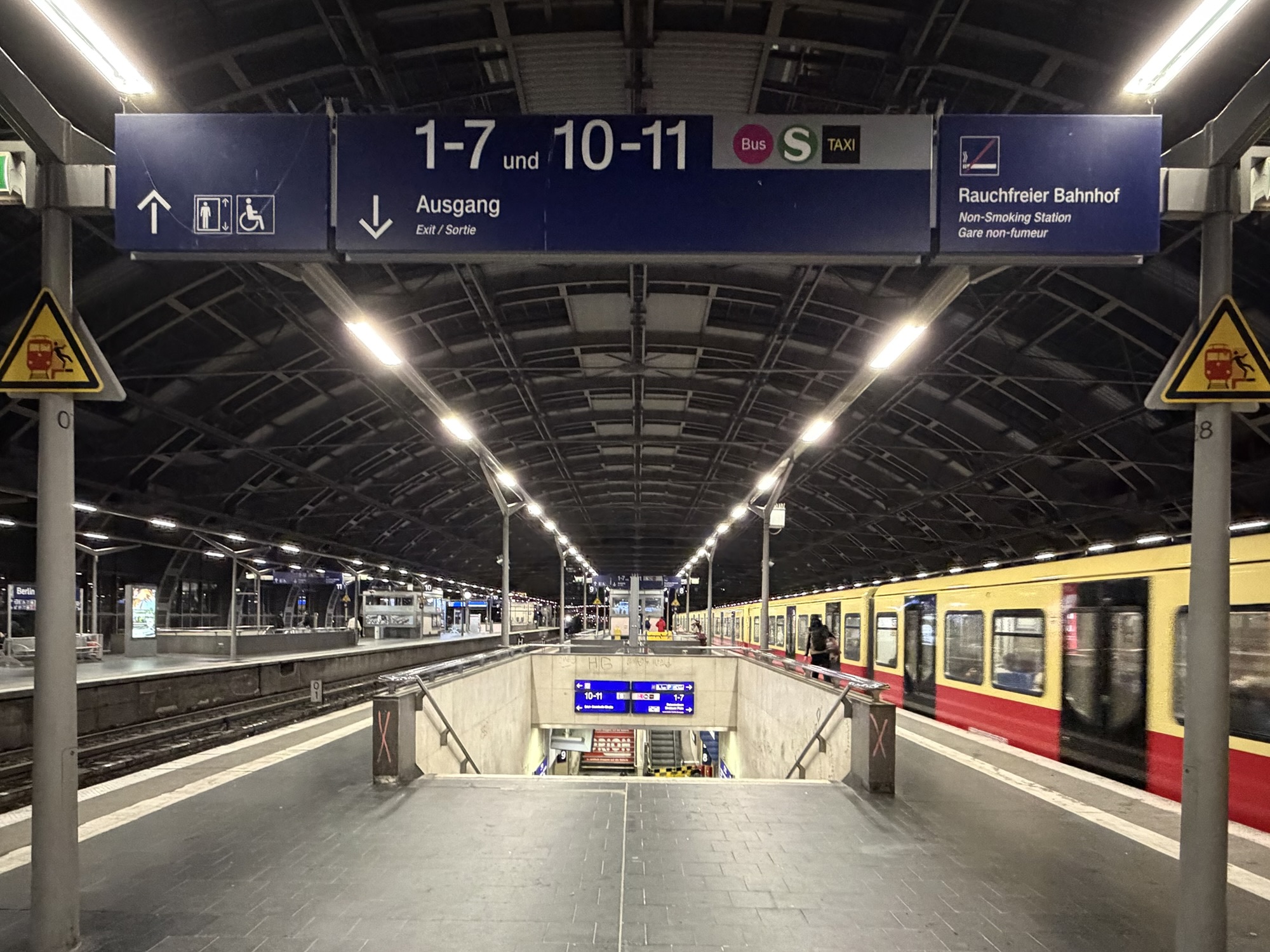
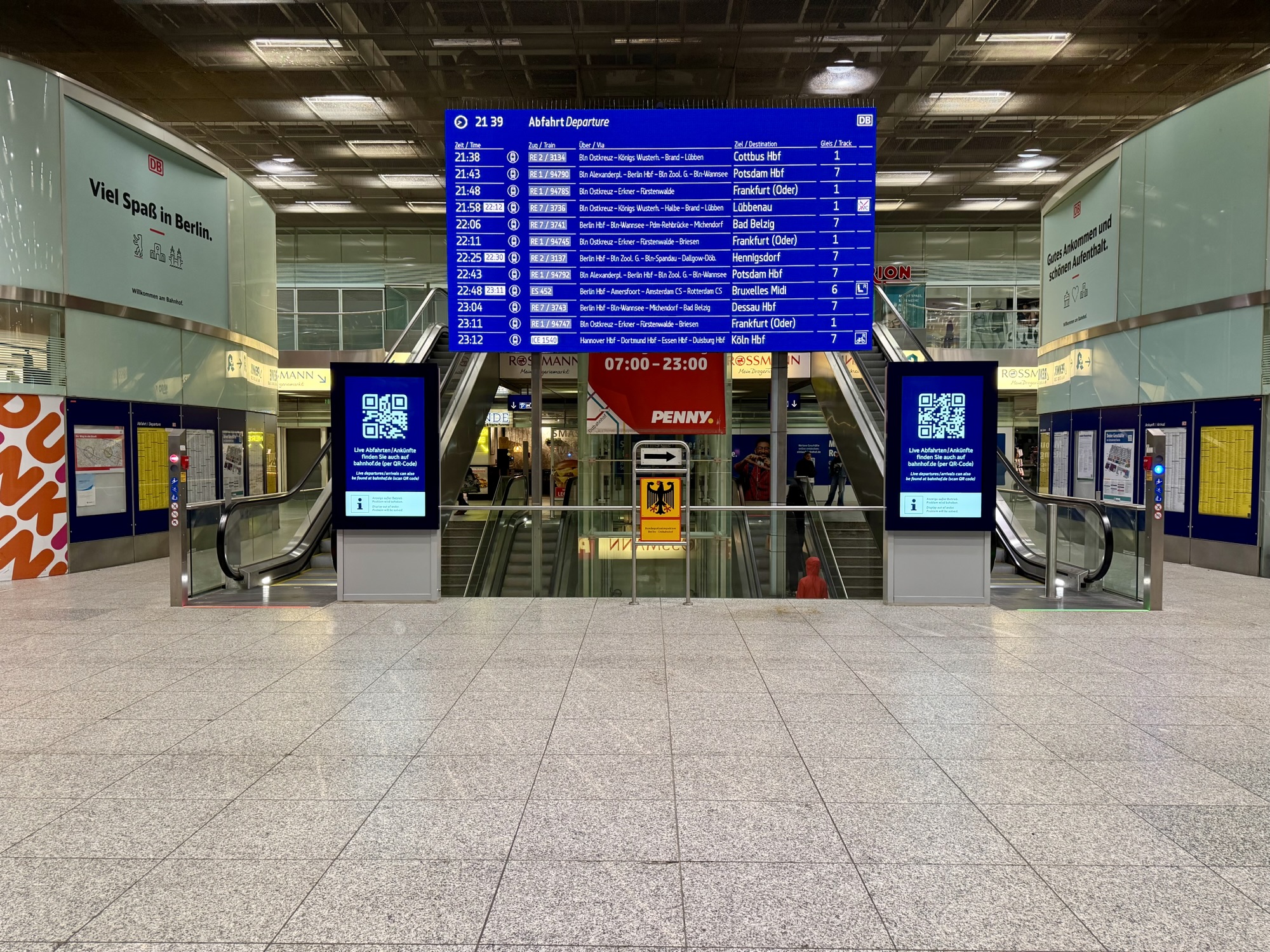
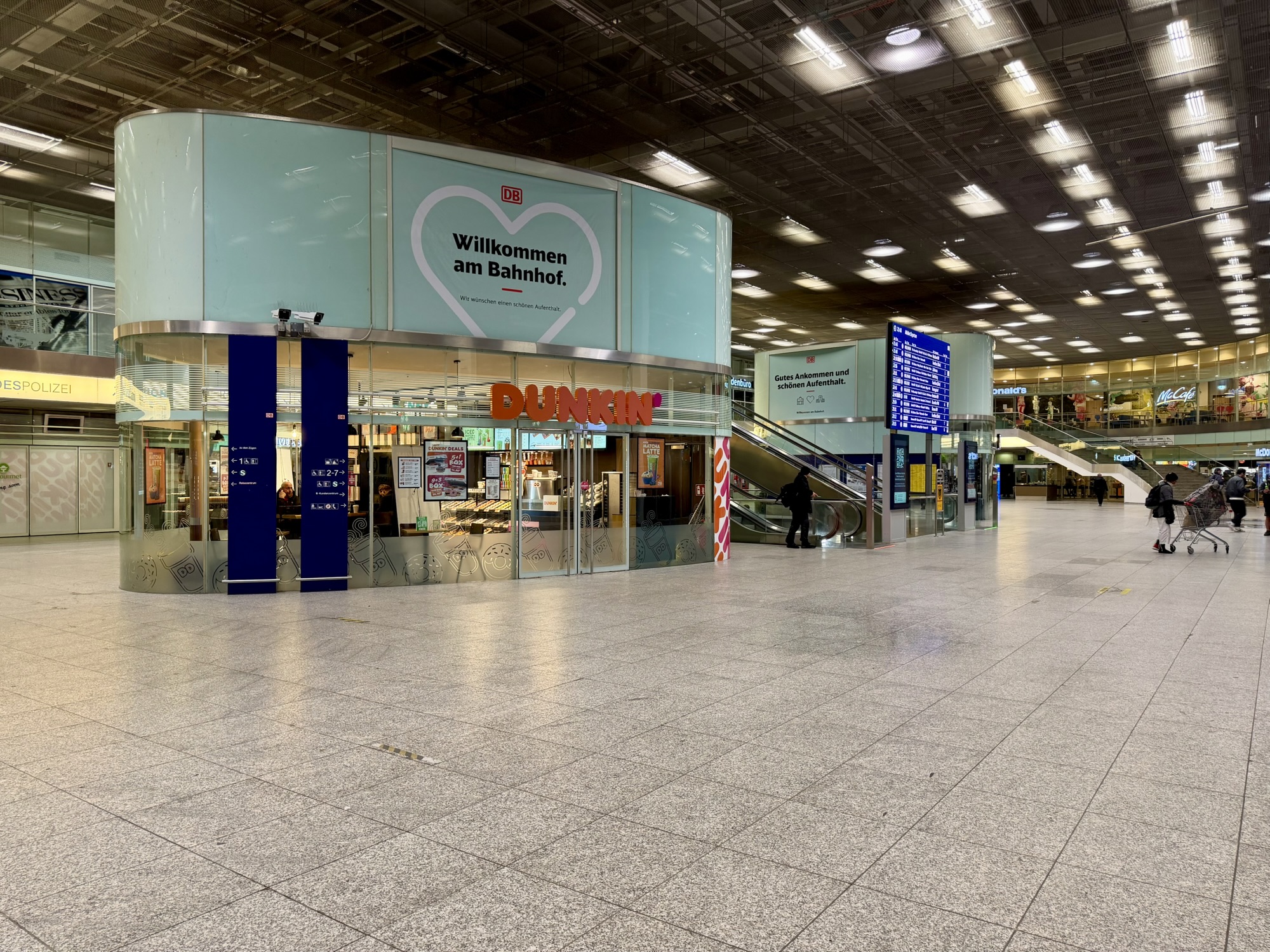
When we arrived at the station, it definitely had behind-the-Berlin-Wall vibes. When we came down from the platform, we encountered unhoused people sheltering in the station. One woman started yelling at me as I took some pictures of the station. The concourse was leaky and smelled of stale urine. We also learned that our train was running late so it would be almost a two hour wait. So, we went back Berlin Hauptbahnhof Station thinking it would be a more comfortable wait.
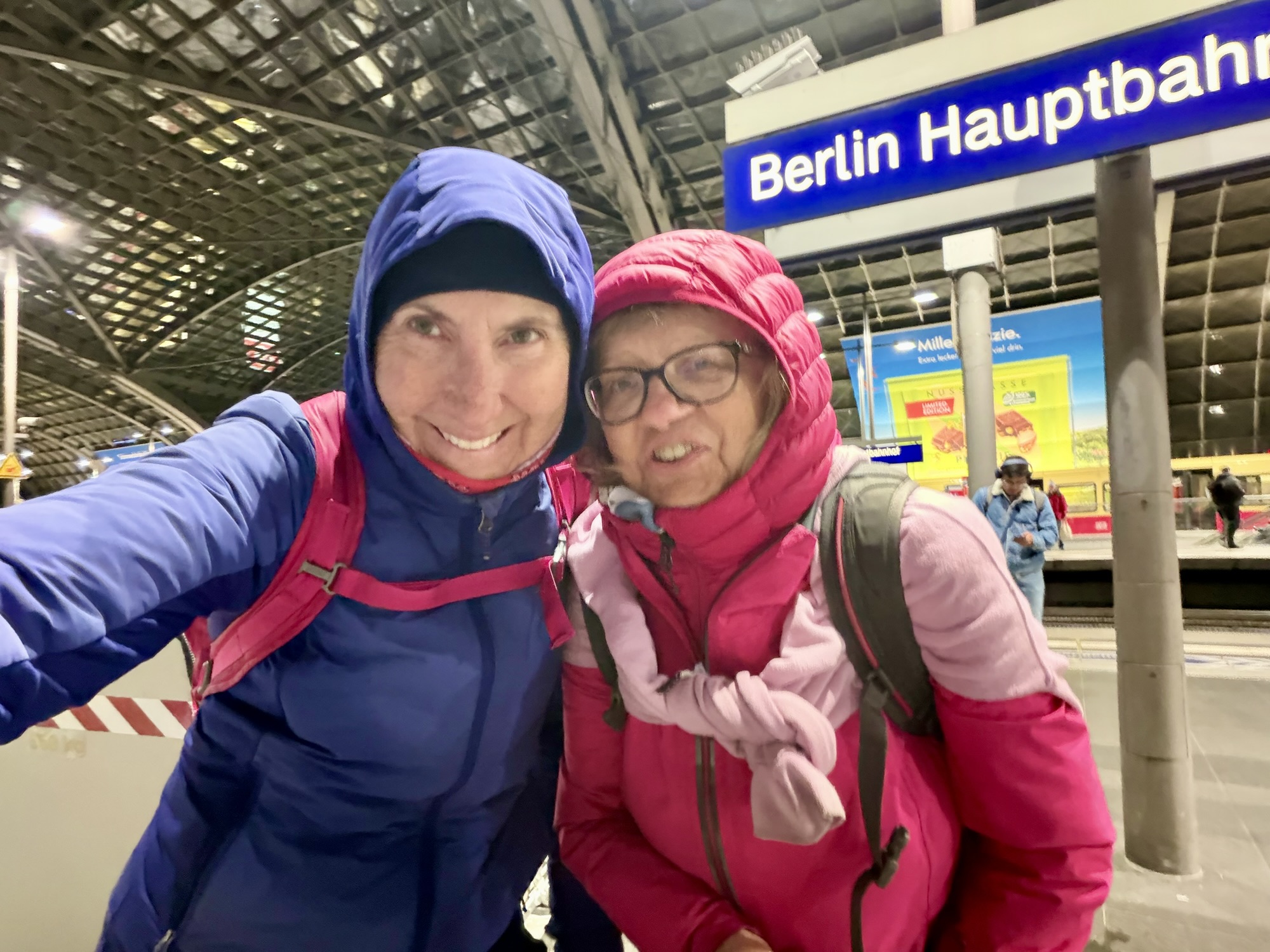
It was only about 5° outside and still raining heavily. Most of the businesses in Berlin Hauptbahnhof Station were closed, and there was nowhere warm to sit. It also had leaks and unhoused people, which we had not encountered during the day. The concourse is basically open to the outside at the train levels. We put on additional clothes to try to stay warm. By the time the train arrived an hour late we were quite chilled.
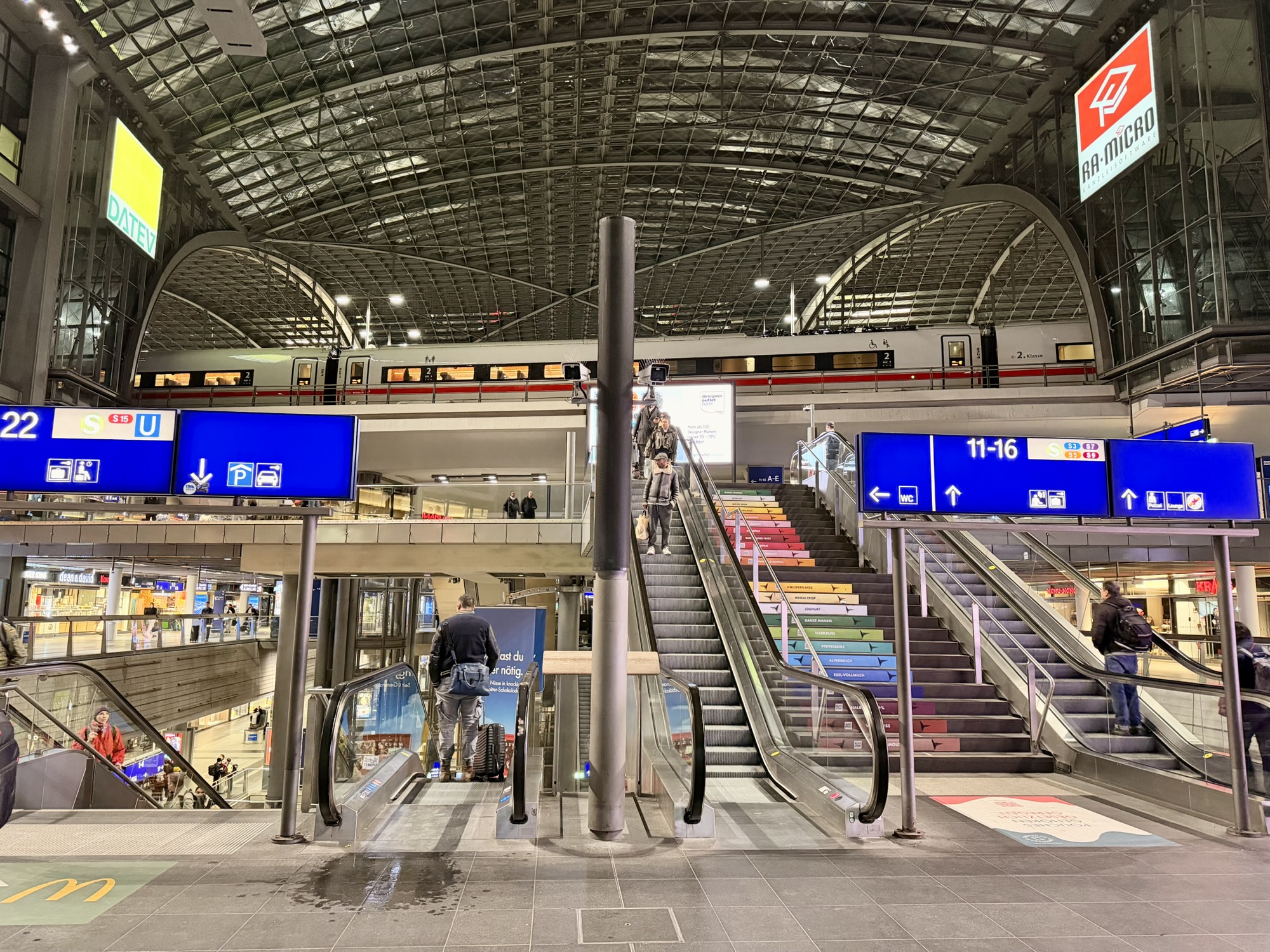
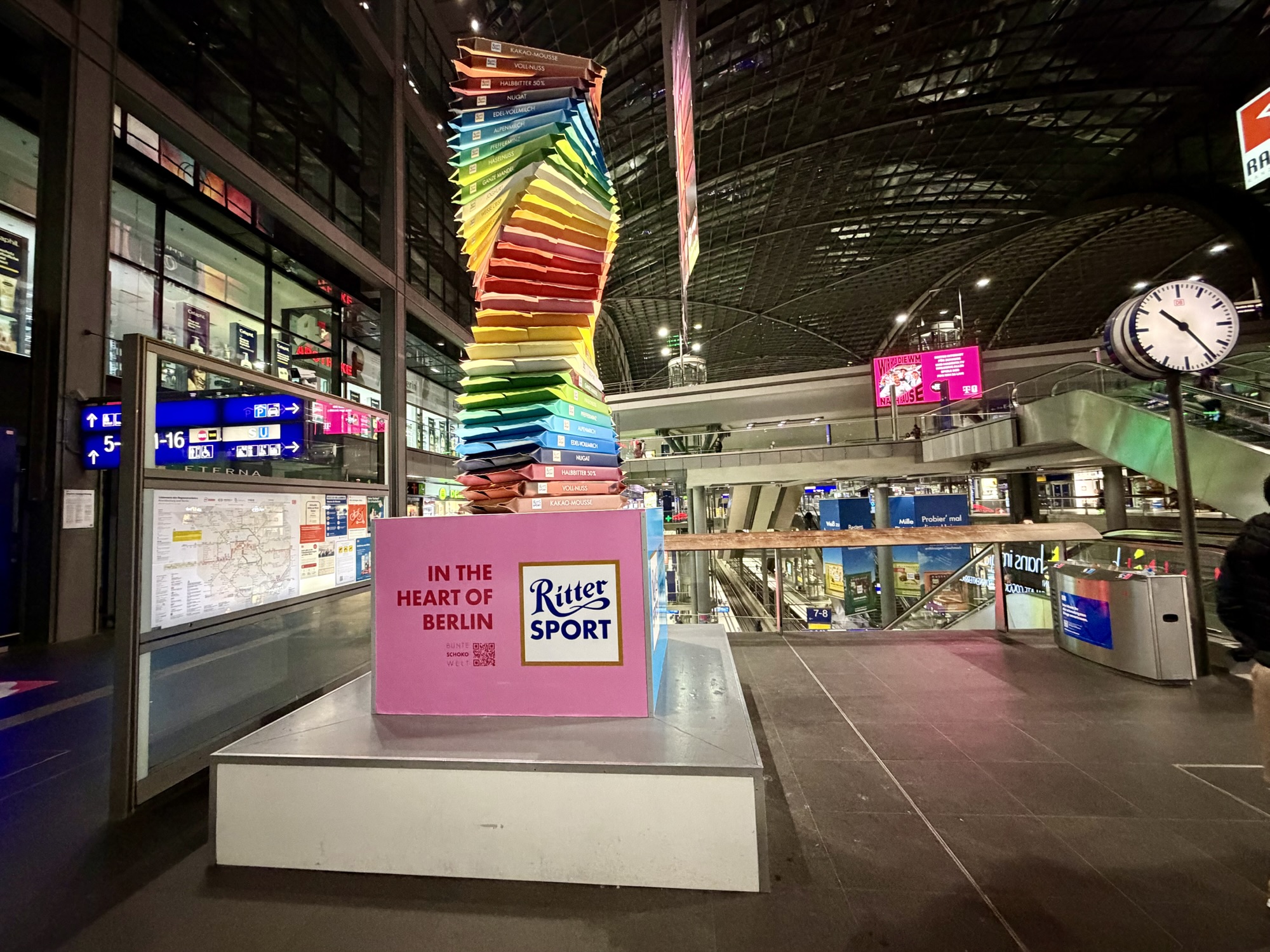
We had booked a basic sleeper compartment with five beds. There was one woman already in the compartment. No one else would be joining us, the conductor stated as she checked our tickets. She also told us that even though the train was more than an hour late we would still arrive in Amsterdam at the scheduled time which meant an hour less sleep than we were expecting. The company is called the European Sleeper. The beds were incredibly narrow as was the space between them. I can’t imagine how tight it would’ve been with five people in there. It was very late, and I was very cold and tired. I knew I would have to be up early to get off the train in Amsterdam. Shockingly, I didn’t take a single picture on the train. As I write this and look at the website, I see that we could have had more comfortable sleeping accommodations, but the next level up would have been more than double the €55 that we each that we paid.
The last time I was on a sleeper train was in 1987.
Goodbye Berlin. I look forward to waking in Amsterdam.
Discover more from Lisa Stokes
Subscribe to get the latest posts sent to your email.