I was getting behind on the daily blog posts, so, having written the first two weeks, I decided to take a break and finish writing about the trip when I got home. Over the next few weeks, I will publish the last nine days of the trip. This will include touring Wroclaw, Berlin, and back to Amsterdam.
I woke at 7:30, saw that Alina was already up, and said I needed another half hour of sleep. The next time I woke was 10. I felt much better. Alina discovered a number of maintenance issues in her apartment that she will have to deal with over the next few days, which caused her a restless night and prevented her from sleeping in.
We discovered that the bike tires needed pumping, so Alina borrowed a pump from a neighbour. Then we rode to a convenience store to pick up a few things for breakfast.
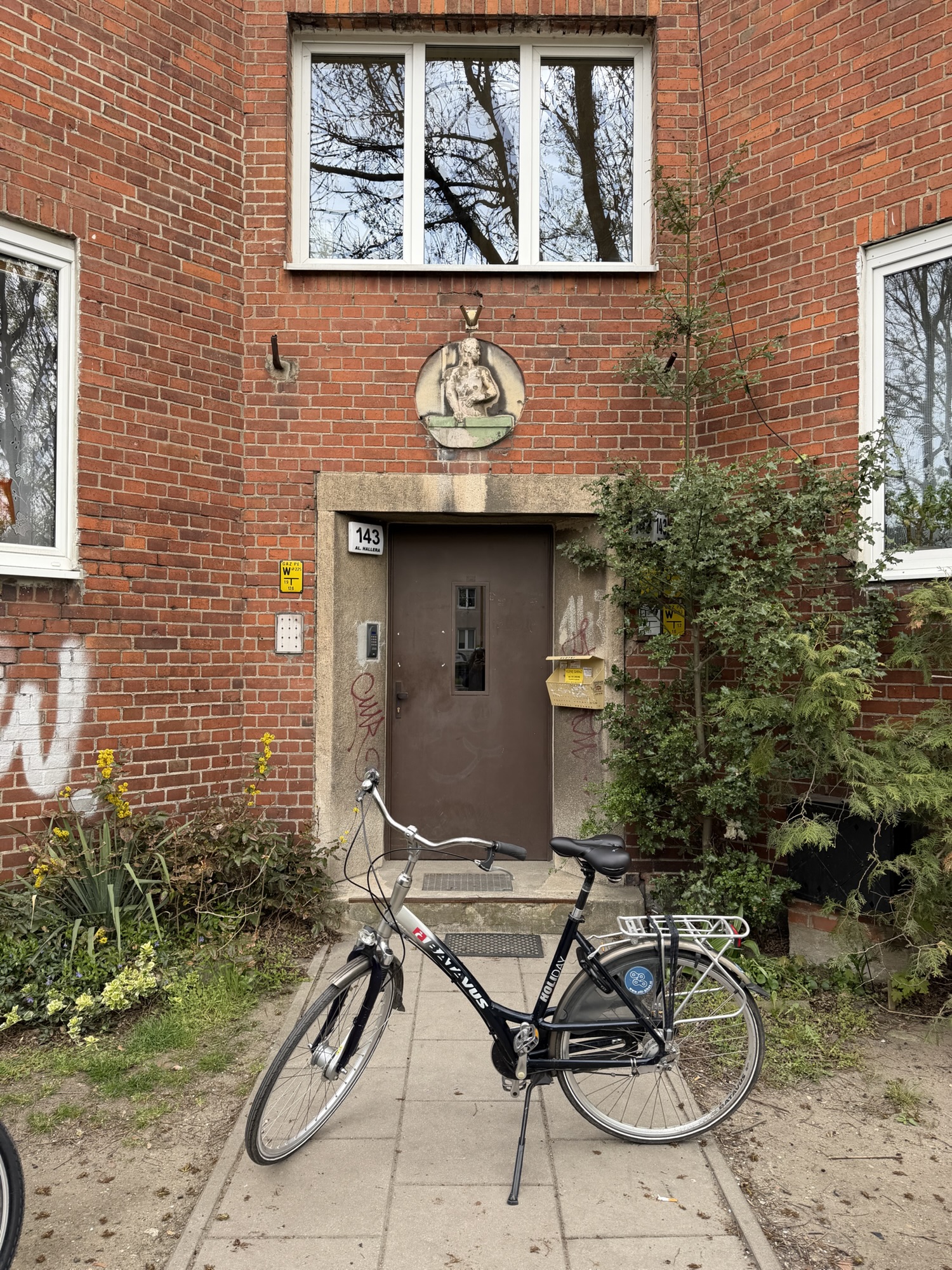
It was noon by the time we were ready to leave again. I was grateful for the slower start. Alina generously loaned me the nice city bike that she bought herself last fall, and is riding a folding bike borrowed from a friend.
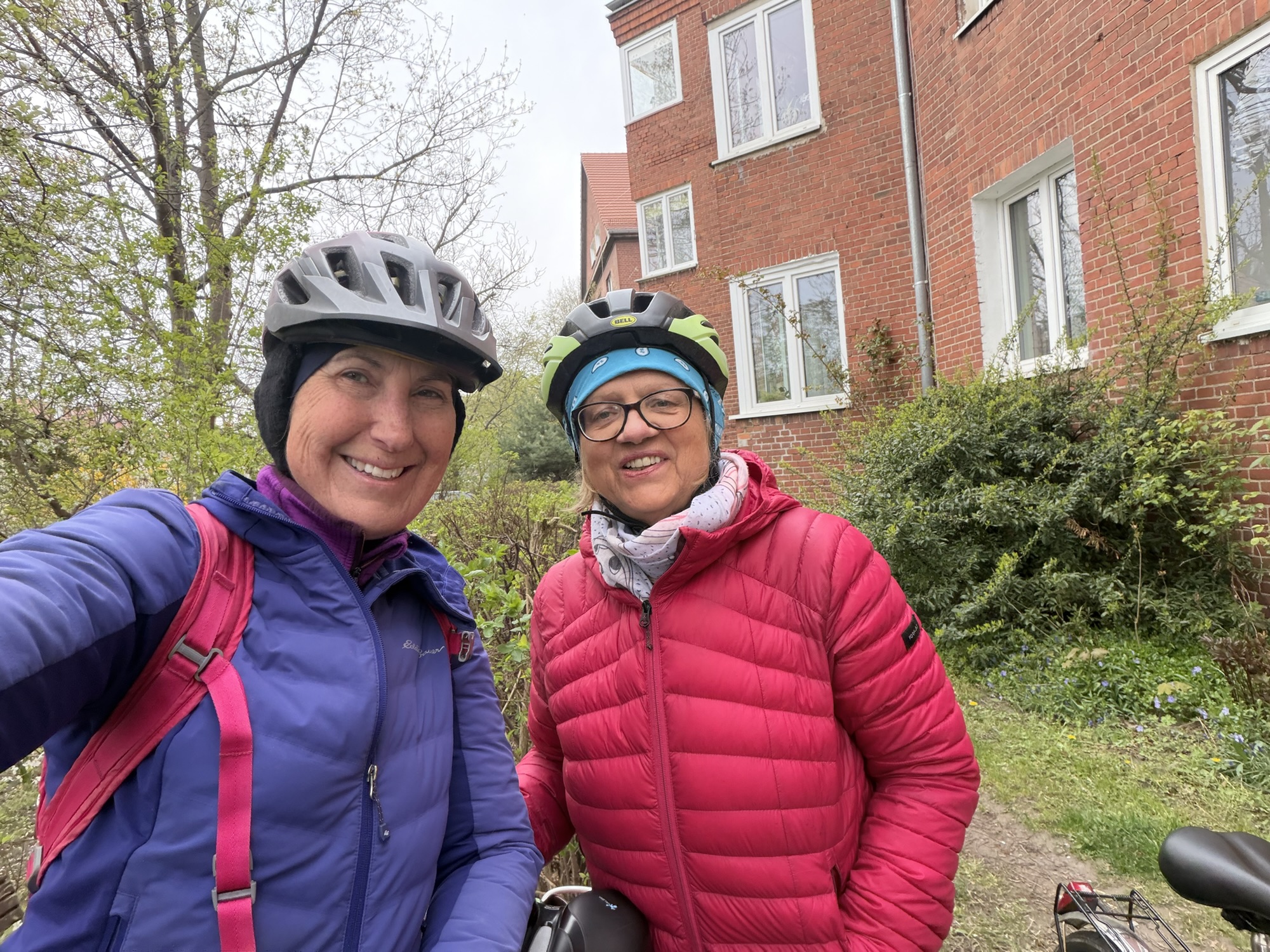
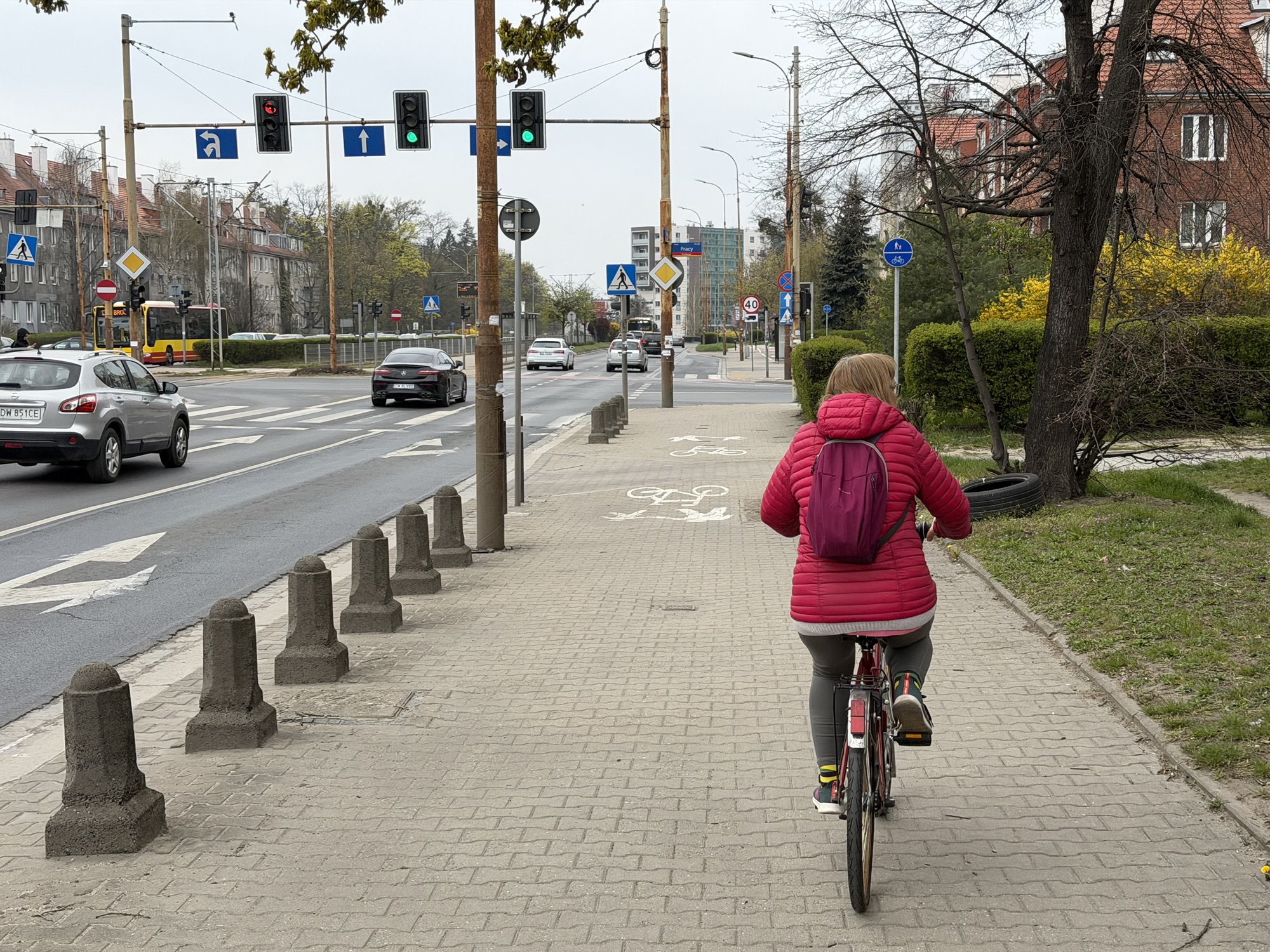
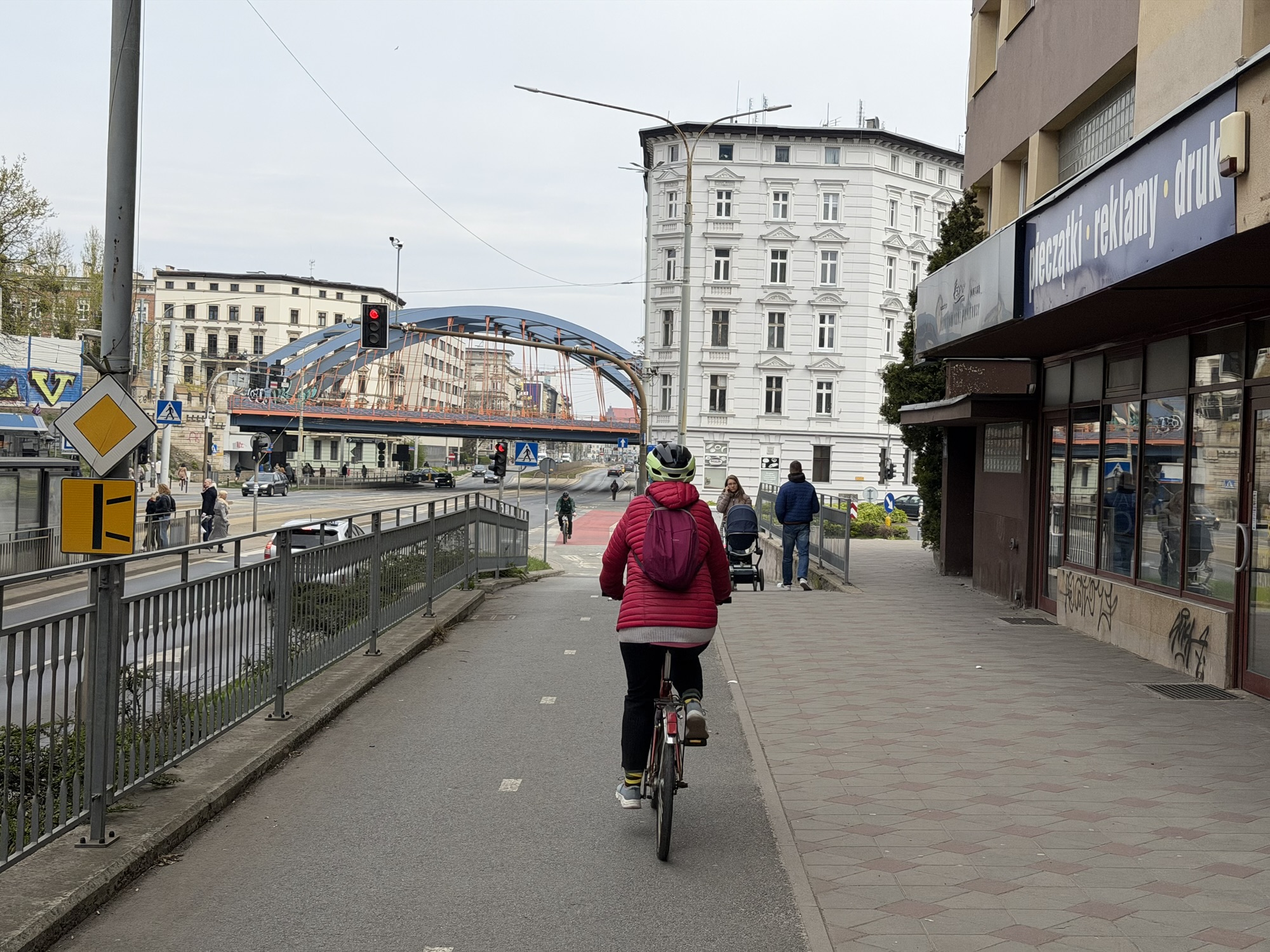
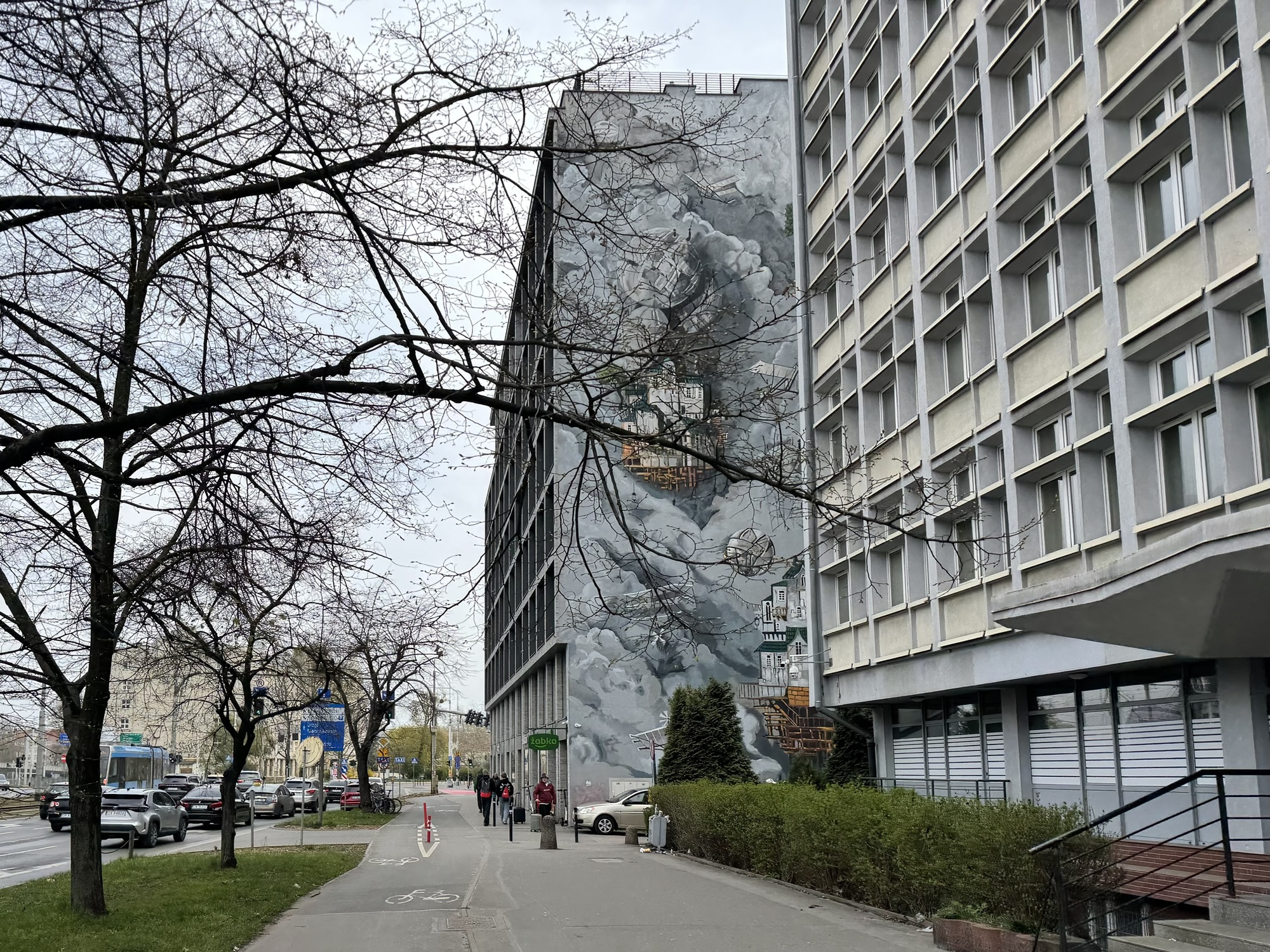
We were on cycling infrastructure right from Alina’s front door and adjacent to a tram line. On only the smallest residential streets were cars and bikes sharing the same space. Here is a slideshow of images from our ride to the museum. In the second image, despite the excellent progress Wroclaw has made transitioning to sustainable transport (more about that later), you can see that there are still spaces where the car triumphs over Active Transportation spaces.
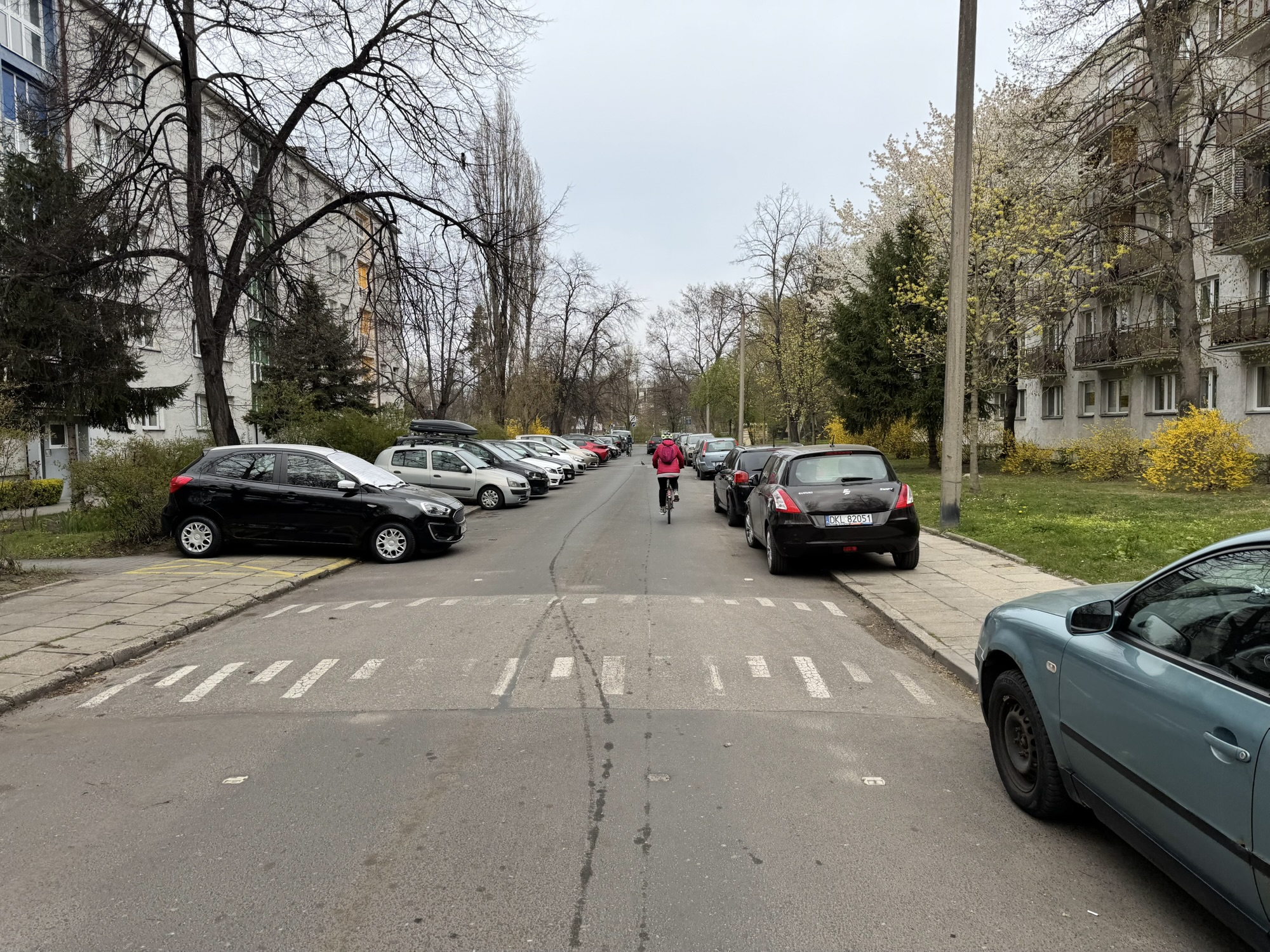
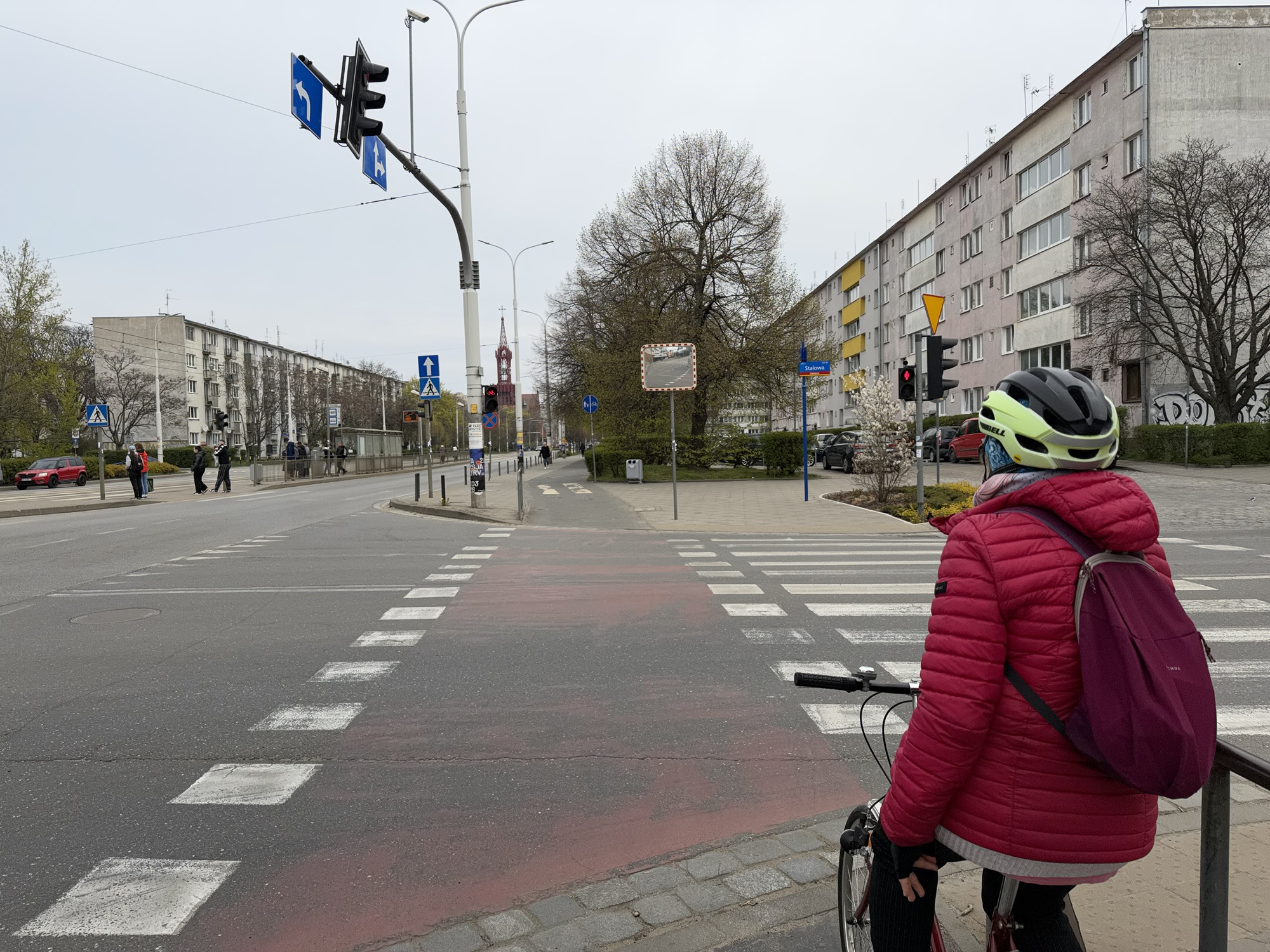
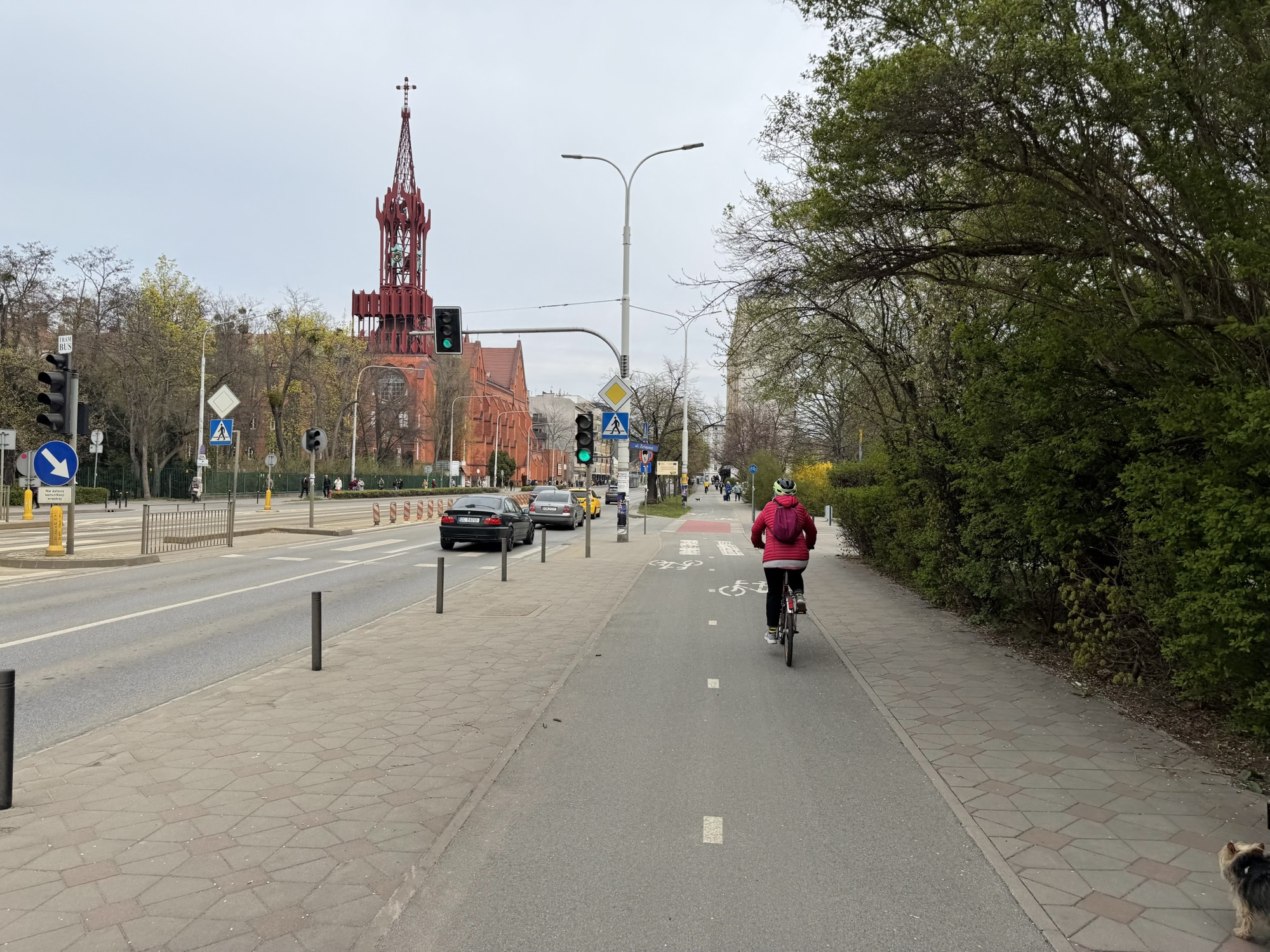
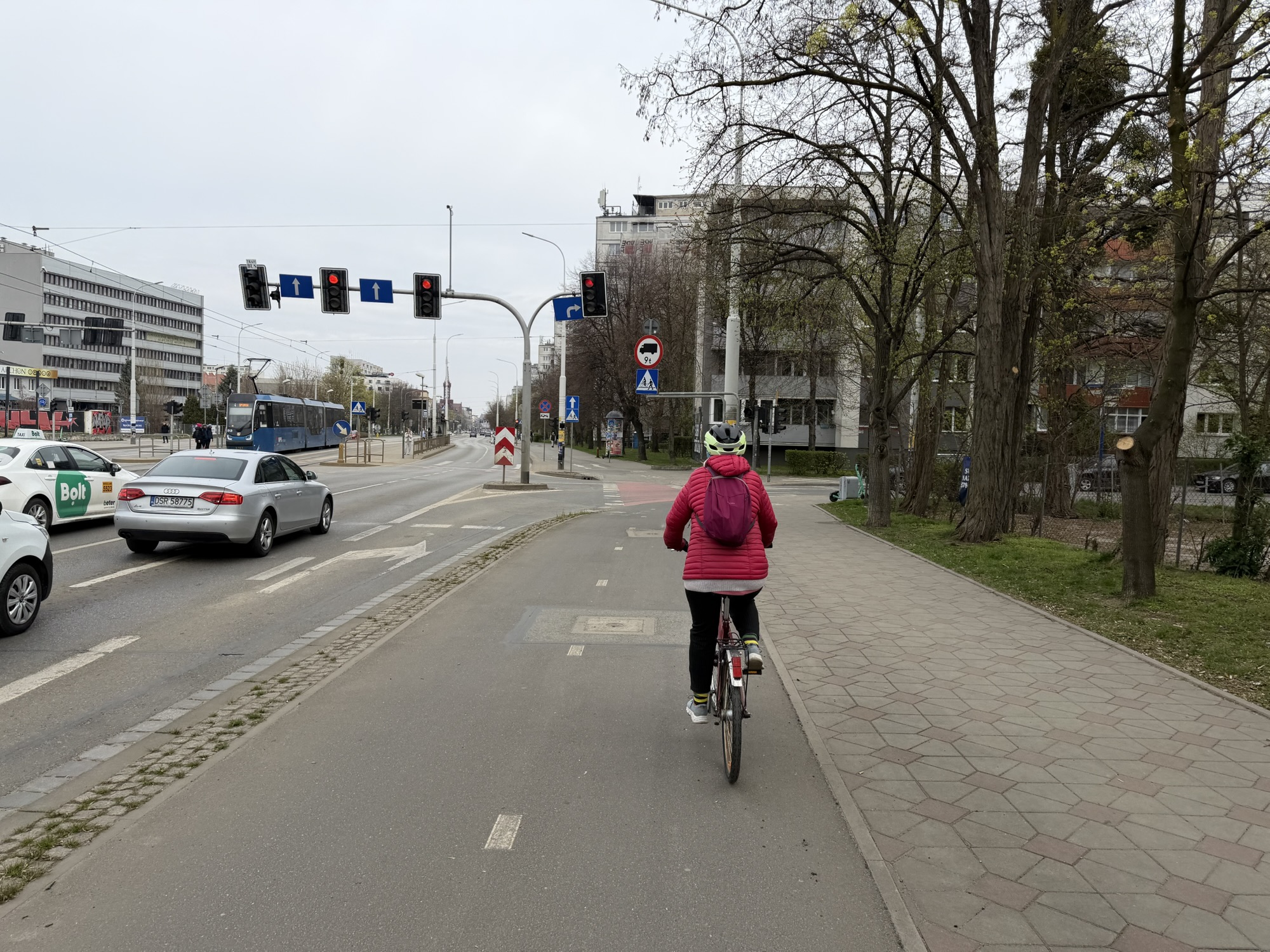
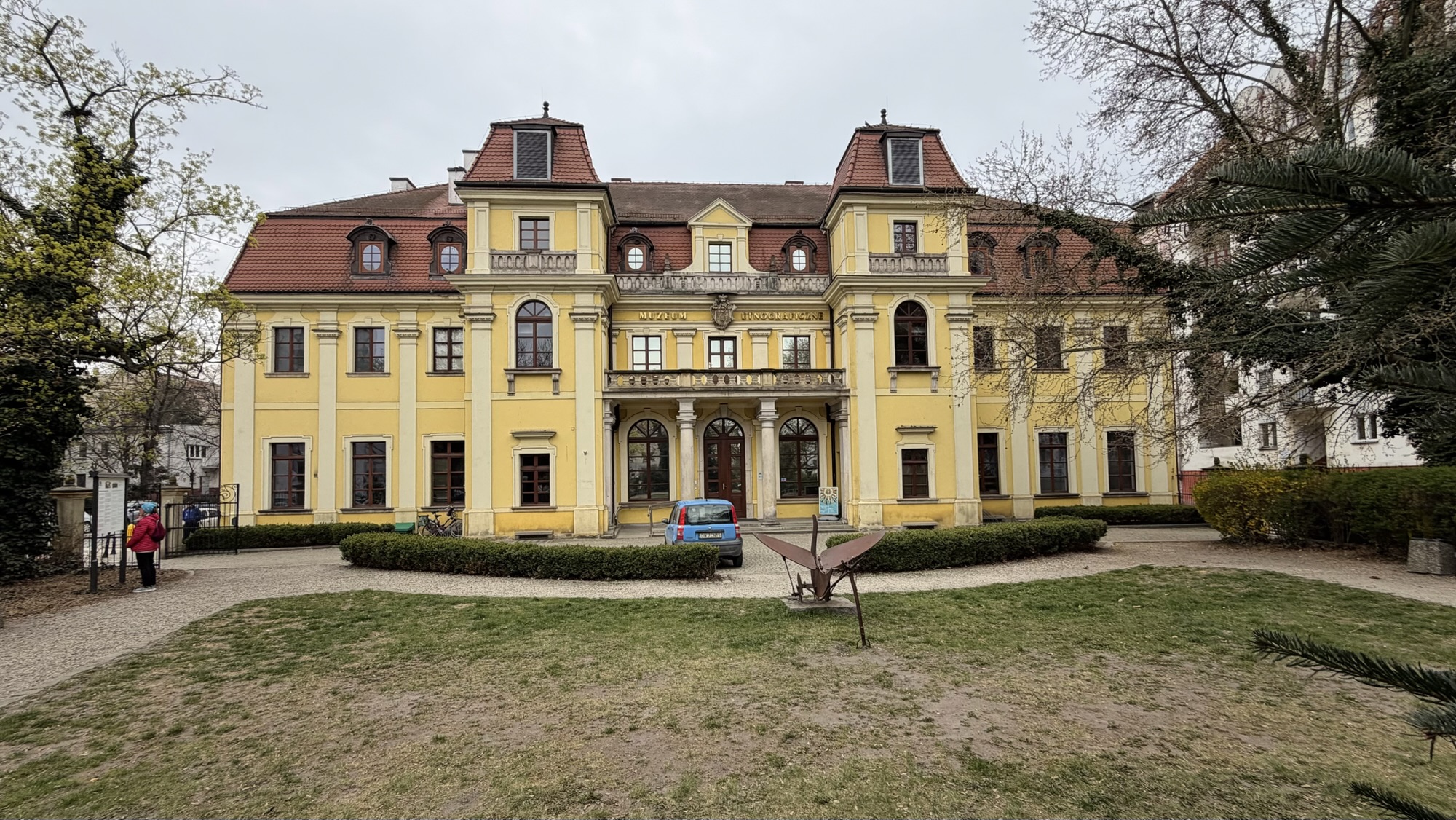
We cycled to the Ethnographic Museum, which is dedicated to regional Culture Lower Silesia. The building dates to the 16th century. We were there for the Easter Egg and Palms exhibit. It was a small exhibition of decorated eggs, with traditional and modern techniques, and palms.
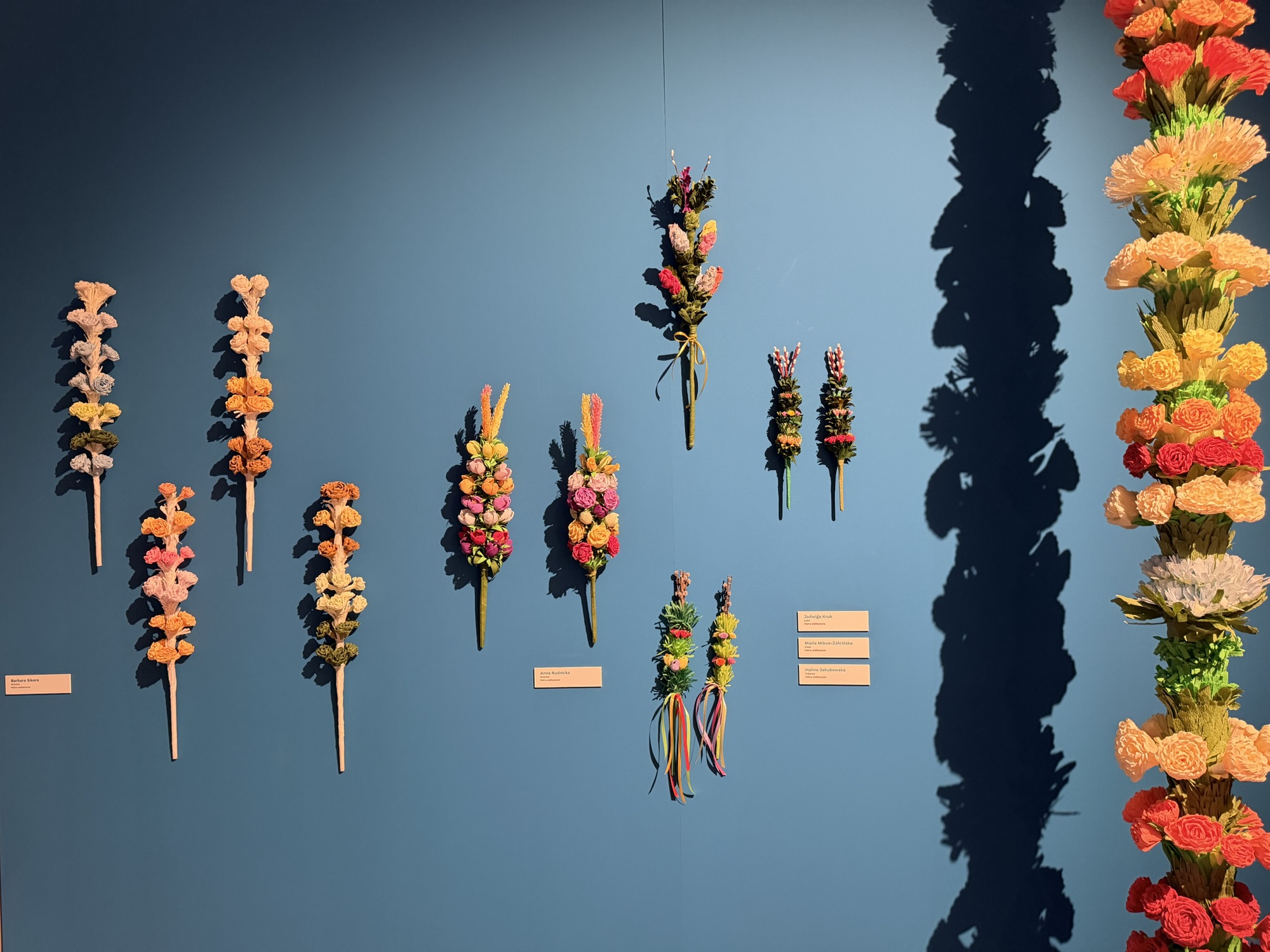
The eggs ranged in size from the familiar chicken egg to enormous ostrich eggs.
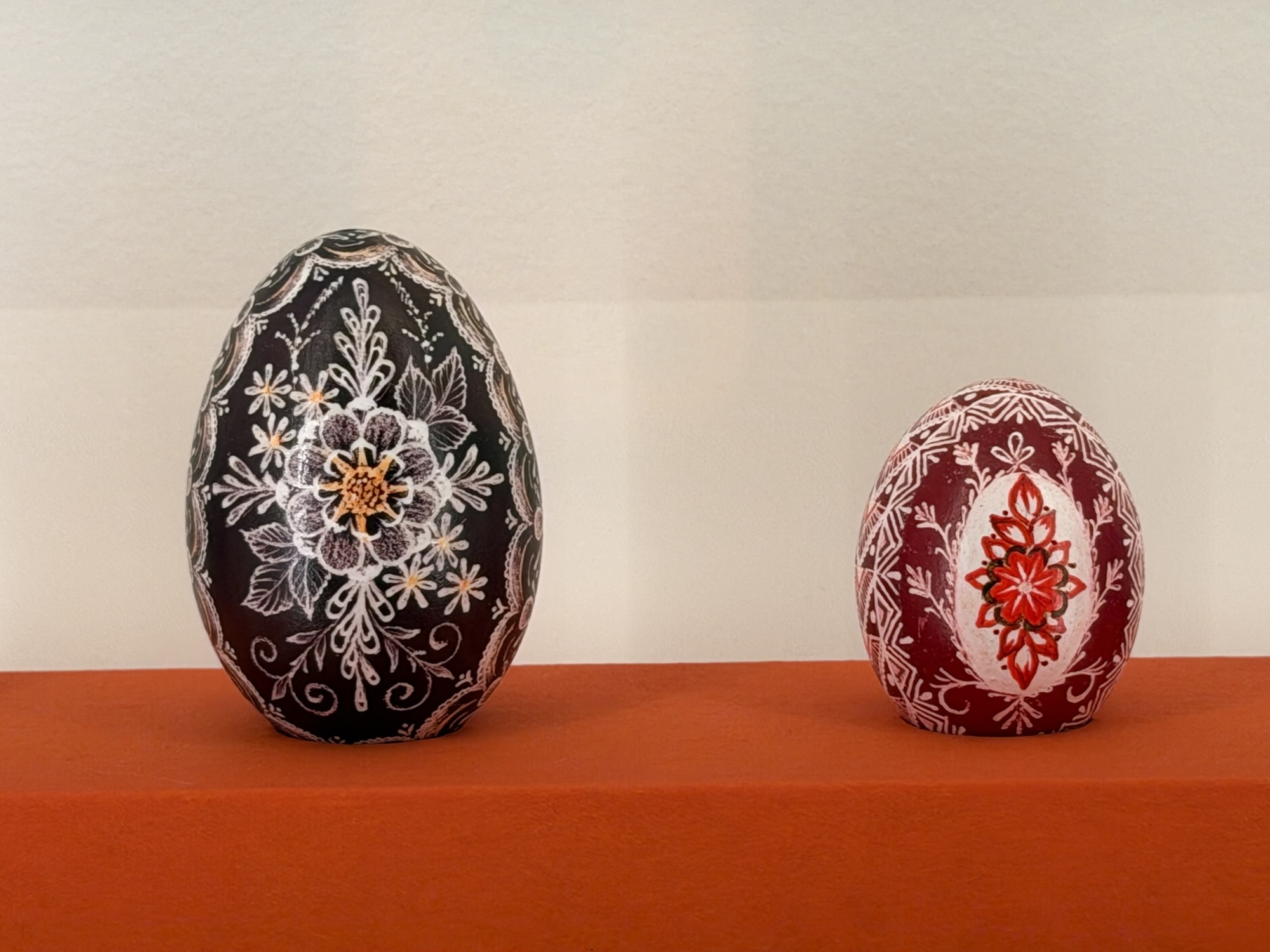
One artist, a dentist by day, uses her dental tools to carve intricate patterns in egg shells.
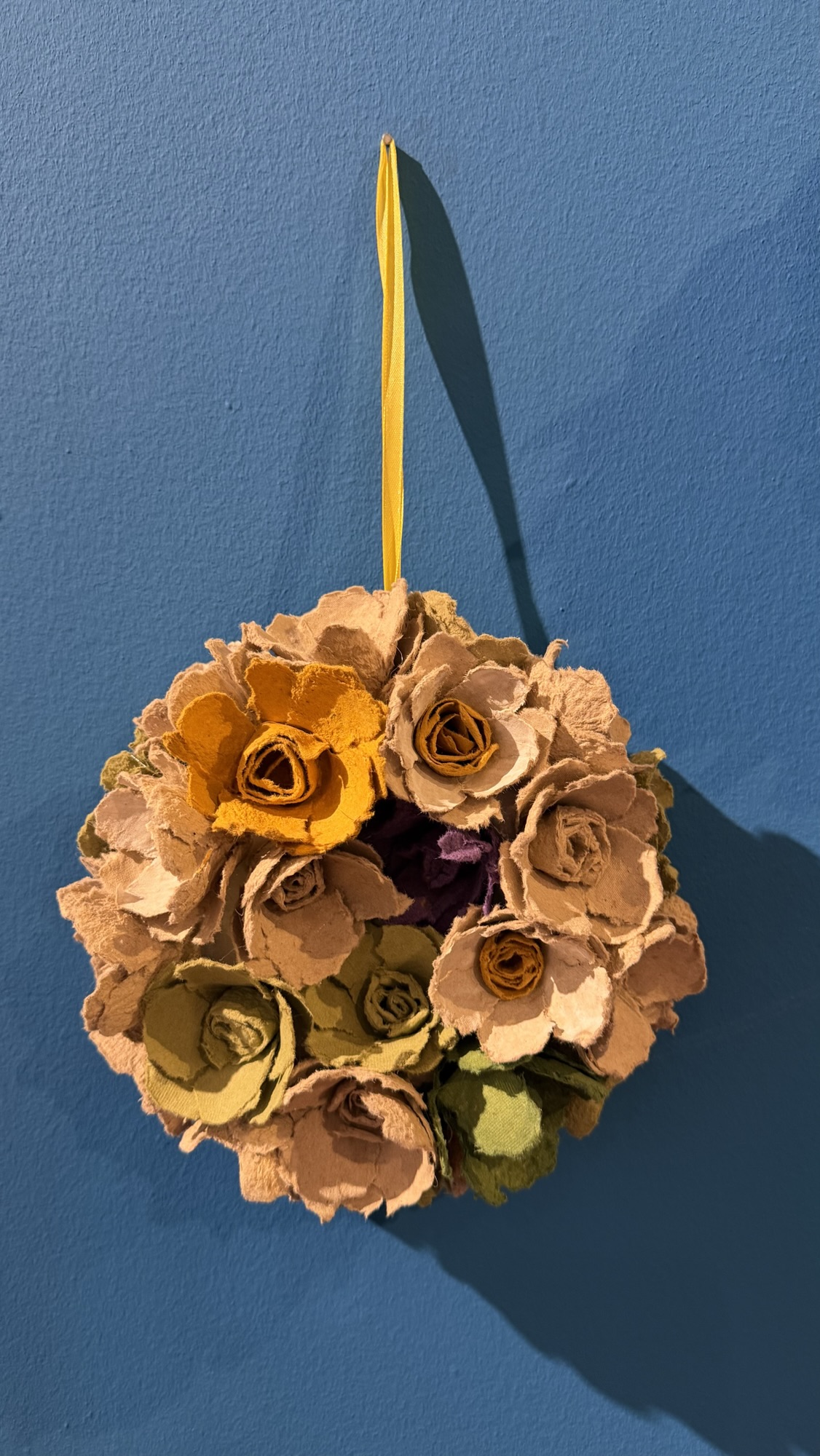
This bouquet was made out of variously coloured egg cartons.
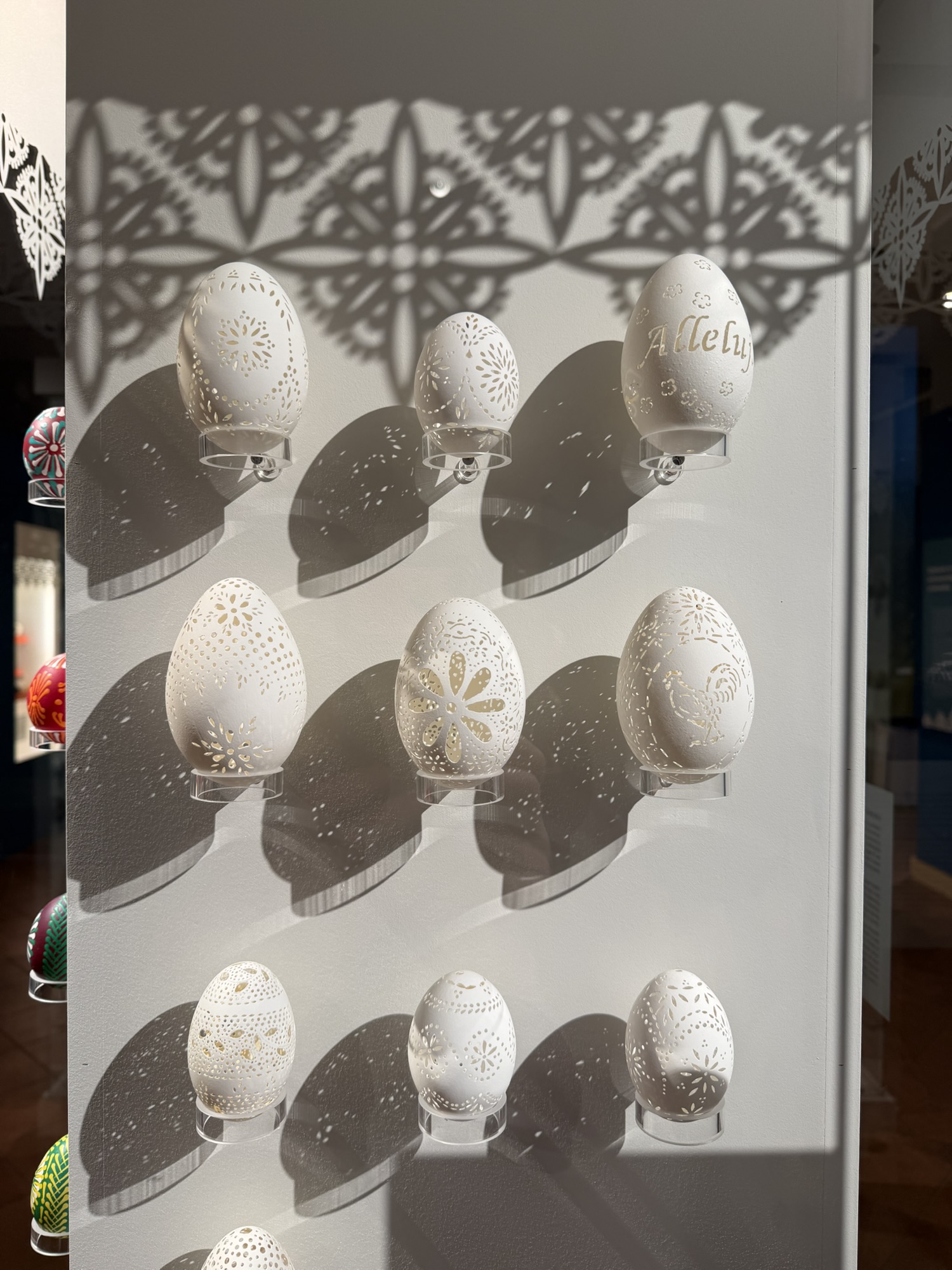
One of the artists cut detailed patterns into large sheets of paper.
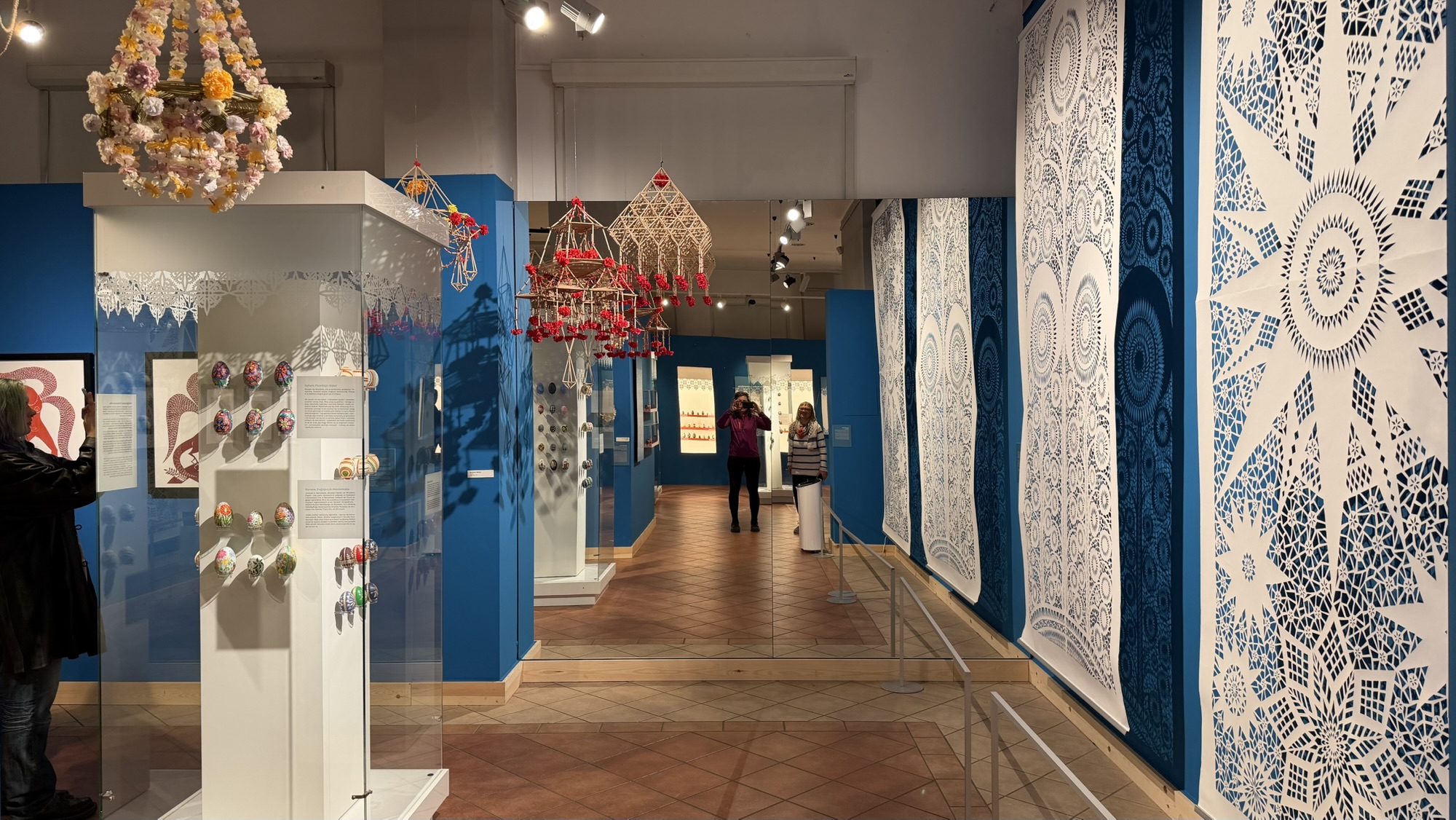
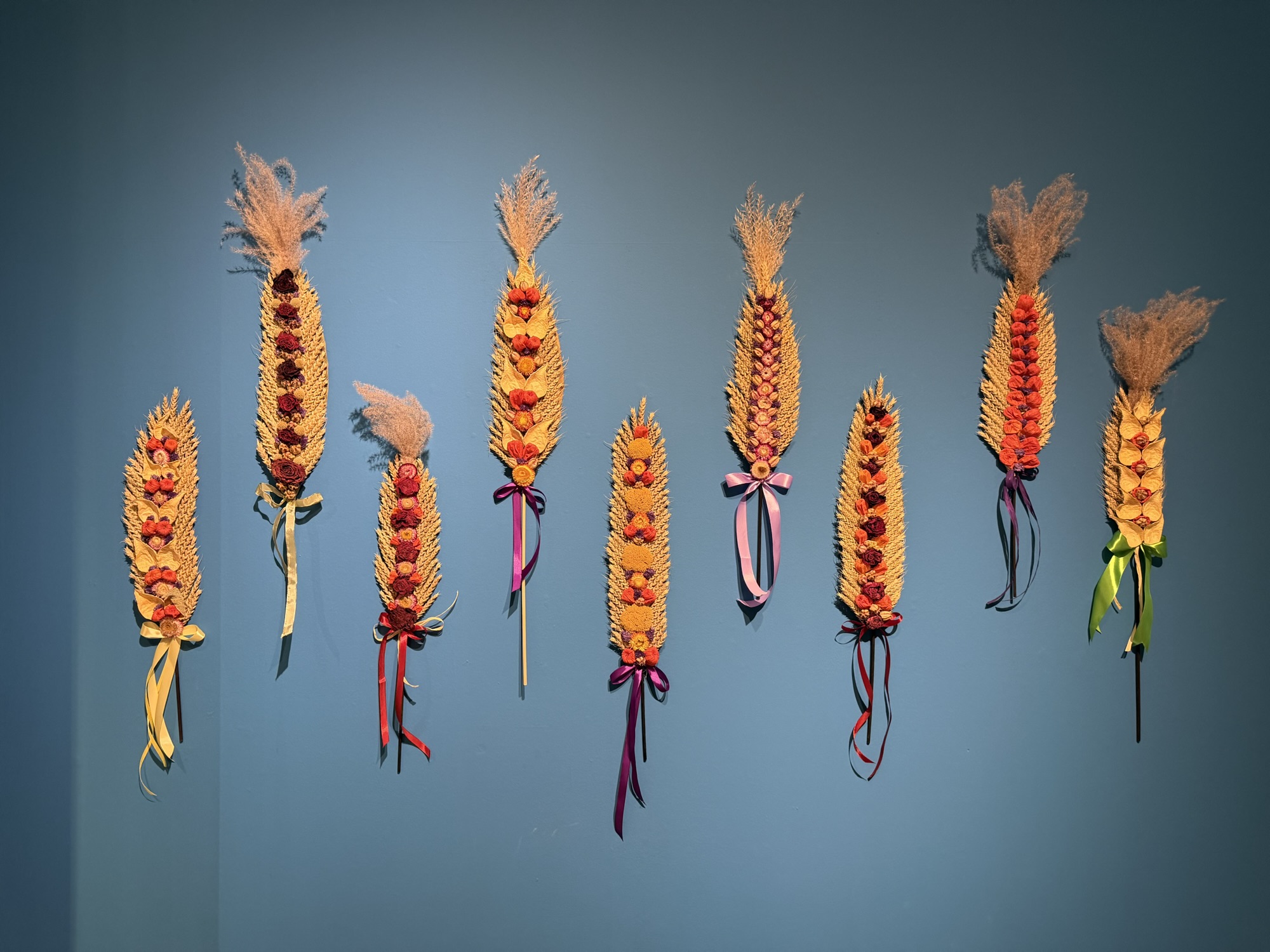
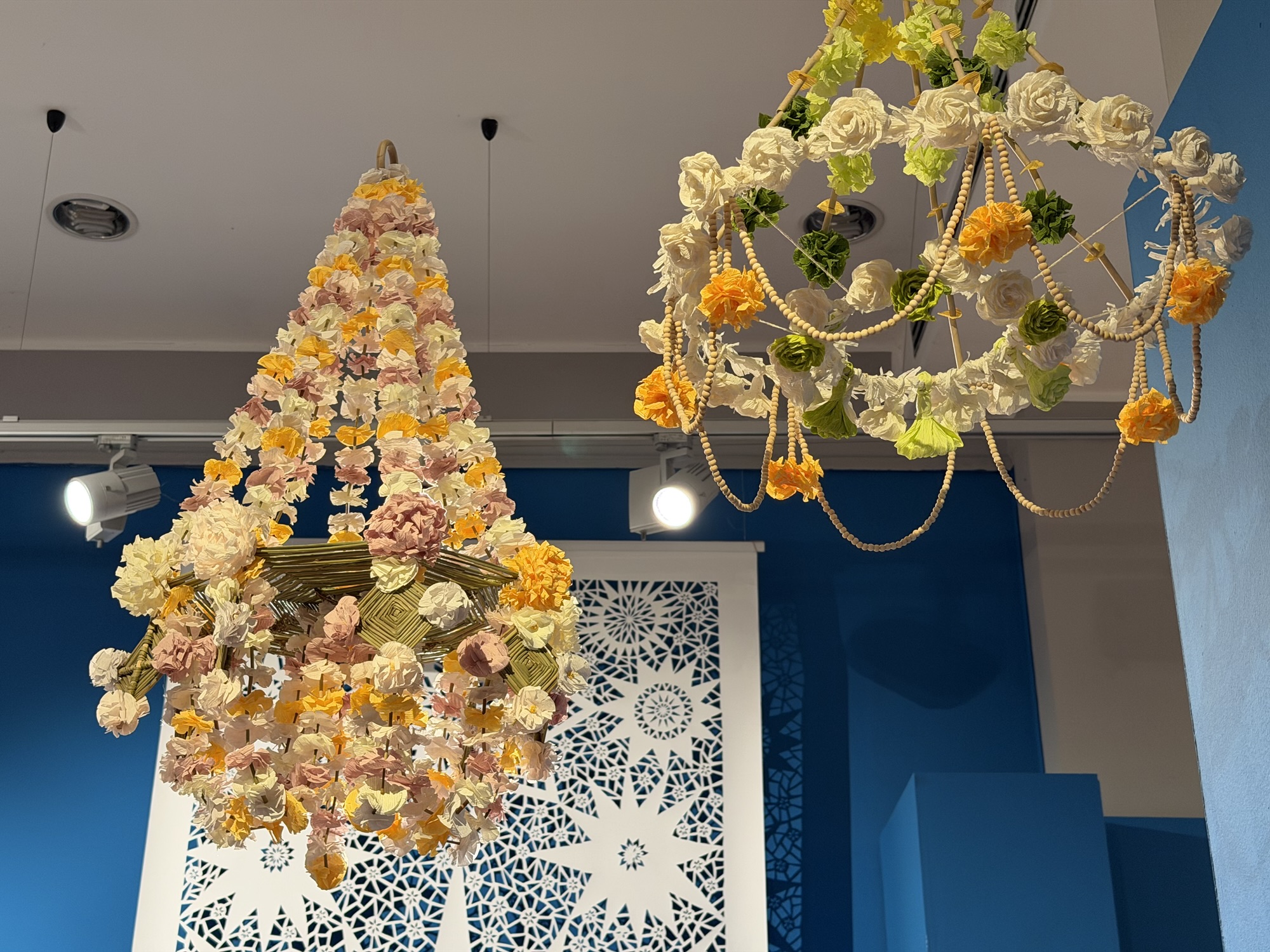
Pająki (Polish for “spiders”) are traditional Polish chandeliers made of straw, paper, and yarn, crafted for Easter to ensure prosperity and happiness.
By the time we finished at the museum, I was feeling in need of a coffee, but we didn’t have long before we were supposed to meet Alina’s high school friends for a reunion. We parked our bikes and walked into a mall in search of a coffee shop, which we found. I got a takeout latte, and then we continued on to Mango Mama, the restaurant where the reunion was taking place.
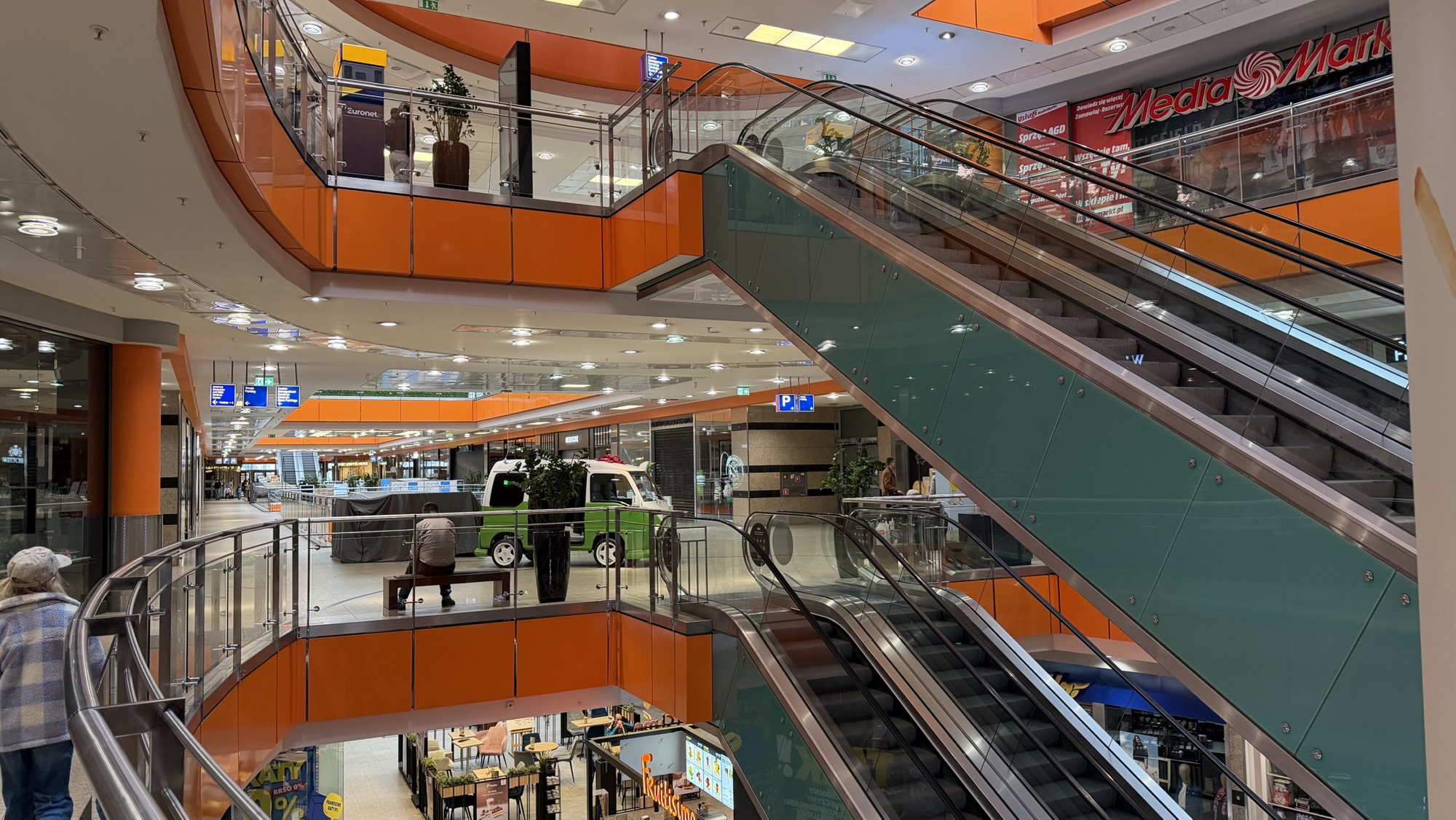
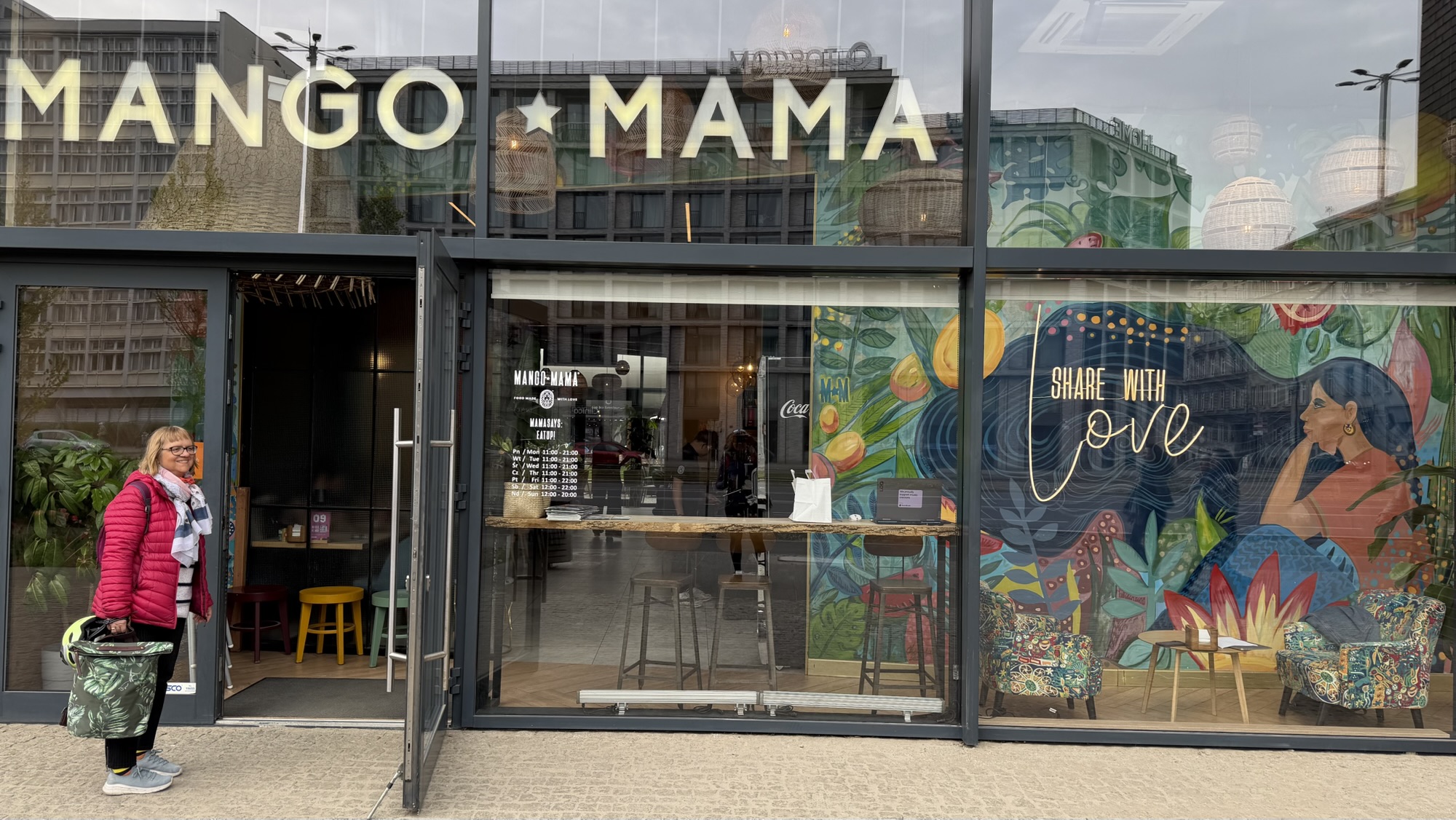
I met some of Alina‘s friends, but there were too many to fit around the table, and only one other person who spoke English. I told Alina I would entertain myself so she wouldn’t have to worry about entertaining me. I went back to the coffee shop and got a sandwich and cookie.
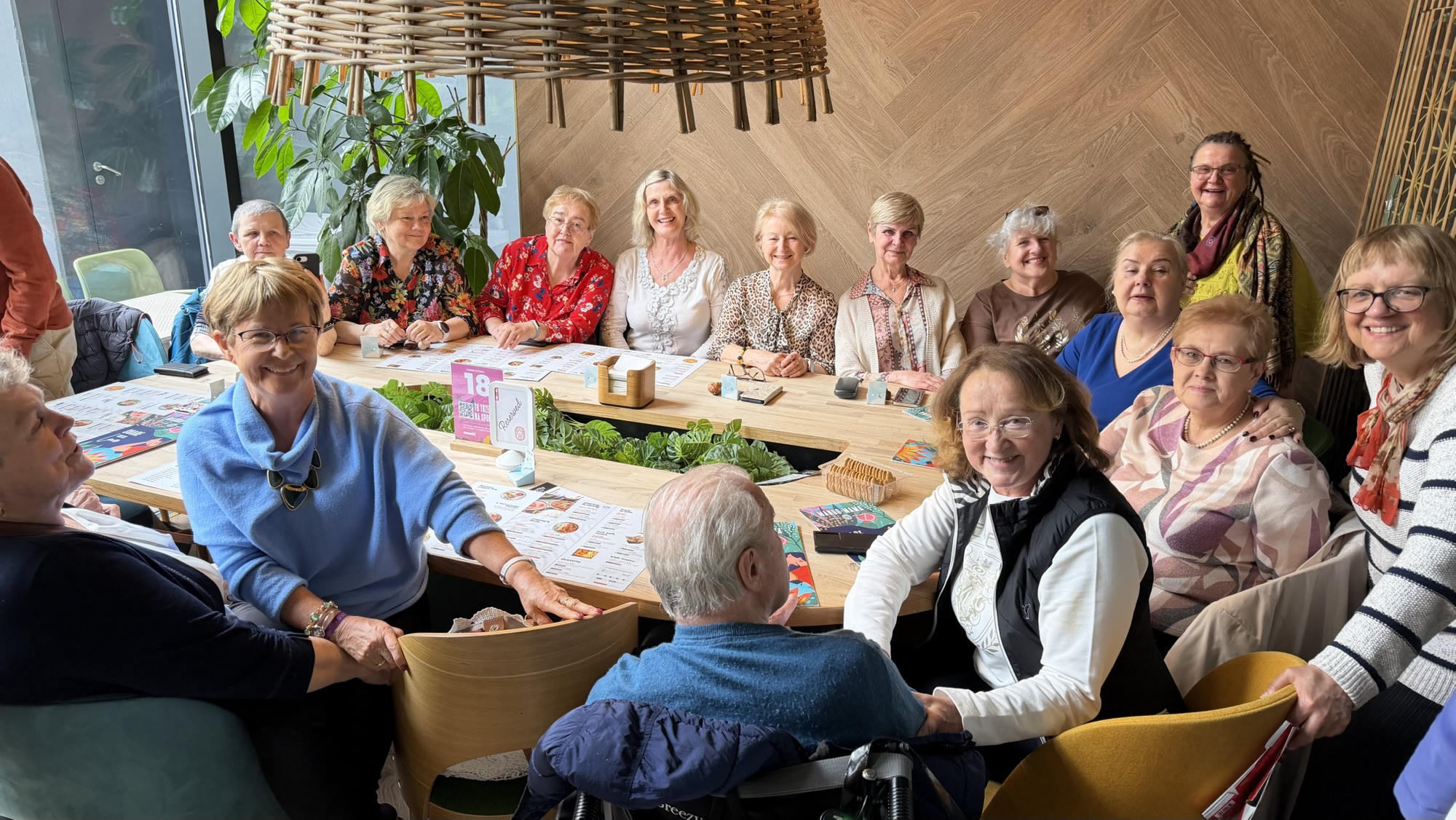
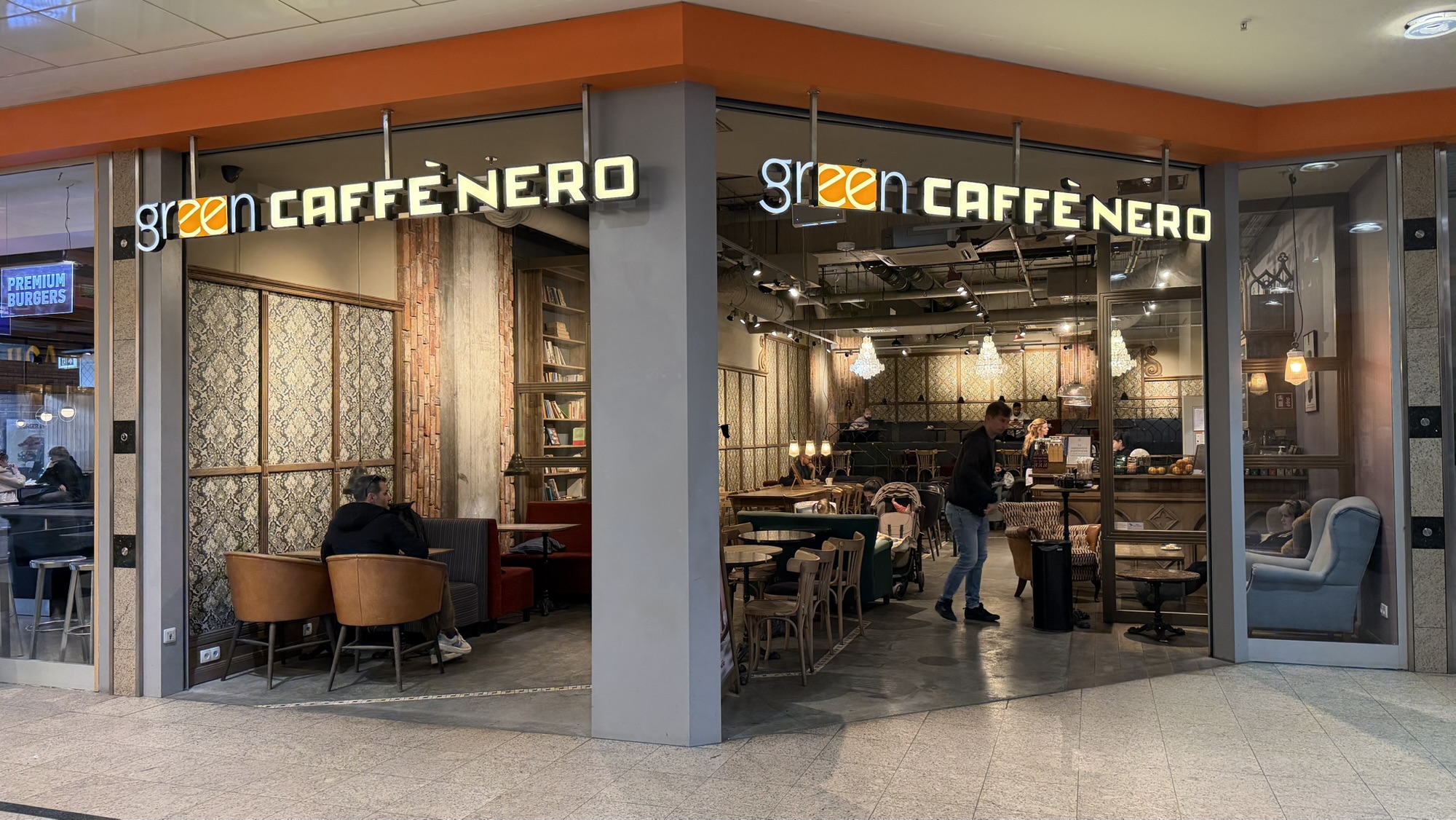
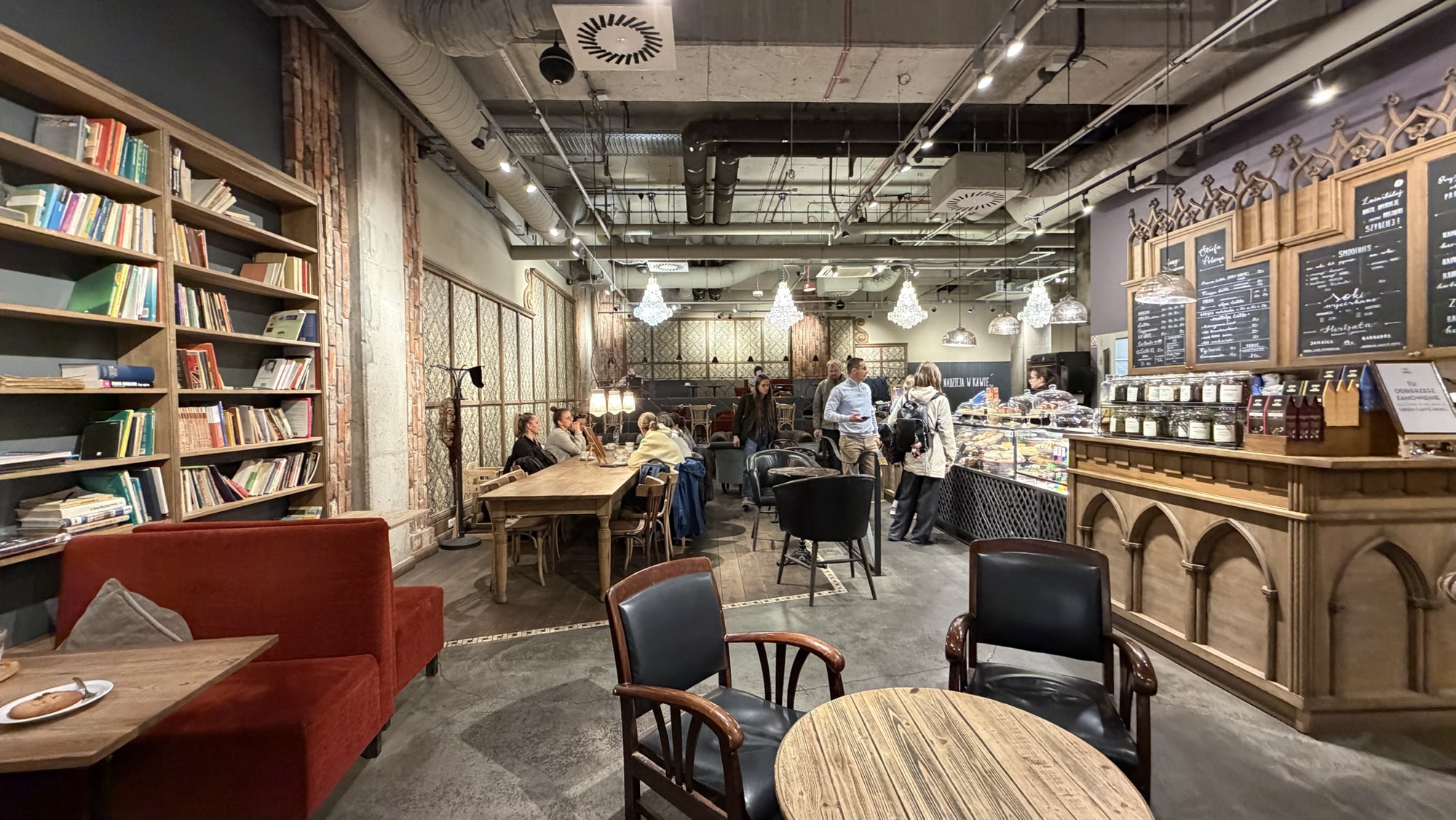
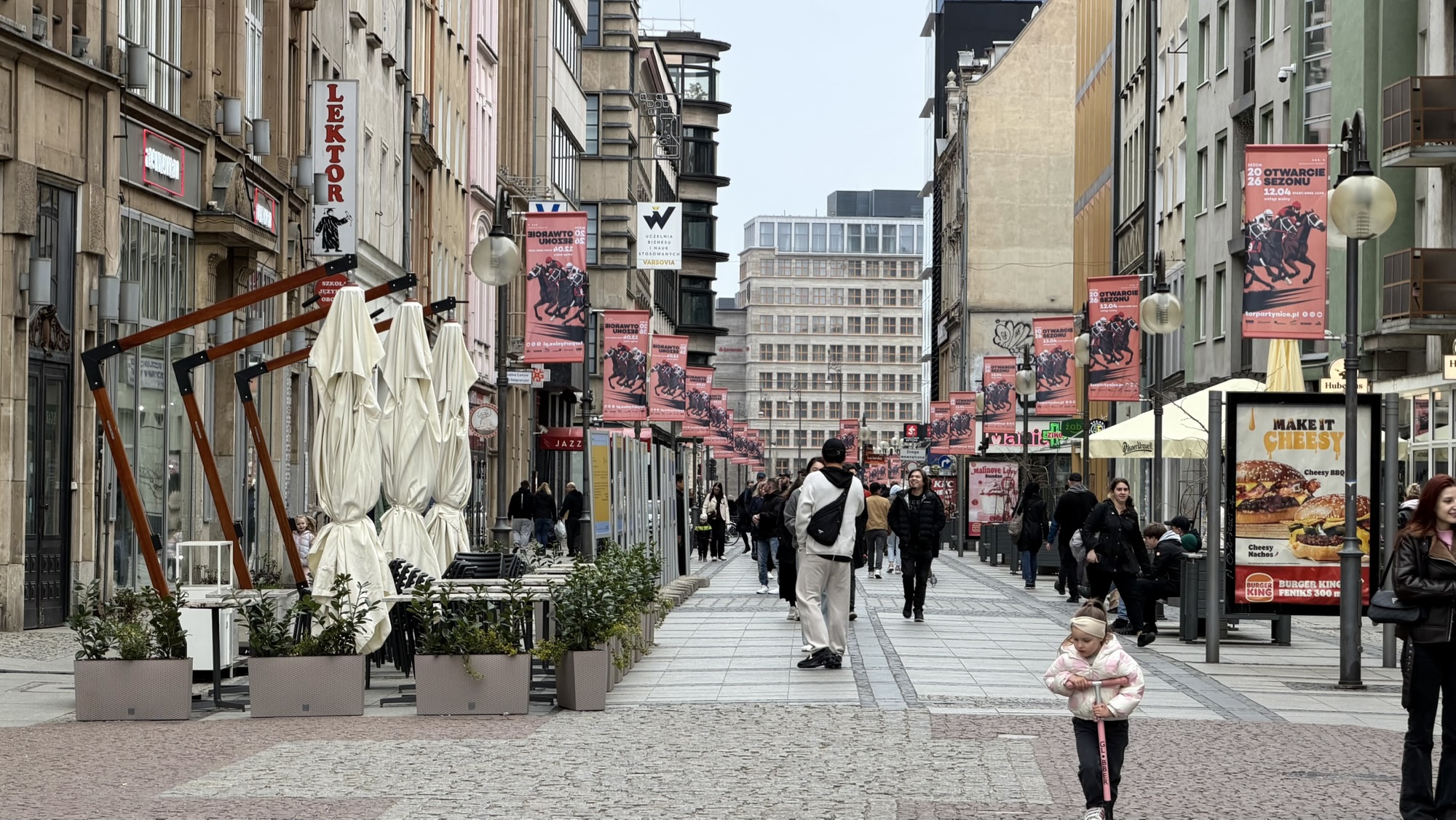
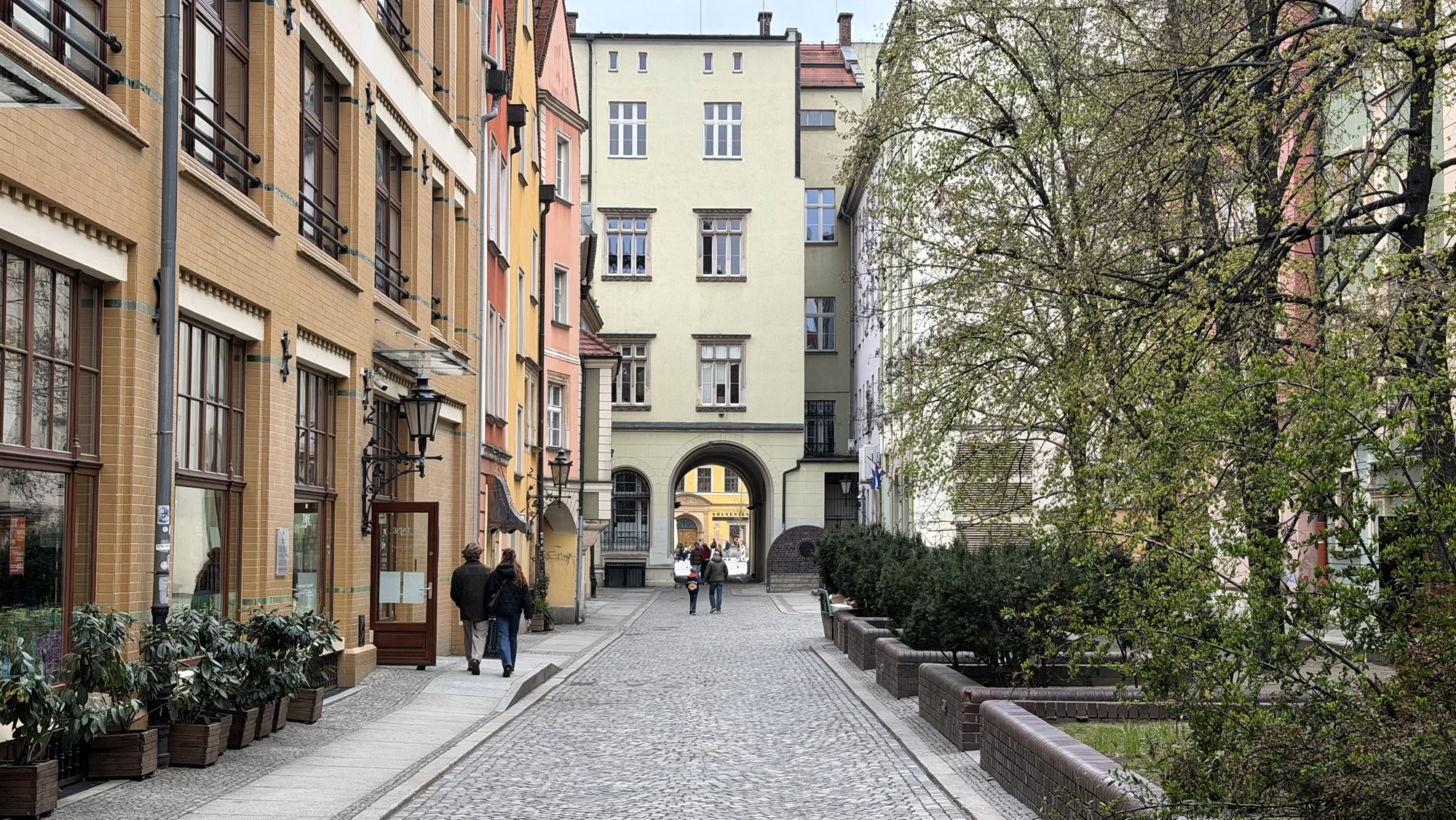
I then opened my Wroclaw (pronounced vrot-swaaf) list on Google Maps to see how close I was to the things I want to see while I’m here. I was very close to Market Square, or Rynek. This pedestrianized street connected the busy street, where the mall is located, to Rynek.
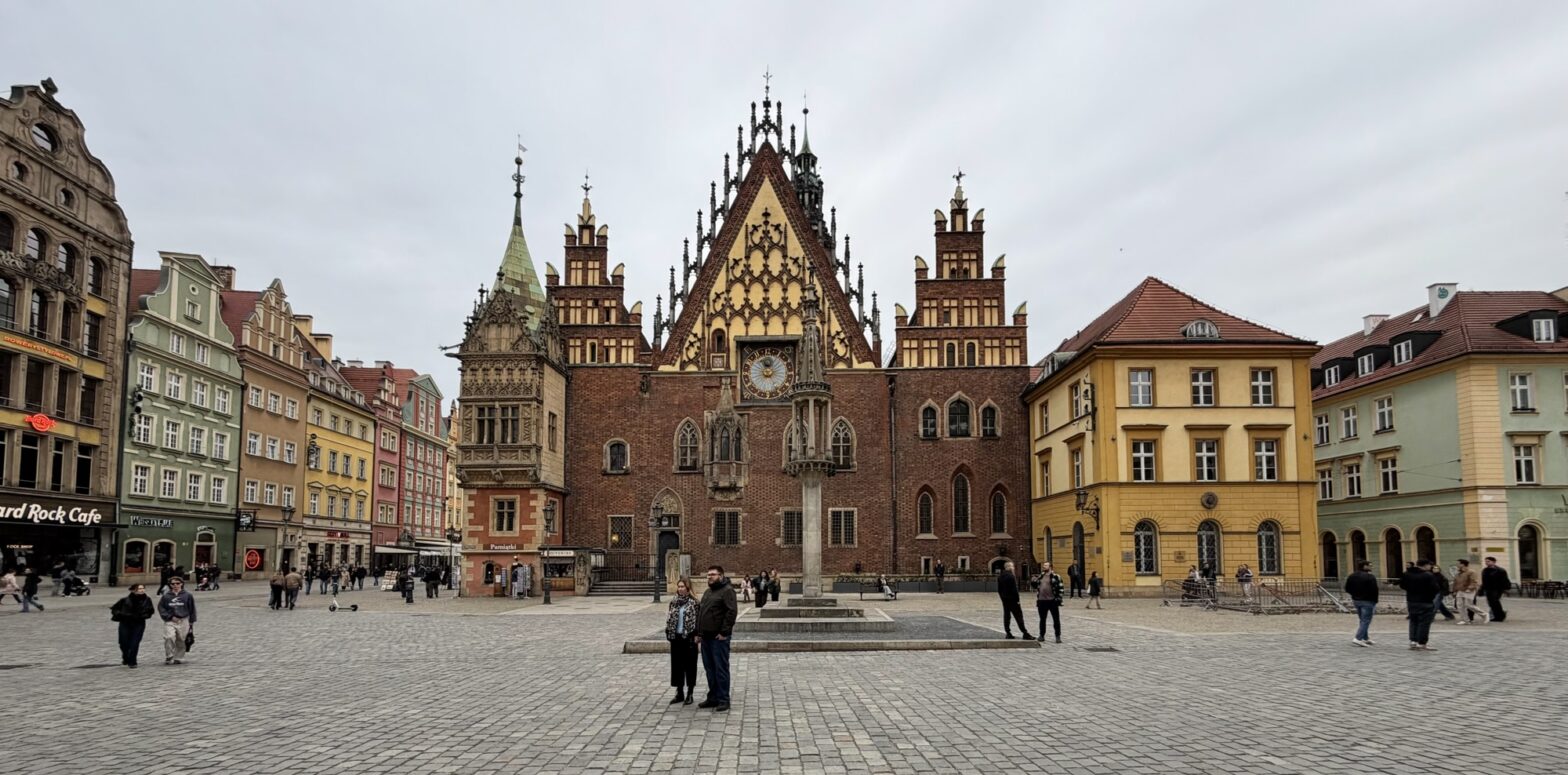
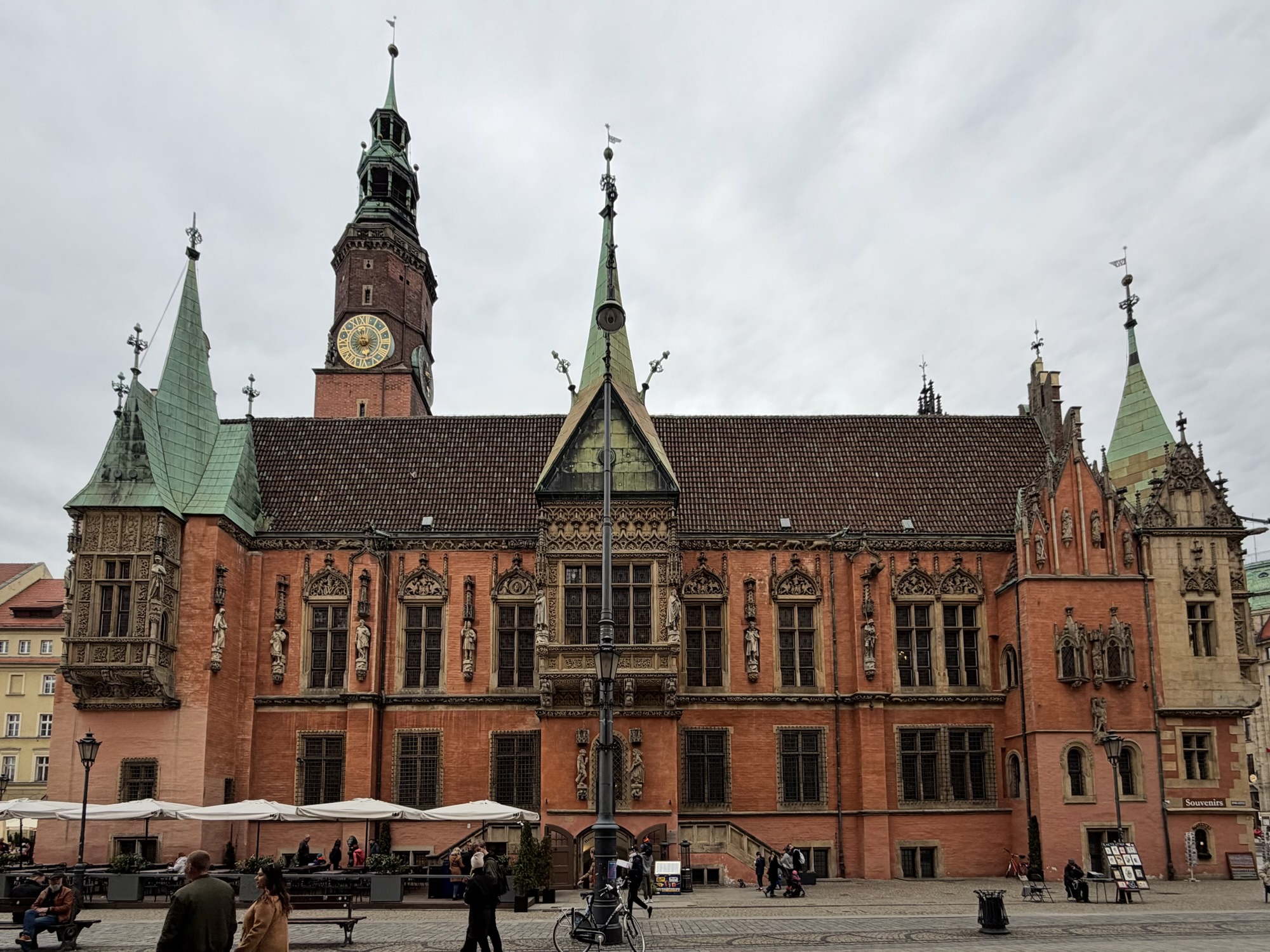
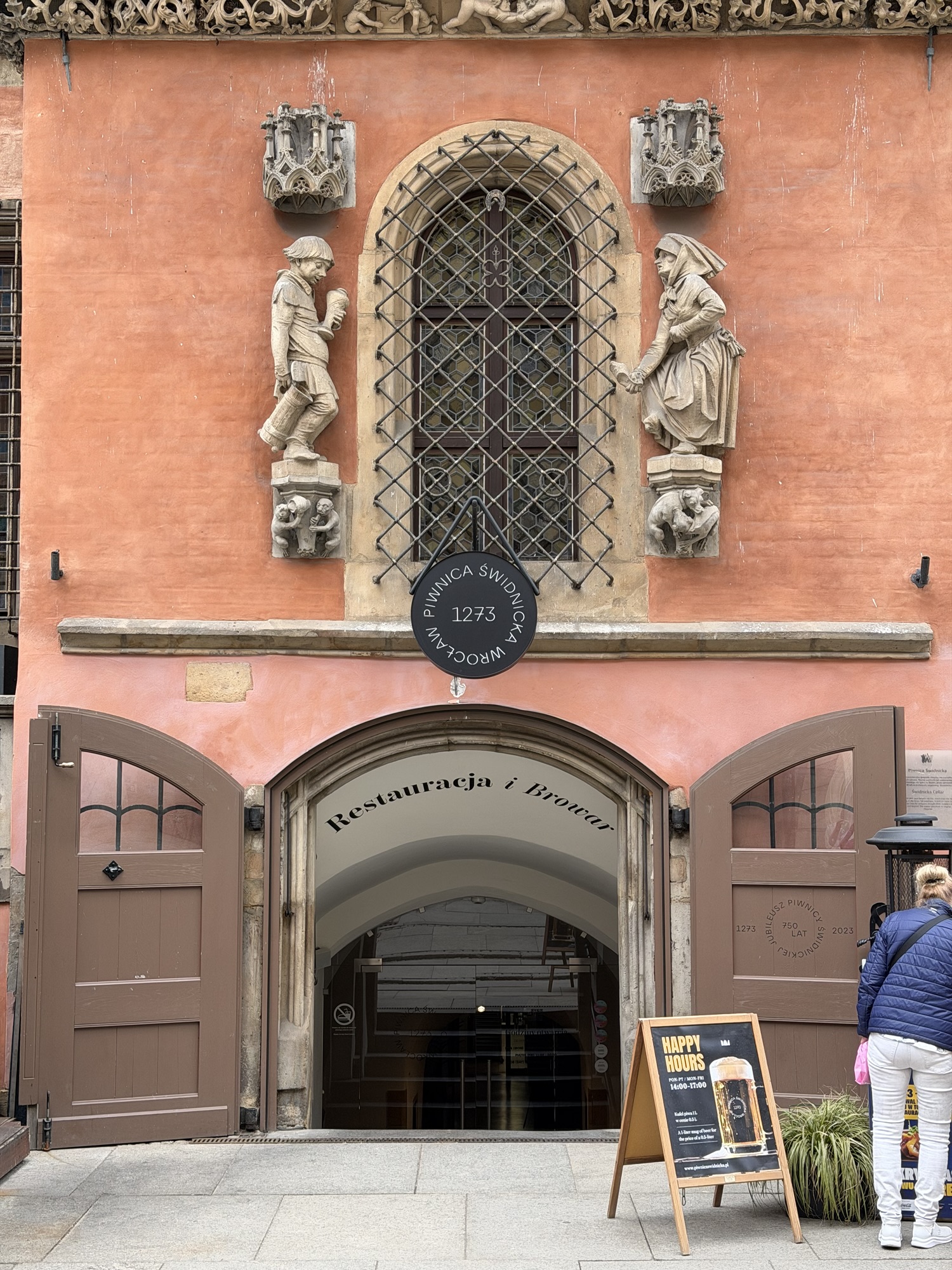
The Old Town Hall, or Ratusz in Polish, is a premier example of Gothic architecture in Europe which serves as the Museum of Bourgeois Art. It was built in the 13th century and contains the oldest restaurant in Europe, Świdnicka Cellar, established in 1273.
Above the door to the basement restaurant is a sculpture by Christian Behrens depicting a marital scene of a drunken husband returning with a beer mug and his furious wife preparing to strike him with her shoe.
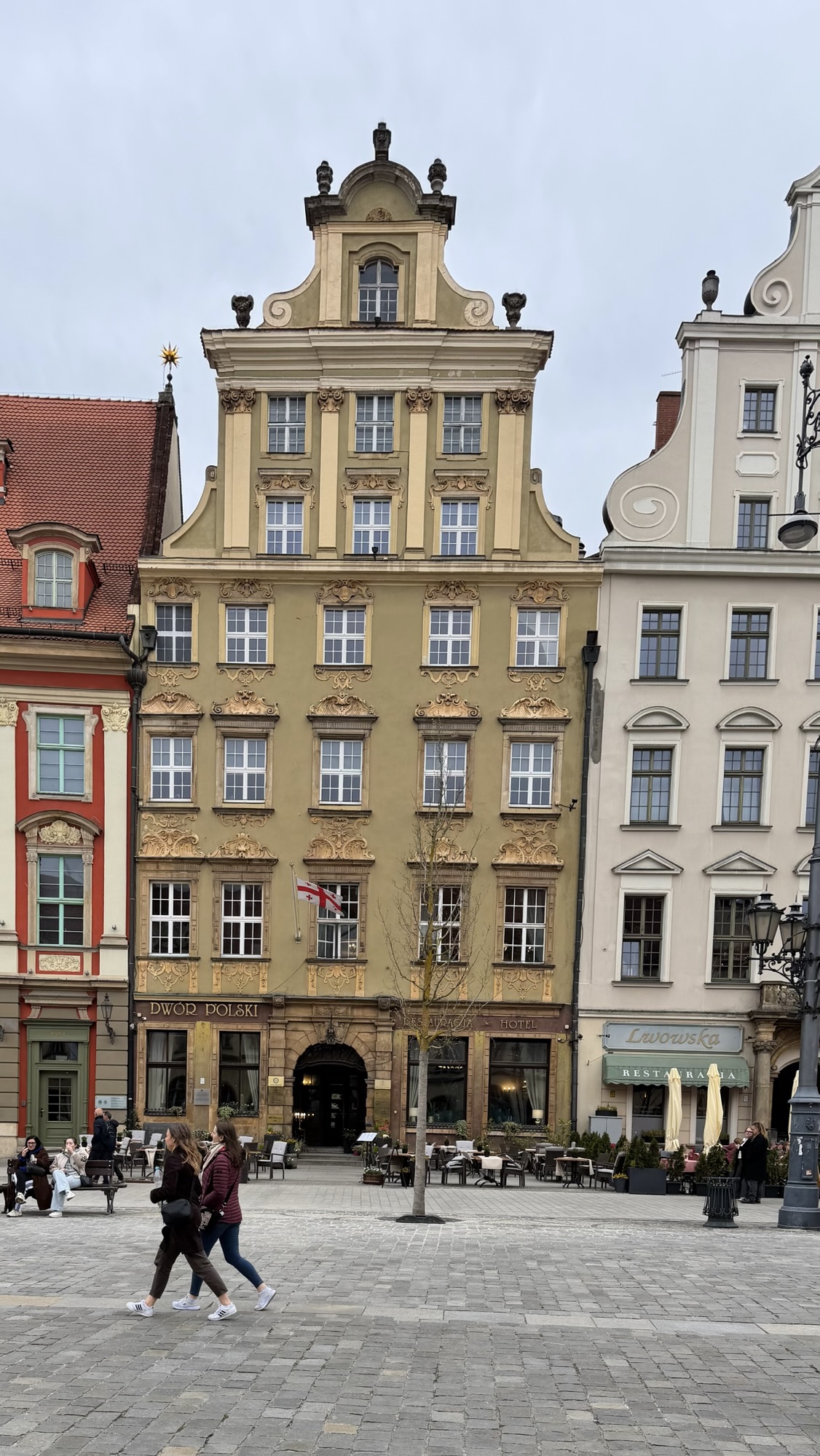
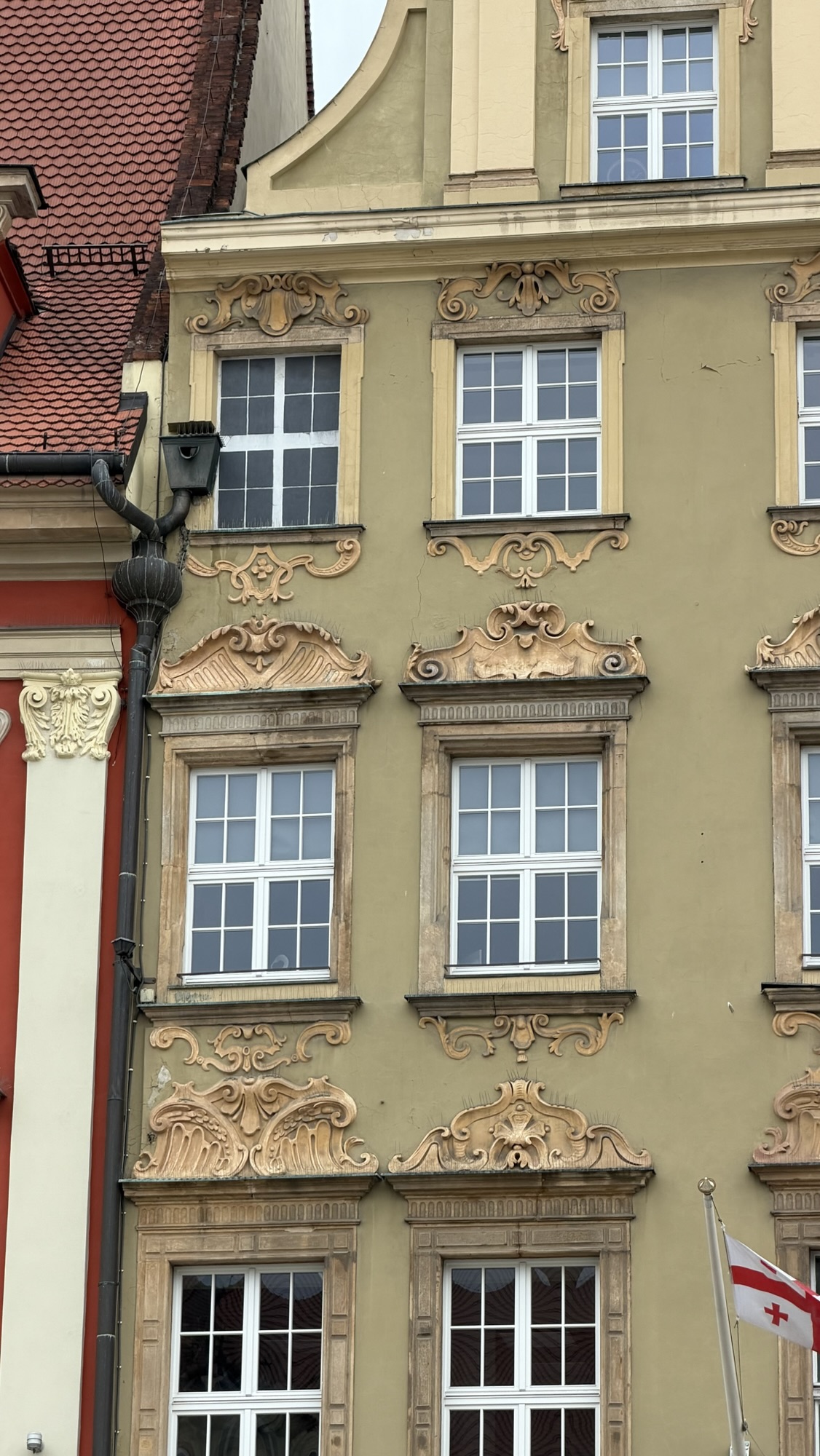
Wrocław’s Rynek (Market Square) is one of Europe’s largest and most picturesque, featuring a 3.8-hectare area surrounded by colourful Gothic, Renaissance, and Baroque buildings. It ranks among the top three largest squares in Poland, noted for having the country’s largest old town hall (66m tower) and a vibrant, pedestrian-only atmosphere. At 213 by 178 meters, the rectangle is exceptionally large – in the top ten largest in Europe. Unlike some linear European squares, Wrocław features a dense, central block of buildings (including the City Hall) rather than just an open plaza. Here is a slideshow of some of the many images I took of this stunning square.
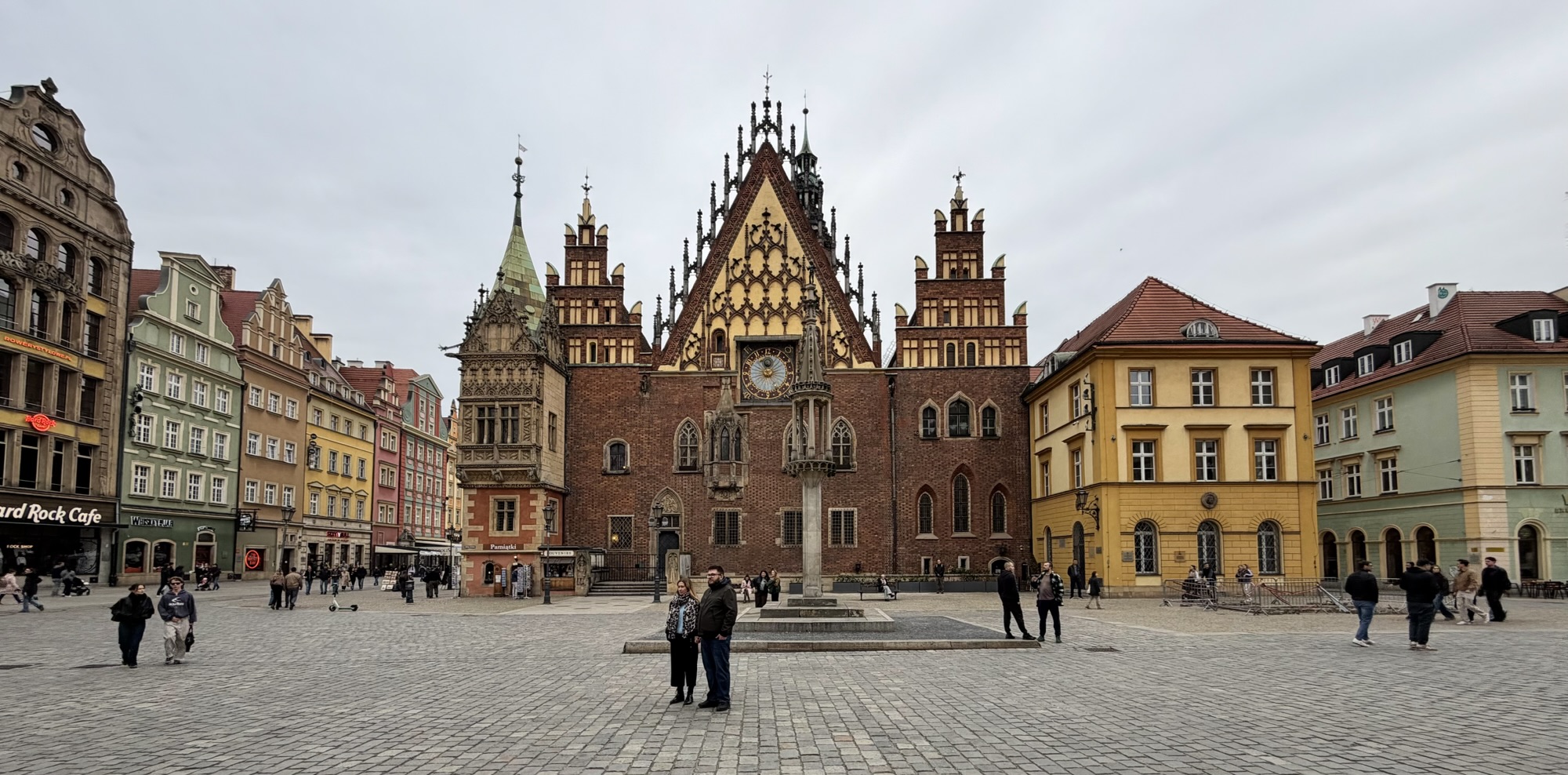
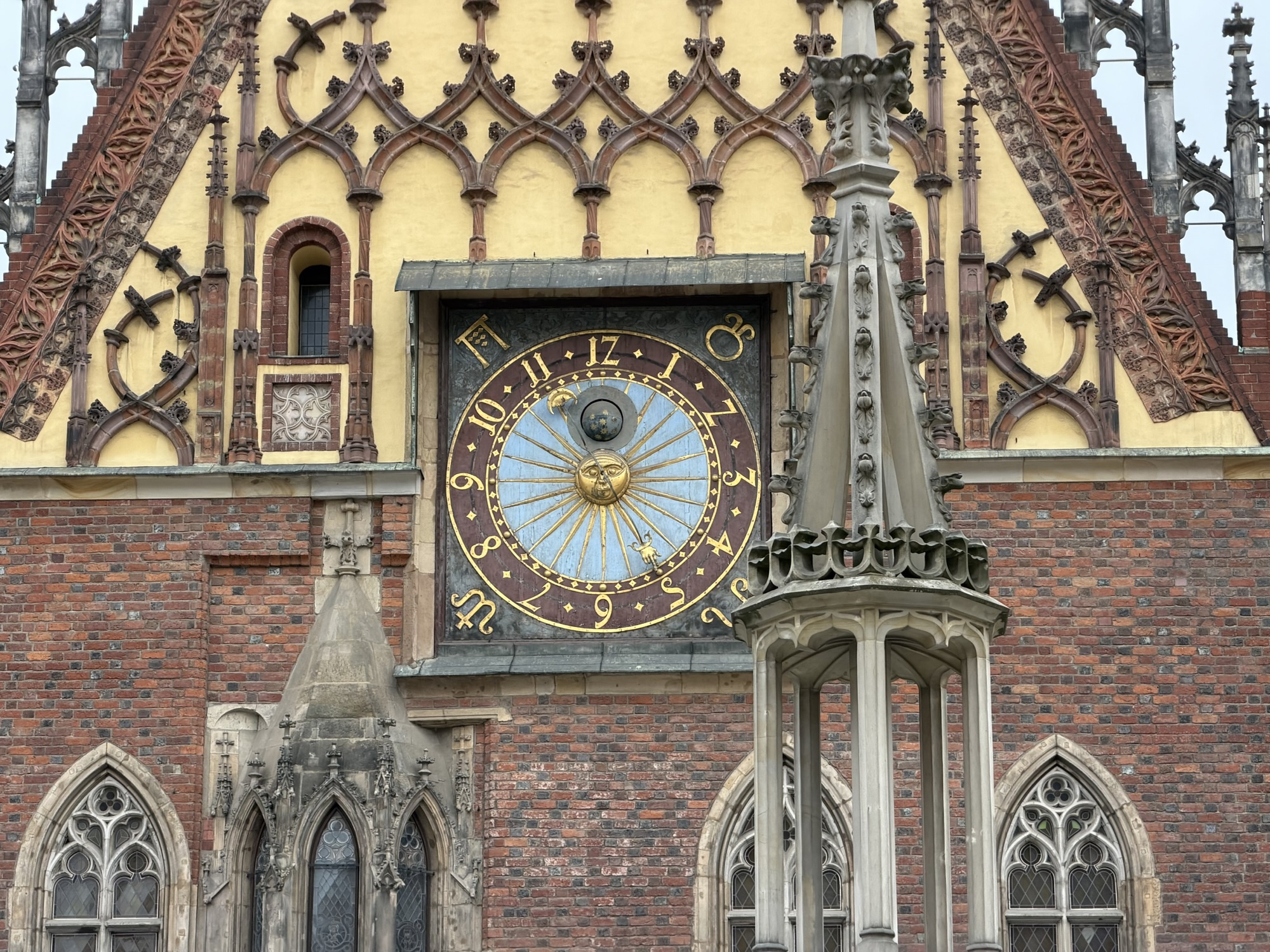
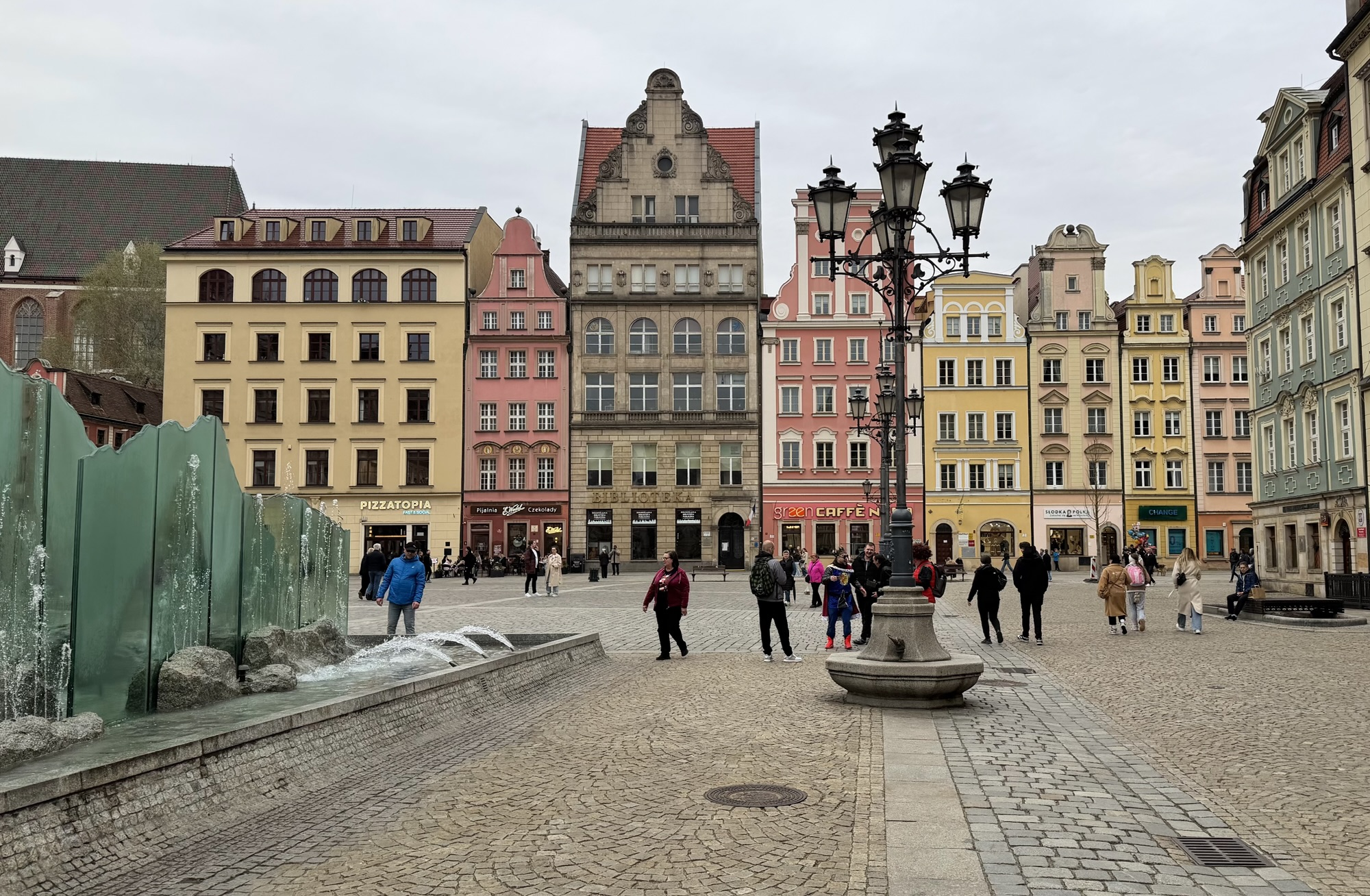
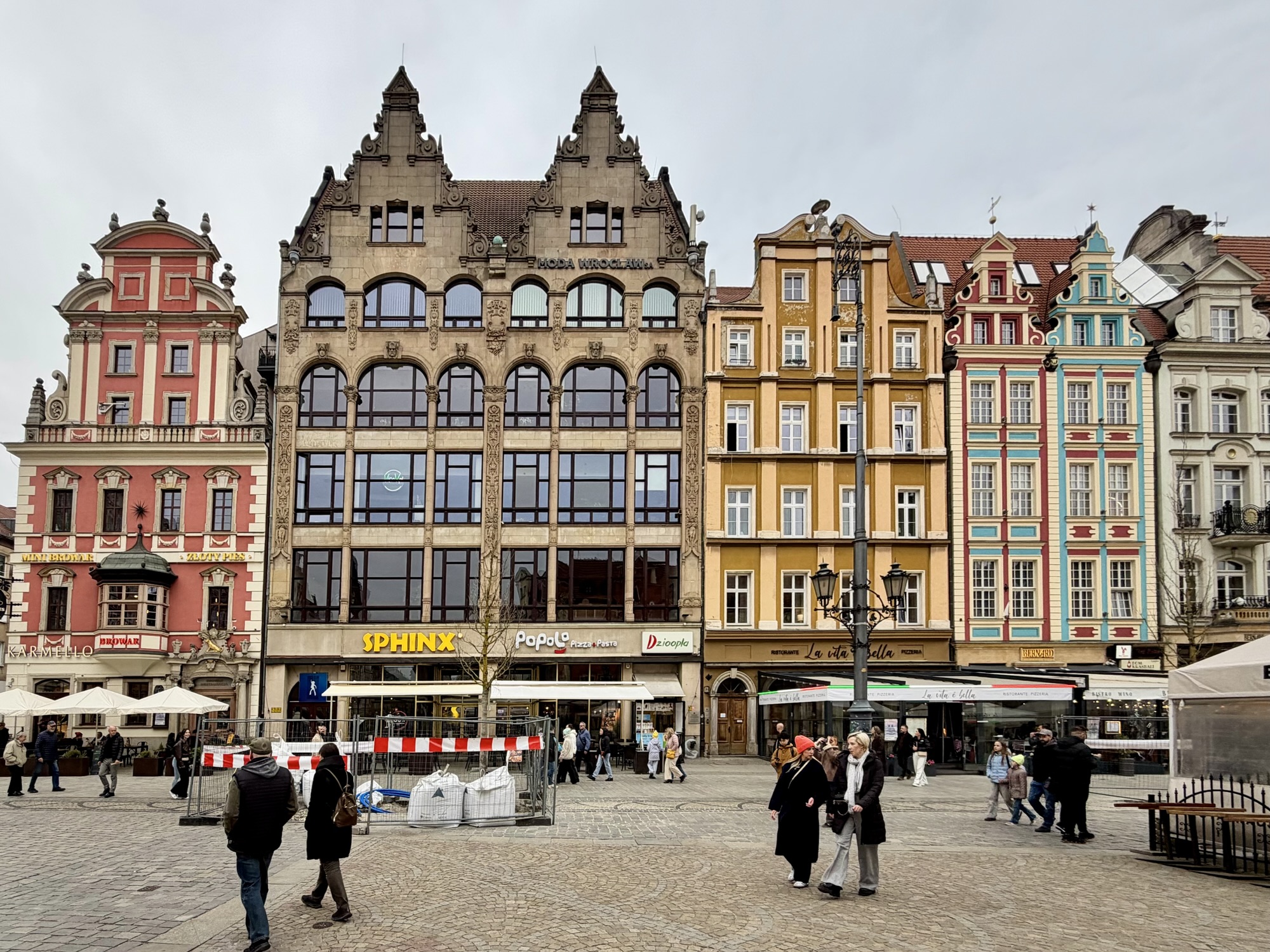
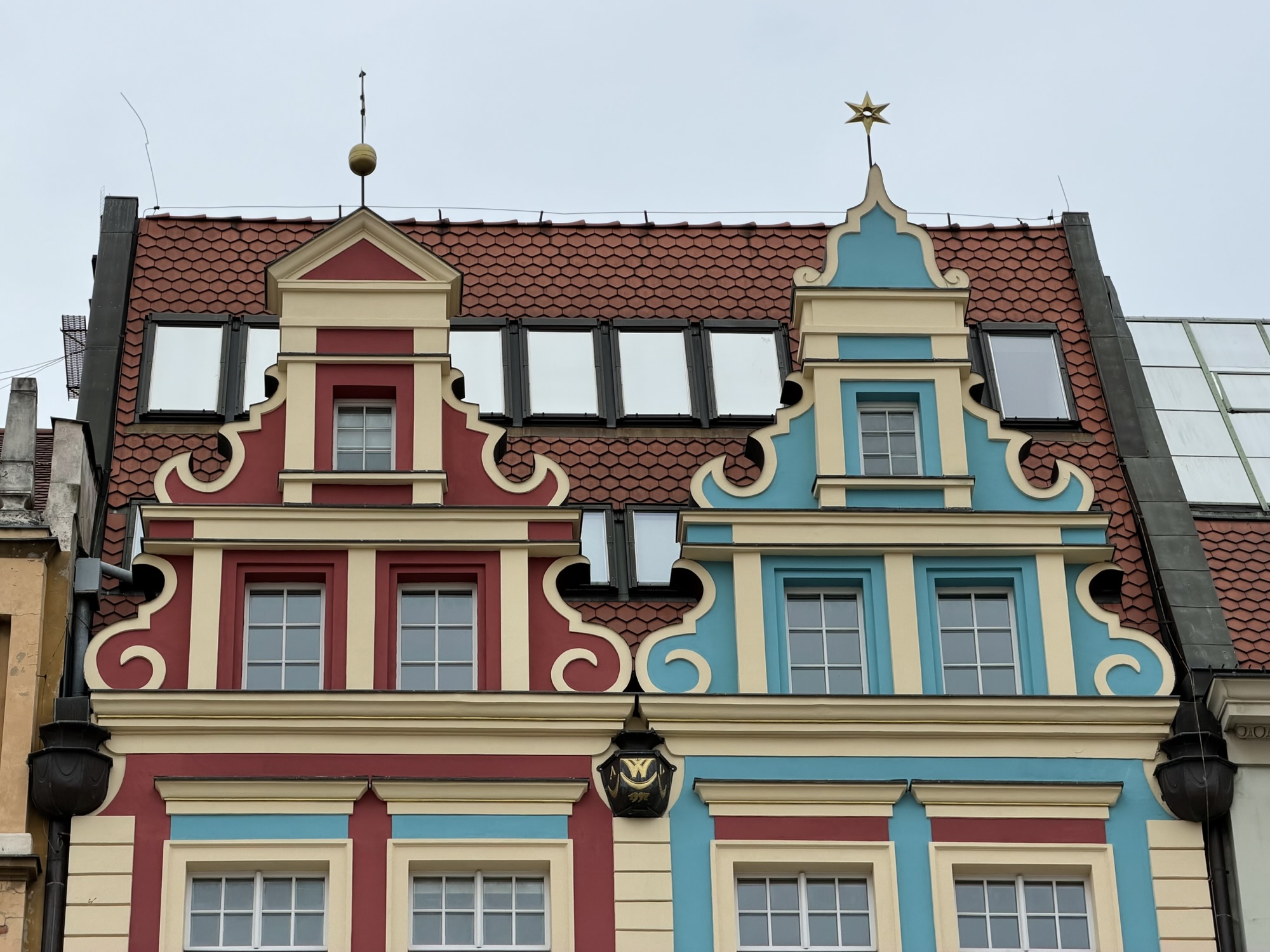
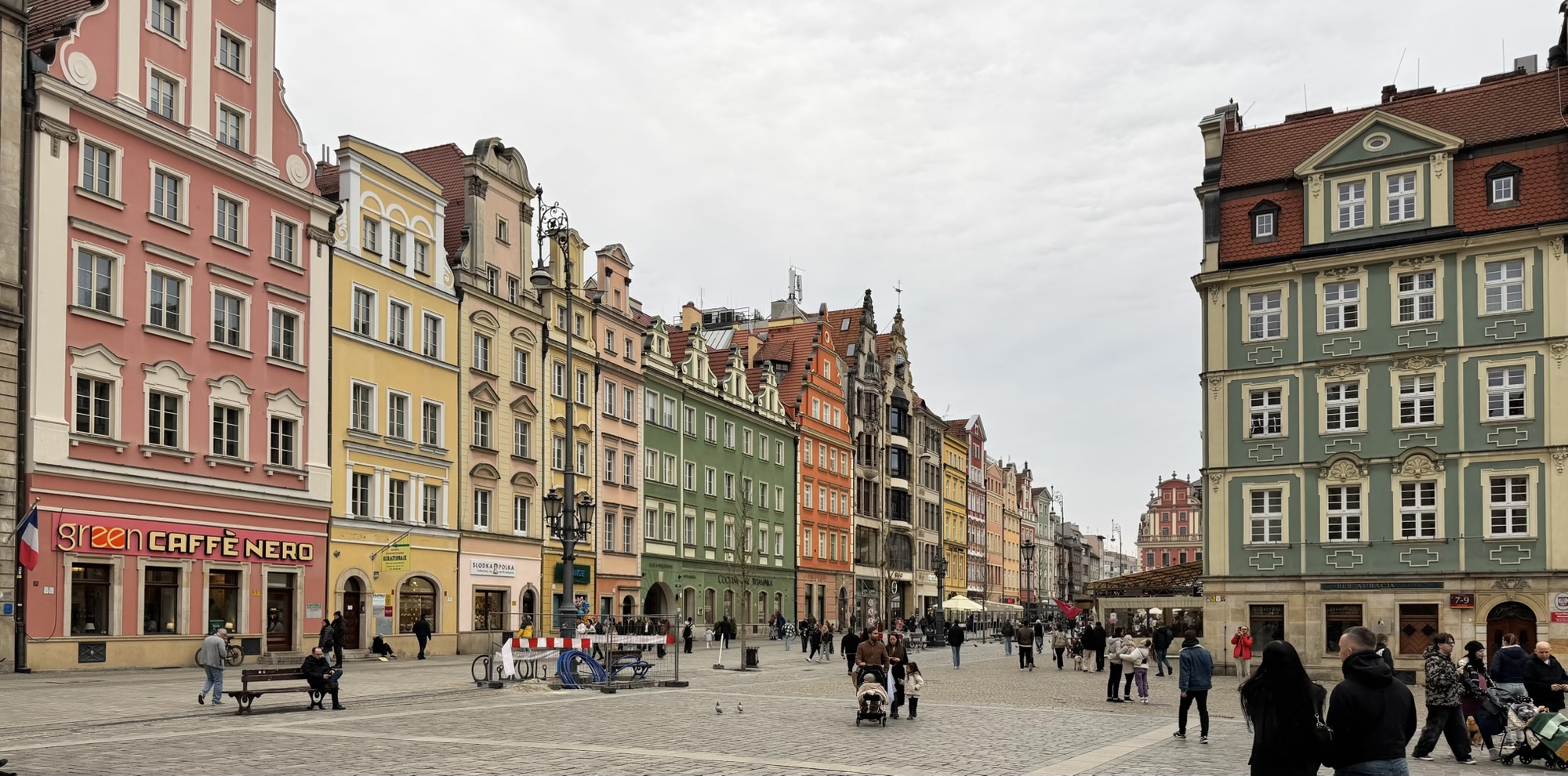
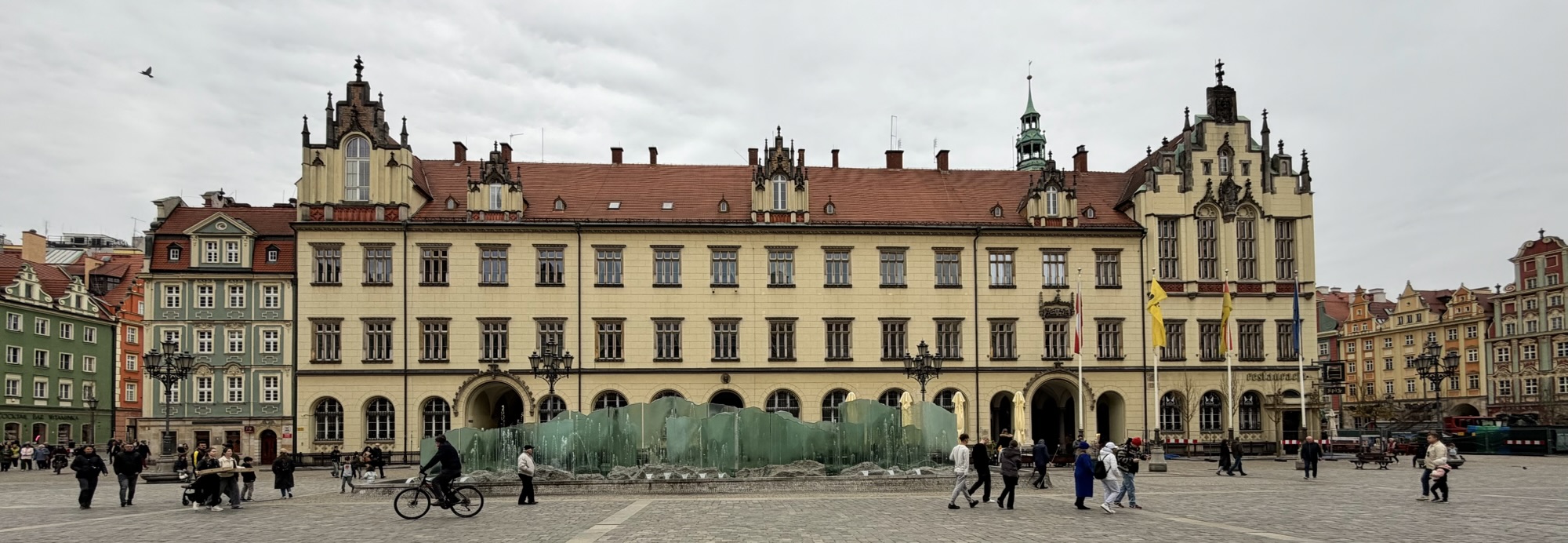
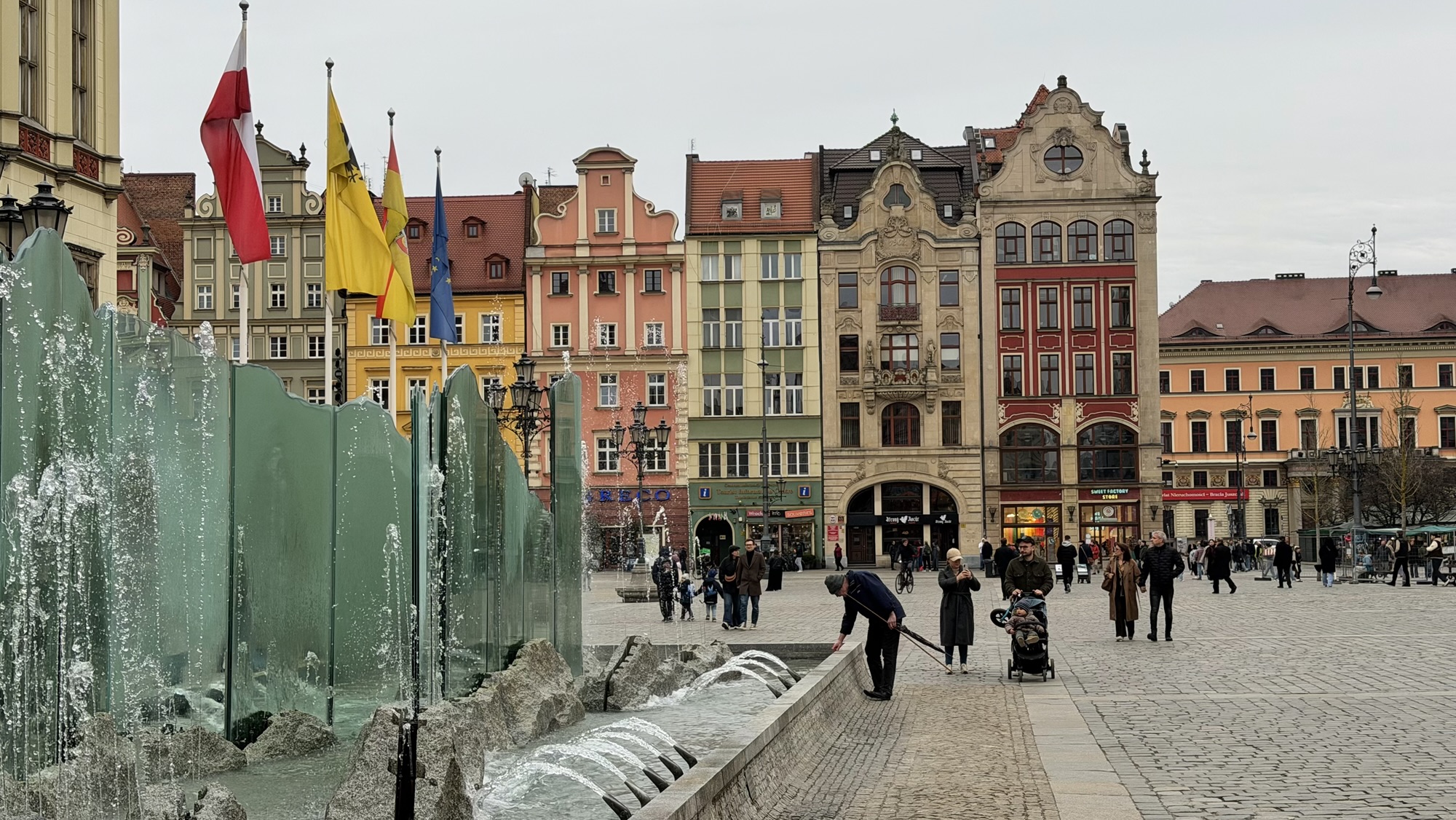
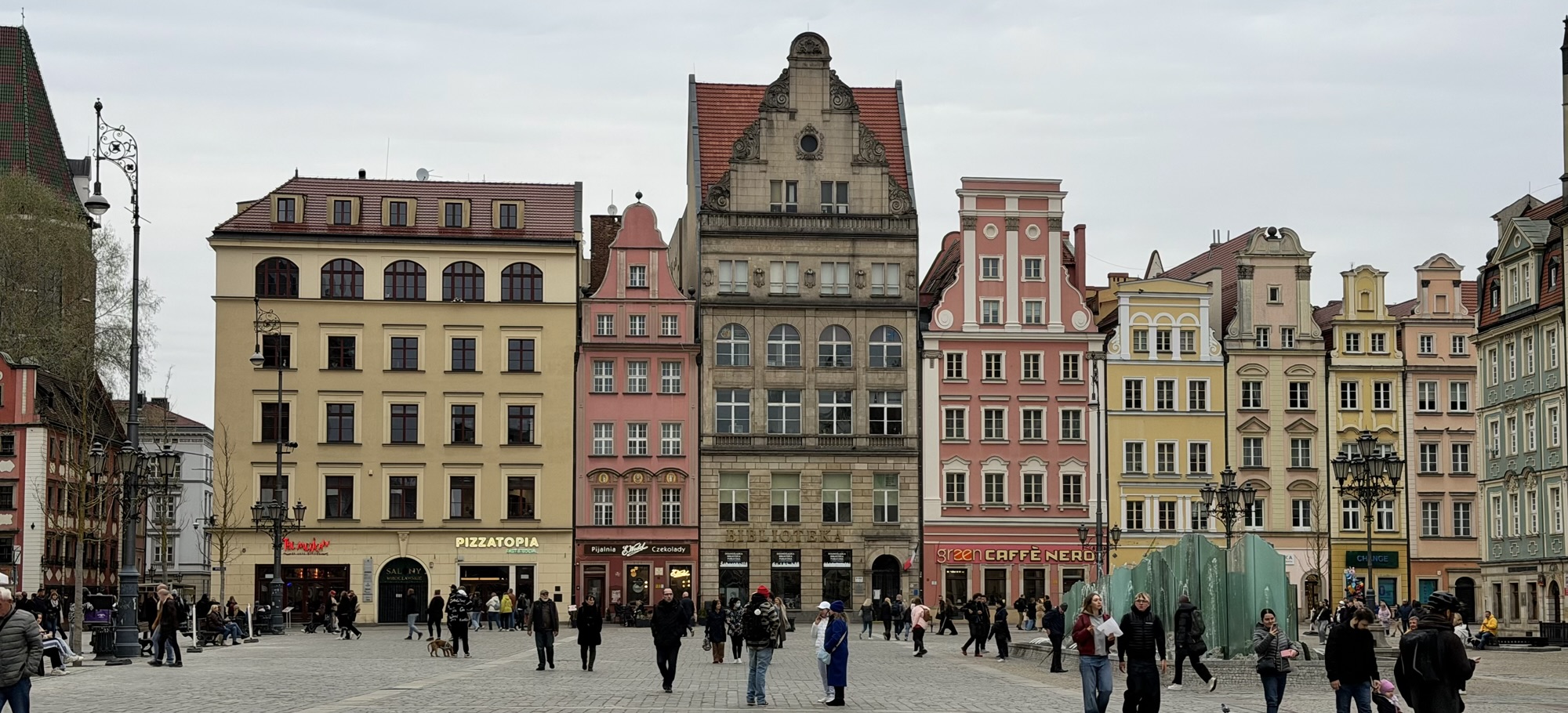
This building features in Atlas Obscura for its Illusory Window, painted at the top left to maintain symmetry where no window was constructed.
One of Alina’s classmates from out of town invited people back to her hotel for a drink. I was invited, but I was still feeling tired, so I decided to head back to the apartment on my own. I picked up a piece of pizza to take home with me for dinner.
I passed this interesting sculpture on my way. It is called The Passage by sculptor Jerzy Kalina.
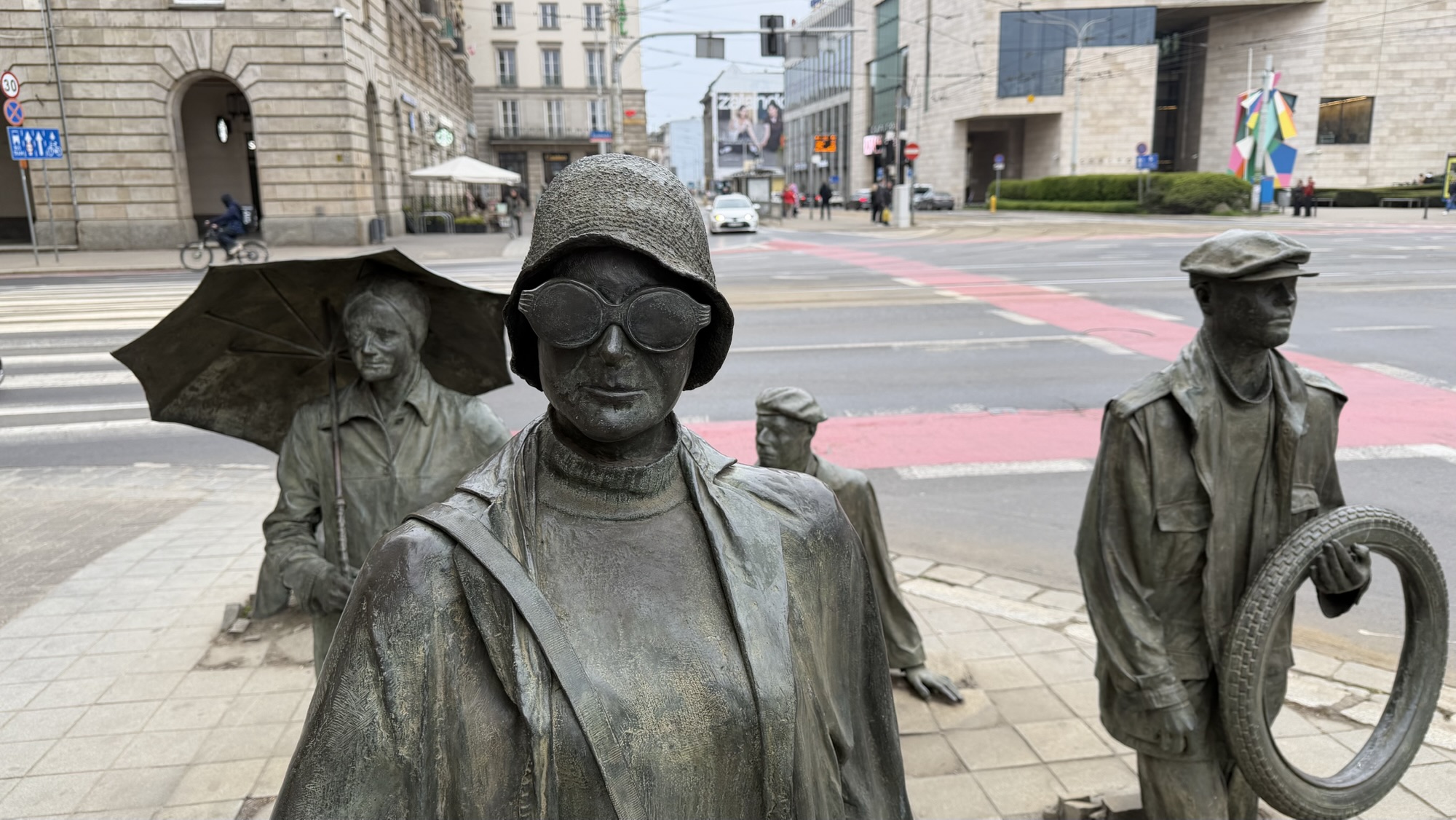
In the background of this image is a second sculpture. The people on the far side of the Swidnicka Street are descending into the ground. The ones in the foreground are emerging. It is said to represent the period of martial law in Communist Poland in the 1980s.
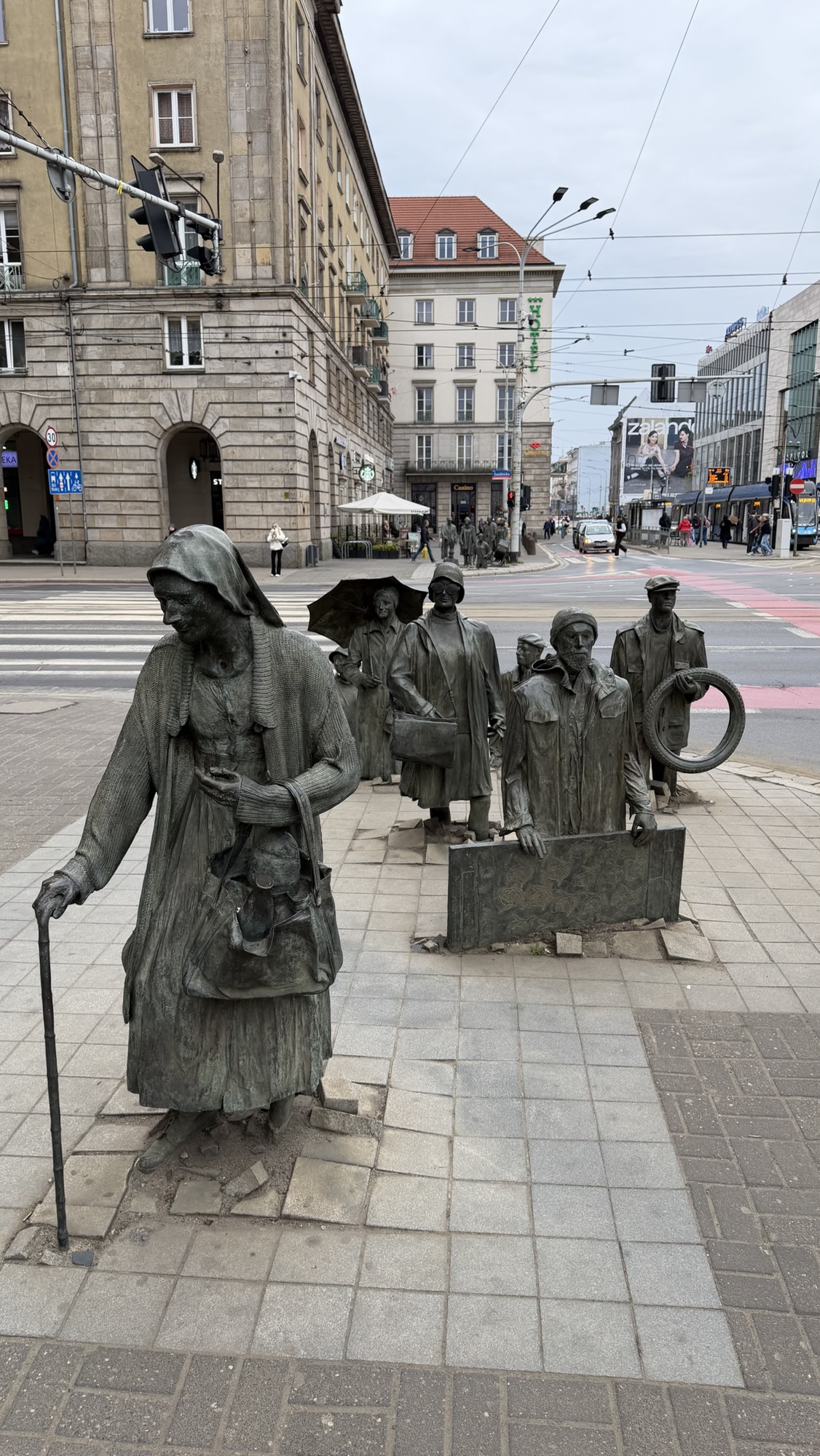
Another interesting thing that I passed on my way back was Nasyp (the embankment), a vibrant nightlife and dining hub located under 19th-century railway arches along Bogusławskiego and Swobodna streets, featuring over 70 bars, restaurants, and cafés. This Prussian-era structure hosts various businesses, offering a unique, rustic atmosphere with exposed brick directly beneath active train tracks near the central station. Unfortunately, I felt too tired to stop, and the next couple of days we had in Wroclaw were filled with other sightseeing activities.
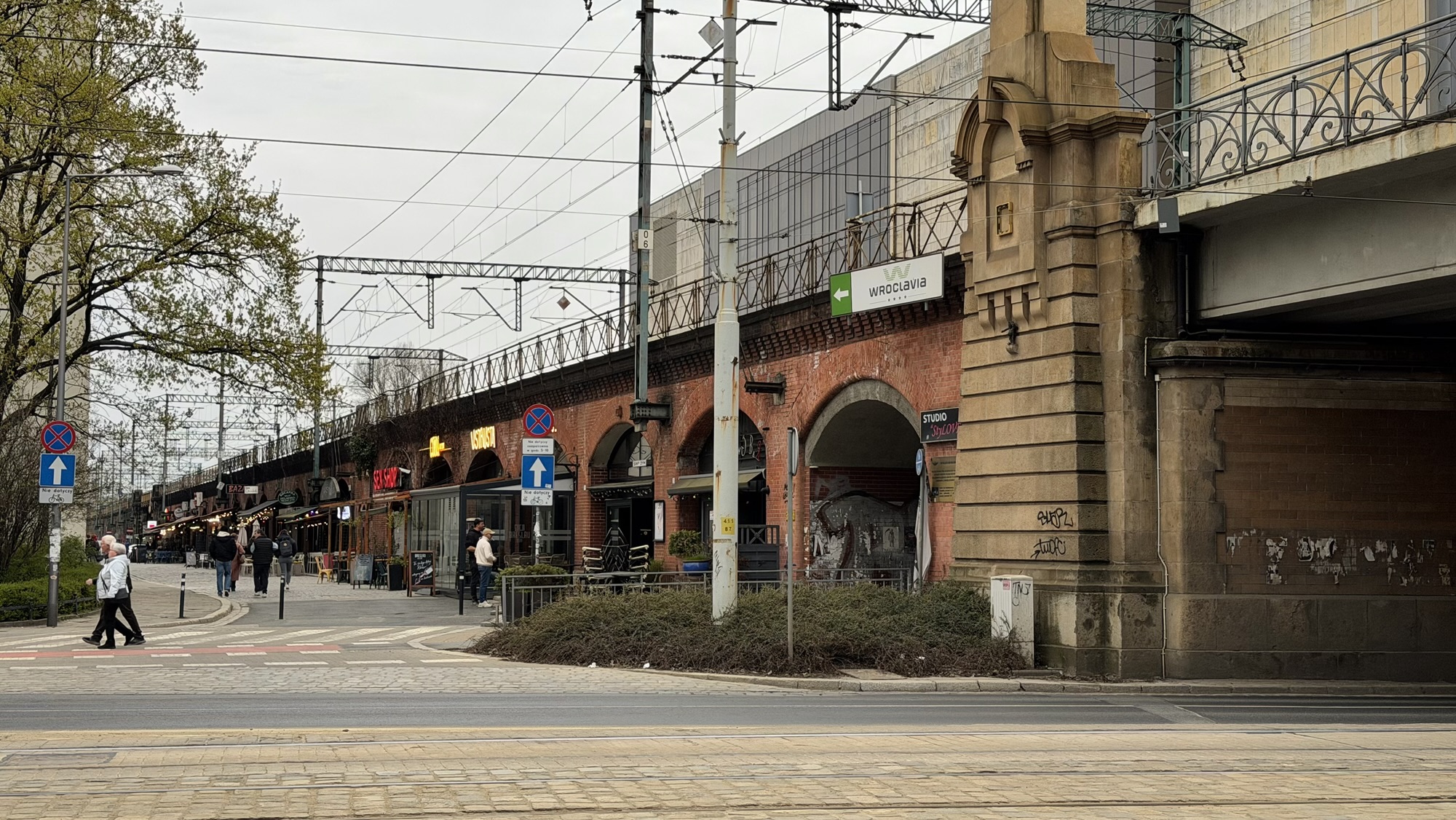
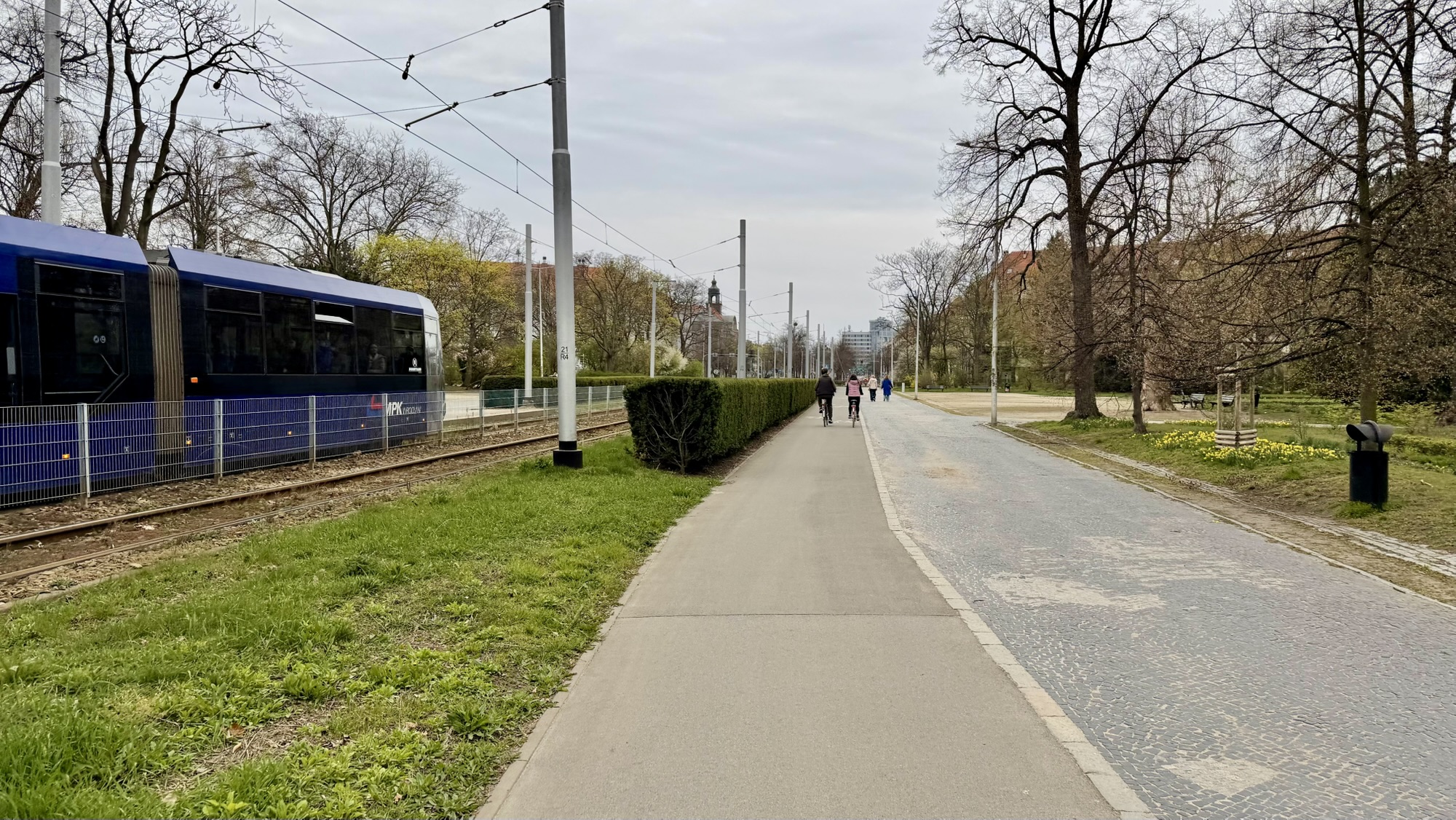
Wroclaw made it into the Copenhagenize index in 2025. It claims to be the “most comprehensive and holistic ranking of bicycle-friendly cities in the world”. It has a score of 51.3 on the index. The number one city that attracts the most is 71.1. There are three Canadian cities in the index: Montreal at number 15, Quebec City, and Vancouver at numbers 29 and 30.
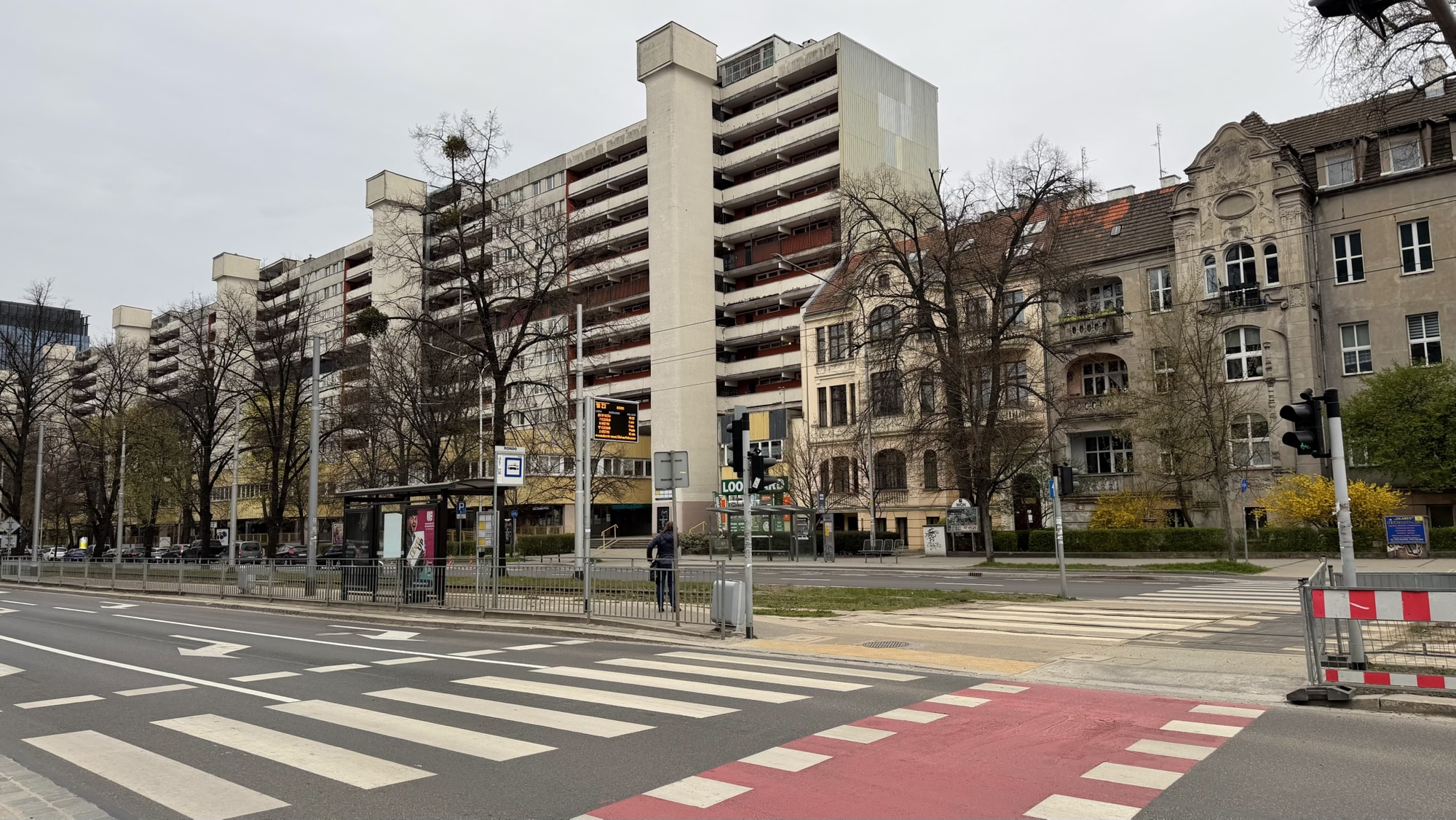
From the index: “Wrocław has broken into the 2025 ranks due to years of network-building now paying off with safer, more accessible routes. The city is paying special attention to communication, education, and rider support, making use of these as key tools in order to reinvigorate a declining bicycle modal share. Investments have resulted in Wrocław becoming one of Poland’s most progressive cycling cities.”
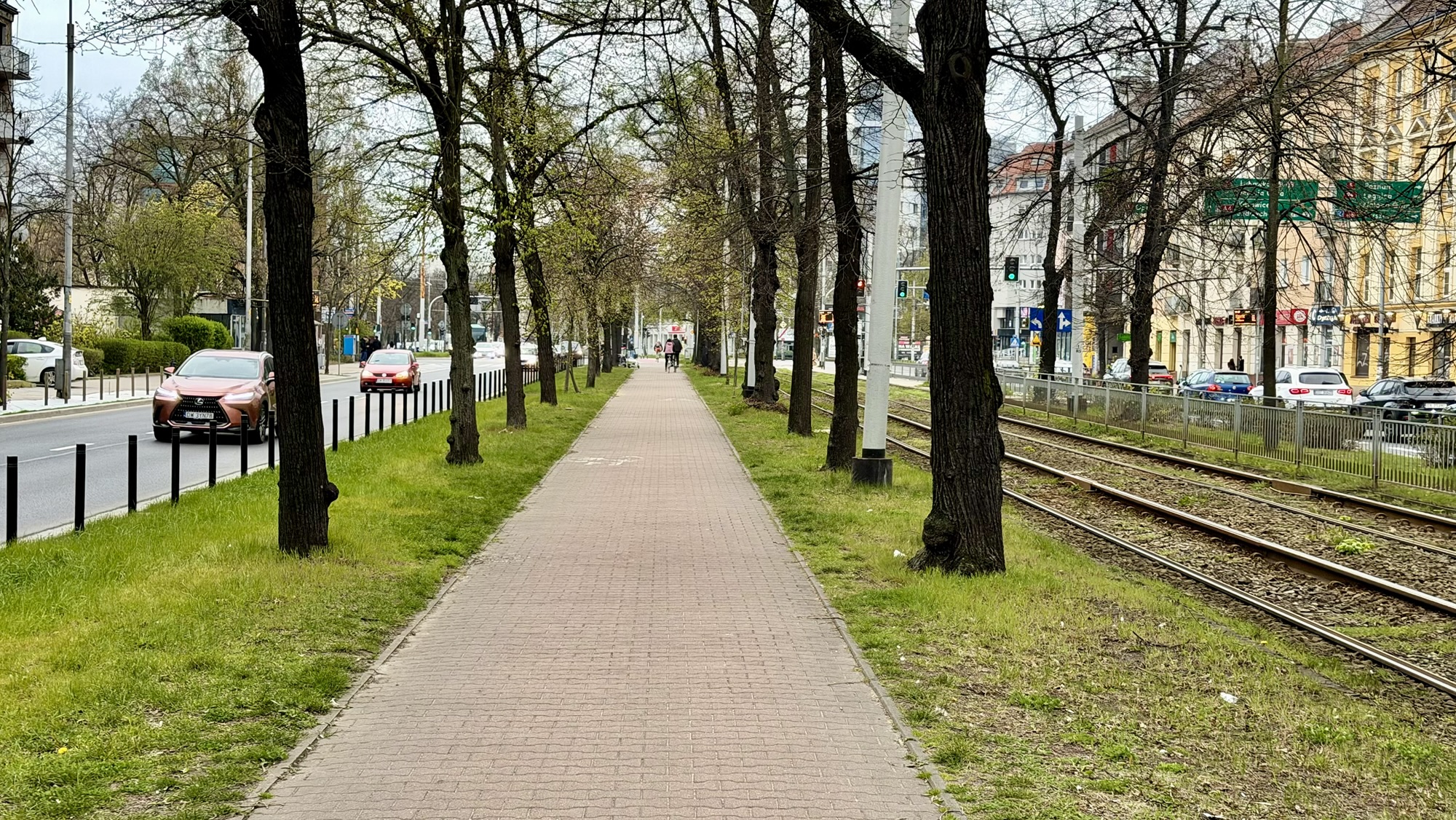
The Institute for Transportation and Development Policy (IDTP) has published a new interactive mapping tool, “Global Atlas of Sustainable City Transport,” that examines cities’ progress on car-free transportation options.
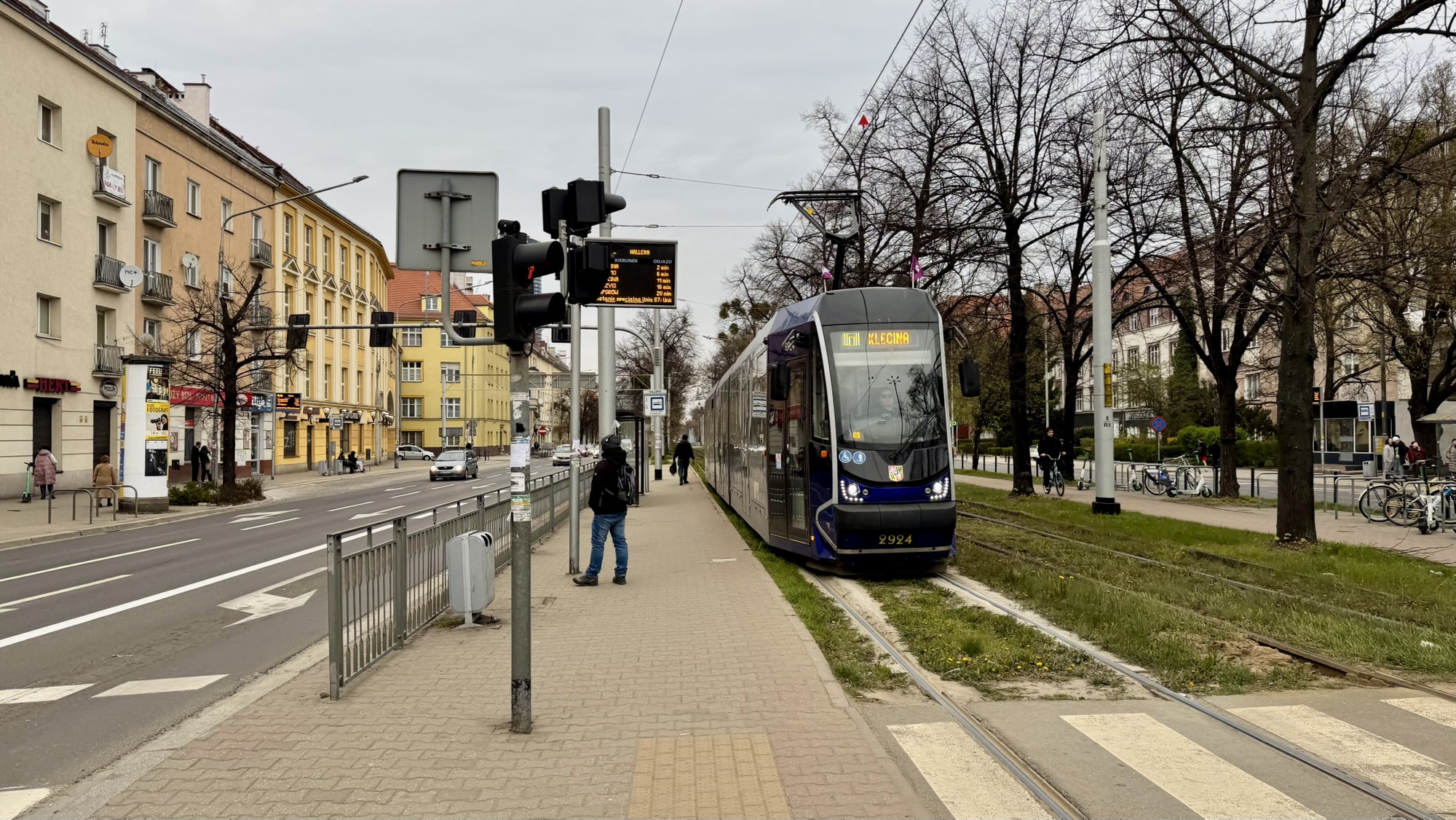
From their website: “Wroclaw scored well, positioning second in the list of cities for the category ‘residents’ proximity to frequent transit’, despite its lack of a metro system. It was found that 86% of residents live within a 500 m distance of a bus or train, with a service frequency of 10 minutes or quicker. Wroclaw’s extensive tram and bus network showcases that the best urban public transportation systems are not necessarily the most modern.”
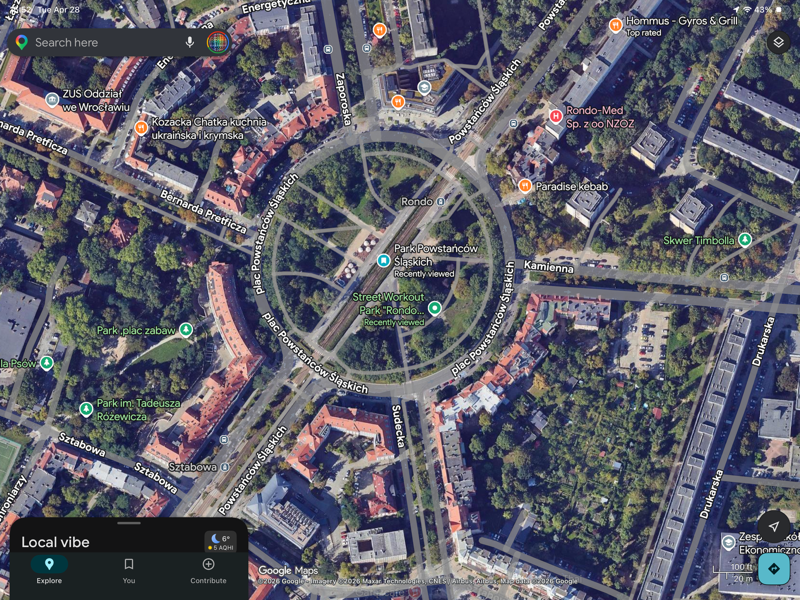
The image below is in the centre of a huge roundabout with tram, Cyclepath, sidewalk and parkland in the middle. There are also multi-use paths along the right hand edges of the roads that encircle the park, so one has the option to cycle straight though or go around the edges.
Wroclaw has a vast tram system of 22 lines supplemented by a bus network with over 80 lines. They serve roughly 25 million passengers annually, and 86% of residents are within 500 m of fast public transit service.
Wroclaw has 100,000 fewer residents than Brampton. The contrast is stark when compared to our cycling and transit networks in Brampton.
Discover more from Lisa Stokes
Subscribe to get the latest posts sent to your email.