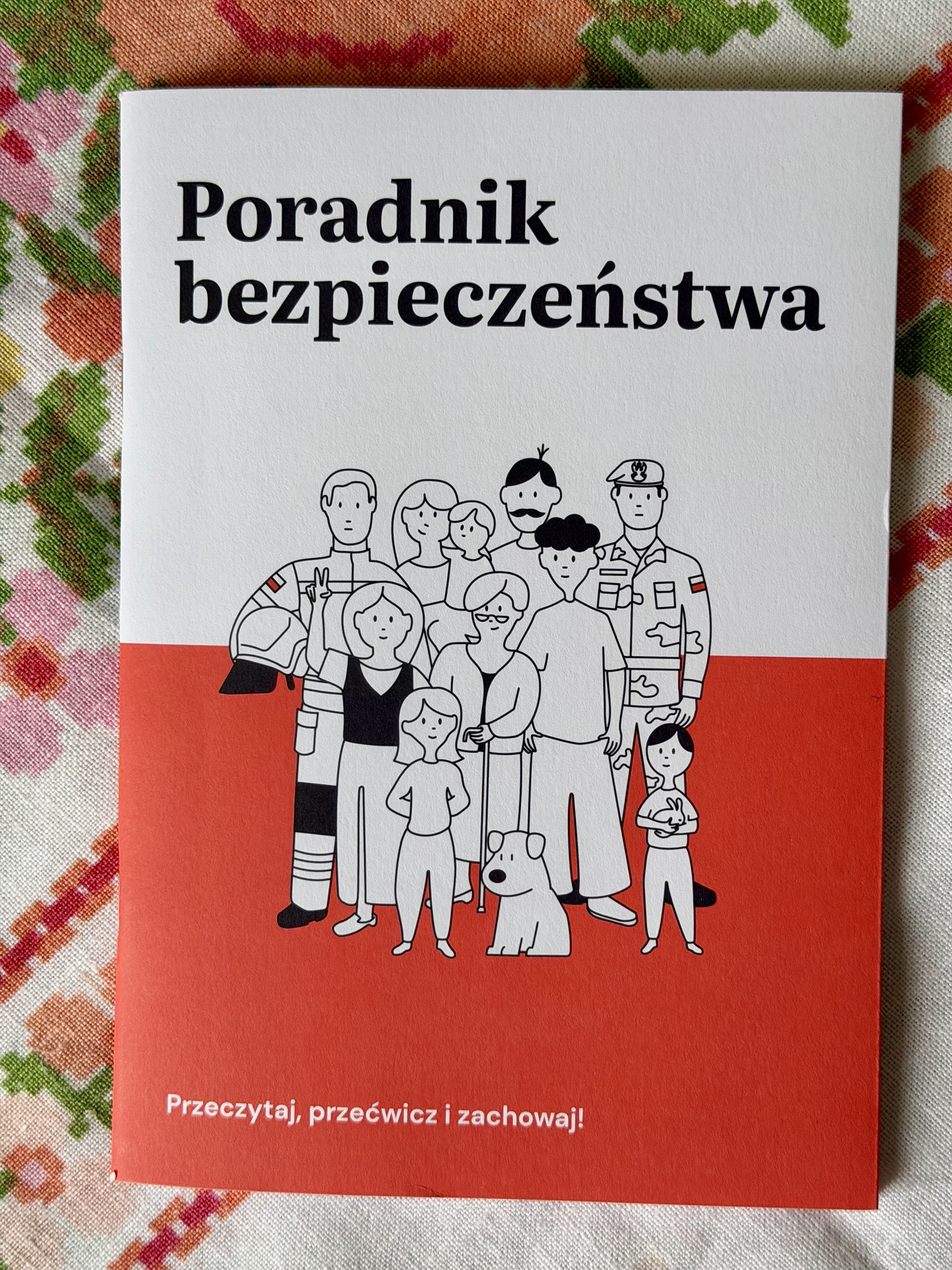
Poland has sent 17 million households a survival guide due to growing concerns over Russian threats and drones. Alina received hers this morning. There is an English version of the Polish survival guide published online. It covers topics such as preparation, evacuation, chemical biological, radiological, and nuclear threats.
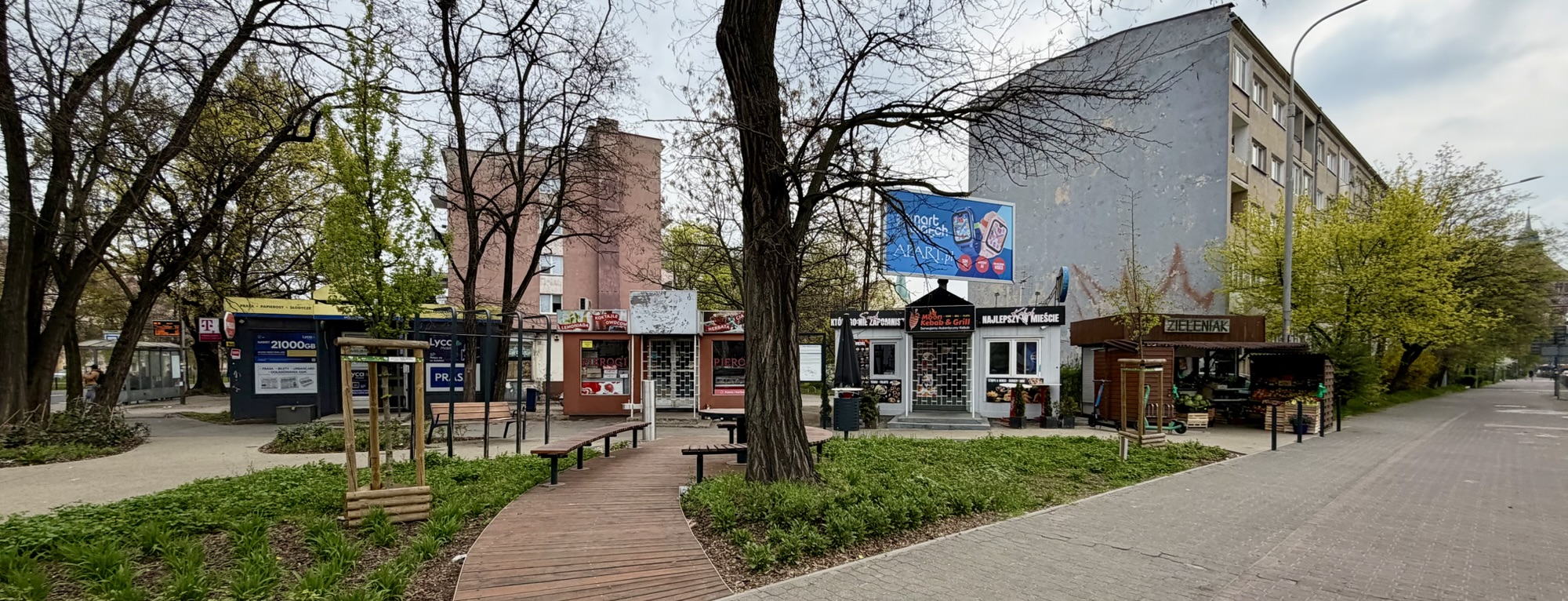
I was sightseeing on my own for the day because unfortunately Alina had to stay home for two different repair people to come to her apartment. Here’s another example of businesses in containers on corners.. This one’s quite nice with seating and gardens.
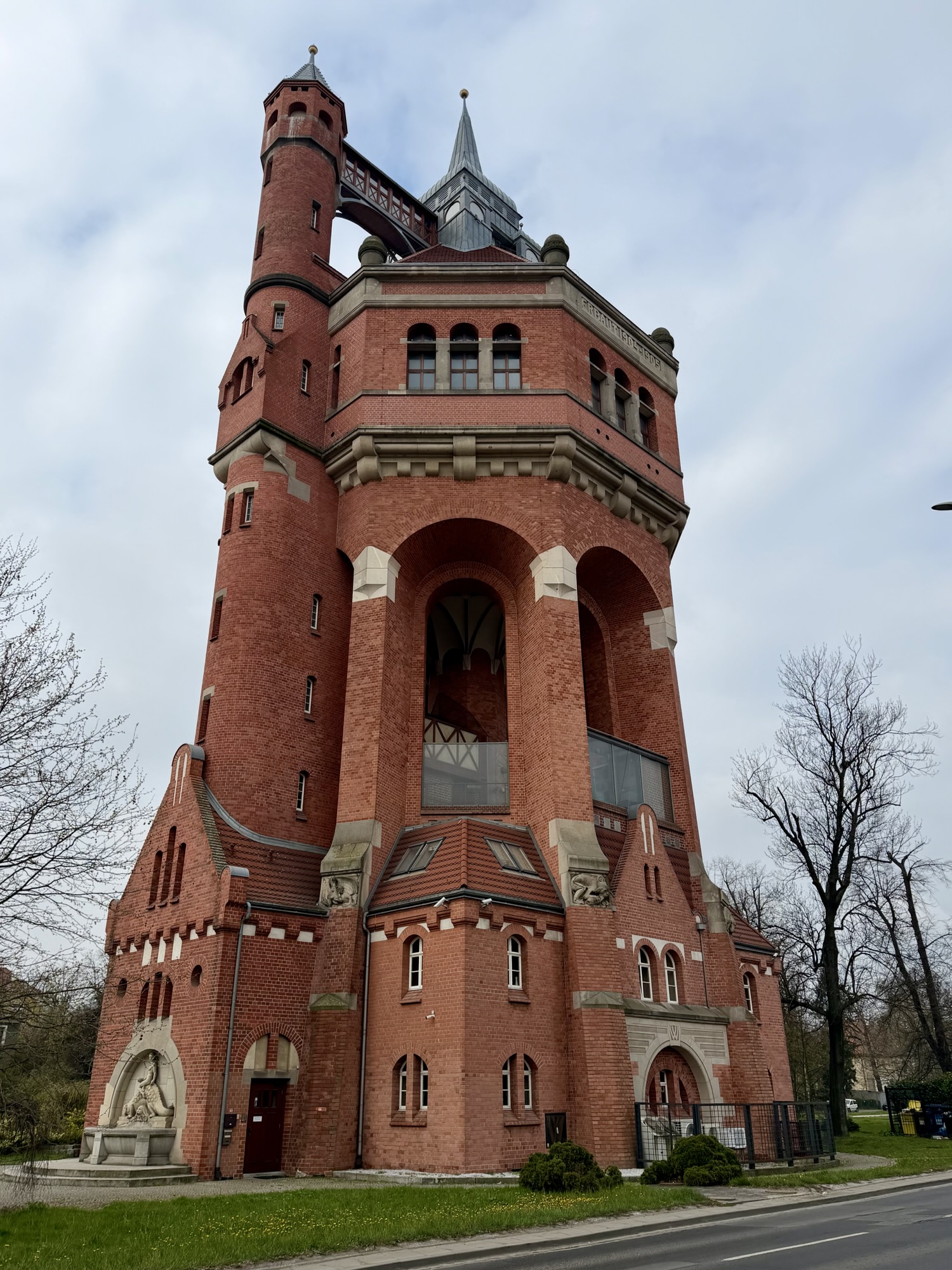
This is a water tower built from 1904 to 1905. It was designed by Karl Klimm. It is 63 m high and has an observation platform, but unfortunately there is currently no public access.
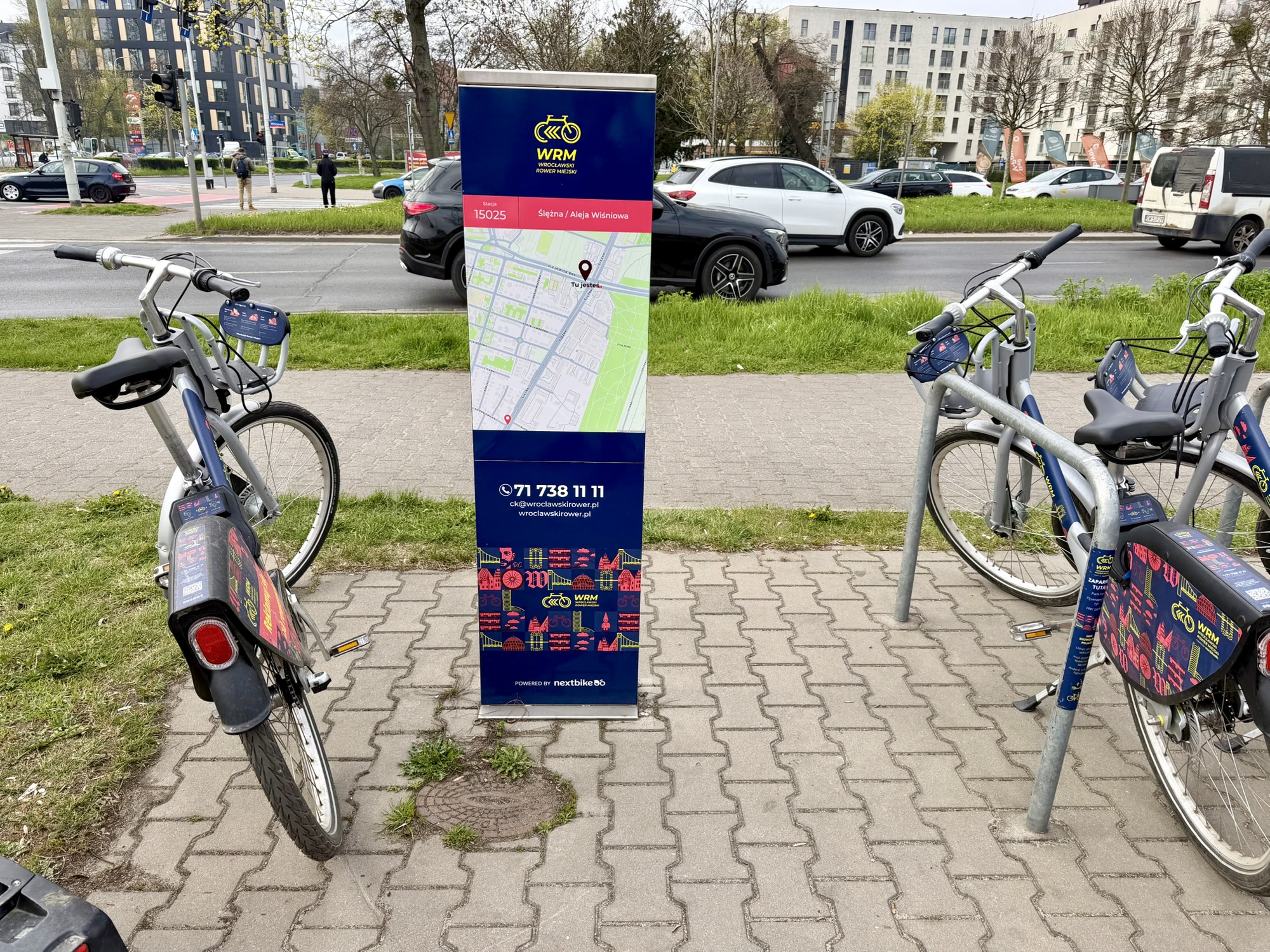
Wroclaw has a bike share system – Wrocławski Rower Miejski. They have standard bikes, E bikes, tandem and cargo bikes, children’s bikes, and hand bikes. The latter two are free to use. It costs 10 Polish zlotys to sign up, which is about four Canadian dollars. The first 20 minutes of each ride is free with increasing amounts for additional time. It is a very economical system.
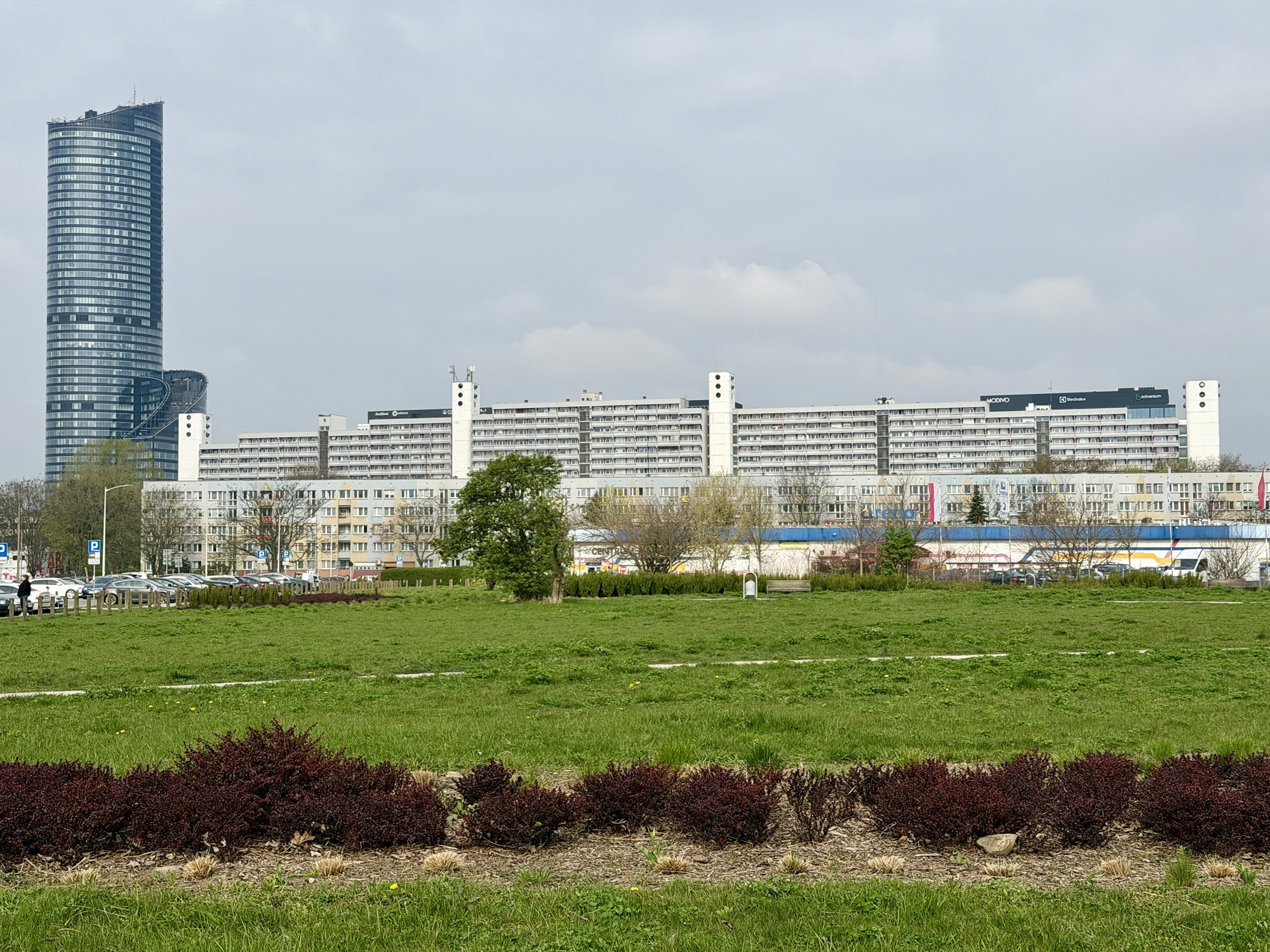
Alina said that when this apartment building was built, it was known as the anthill. The tower on the left side of the image is the tallest tower in Wroclaw, and for a time was the tallest in Poland. It is a residential tower called Sky Tower.
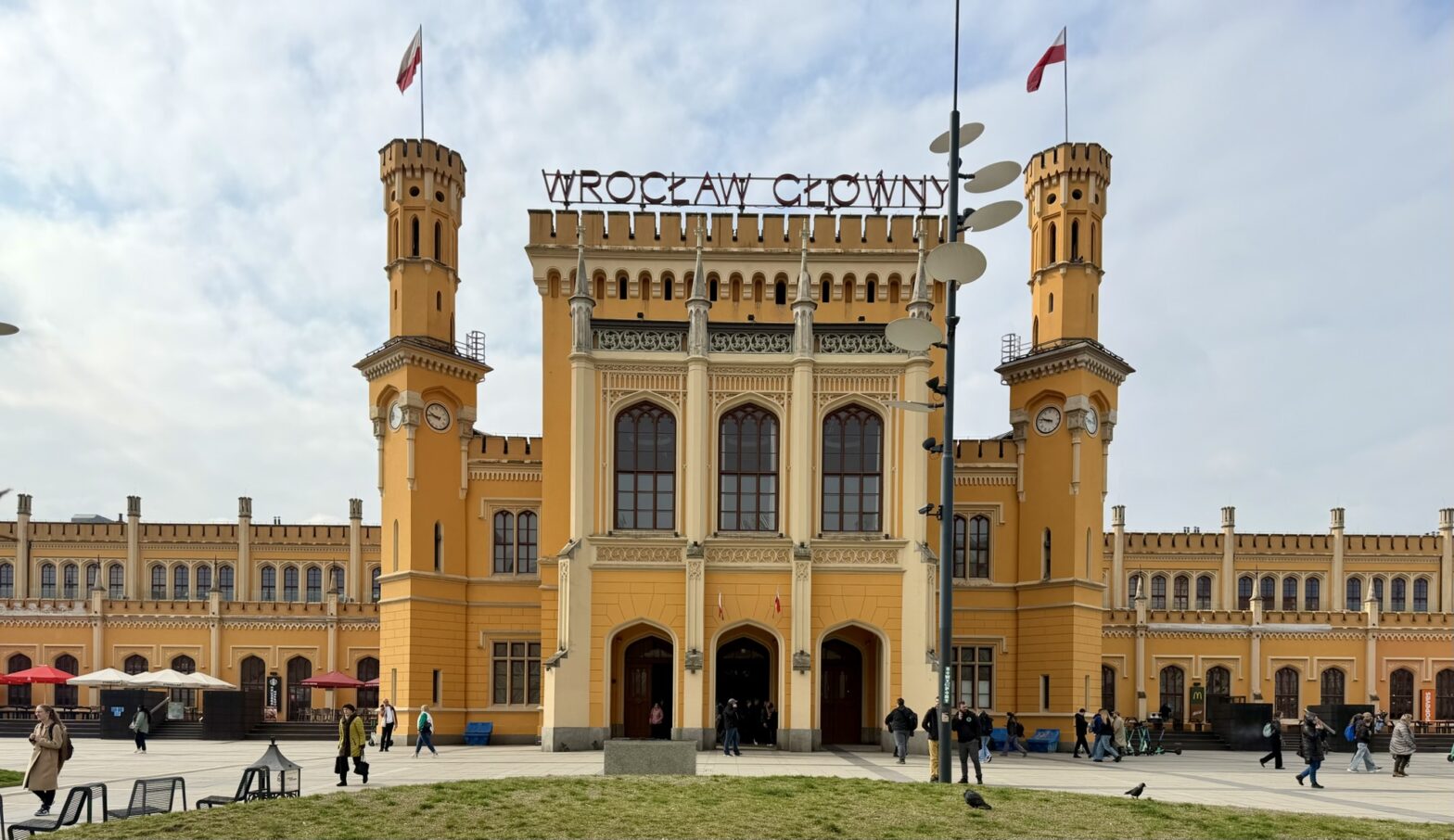
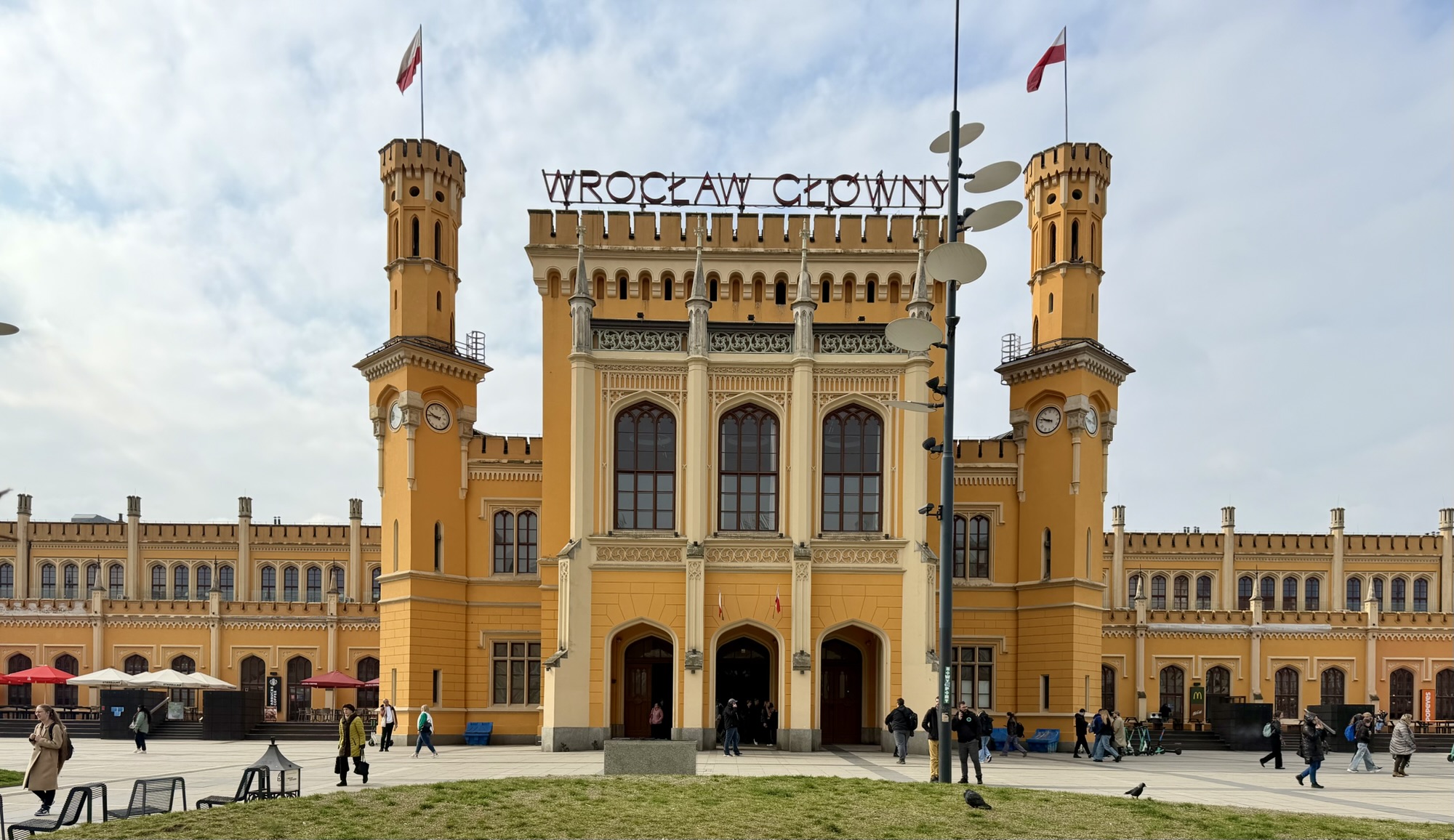
This is the main train station. It was designed by Wilhelm Grapow and constructed from 1855 to 1857.
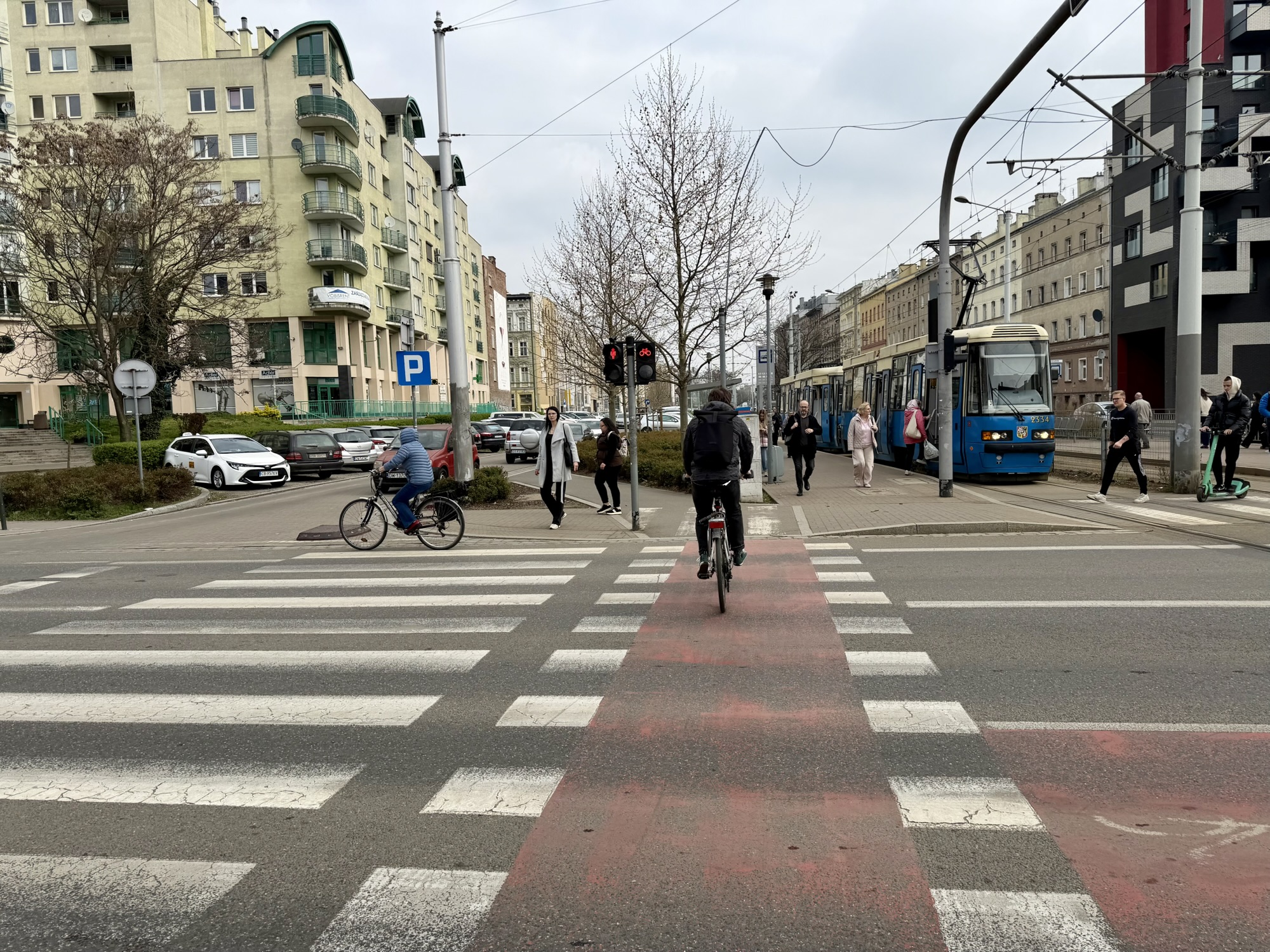
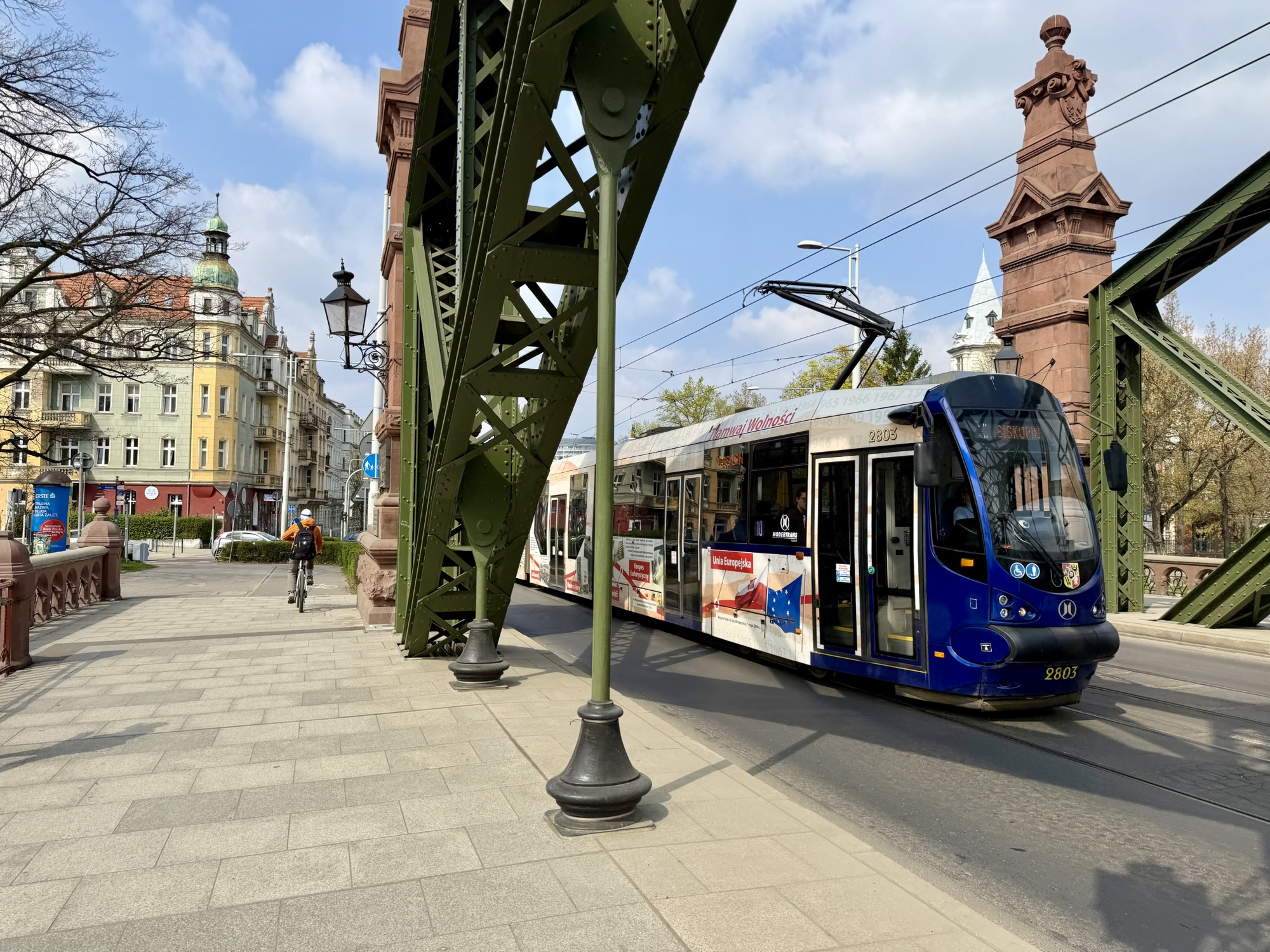
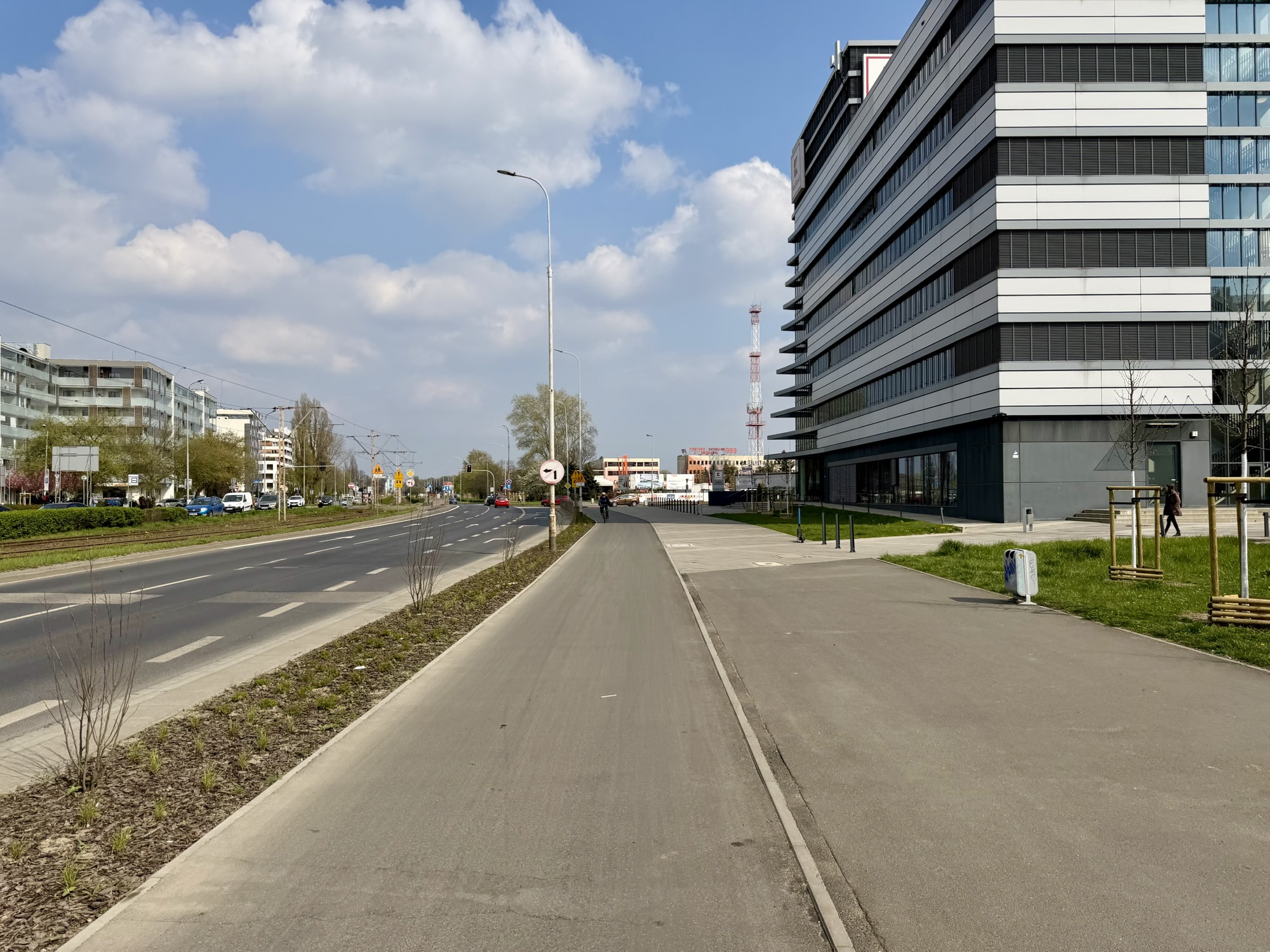
A lot of the cycling infrastructure is built alongside the trams.
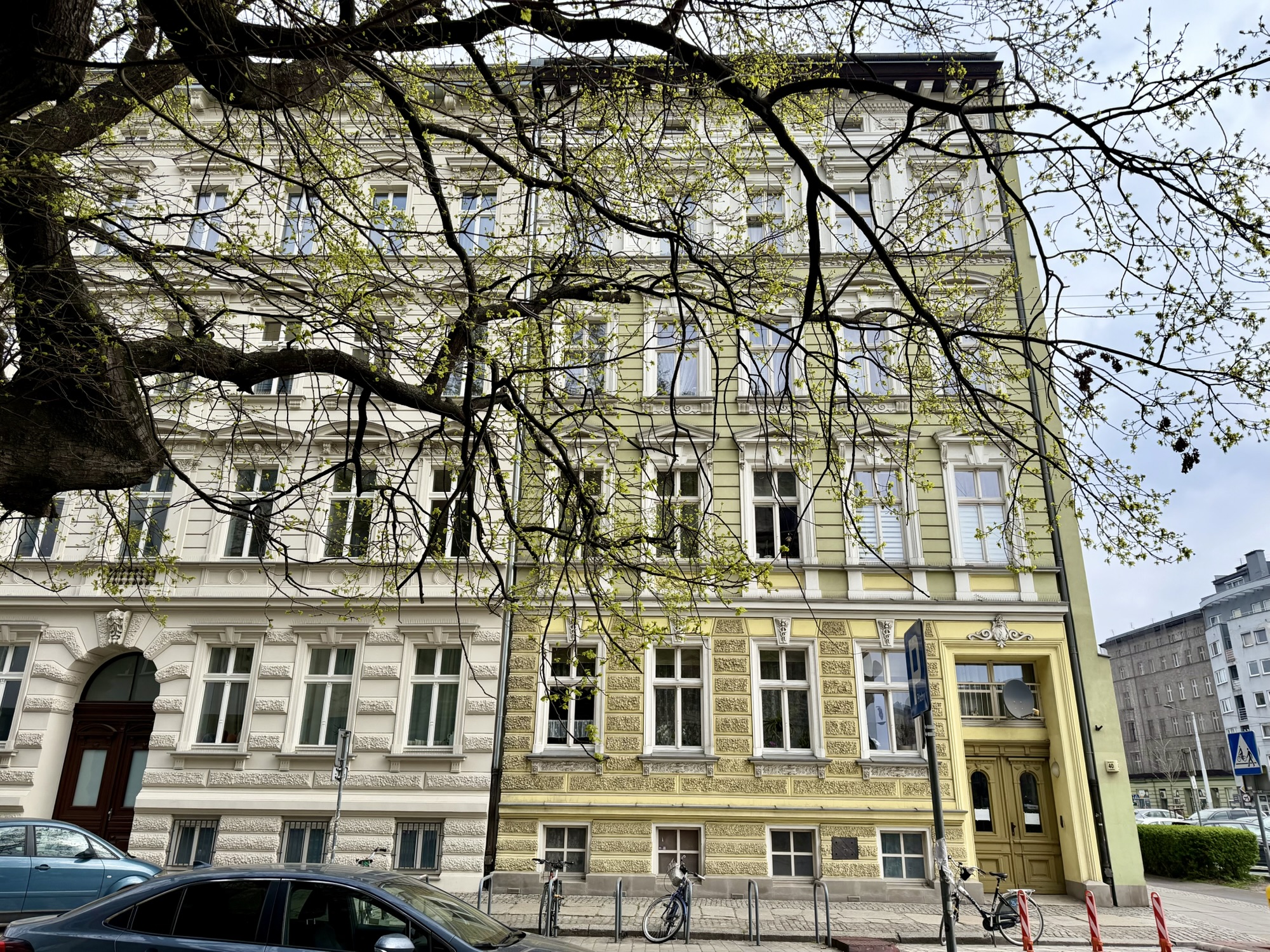
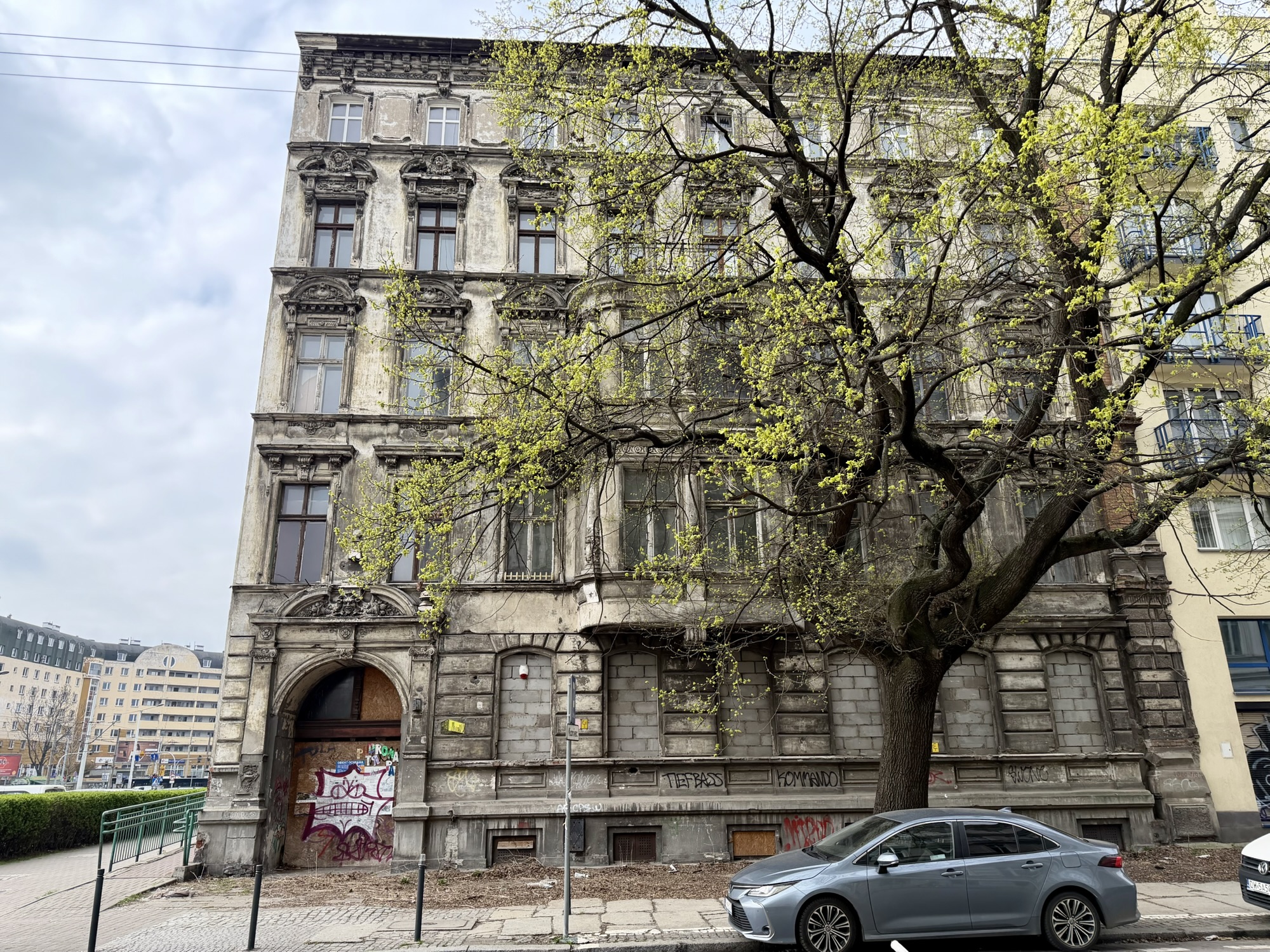
These two buildings, one nicely renovated, and one boarded up, were directly across the street from each other.
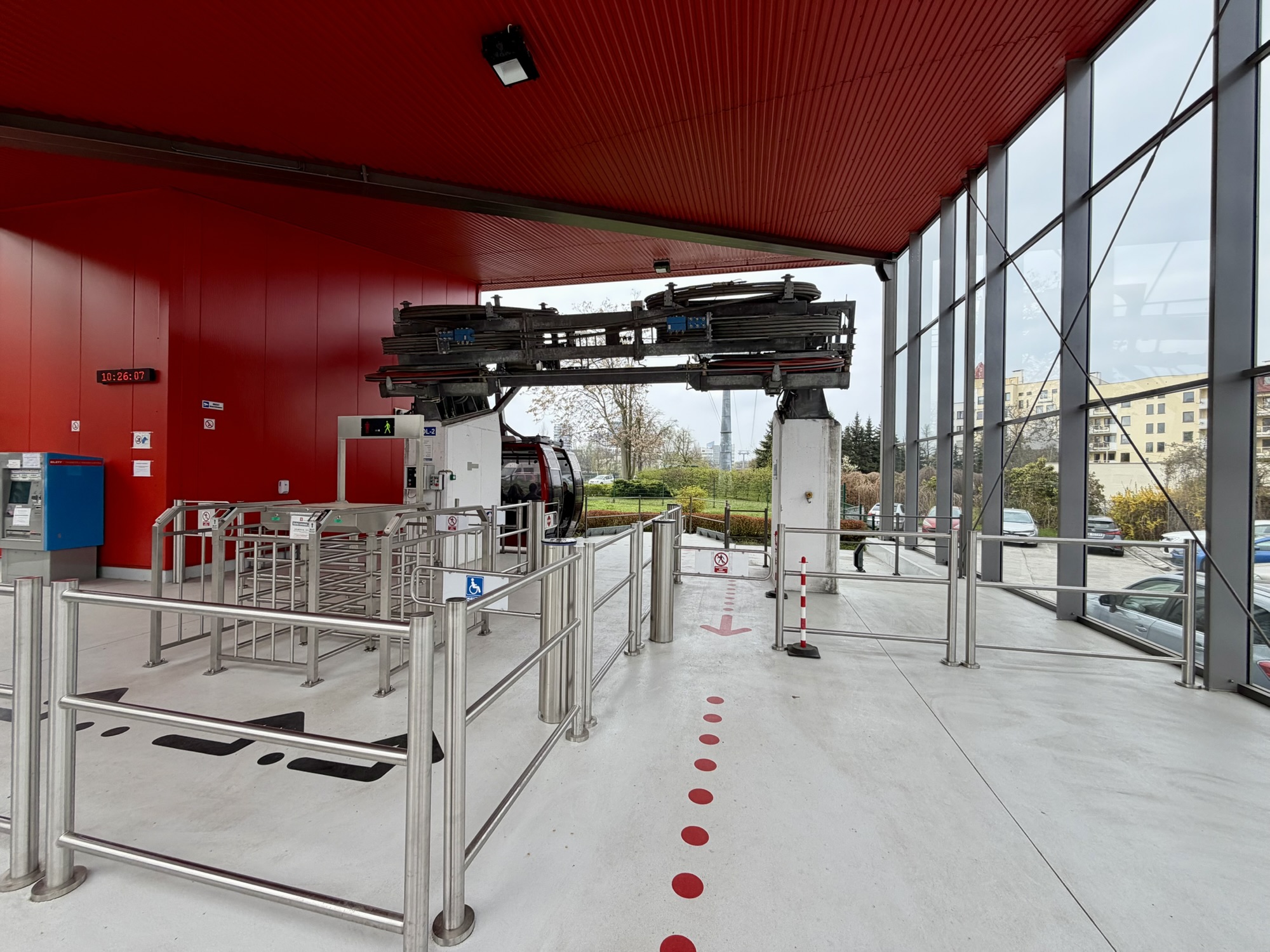
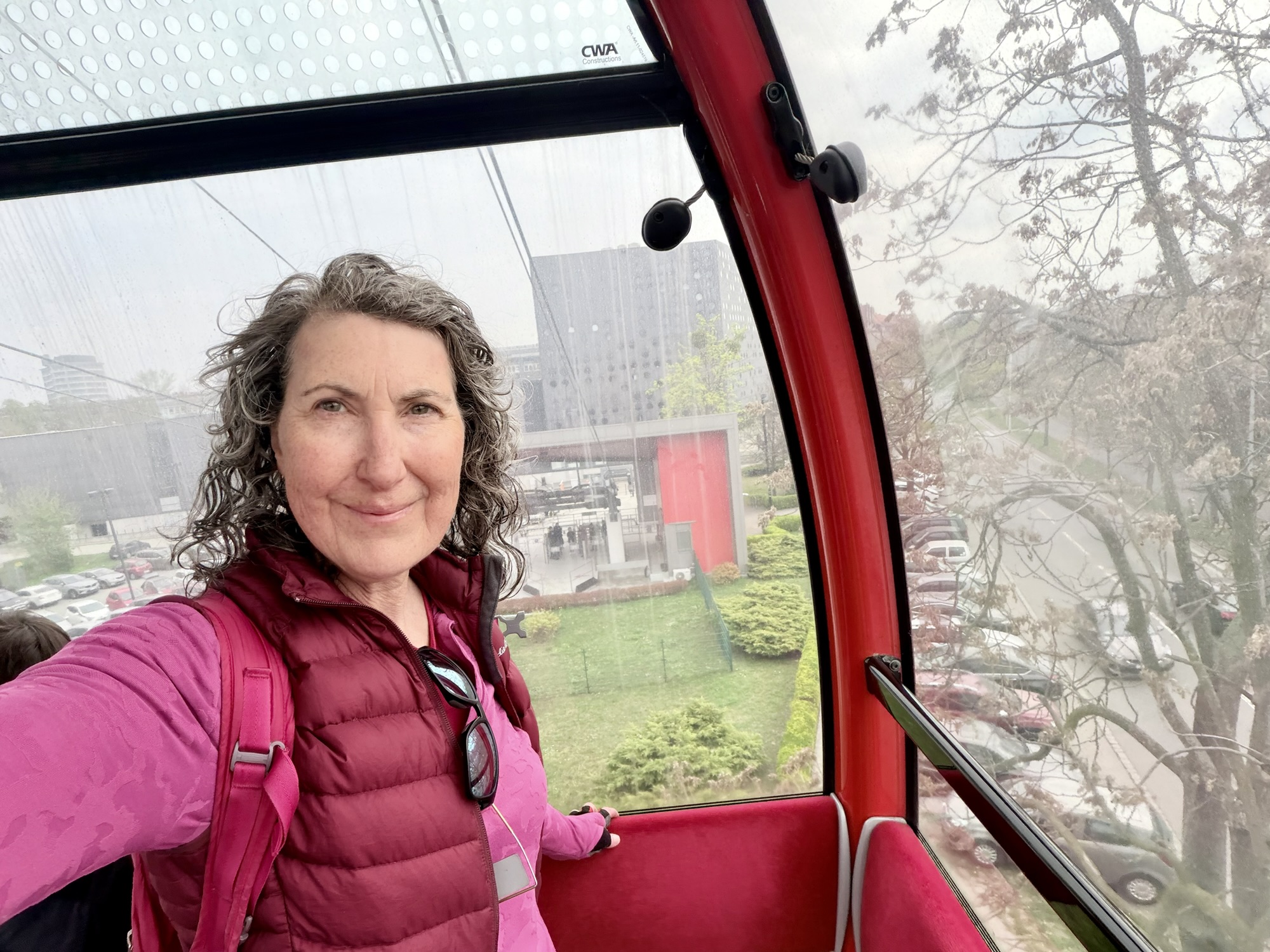
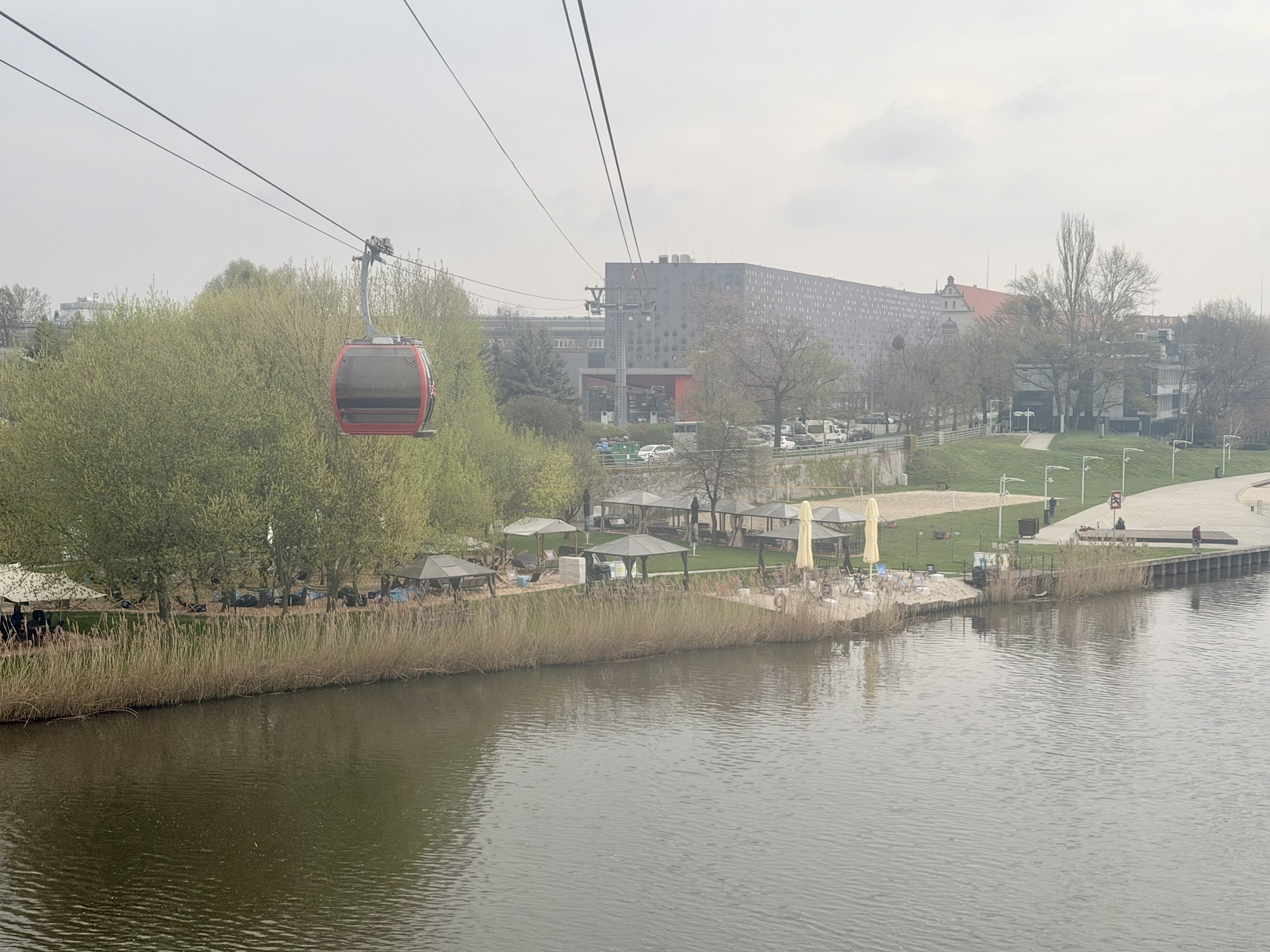
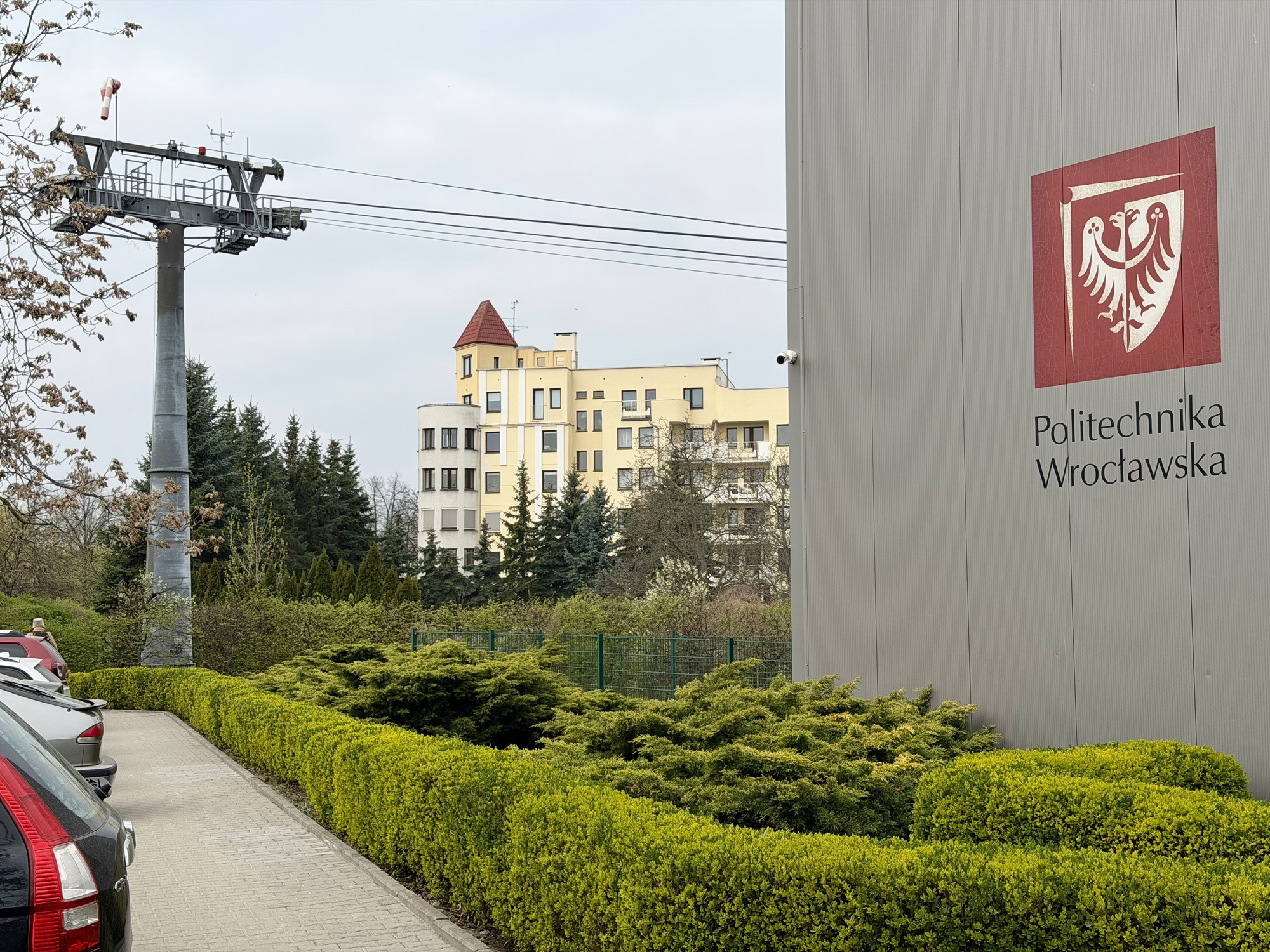
The Wroclaw University of Science and Technology has a cable car – Polinka – launched in 2013, that connects the main university campus with a second campus on the other side of the river Odra. It has just two stations and takes three minutes to cross the river. It replaces a 20 minute walk. Students and staff travel free; others can purchase a ticket. When I saw it, I knew I had to give it a try, so I locked up my bike at the bike rack on the property, and purchased a ticket from the machine. The other place I have been that has a cable car as part of the public transportation system is New York City’s Tramway to Roosevelt Island. I had some trouble purchasing a ticket, accidentally buying bus tickets first, but a student helped me out. I decided to walk back across one of the more than 120 bridges in the city.
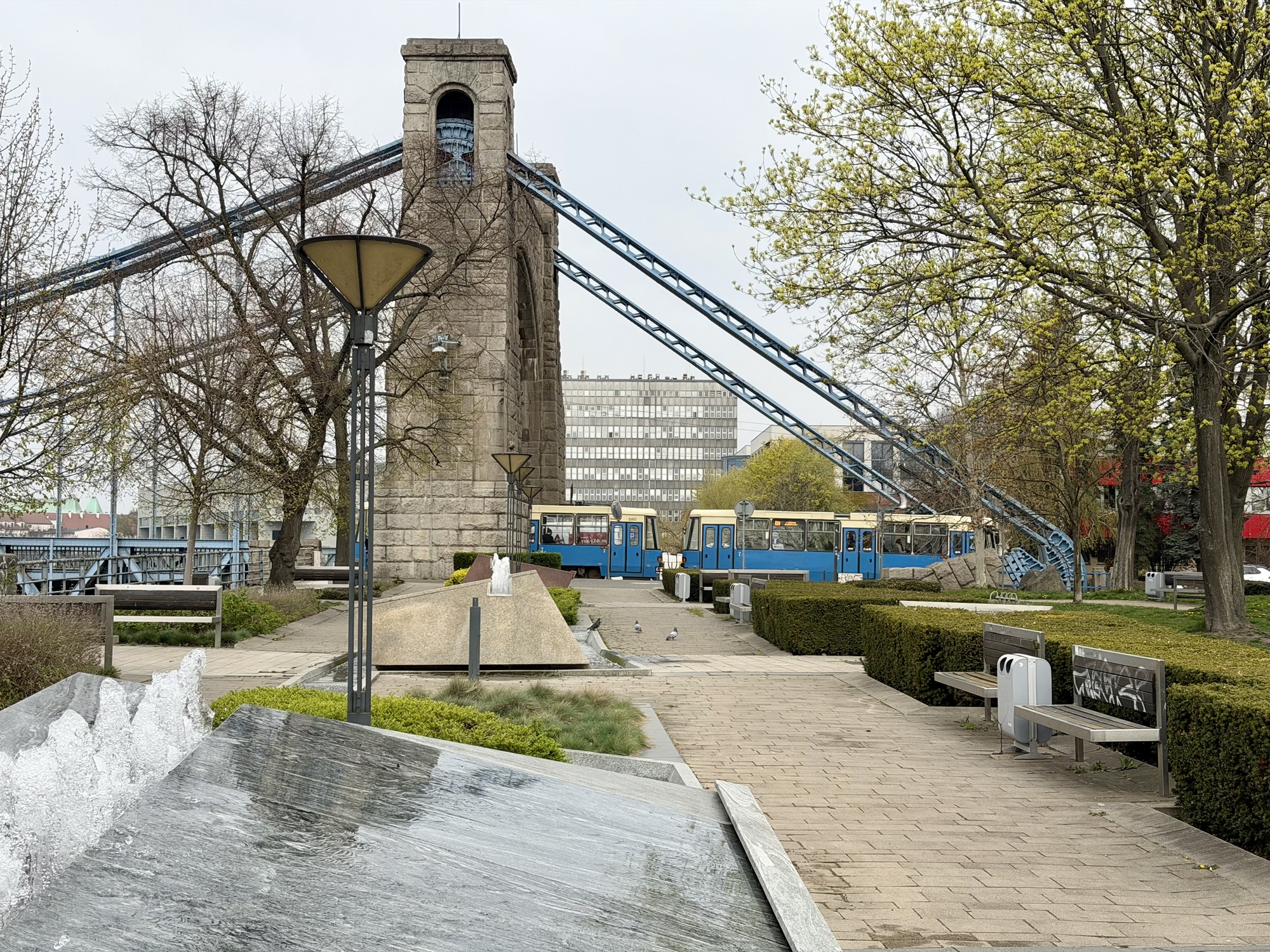
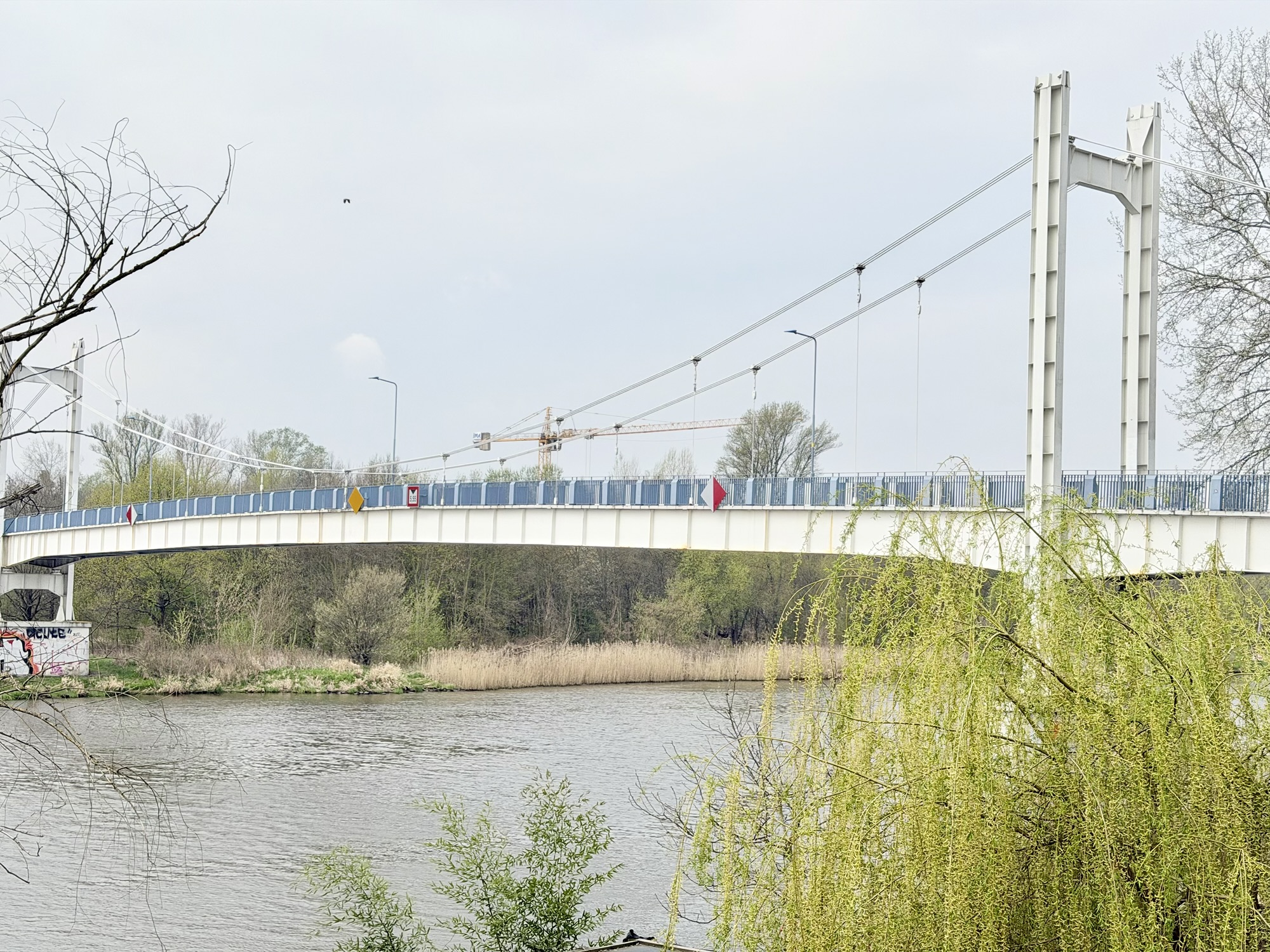
Wroclaw is built around the Odra River, which also has several tributaries – Oława River, Ślęza River, Widawa River, Bystrzyca River. This means the city has a lot of bridges.
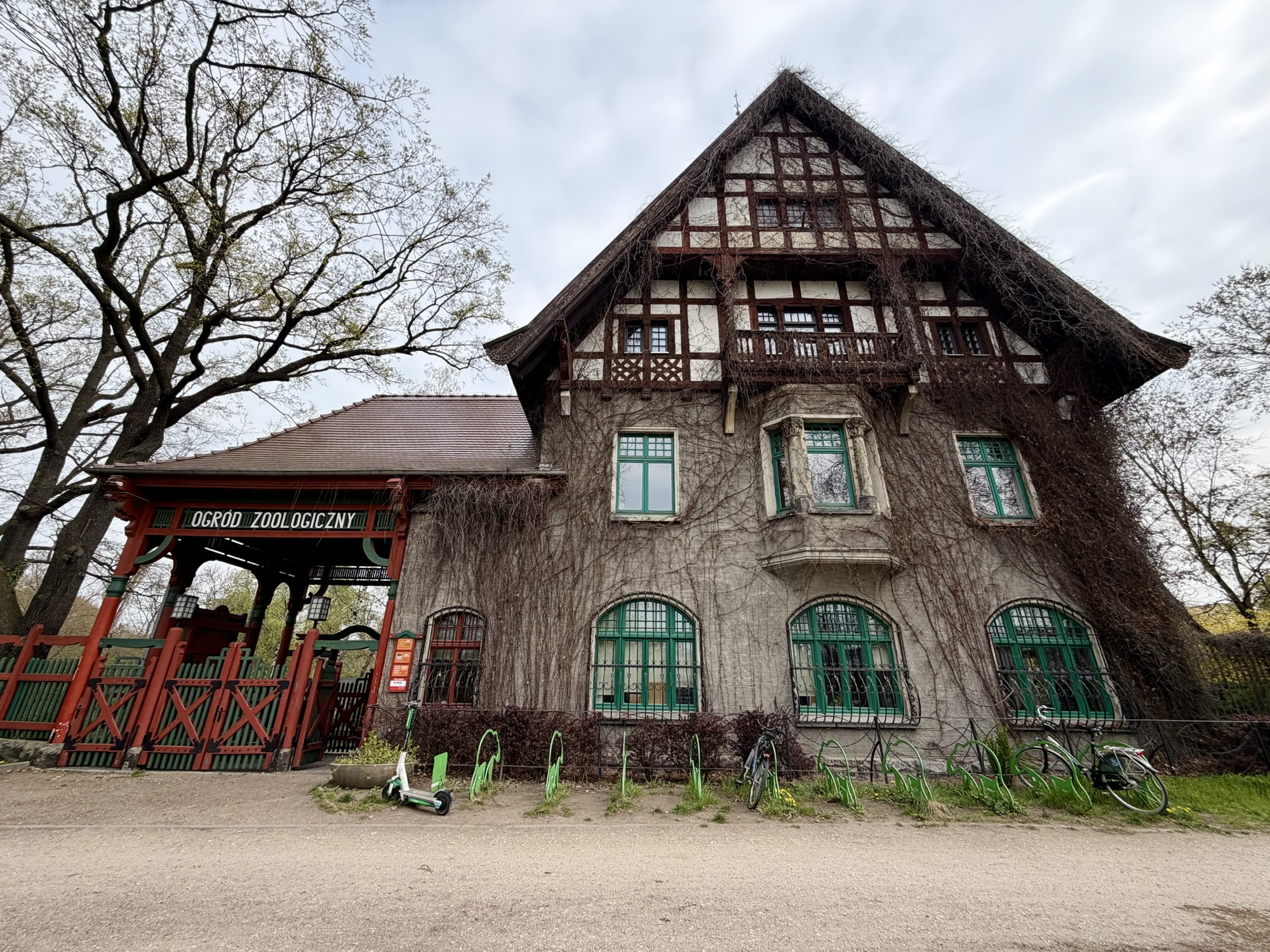
This pedestrian only bridge took me past the zoo.
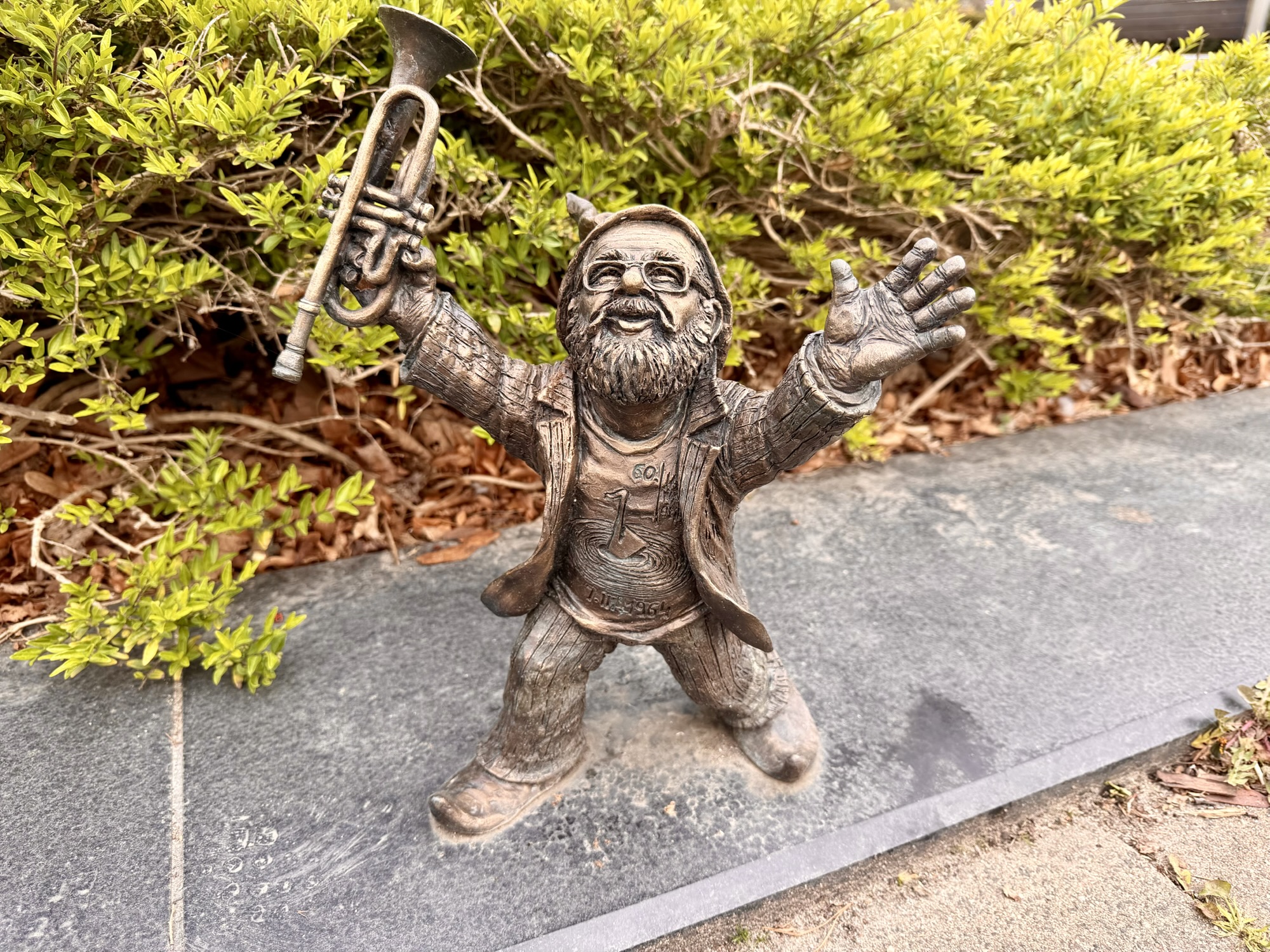
I found a couple more Wroclaw dwarfs.
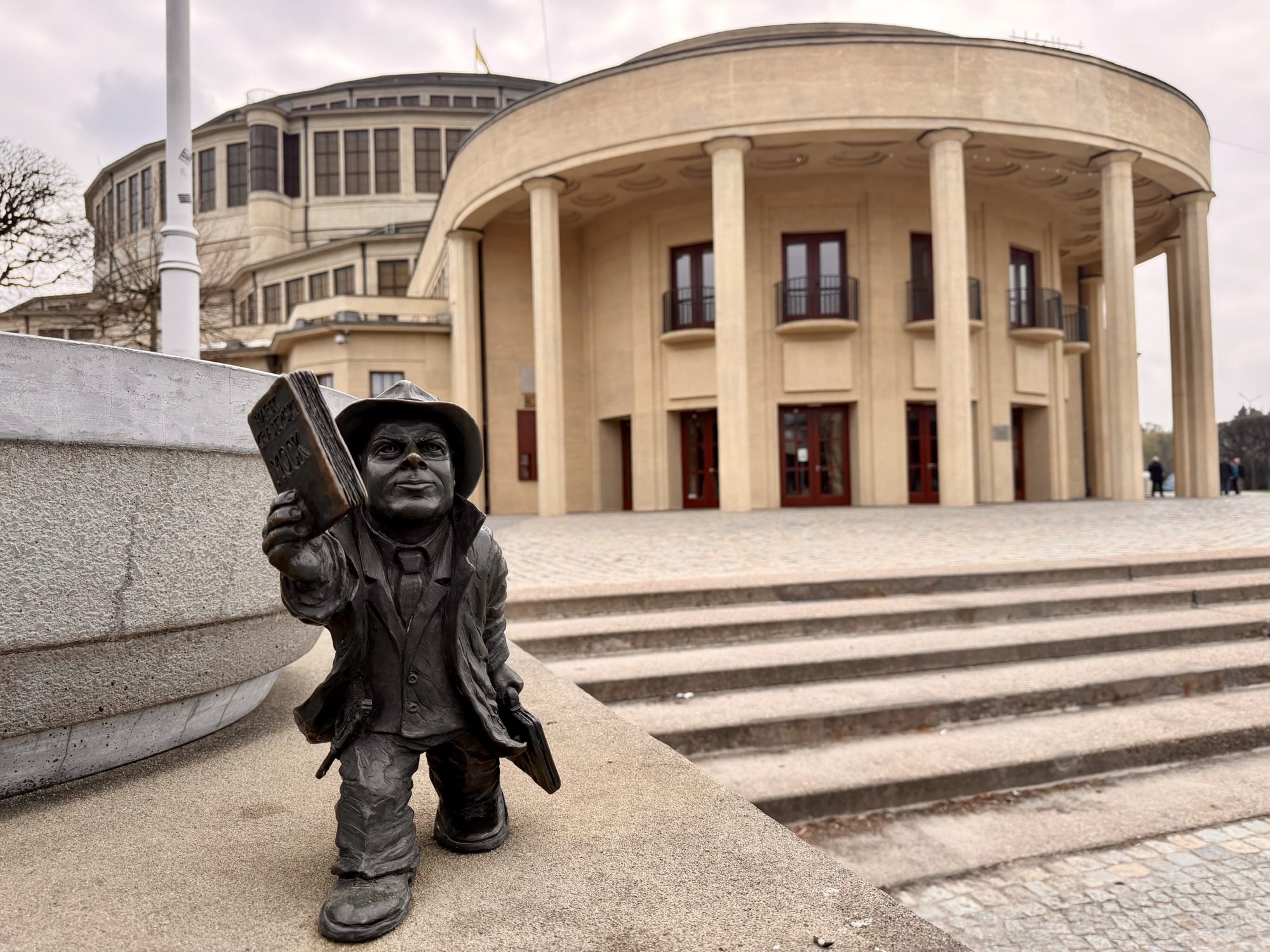
My first planned stop for the day was Centennial Hall (Hala Stulecia). It was built from 1911 to 1913. The architect was Max Berg. At the time it was built it was the world‘s largest reinforced concrete building. It is a UNESCO World Heritage site.
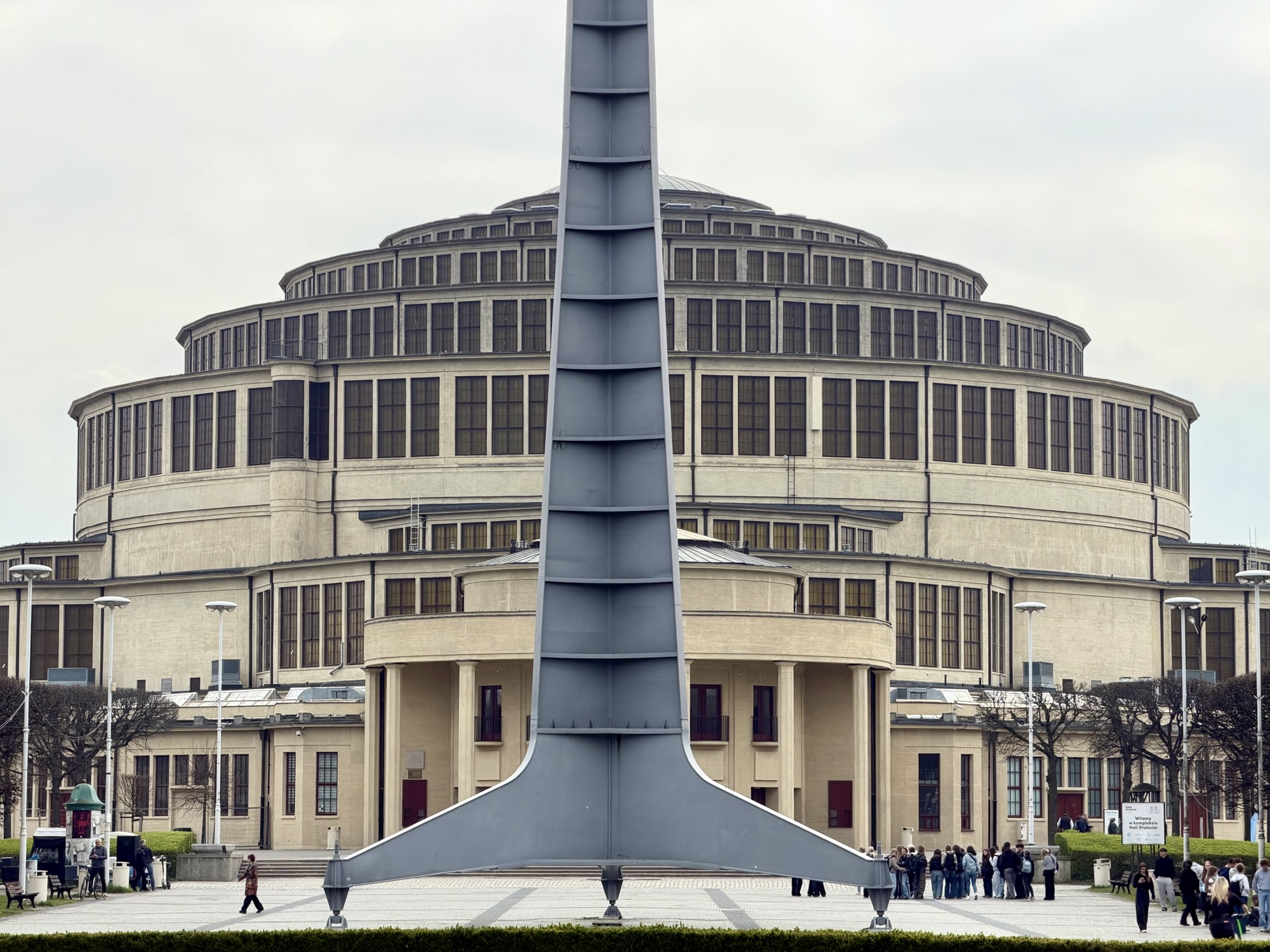
There was an entrance fee to see the hall, which can accommodate 10,000 people. Unfortunately, the blinds were drawn on the ribbons of windows for a concert that evening.
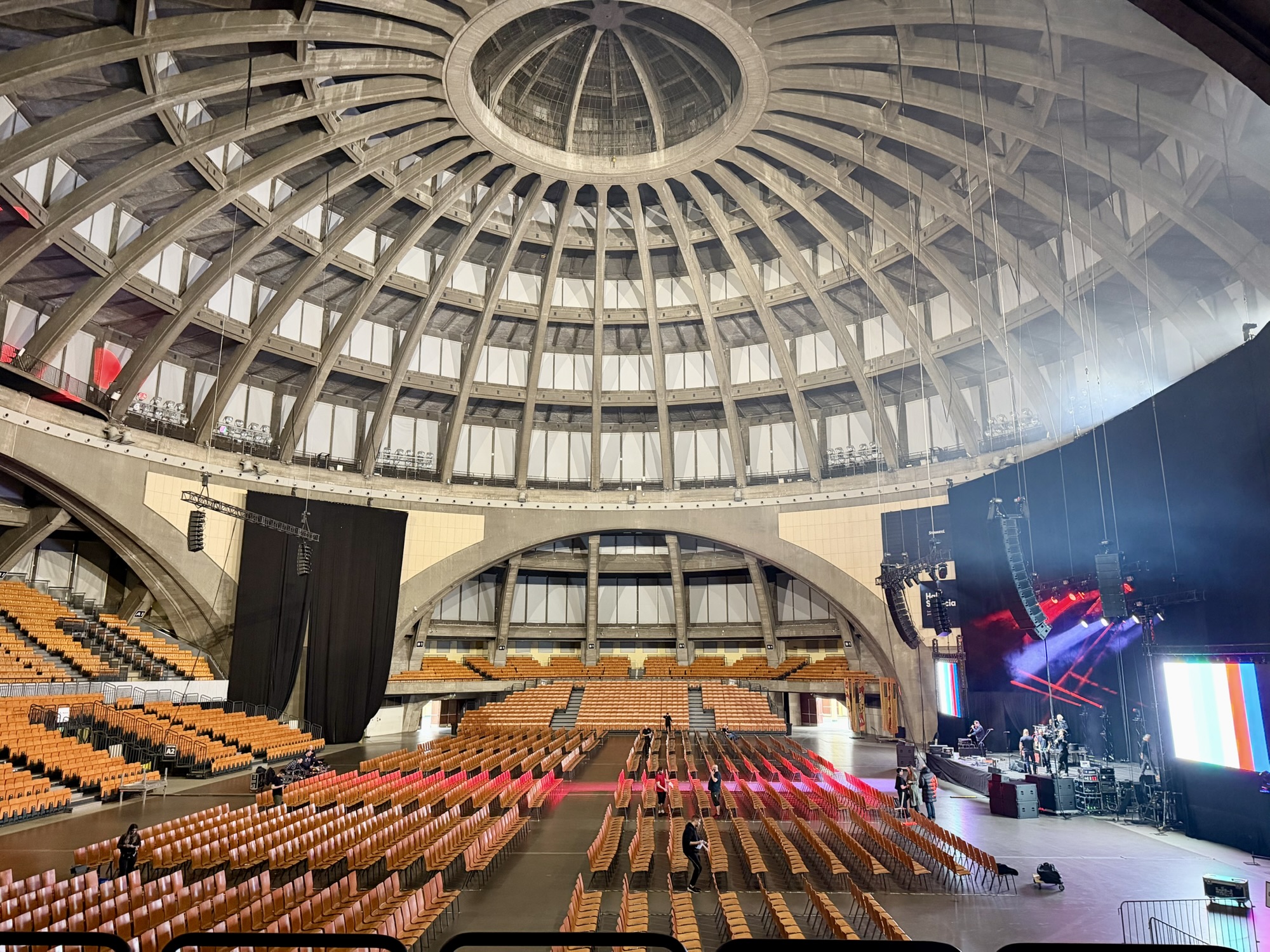
They were preparing for the concert. I used Shazam on my iPhone and it identified the band as HAEVN, a Dutch band, and they were performing a song called Trade it for the Night. The song made a nice background soundtrack to the video I took of the hall.
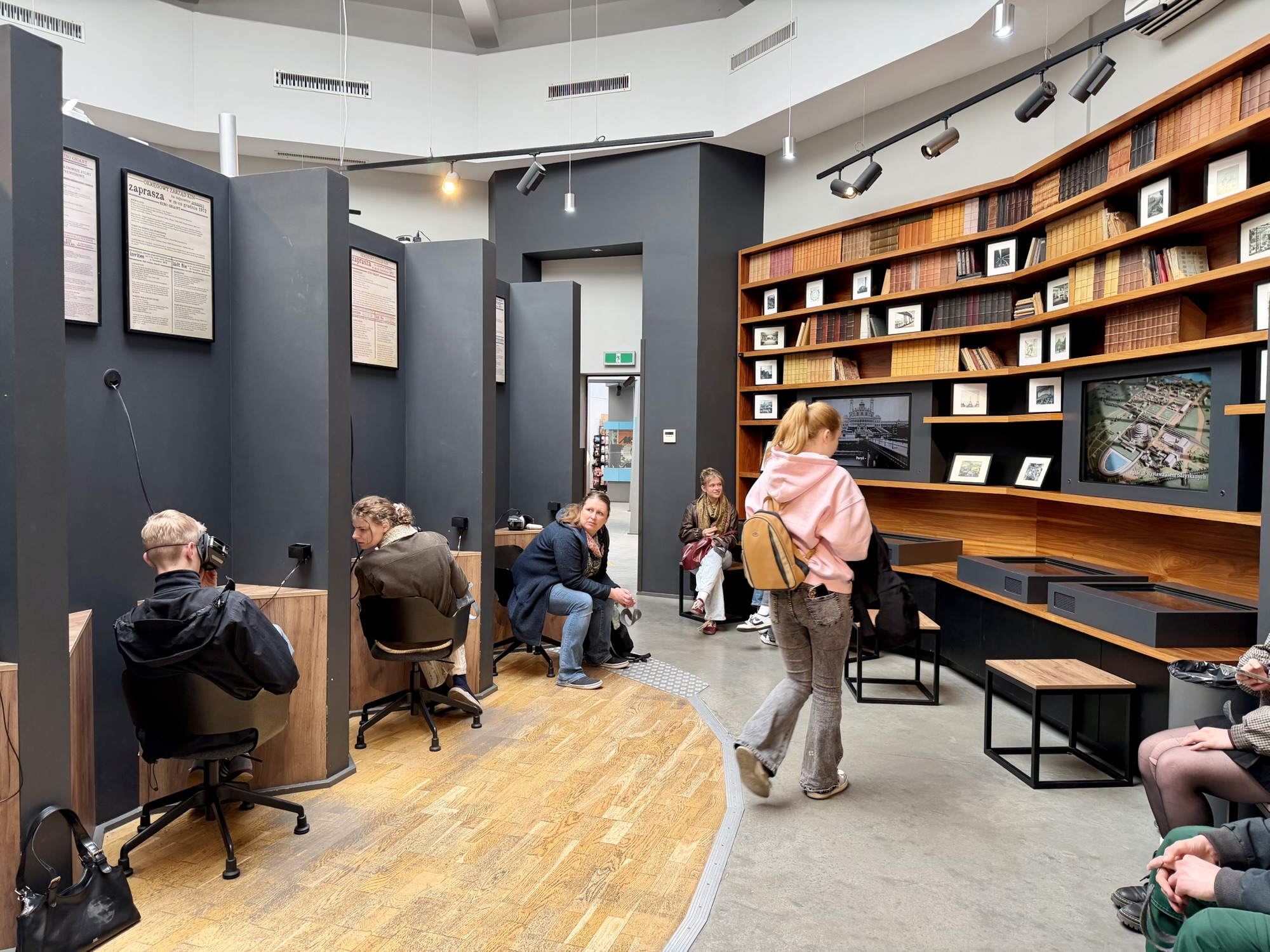
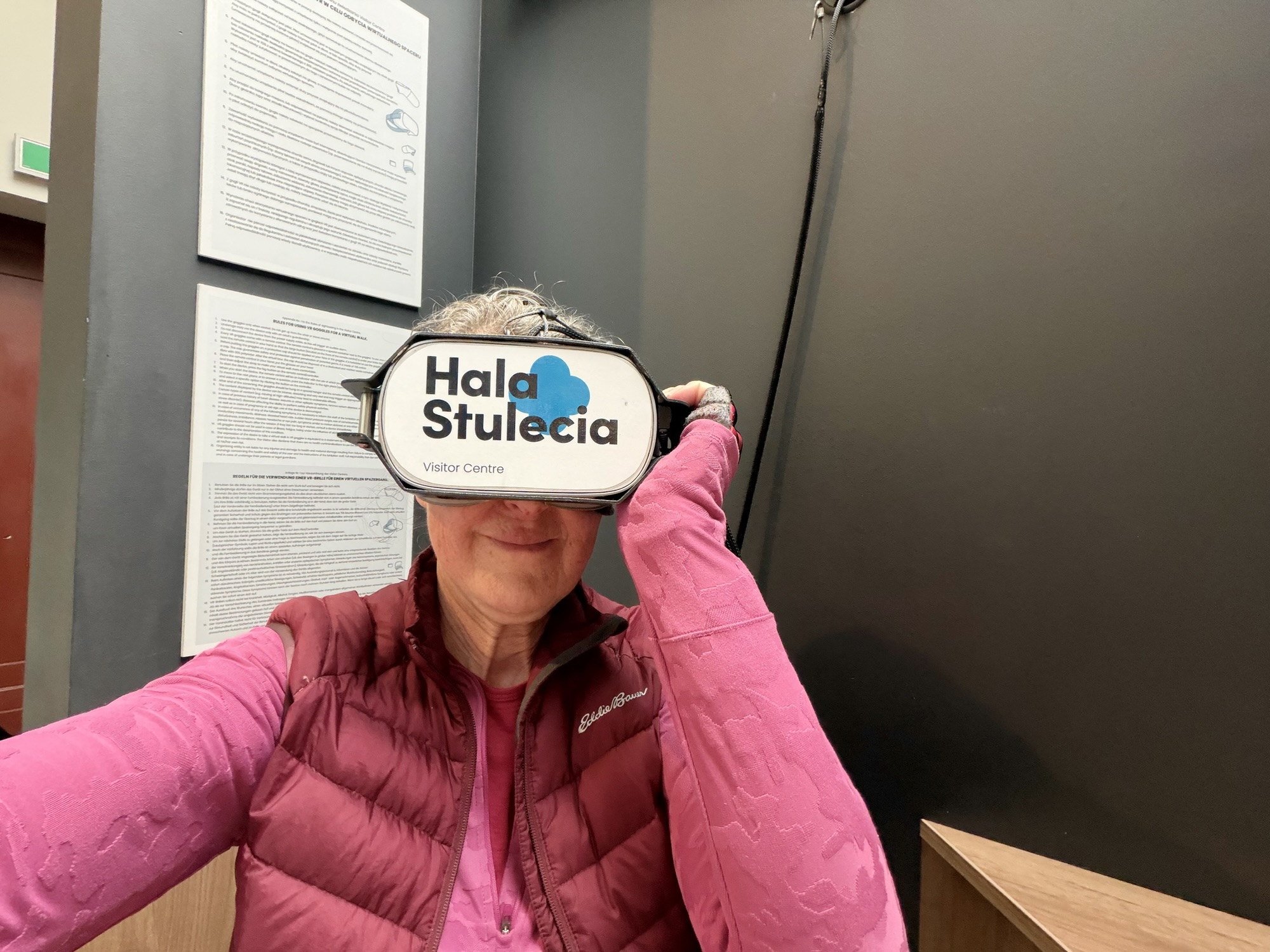
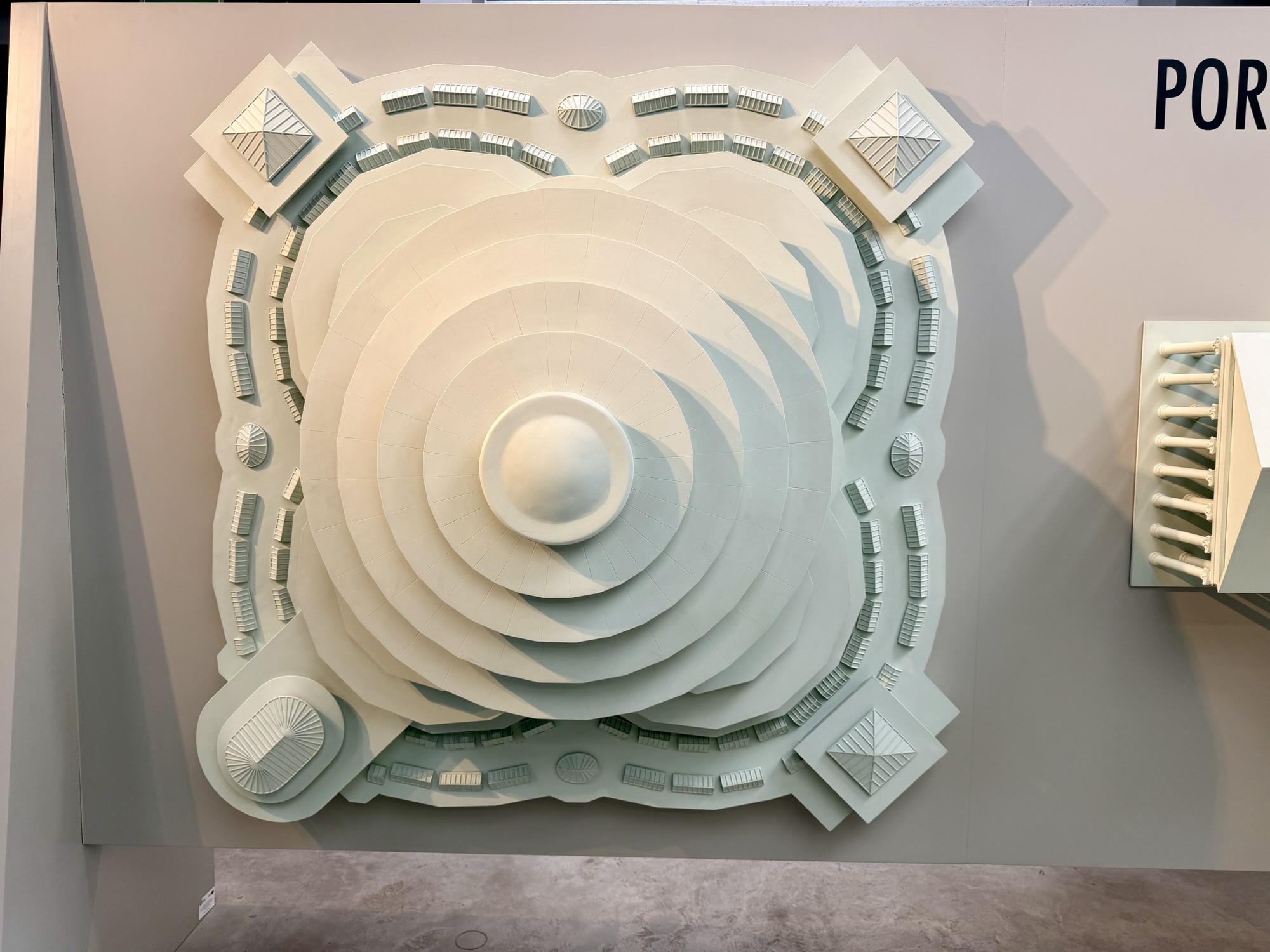
The visitor centre had a virtual reality program which allows one to fly around the complex and look at the hall from a bird’s eye view.
For those of you who enjoy visiting UNESCO World Heritage Sites and and would like to keep track of the ones you visit, there is an UNESCO World Heritage Sites app for that. If you allow it to access your location when you’re using the app, it will show you which sites are close to your location.
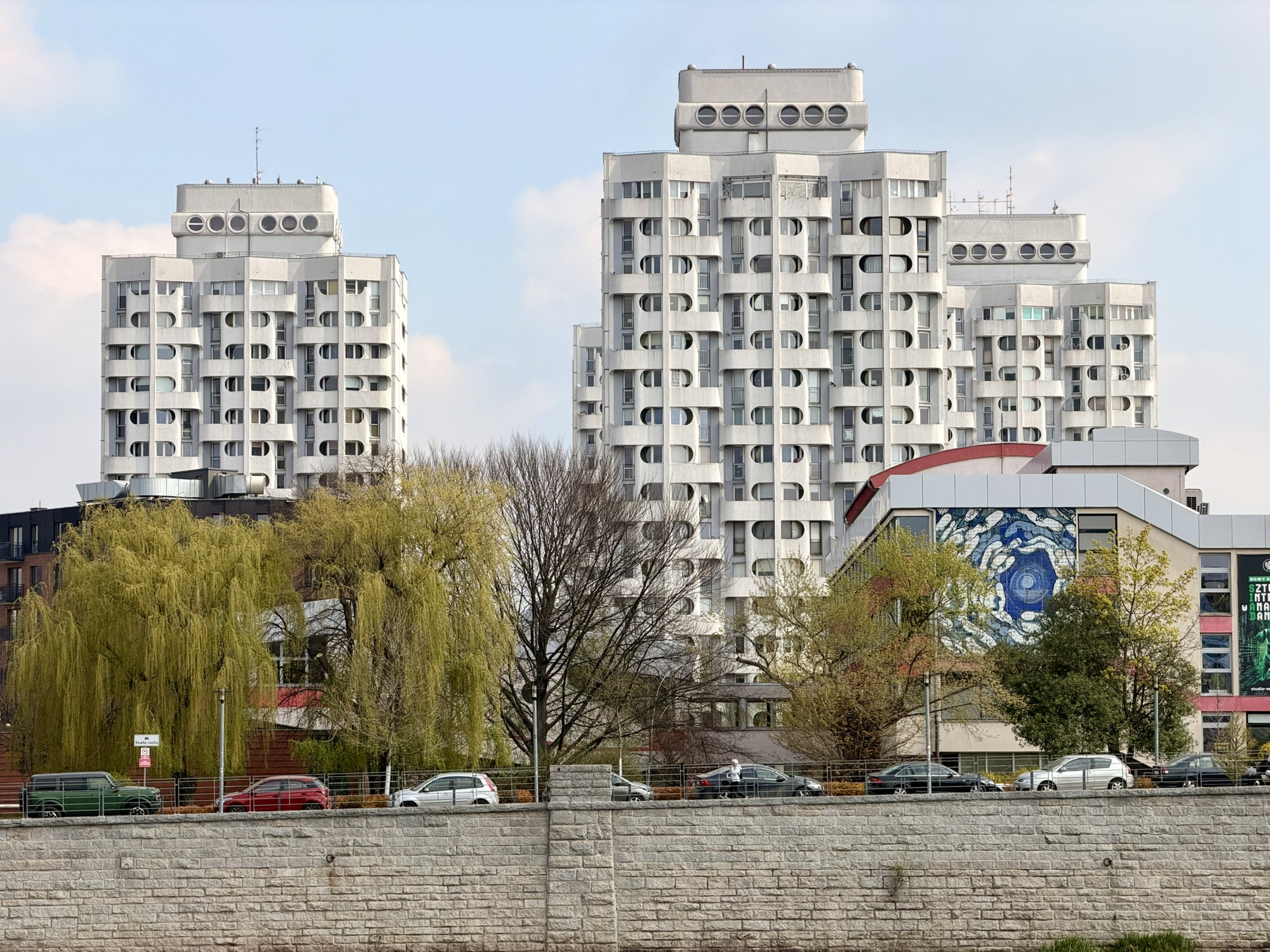
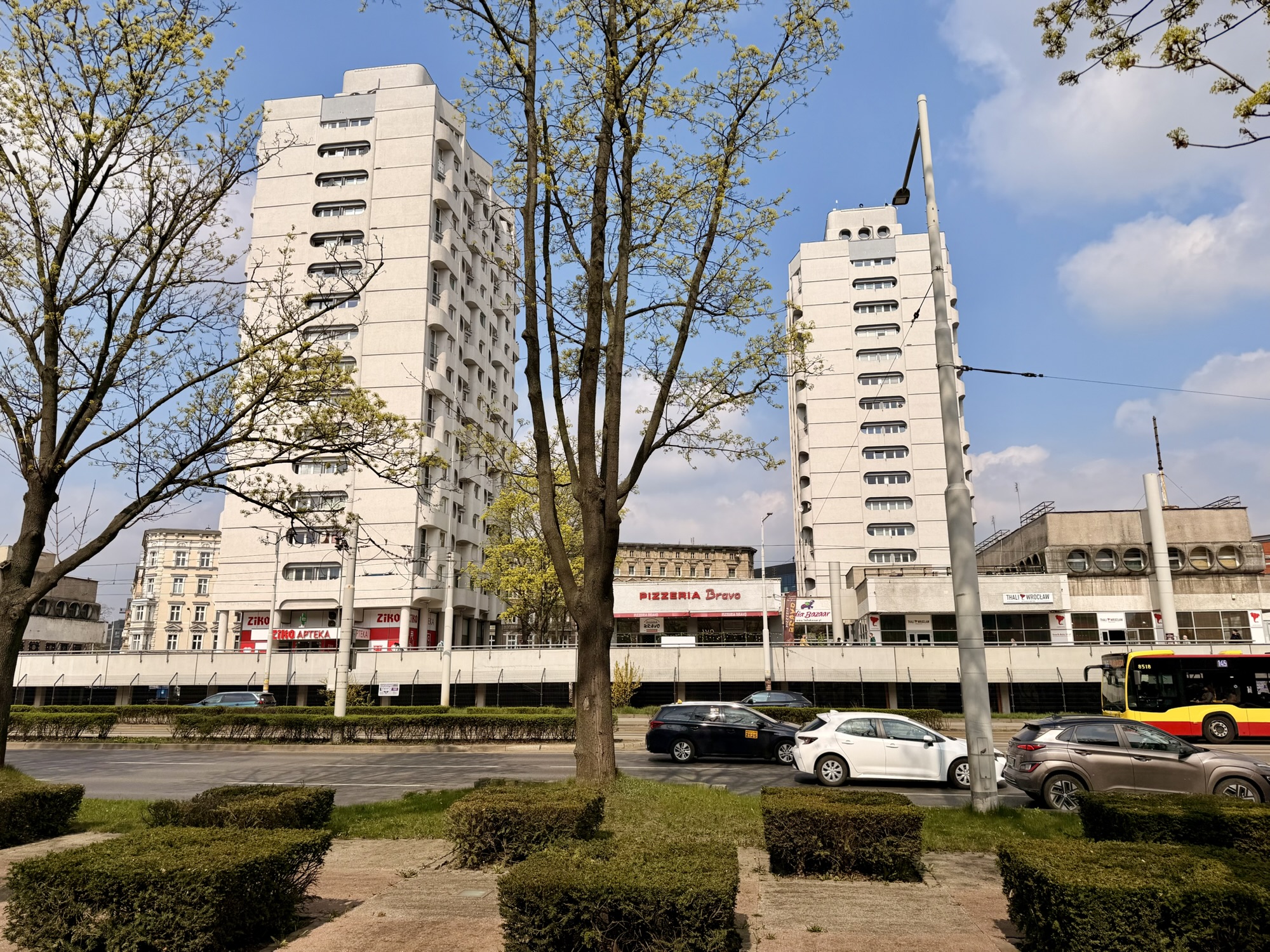
My next stop was the architecture museum. My route took me over another bridge and through an underpass to bypass a busy road past these interesting apartment buildings. There are six of these towers and they are known as Wrocławski Manhattan. They were built between 1967 and 1970. The six towers sit on a podium that contains shops and restaurants.
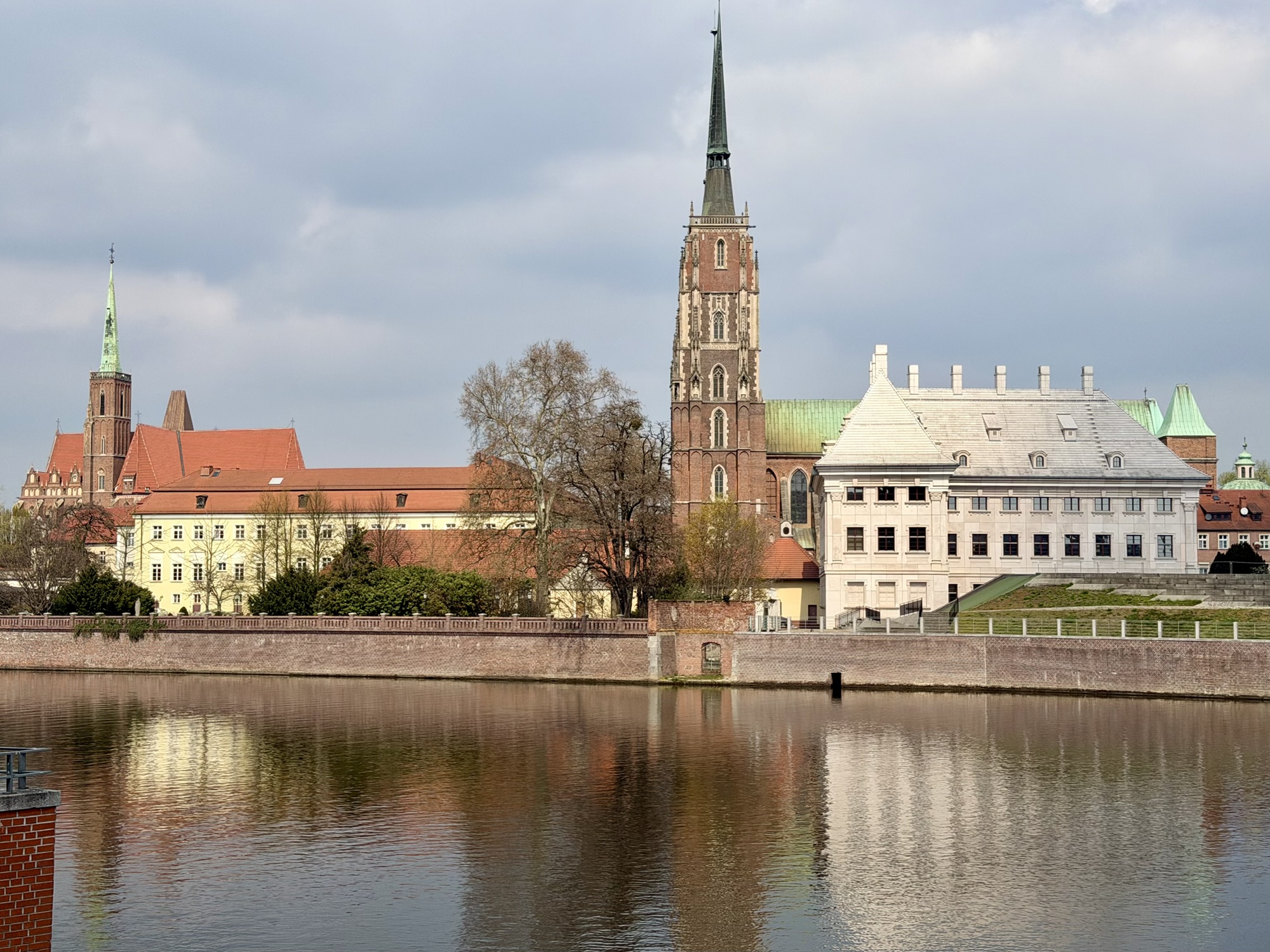
There were beautiful reflections in the river.
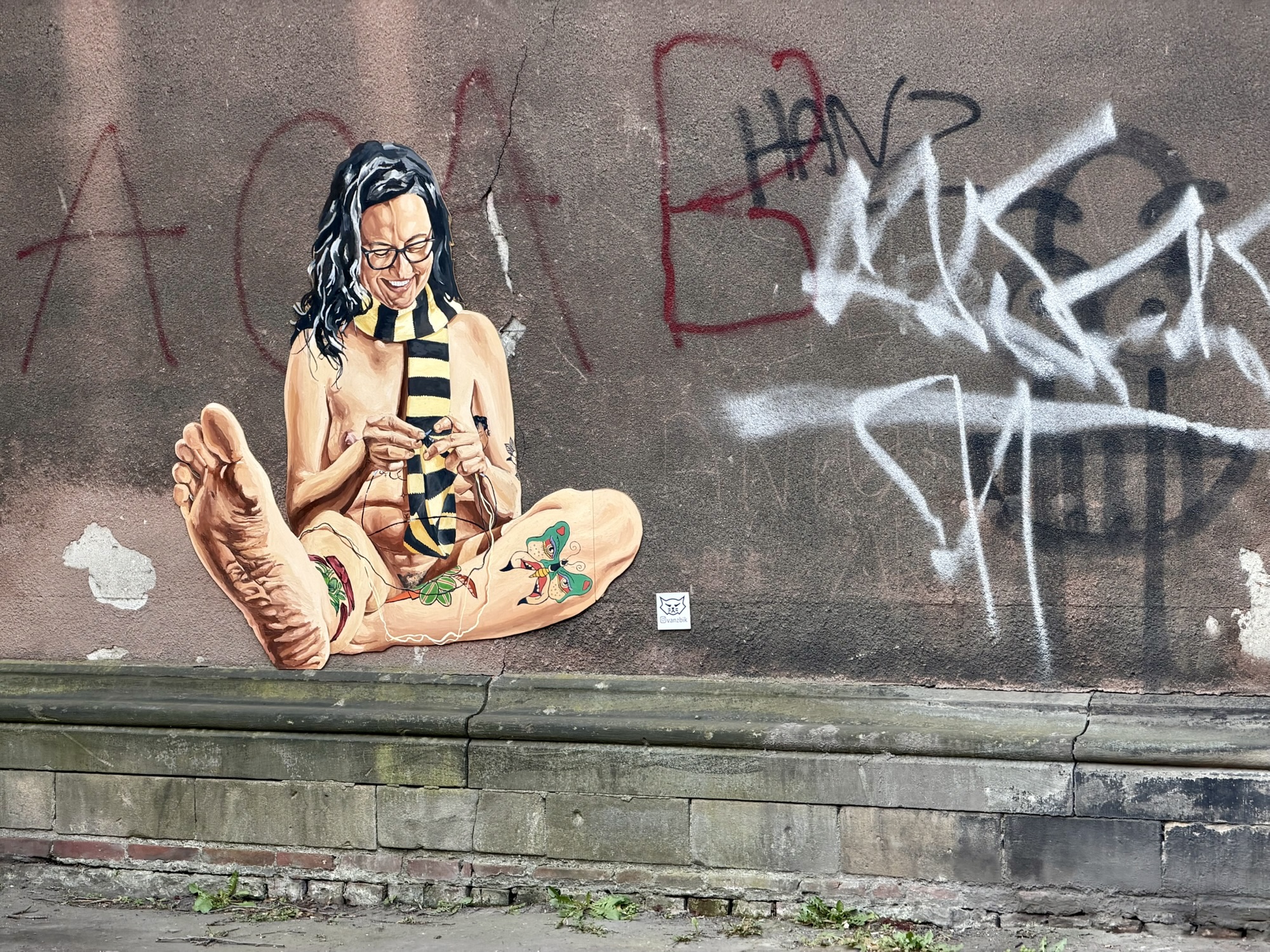
I saw a number of these realistic street art pieces around the city.
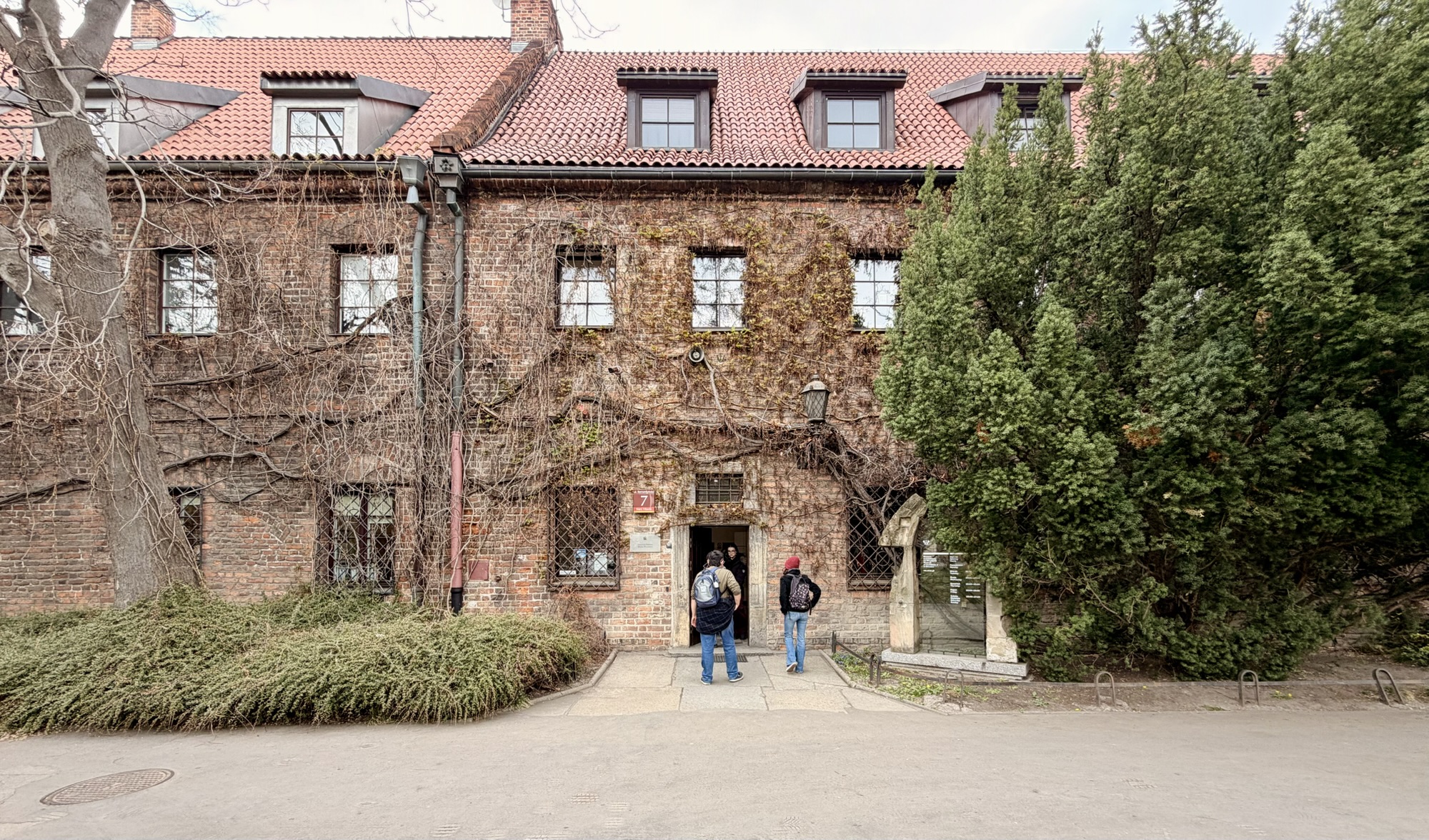
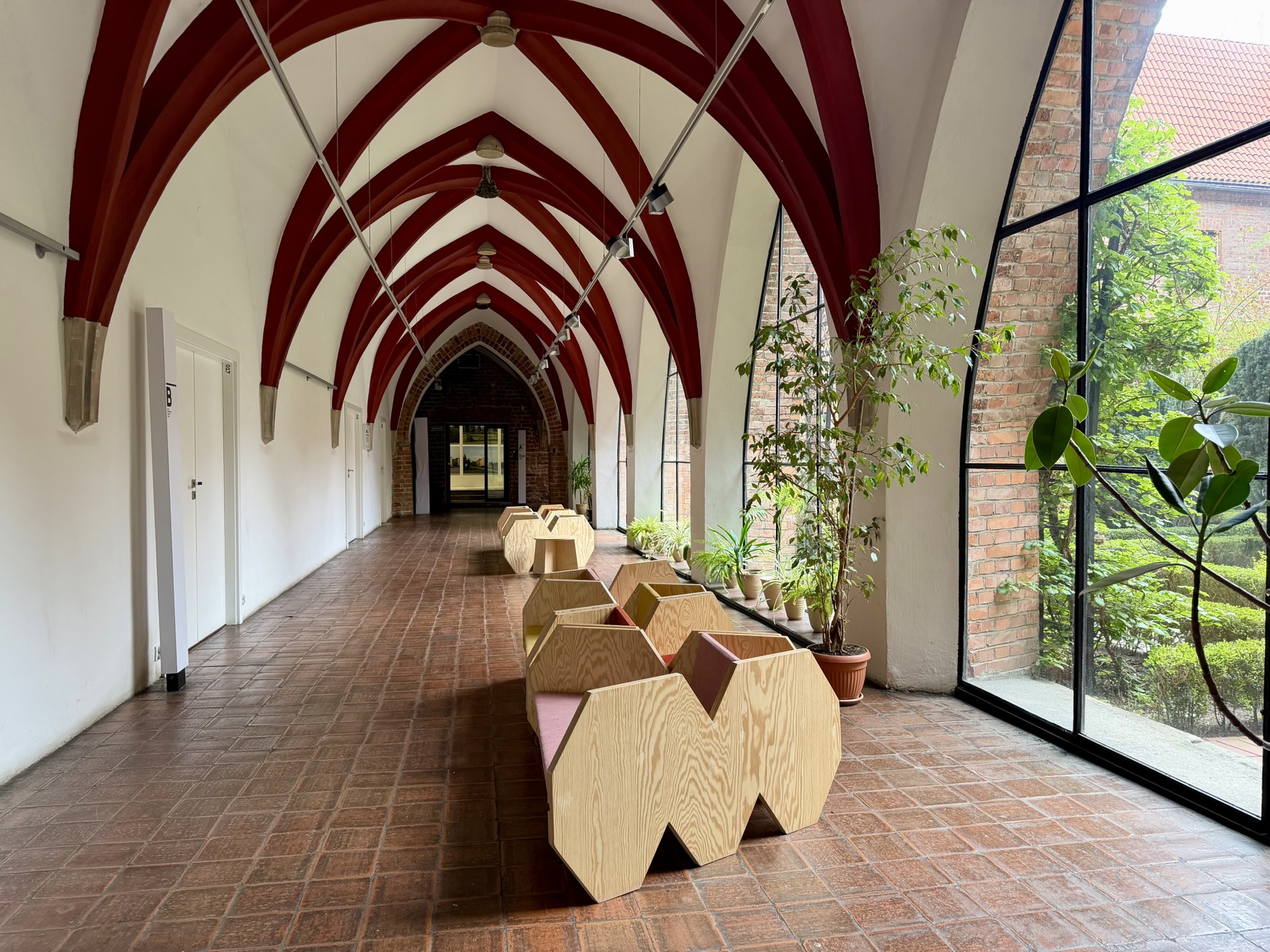
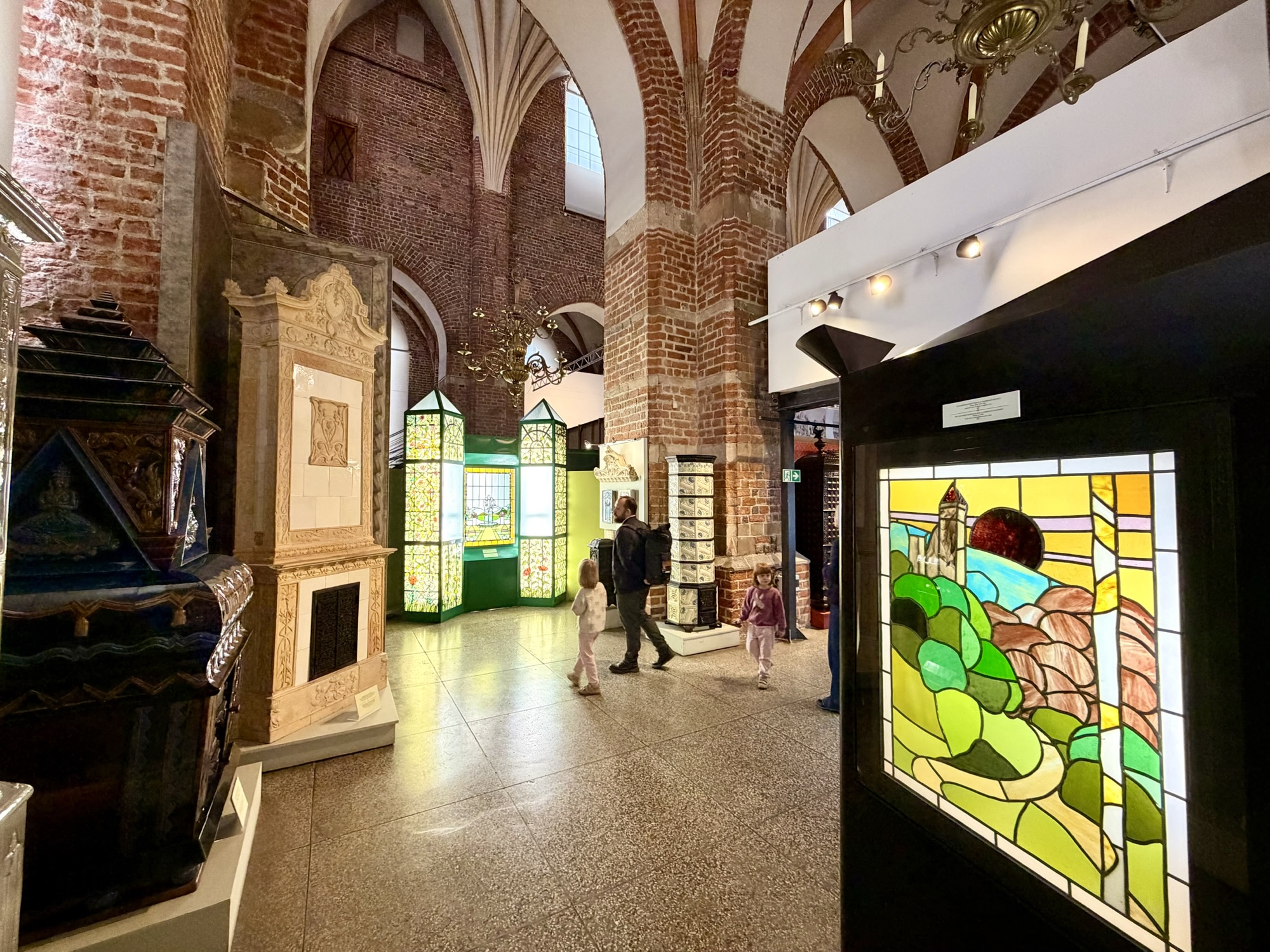
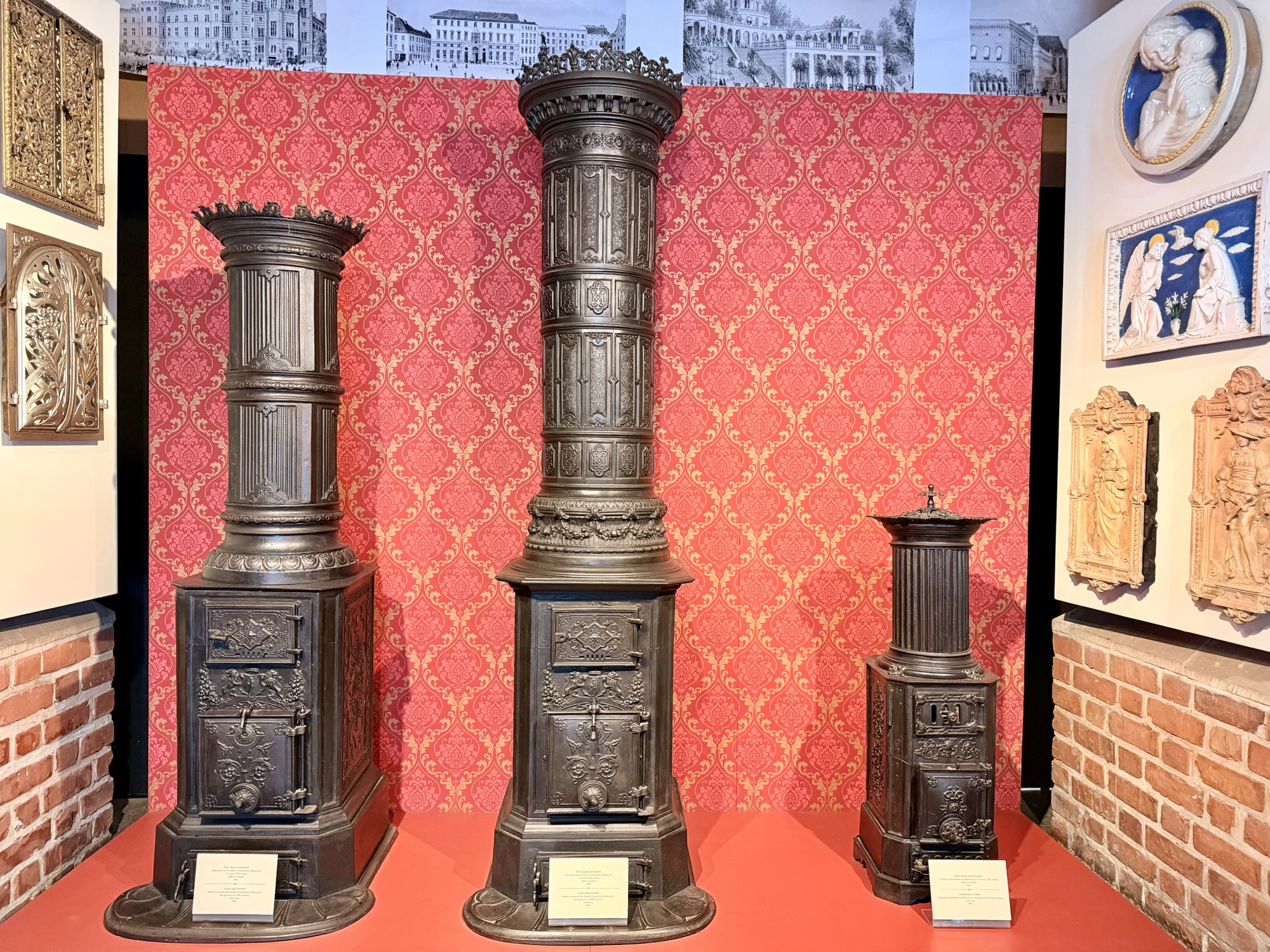
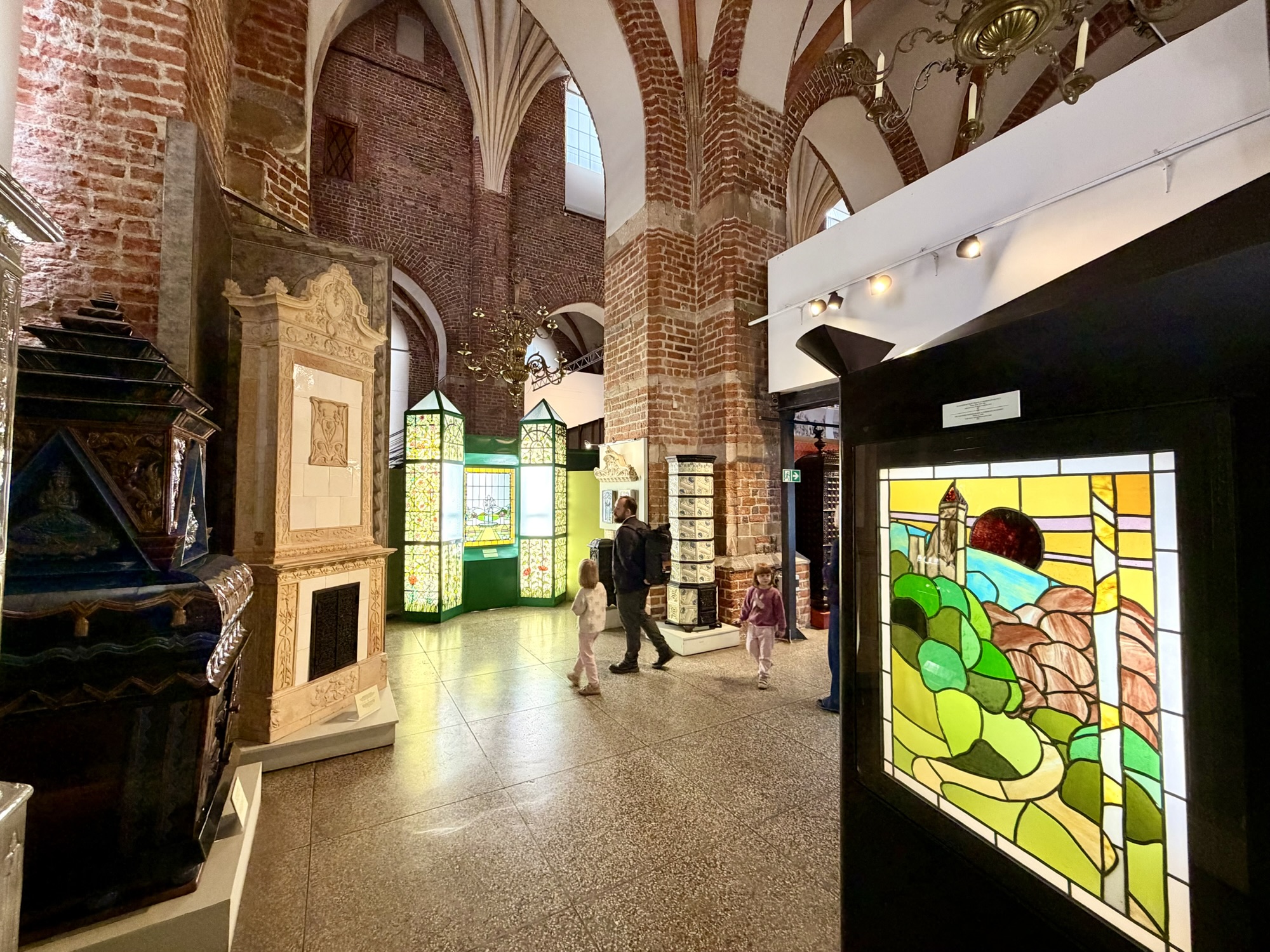
The Architecture Museum, founded in 1965, is housed in the historic building of the Bernardon monastery. There was no entrance fee on the day I was there. It is the only architecture museum in Poland. The building dates back to the 15th century. It contains the largest collection of stained glass in Poland.
The main exhibit on the day I was there was about a Polish couple Maciej Nowicki and Stanislaw Sandecka. The couple withstood the difficult circumstances of World War II. He remained professionally active in secret architectural competitions, taught masonry and worked as a design lecturer in the underground classes of the Warsaw University of Technology, even though teaching architecture to Poles was prohibited by the Nazis. He was involved in rebuilding Warsaw after the war and the couple later moved to the United States.
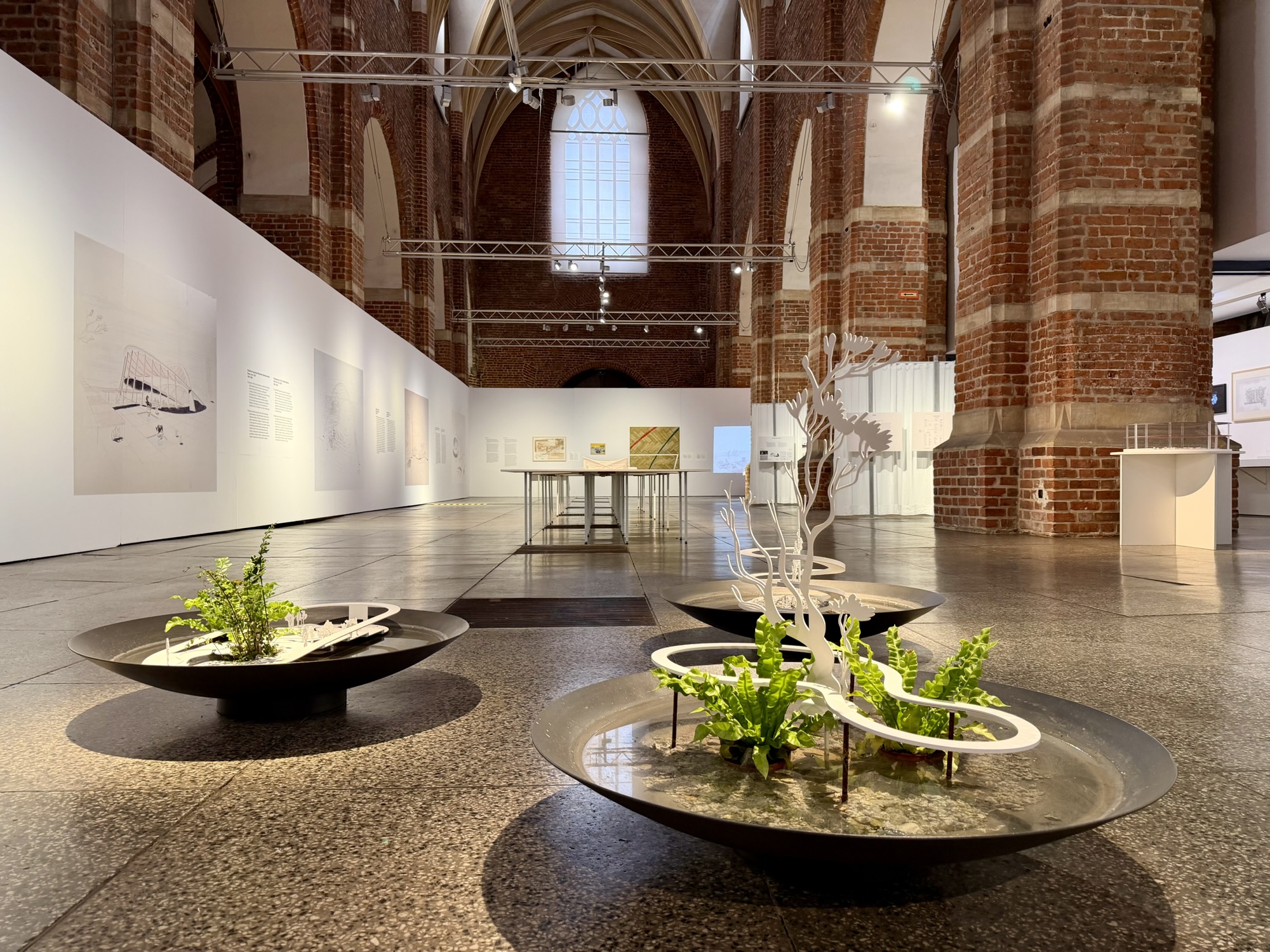
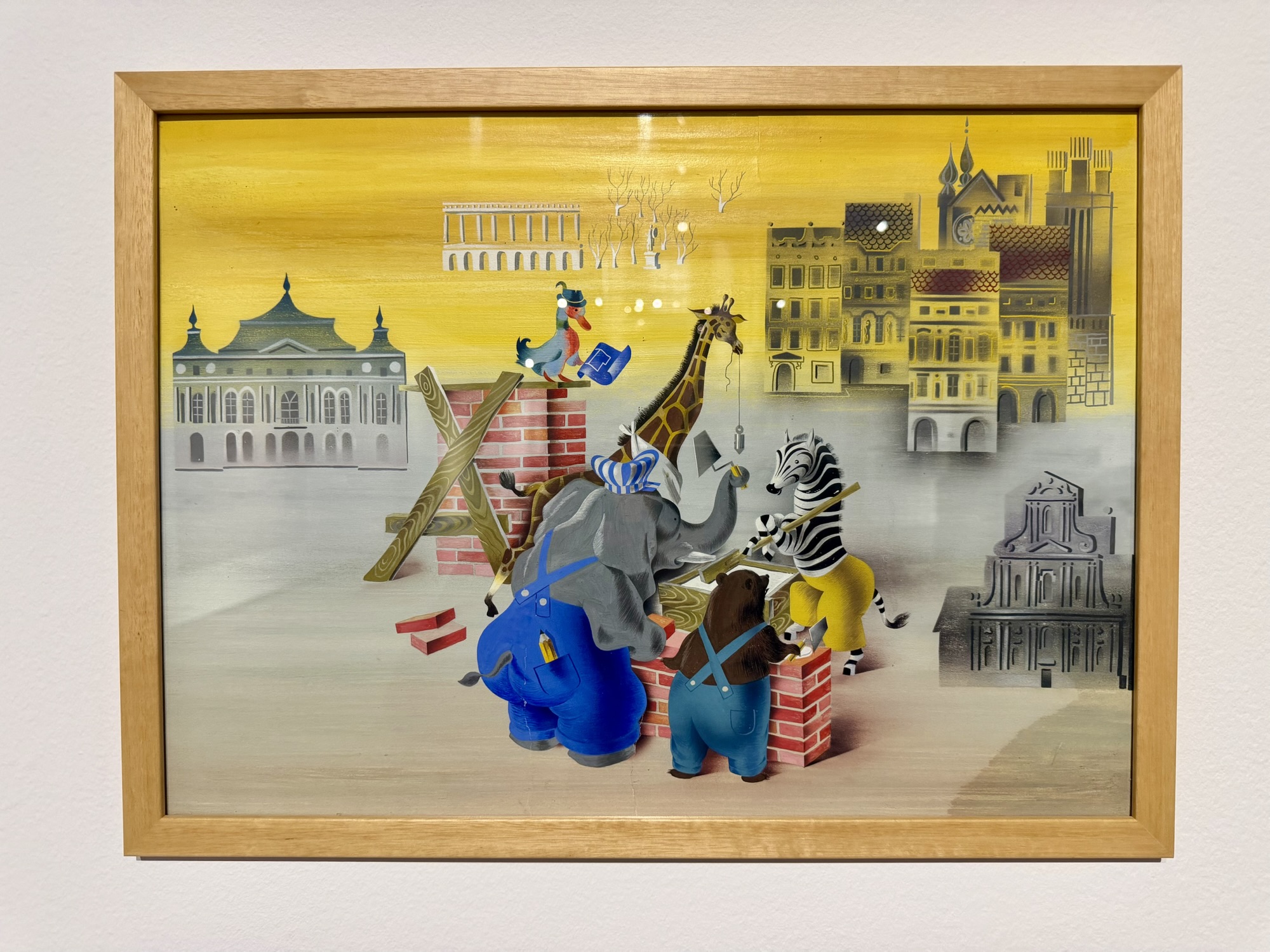
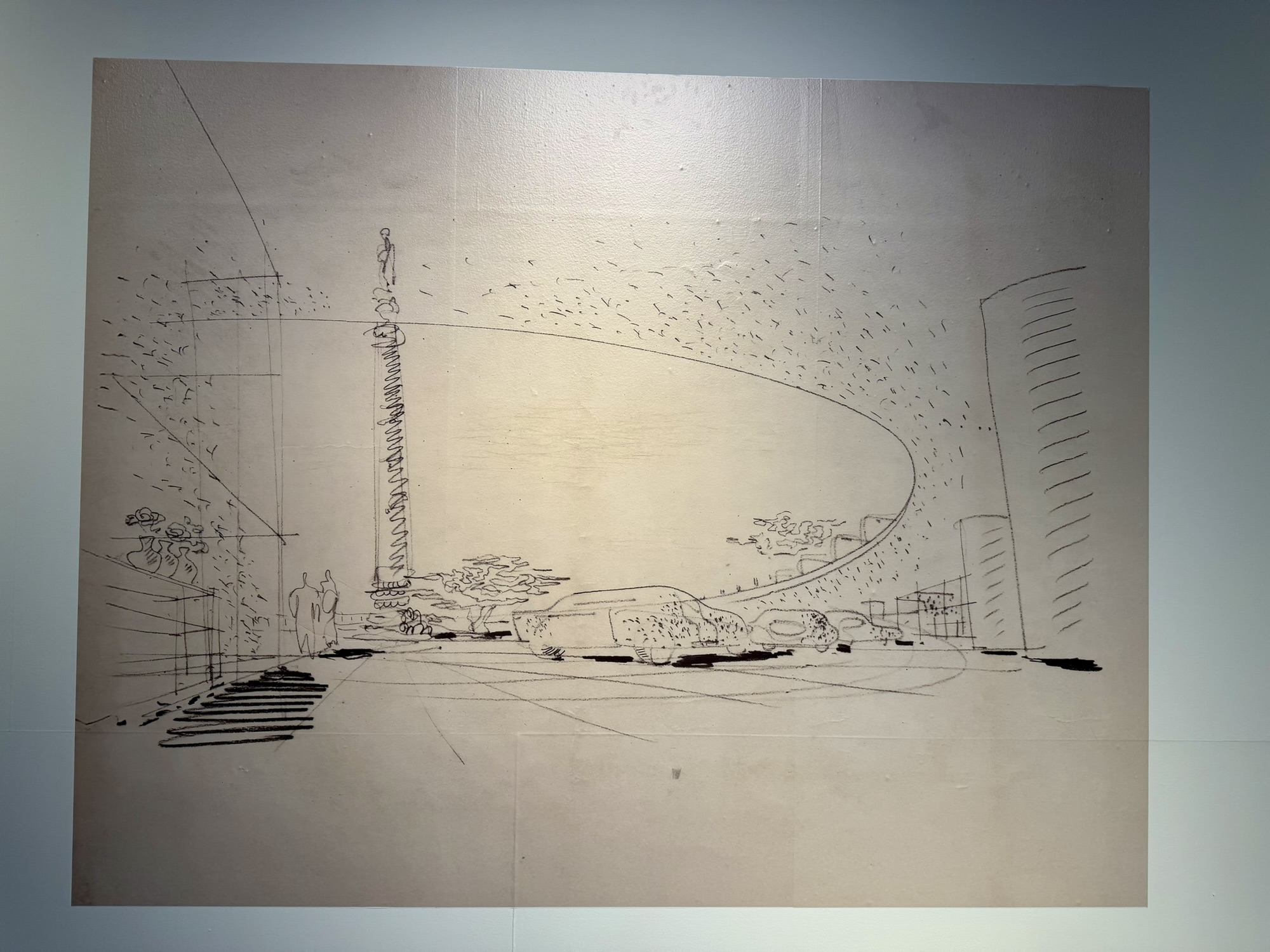
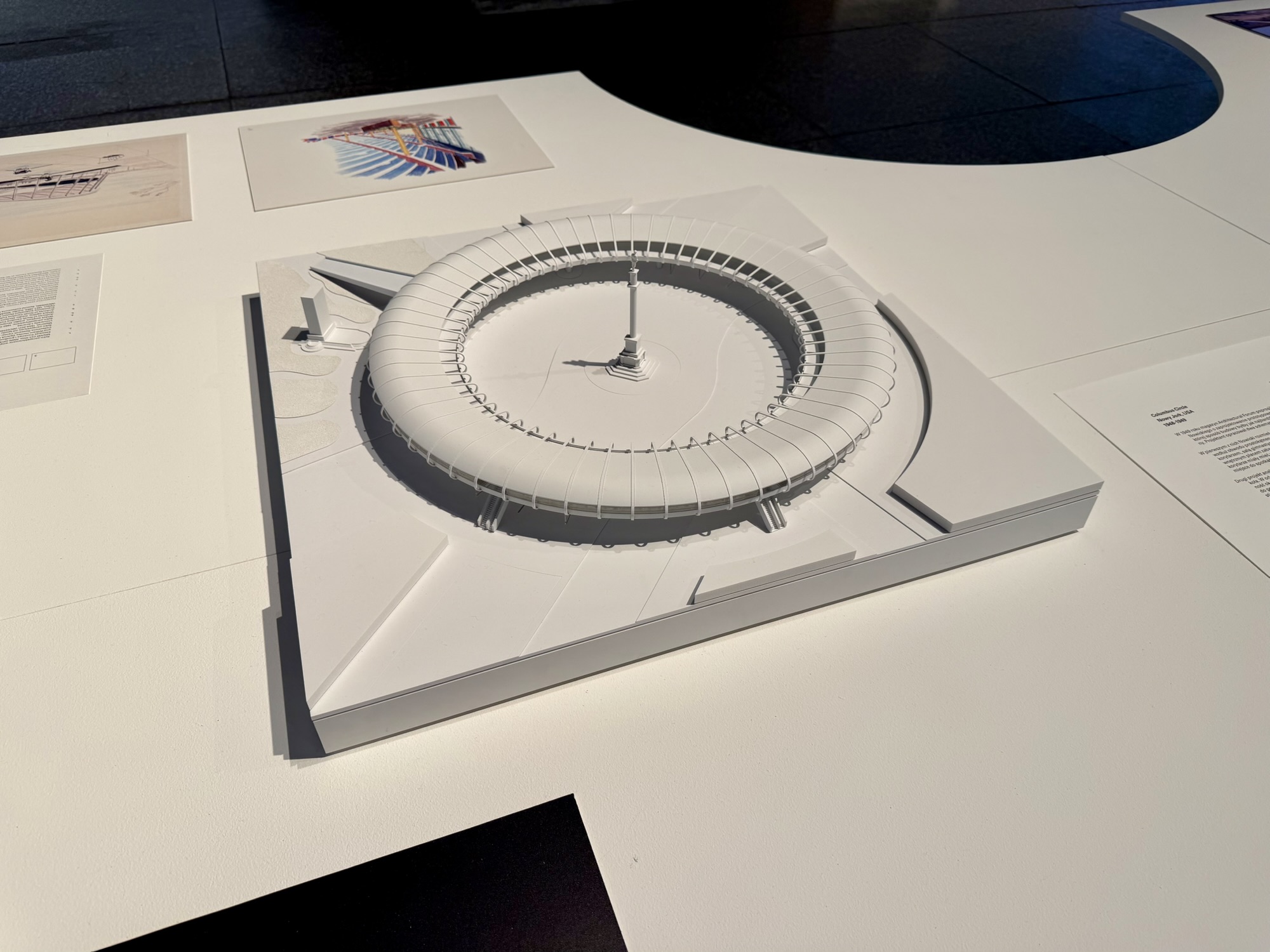
Stanislaw Sandecka was the first woman in US history to receive the title of Professor of Architecture. She also worked as a graphic designer, and some of that work was displayed in the museum. She worked for a year with Le Corbusier. Maciej Nowicki was part of the working group for The United Nations building in New York City. They had models and drawings of some of his unbuilt work such as an elevated pedestrian platform at Columbus Circle in the southwestern corner of Central Park in New York.
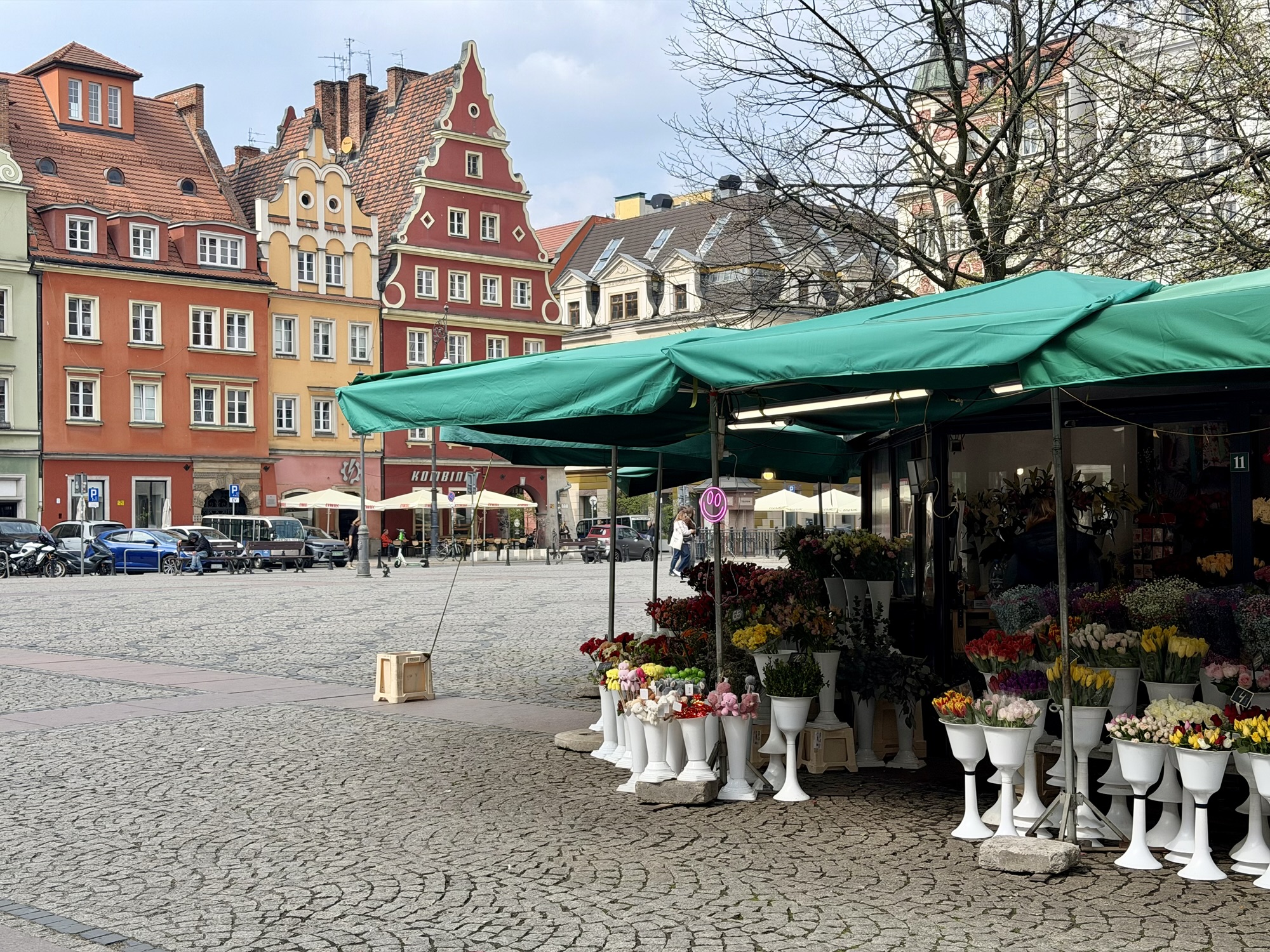
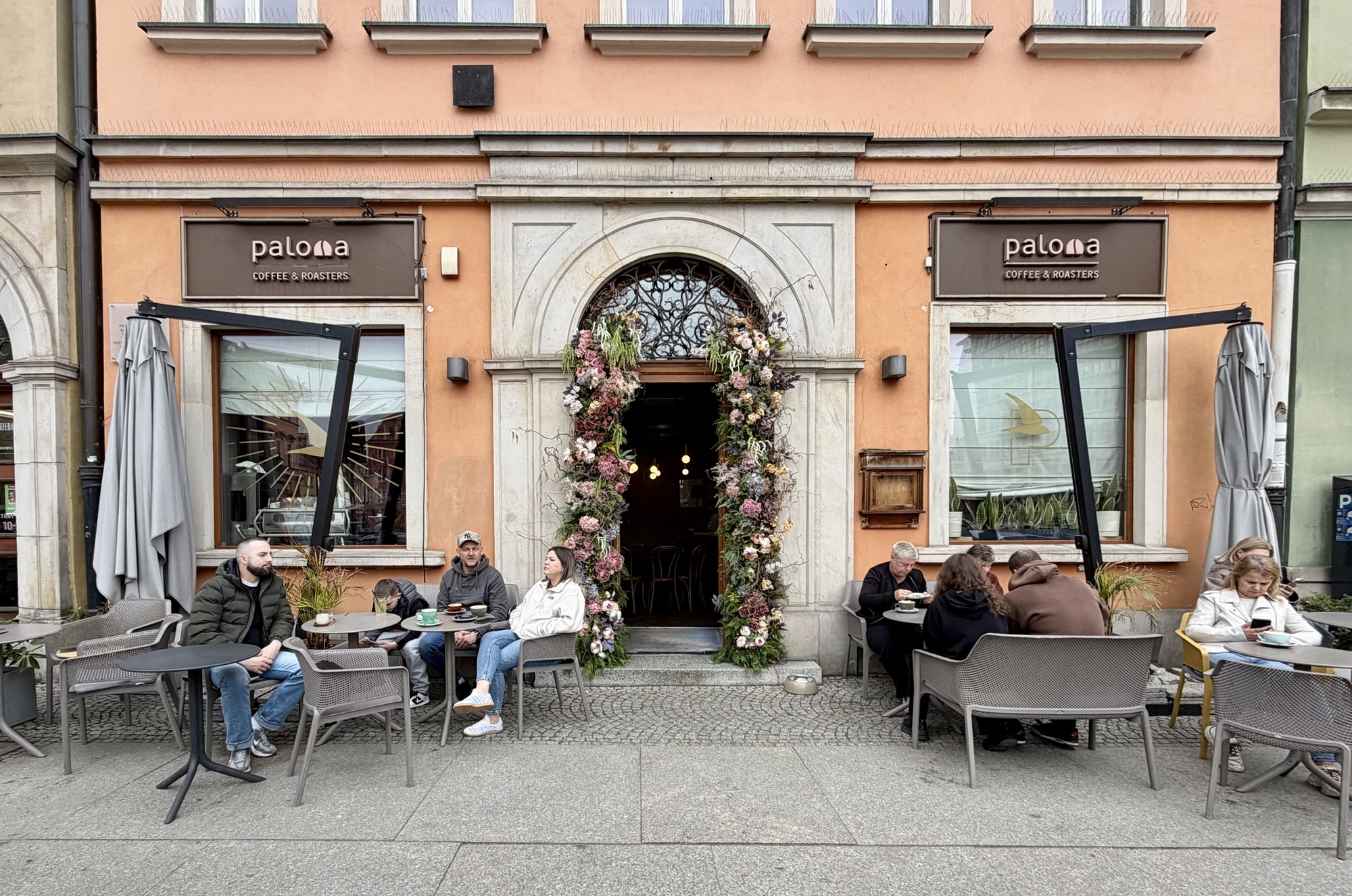
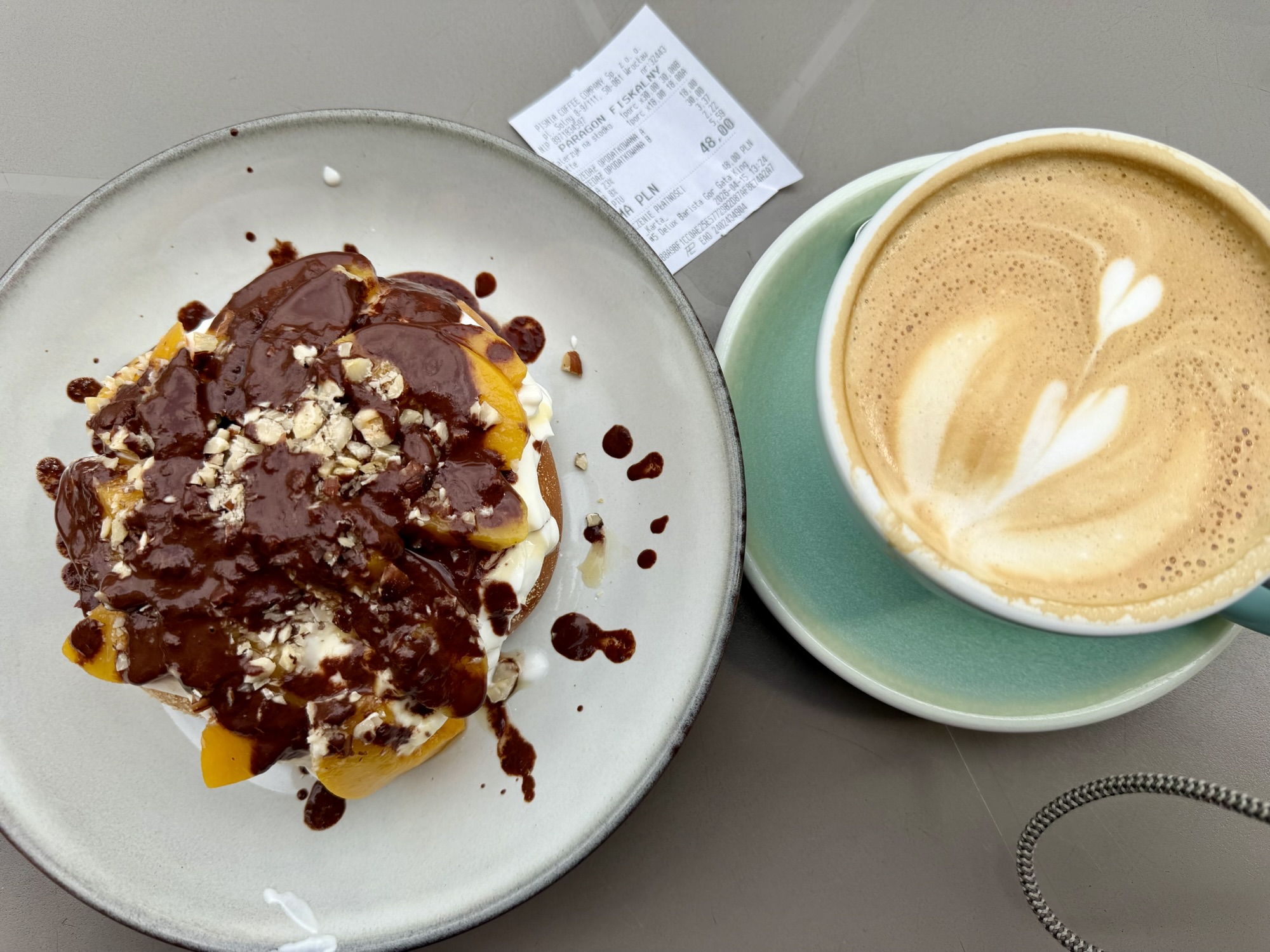
I had lunch at a coffee shop in the small square containing the flower market which is off of the large Market Square (Rynek).
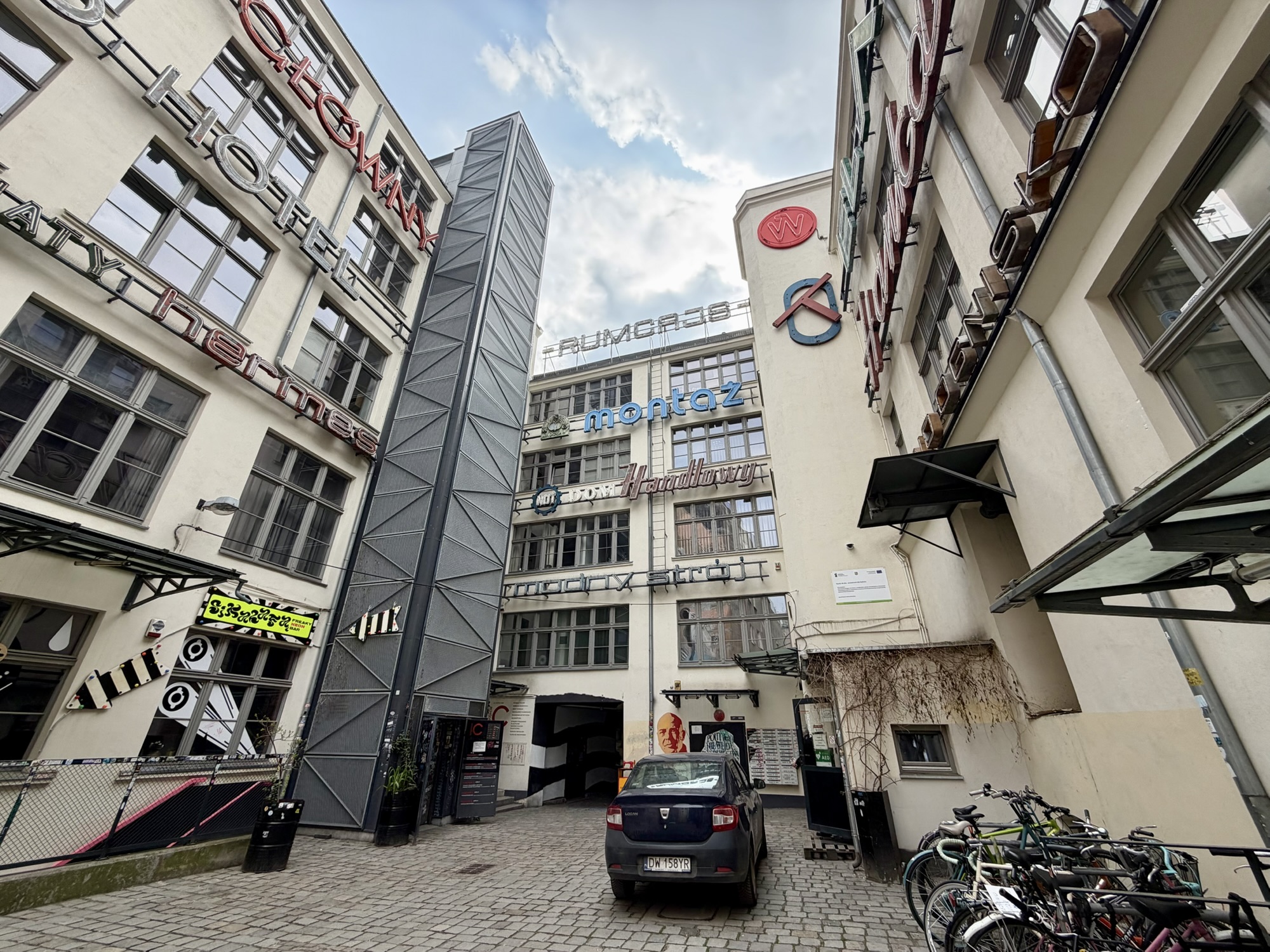
My next stop was something I found out about from Atlas Obscura which would have been better to visit after dark, but was nevertheless still interesting. The Neon Side Gallery is the collection of old neon signs from all over Poland.
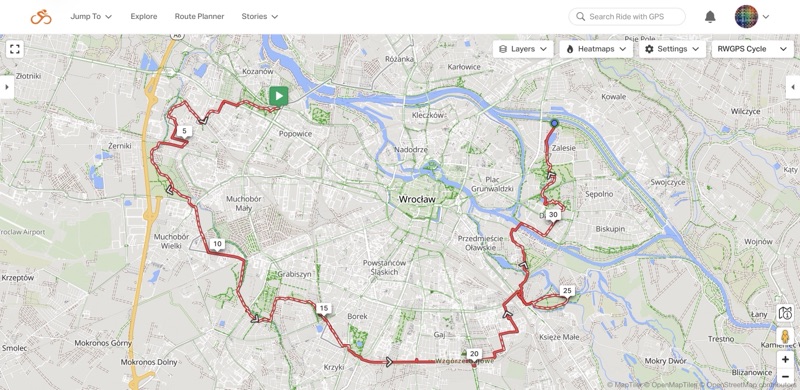
Alina encouraged me to return to the apartment via another section of the Wrocław Parkowa bike route that we explored on day 16.
On my way to the nearest point on the route, I passed this interesting memorial. It is entitled The Monument to the Cursed Soldiers (Pomnik Żołnierzy Niezłomnych) It commemorates Polish anti-communist partisans persecuted after World War II.
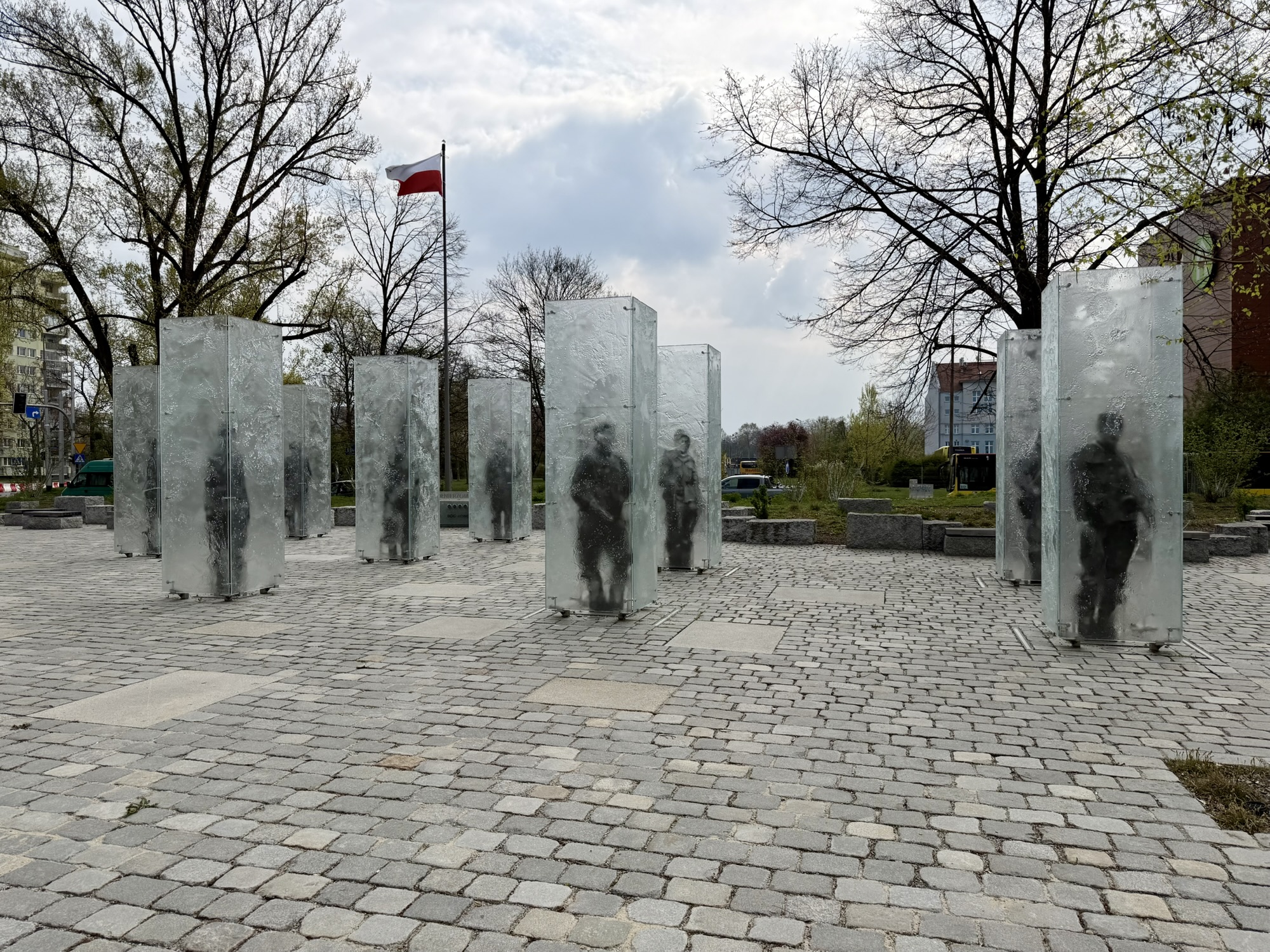
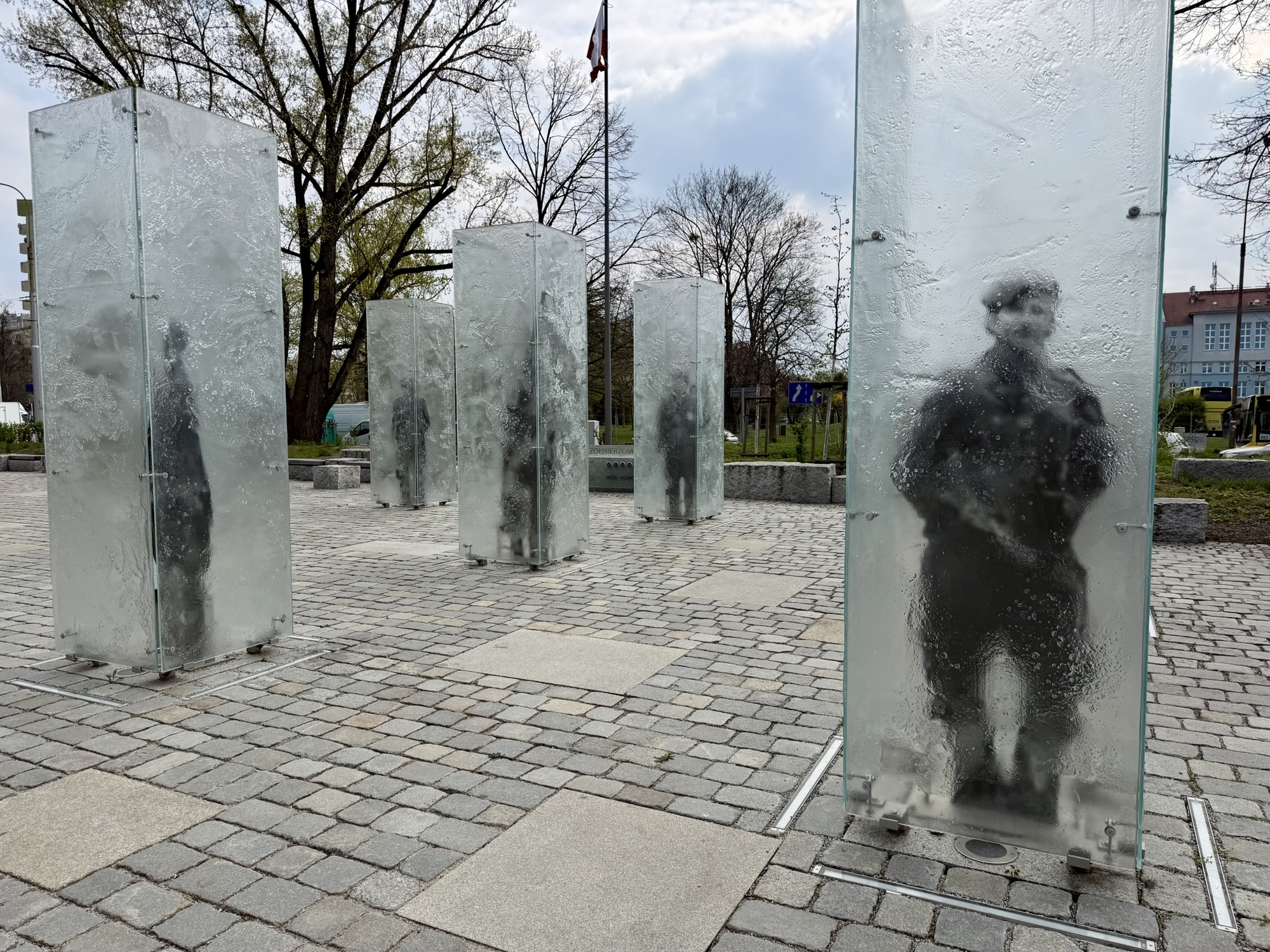
It is across the street from Wroclavia Mall, a large modern shopping mall, built in 2017, which includes a bus station on two underground levels. It is located near the main train station. I visited Bratislava in 2023 and they also have a modern mall, Nivy, with a bus station underneath. I recall looking at the departure board there, and seeing Wroclaw as one of the destinations. There was a bi-directional cycle track on the same street as the mall.
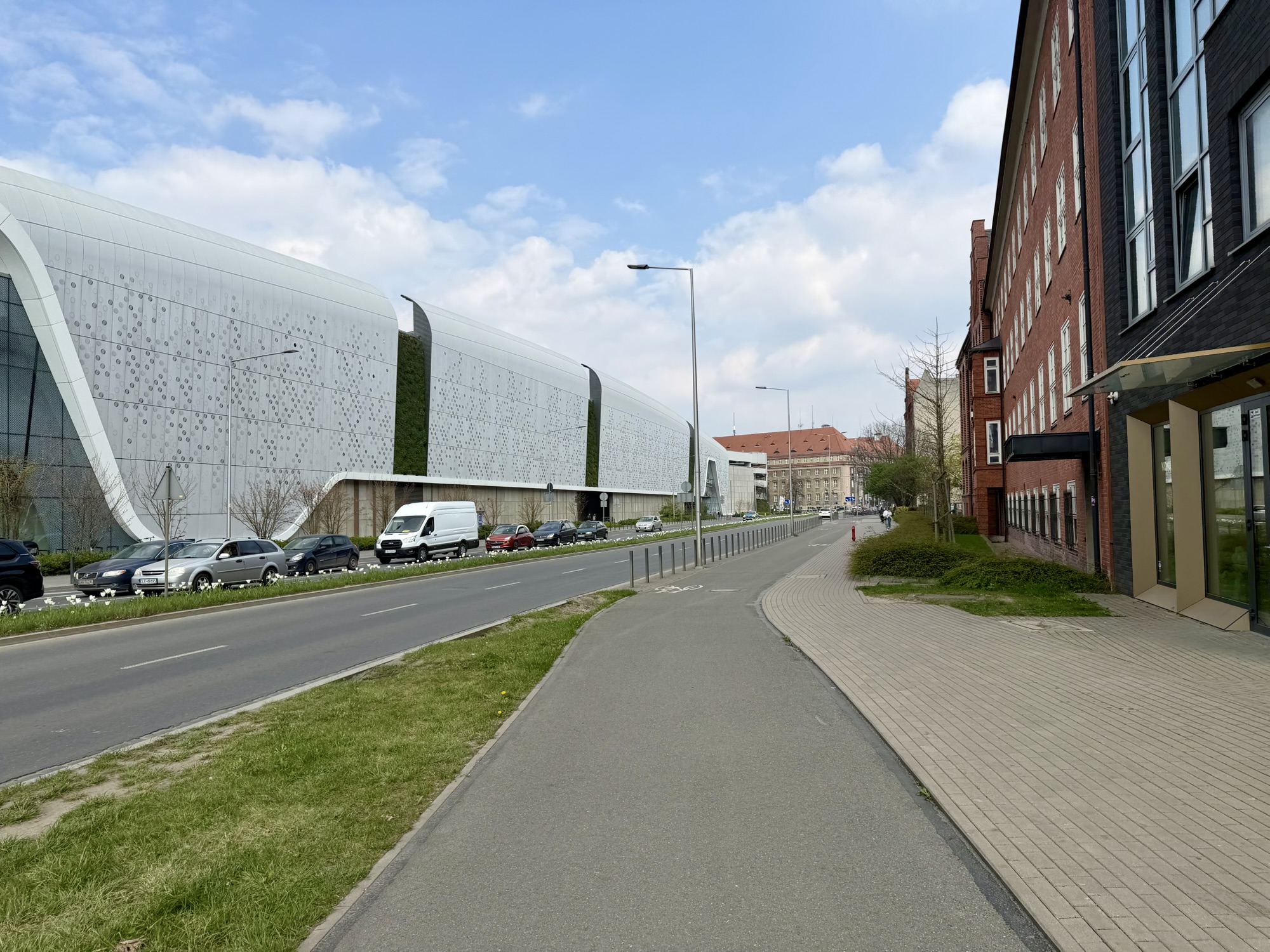
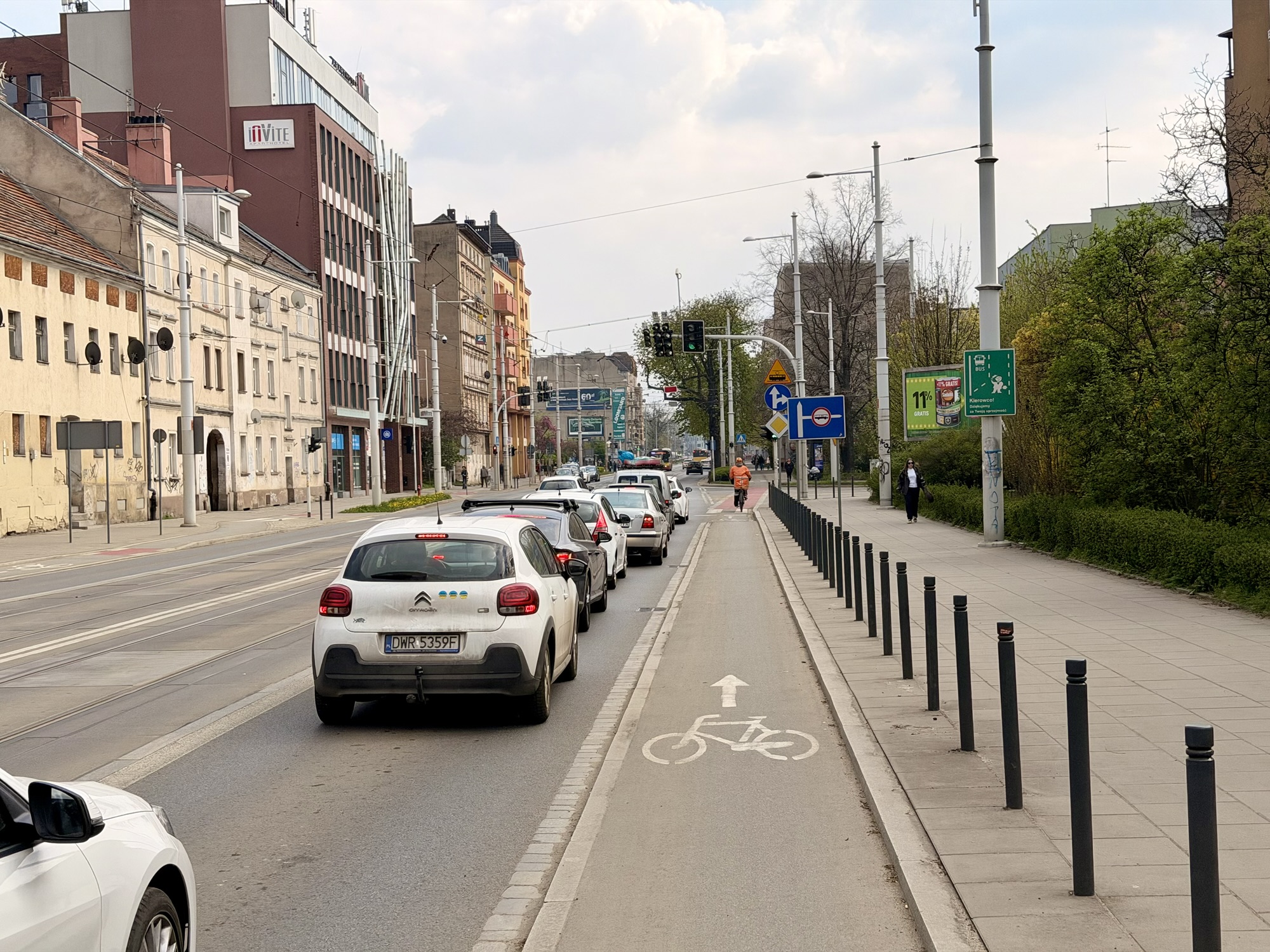
A little further on it turned into a uni-directional cycle track. A Brampton councillor recently complained to me that it’s confusing to have different types of cycling infrastructure. However, every city I have visited, has a variety of types, depending on the immediate situation, and depending on when it was built and what the guidelines were at that point in time. Unless a city is prepared to make a large investment to build a cycling network within a few years, this will always be the case.
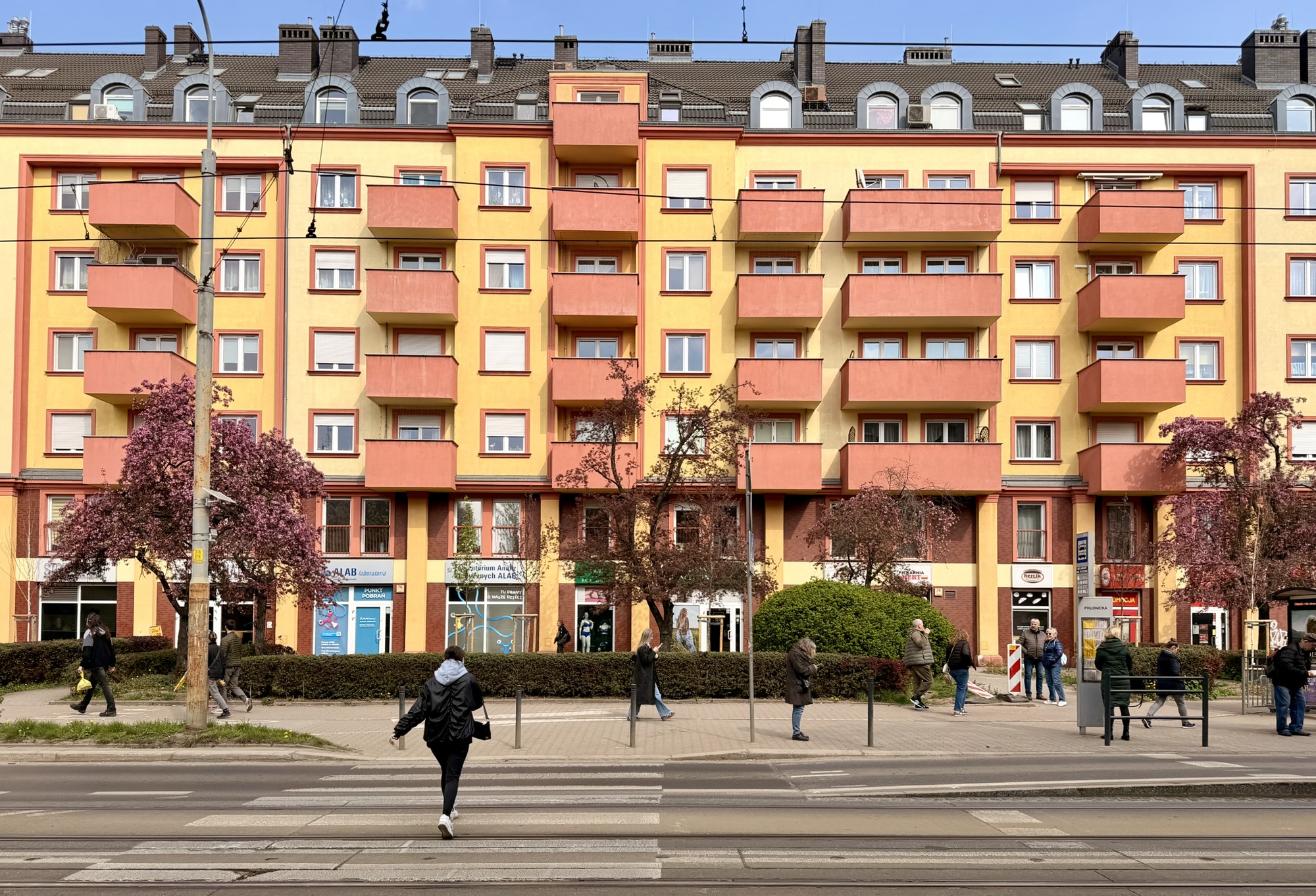
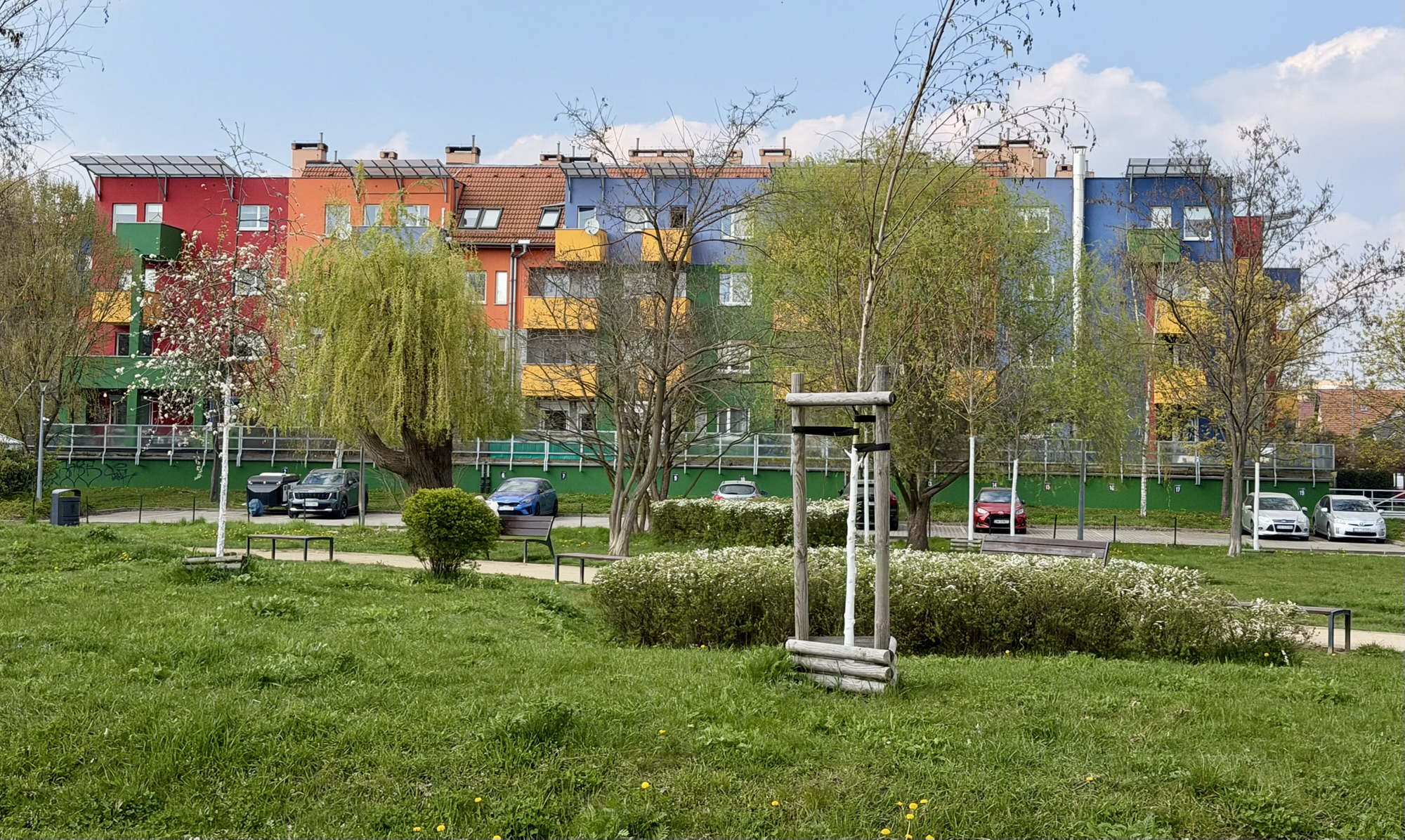
Housing tends to be more colourful here.
Most of the streets are very wide here with trams, car lanes, cycle tracks and sidewalks. They are complete streets with separate space for each mode.
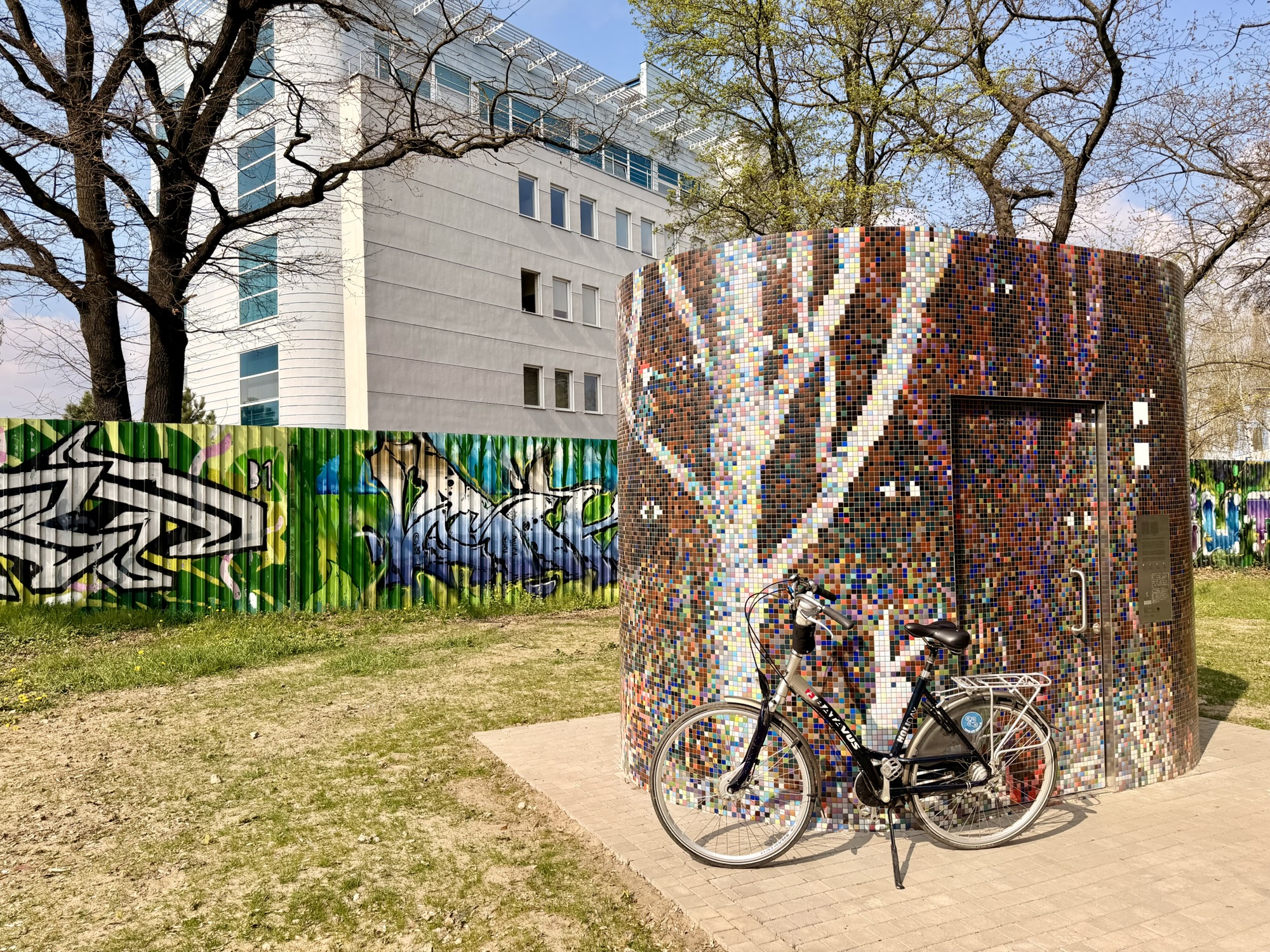
At the point where I reached the Parkova route, there was a tile-mosaic-covered, indoor standalone bathroom, but it wasn’t operational. I had to use a porta potty a few metres away.
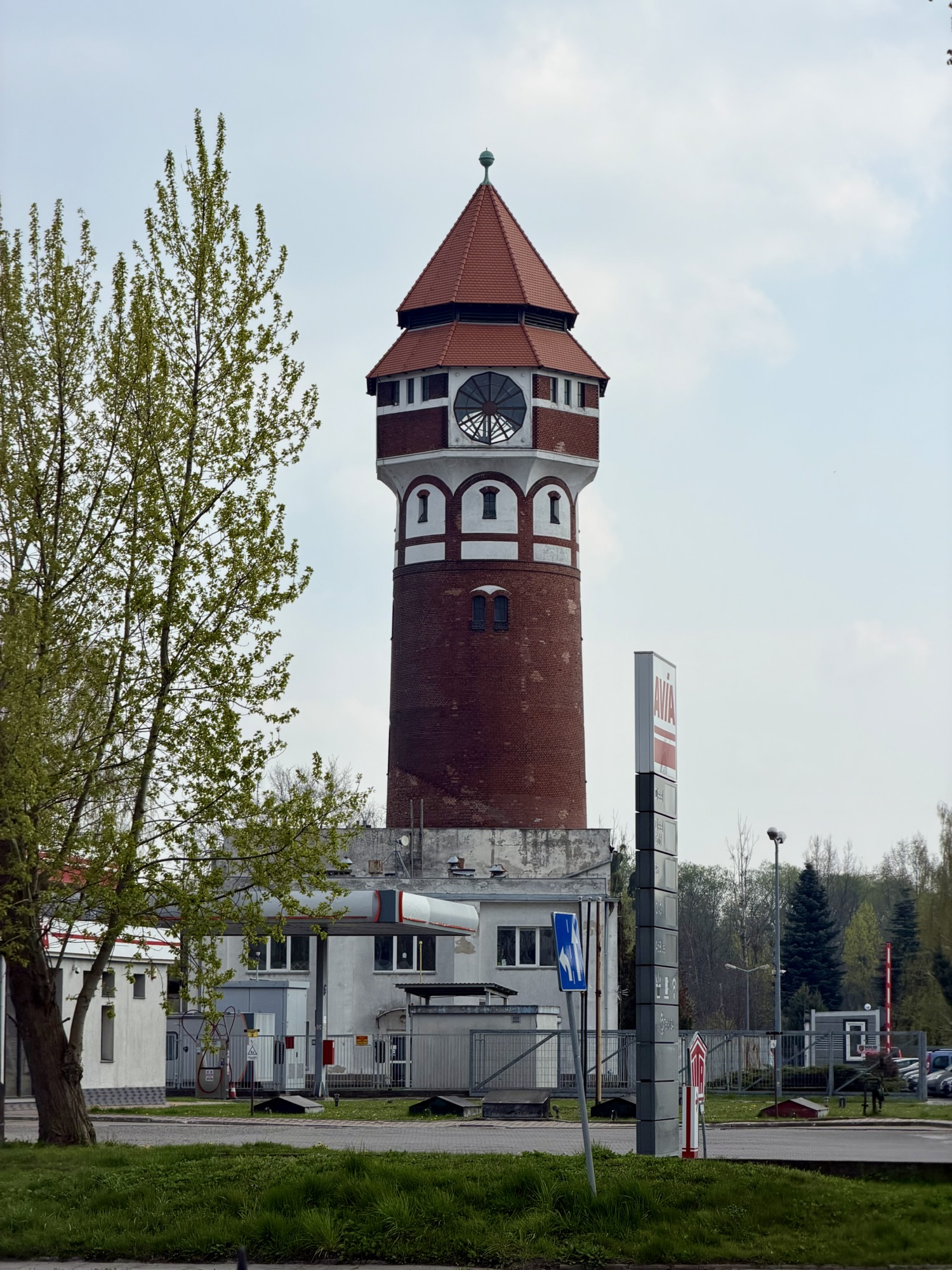
I passed another interesting water tower.
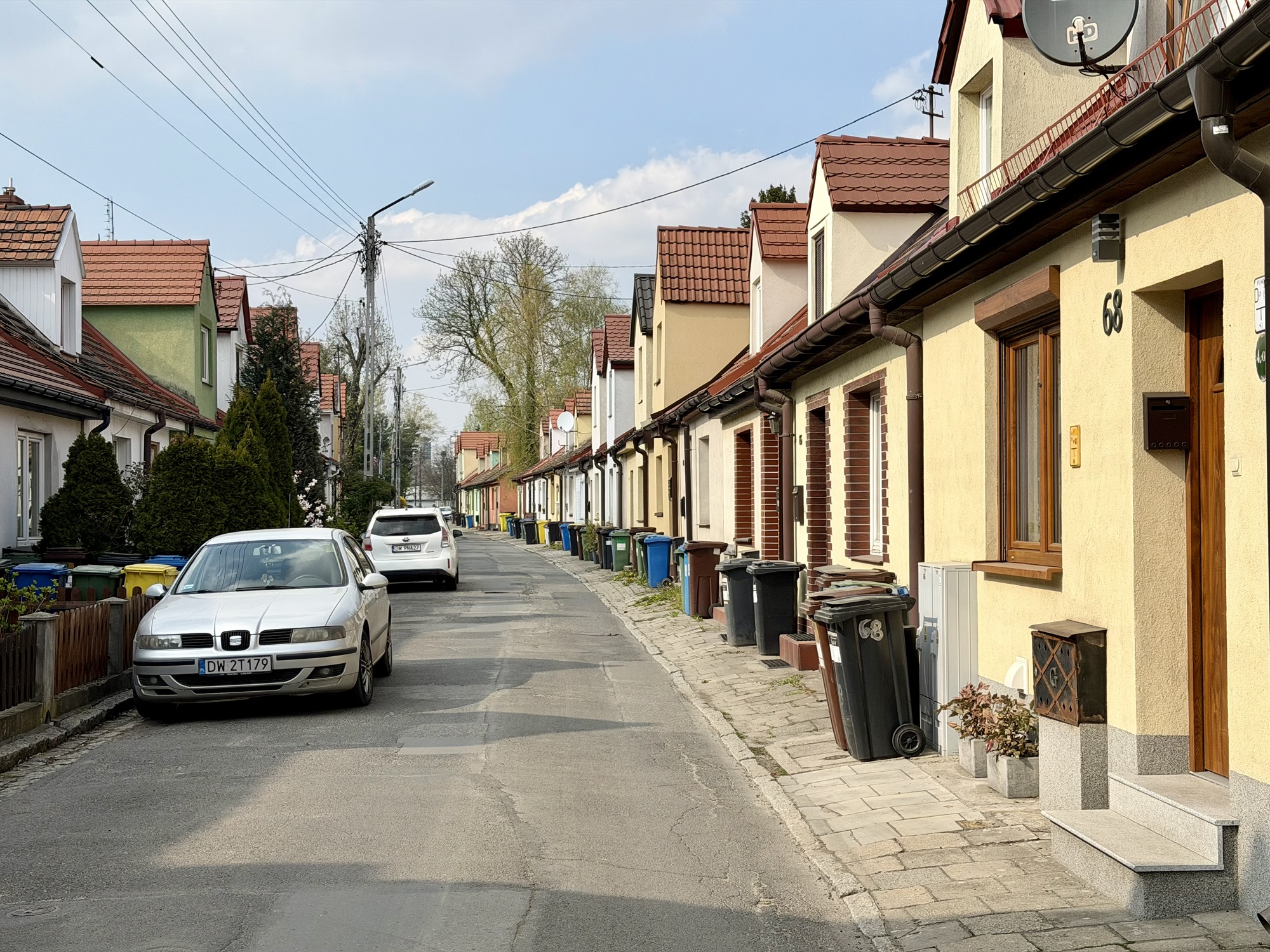
This street reminded me of many of the narrow streets we saw in Netherlands.
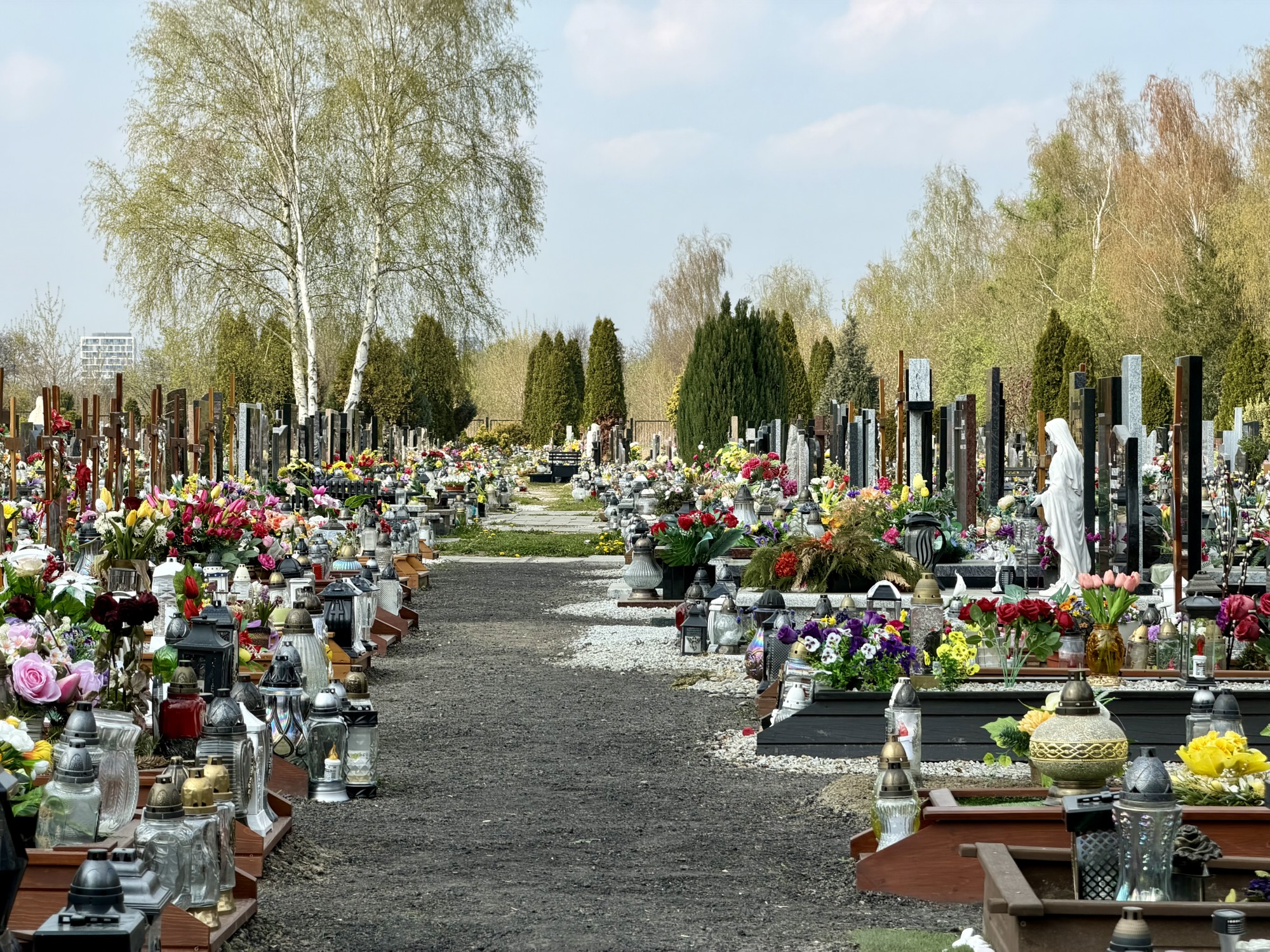
In Poland, visiting and decorating graves at Easter, and other times of year is a very common family tradition. Families clean tombstones, place fresh spring flowers, and lighting on the graves. Most cemeteries have stalls directly outside the gates selling fresh flowers and candles.
The path continued on the other side of a busy road, but there were lights for pedestrians and bikes.
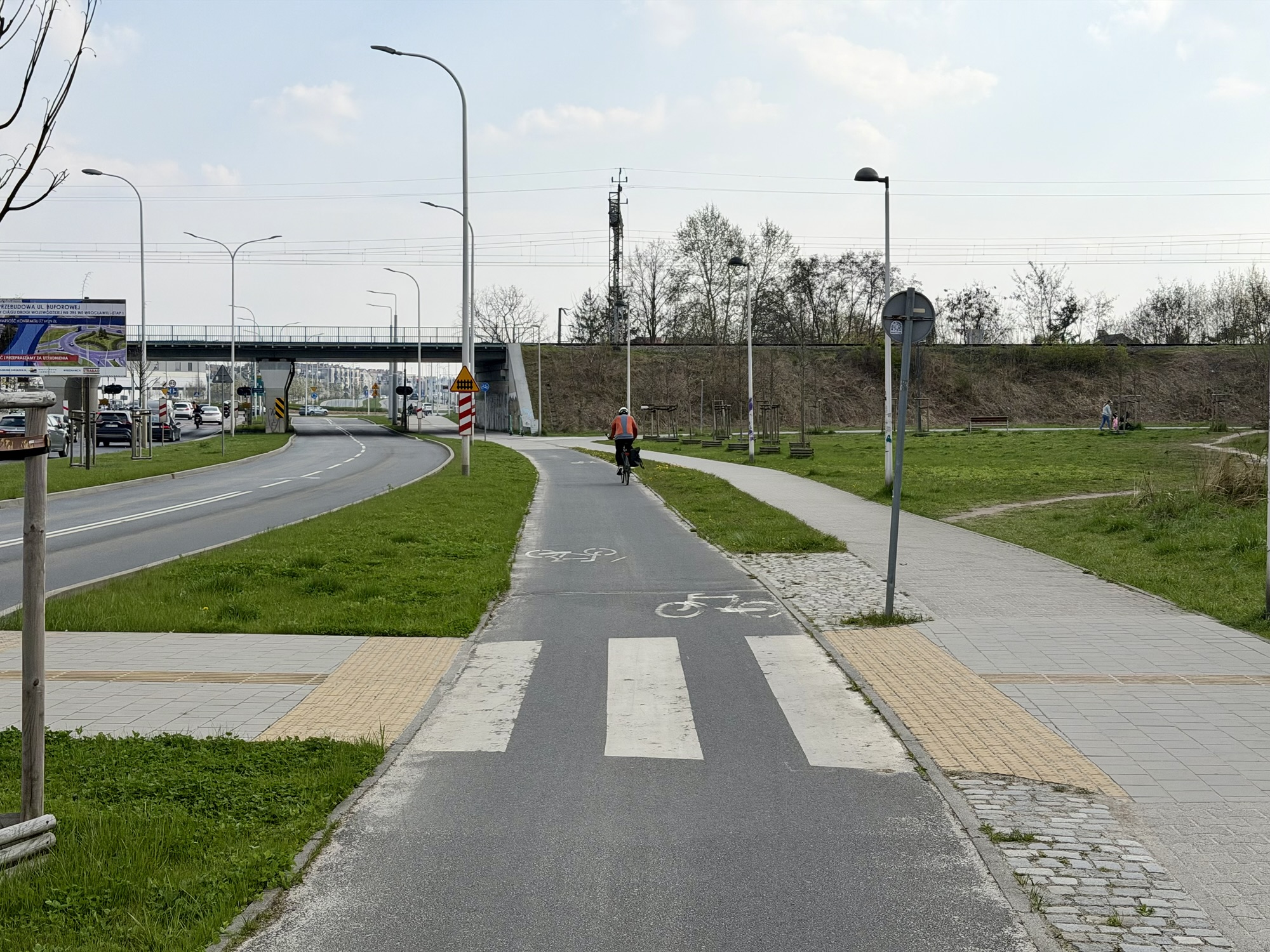
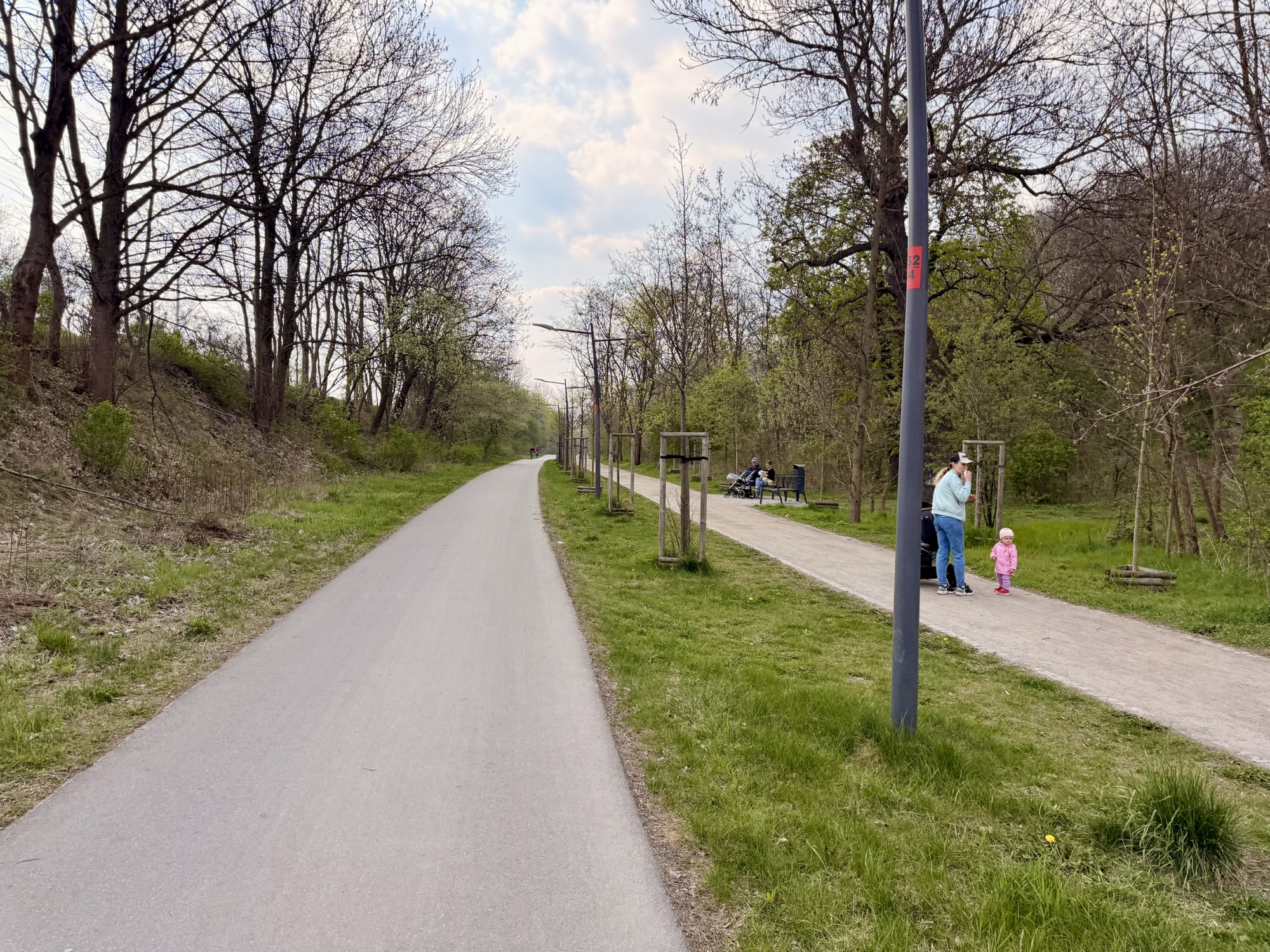
In this area, there was a separate path for cyclist and pedestrians.
Here’s another colourful apartment building I passed.
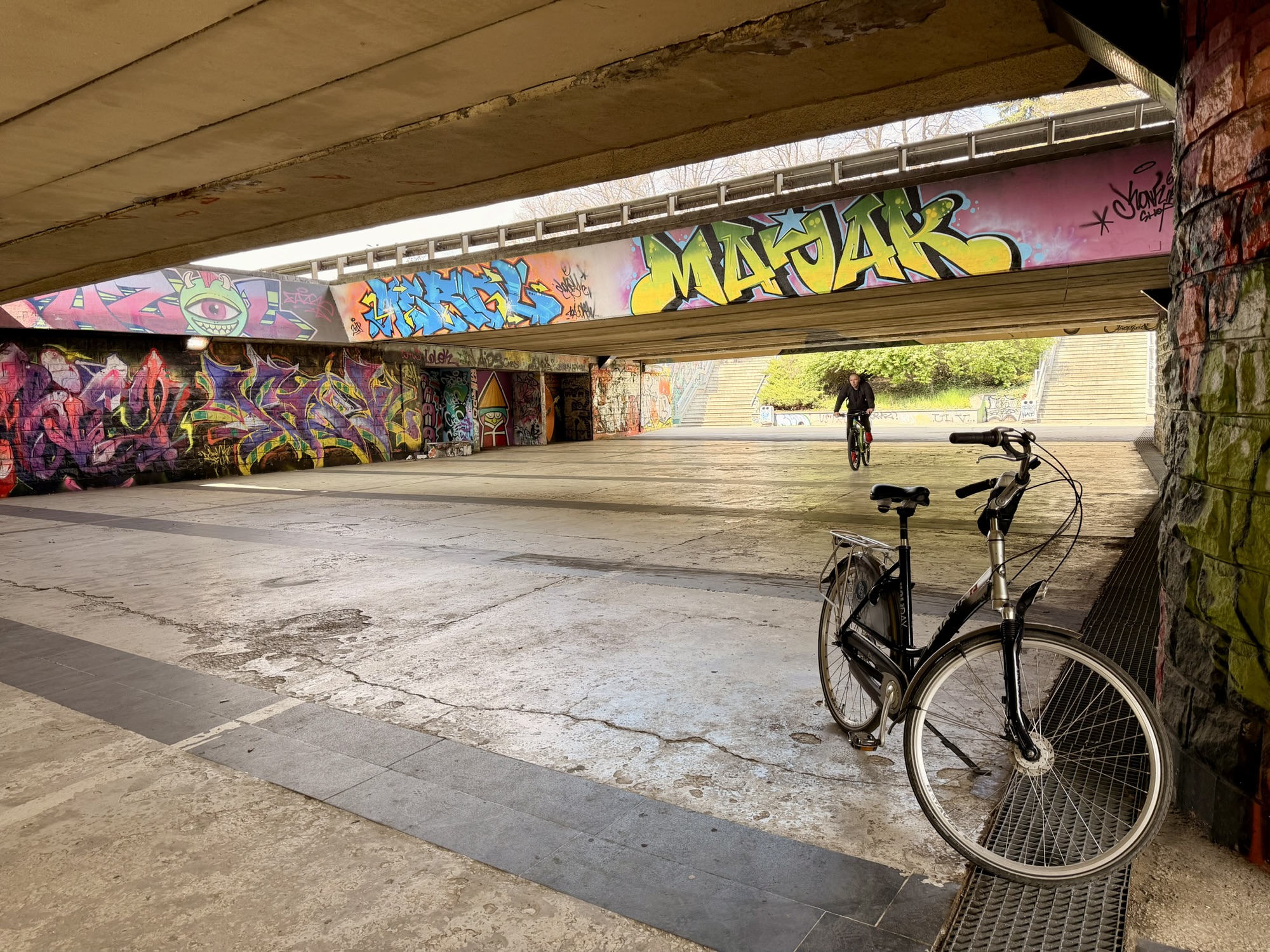
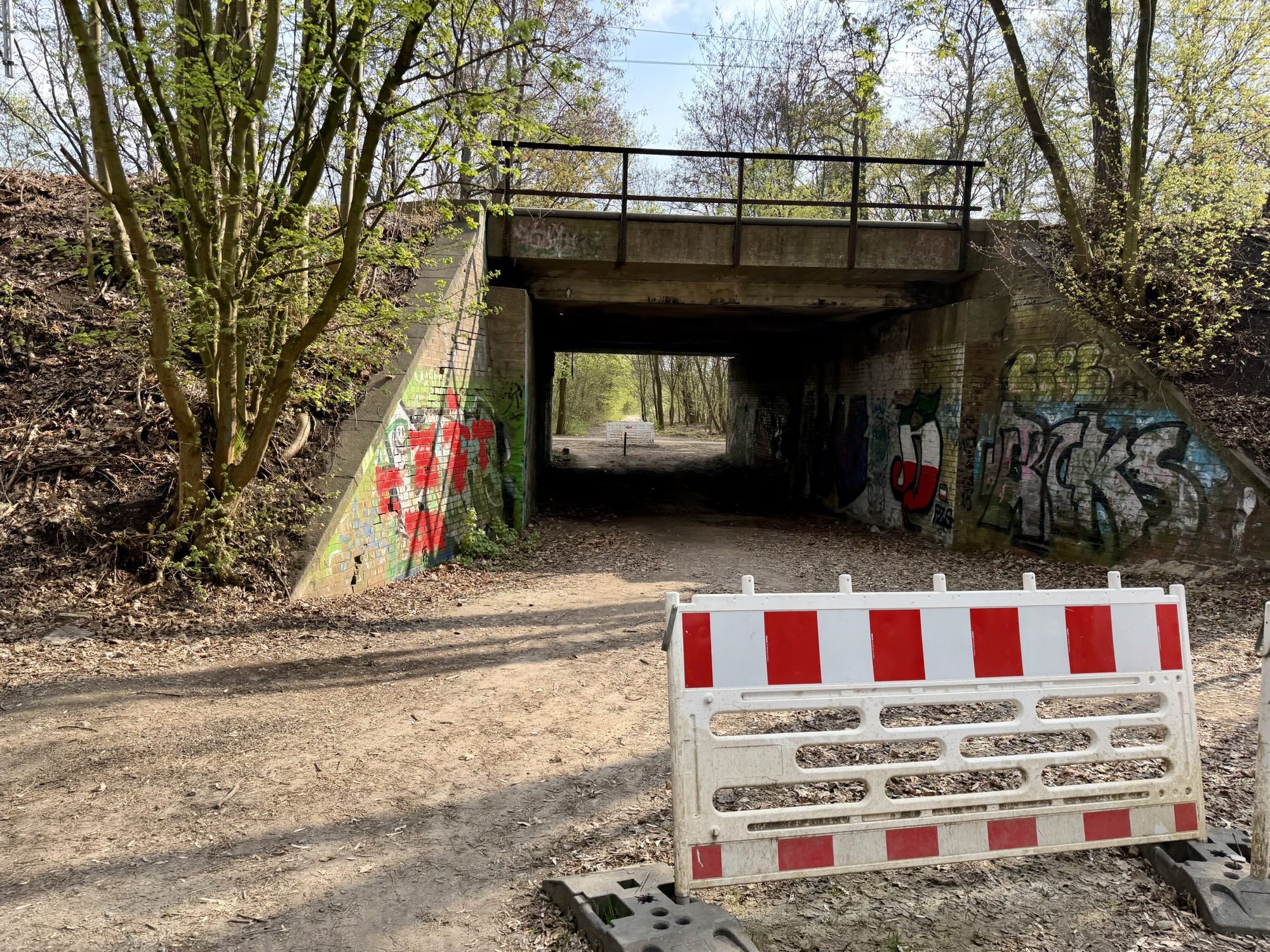
There were regular underpasses under a rail line on a berm.
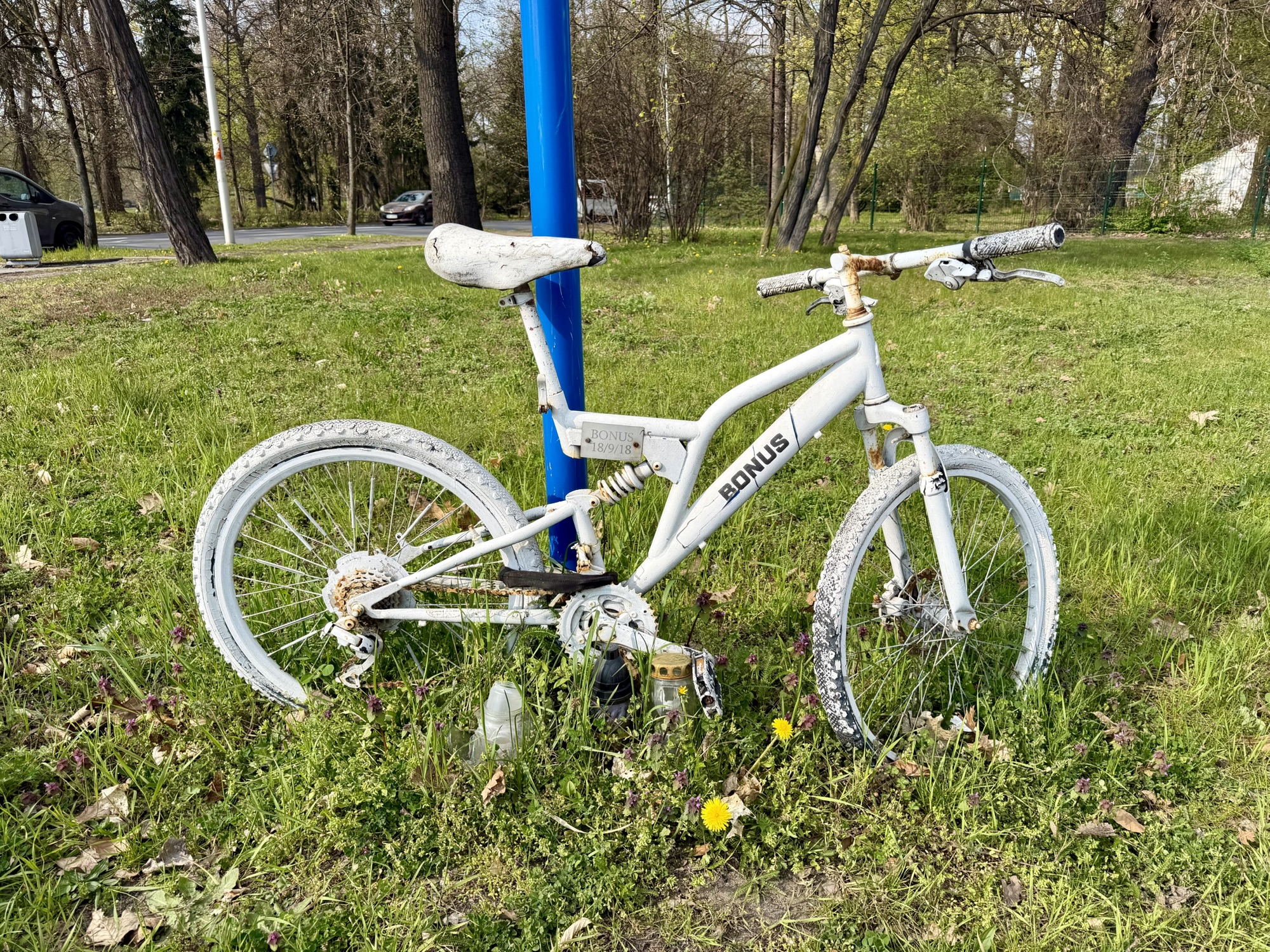
This is the only ghost bike (or duchy roweru in Polish) that I noticed the entire time I was in Europe.
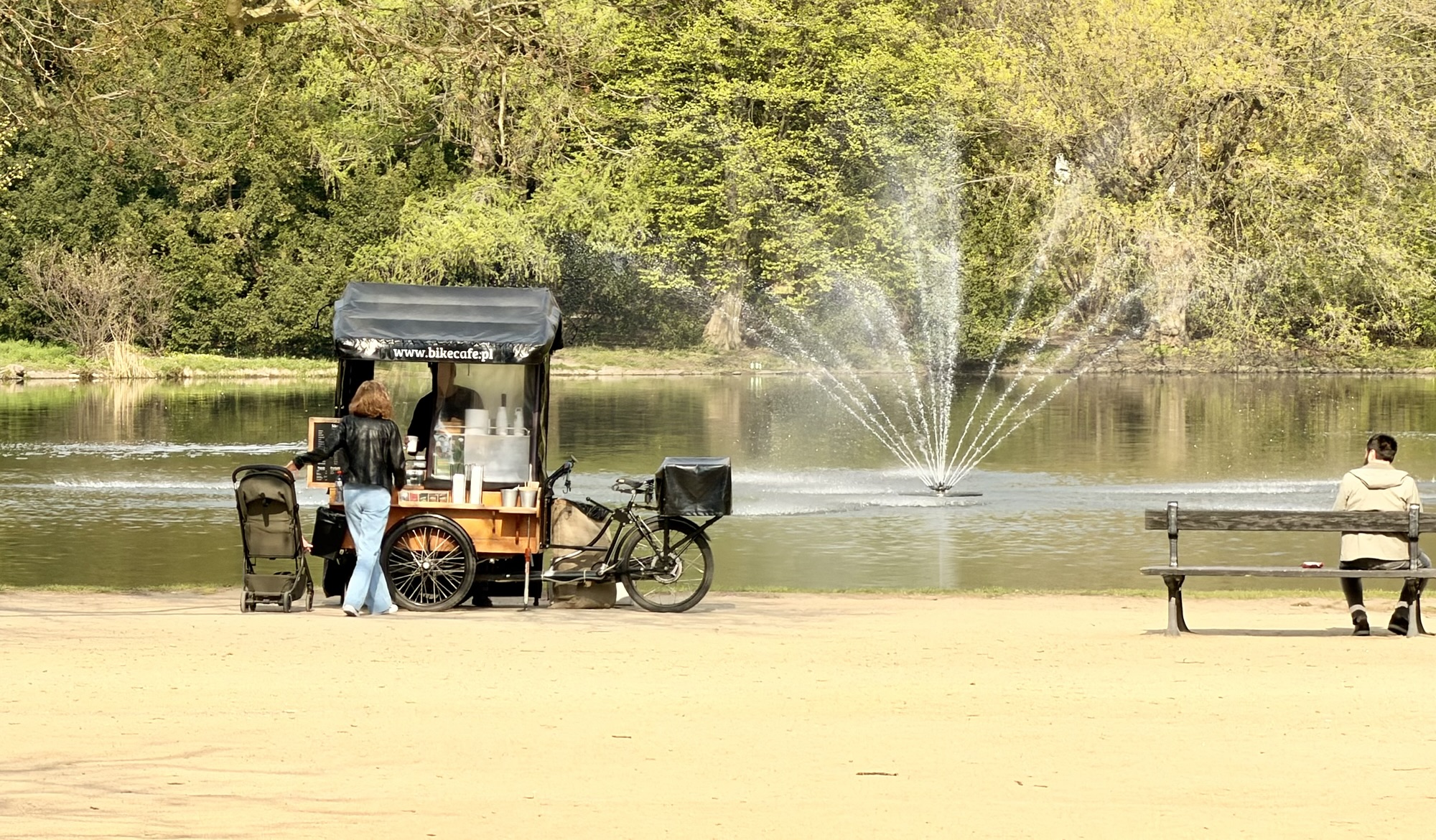
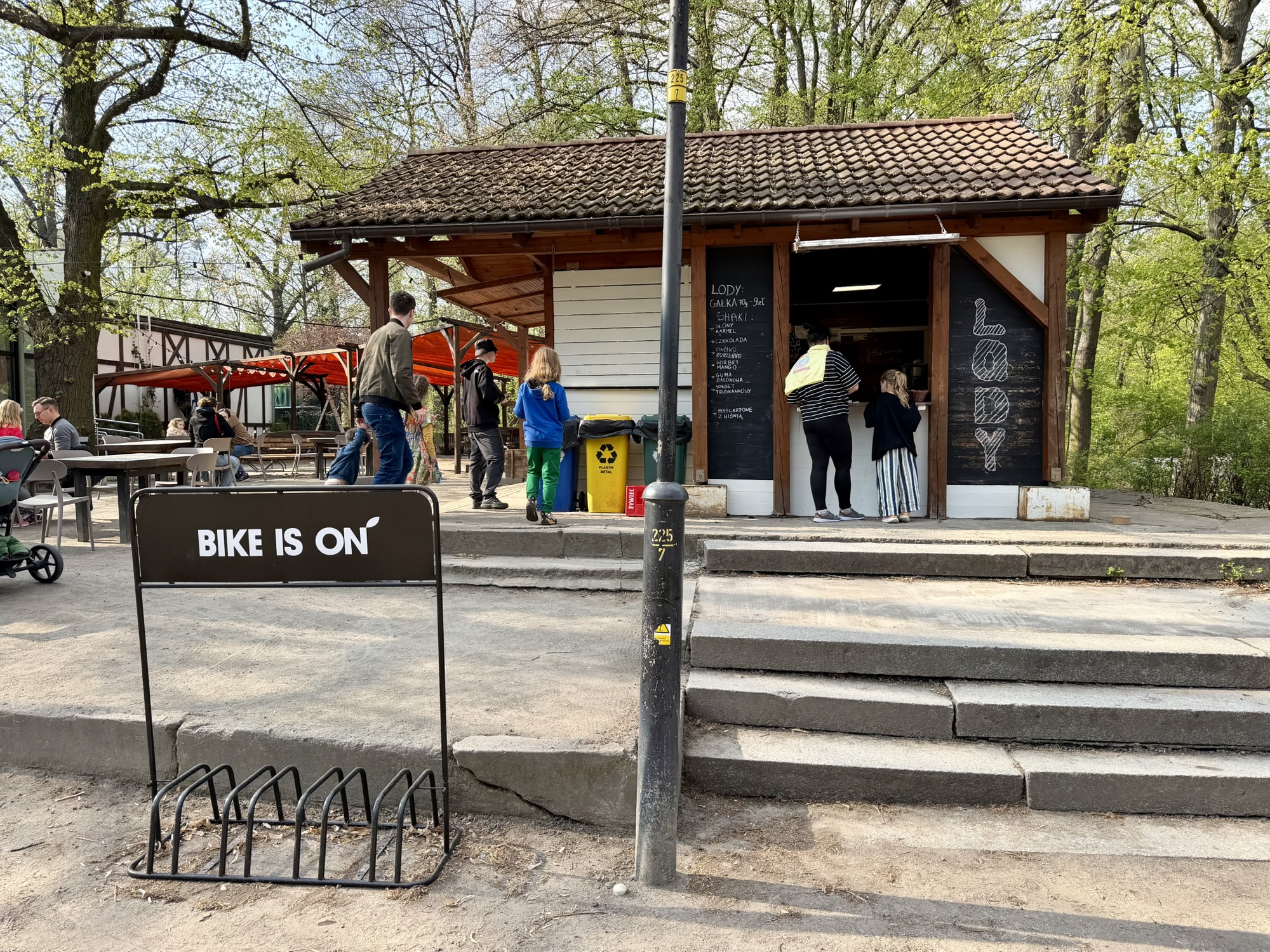
Park Polidniowy had a bike coffee shop and an ice cream shop. I like that restaurants in parks are common in Europe. I wish we had more of that here. Lody is Polish for ice cream.
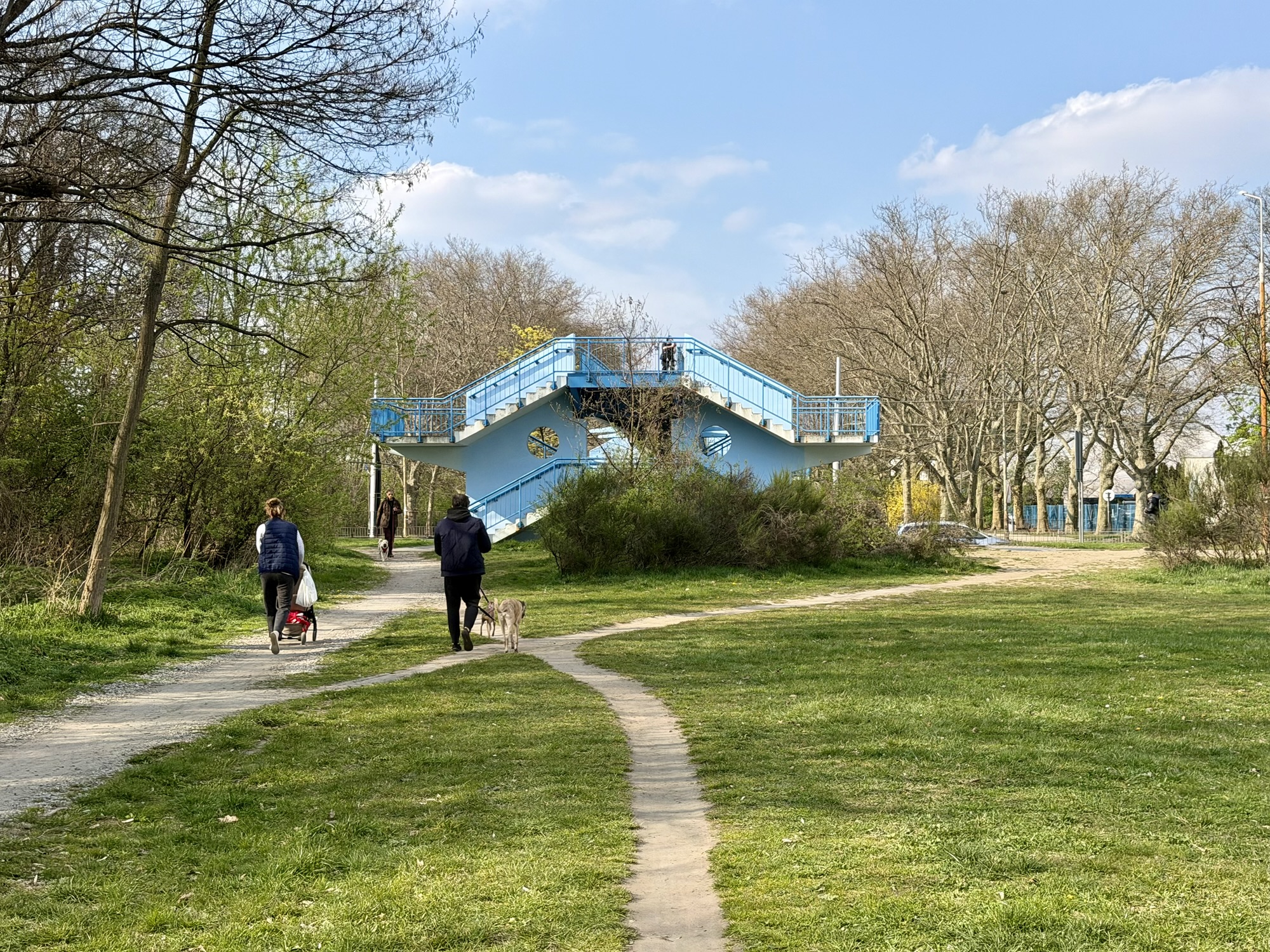
When I spotted this pedestrian overpass, I knew I was close to home.
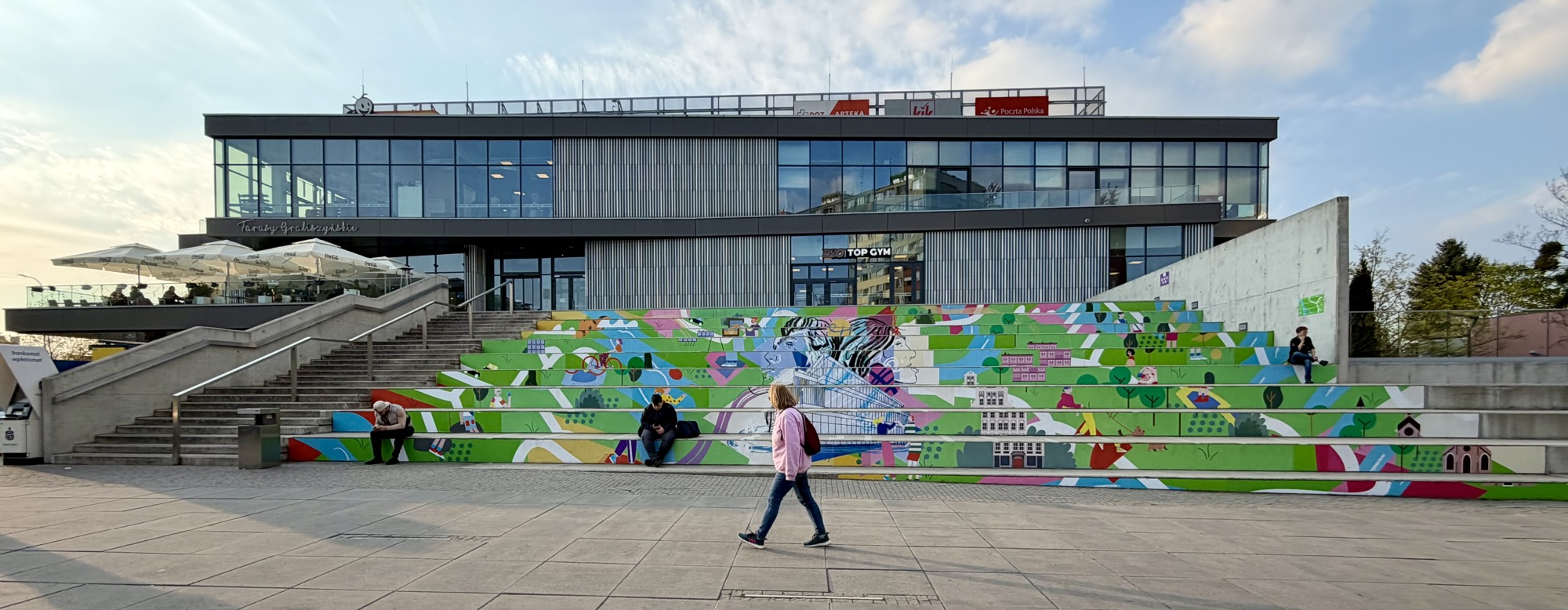
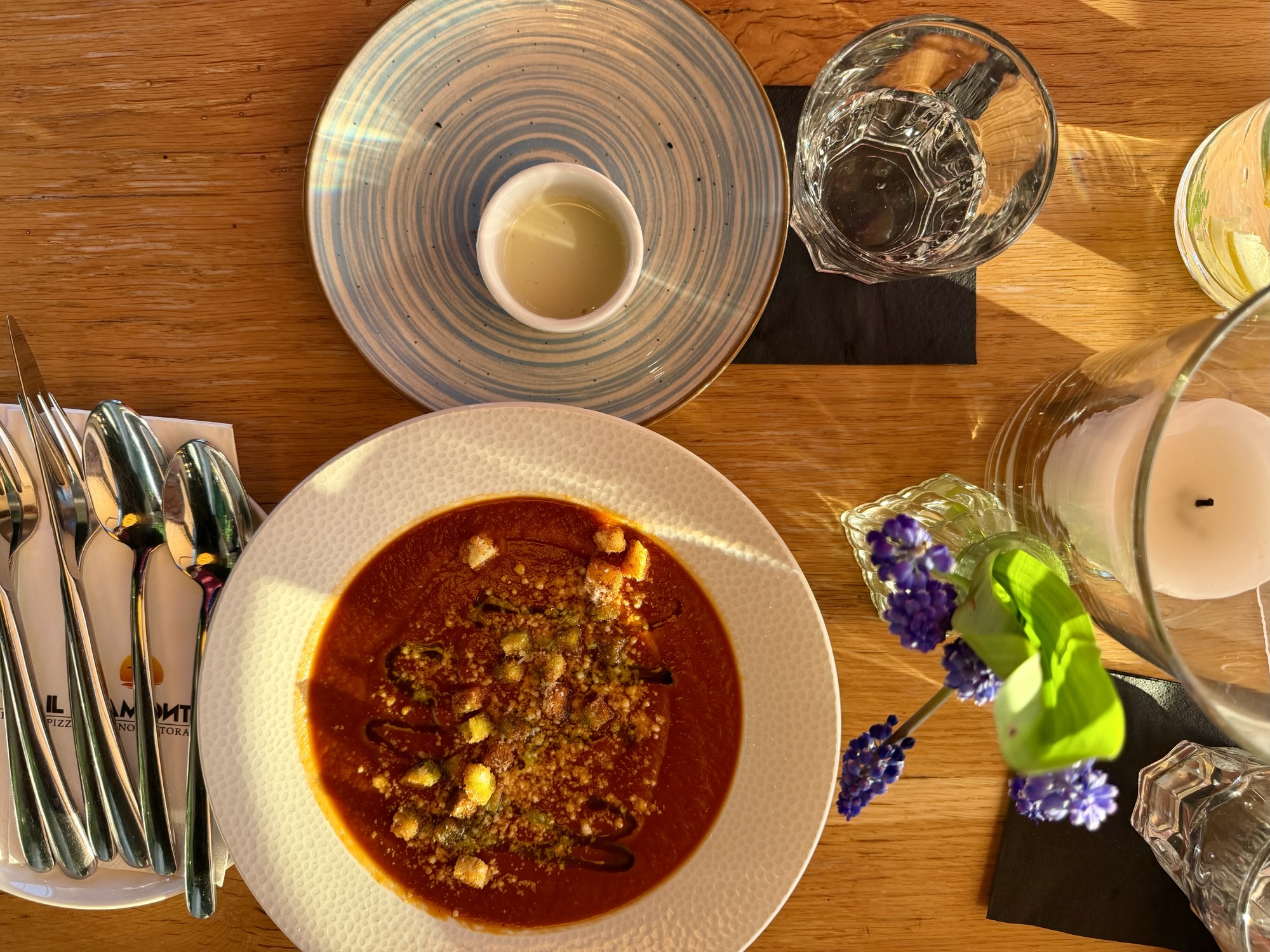
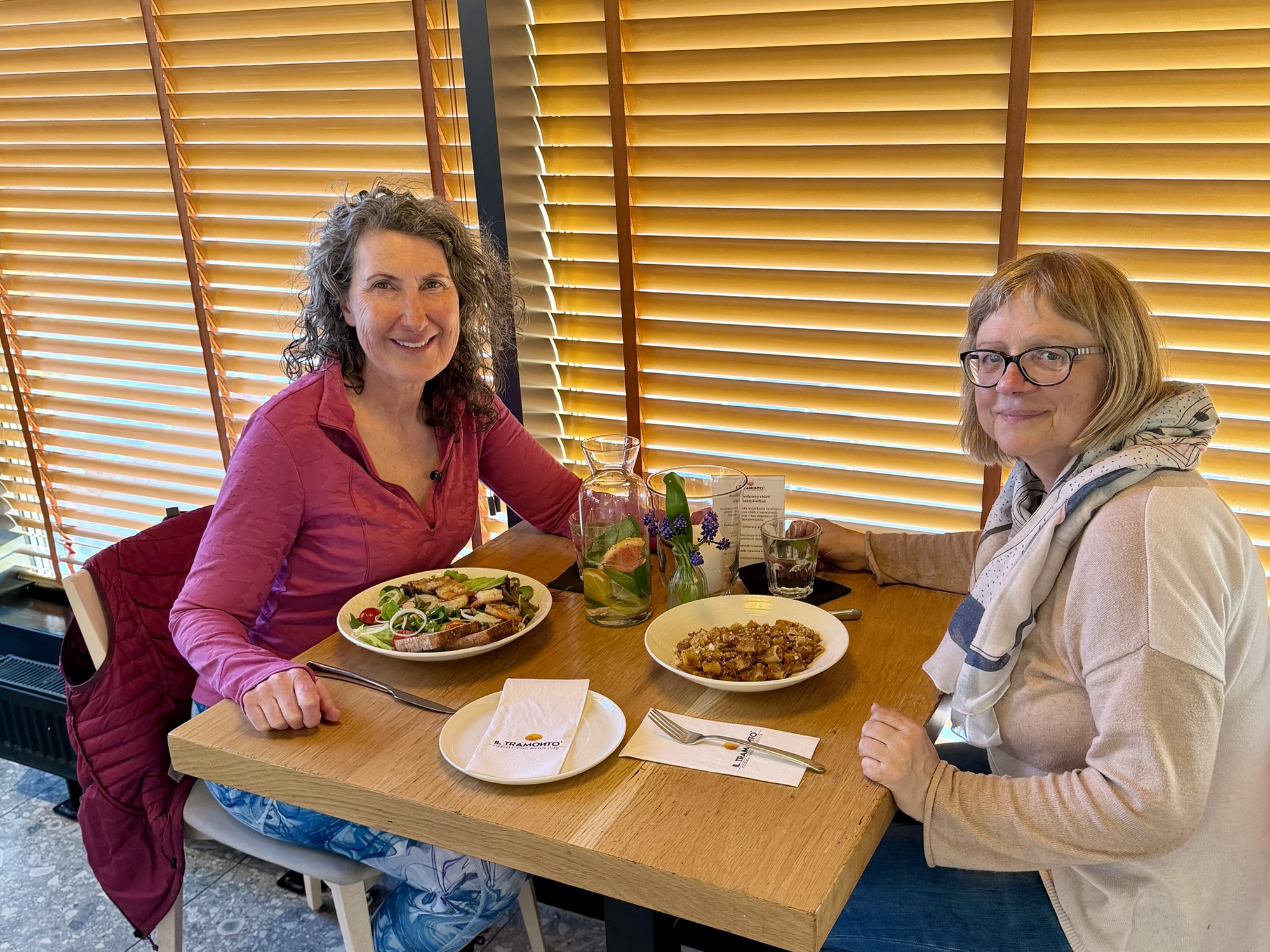
The second repair person was finishing up as I arrived back. Alina and I rode to a local mall for our last dinner before taking the train to Berlin.
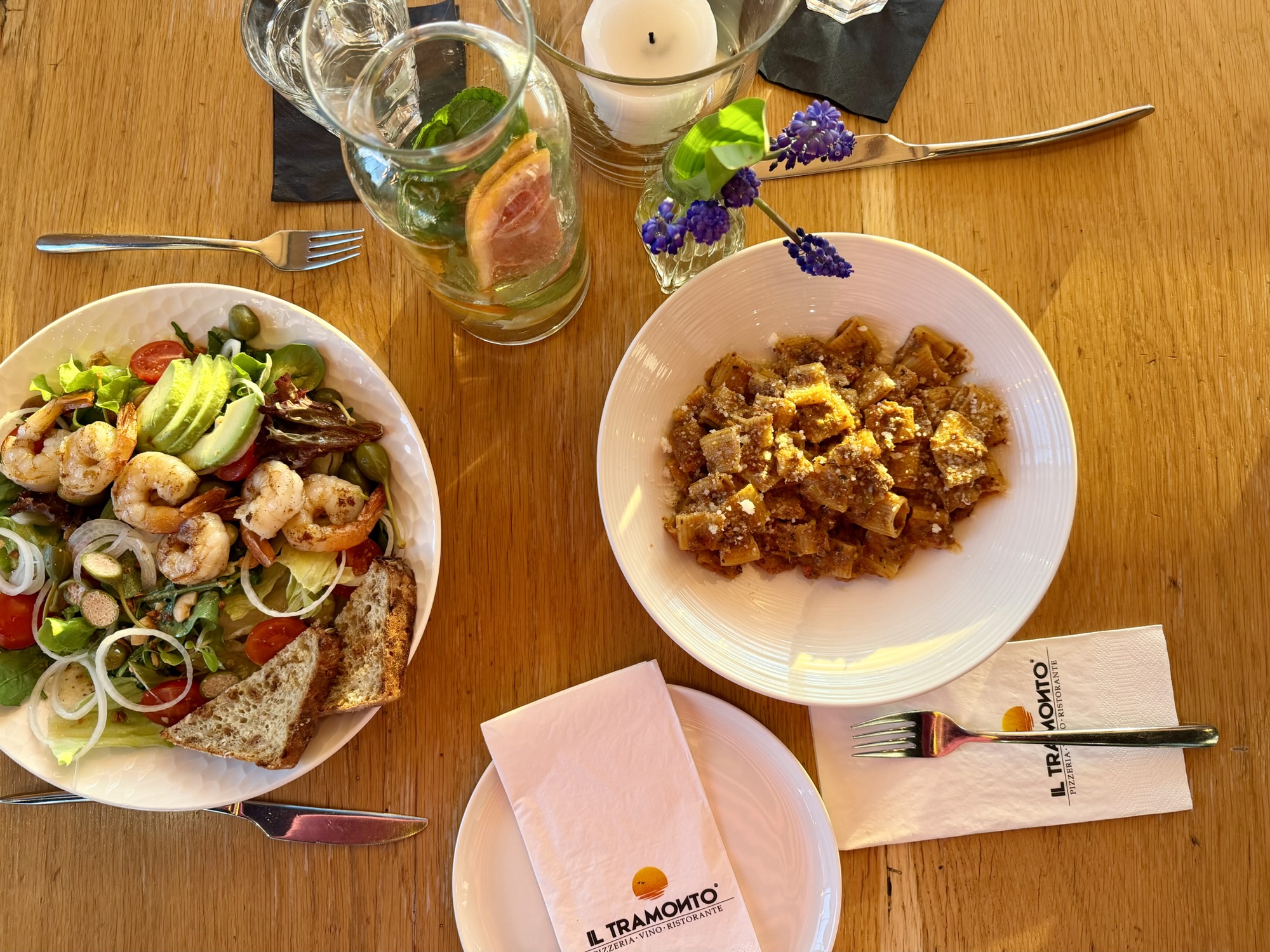
The food was delicious.
Discover more from Lisa Stokes
Subscribe to get the latest posts sent to your email.