We lingered over a delicious breakfast before packing and getting on the road. To make the day more interesting than simply a drive back to Brampton we planned a visit to the Diefenbunker in Carp. Carp is a rural community in the city of Ottawa about 33 km from downtown. It was my first time getting a seniors’ admission rate as seniors were defined as 60+.
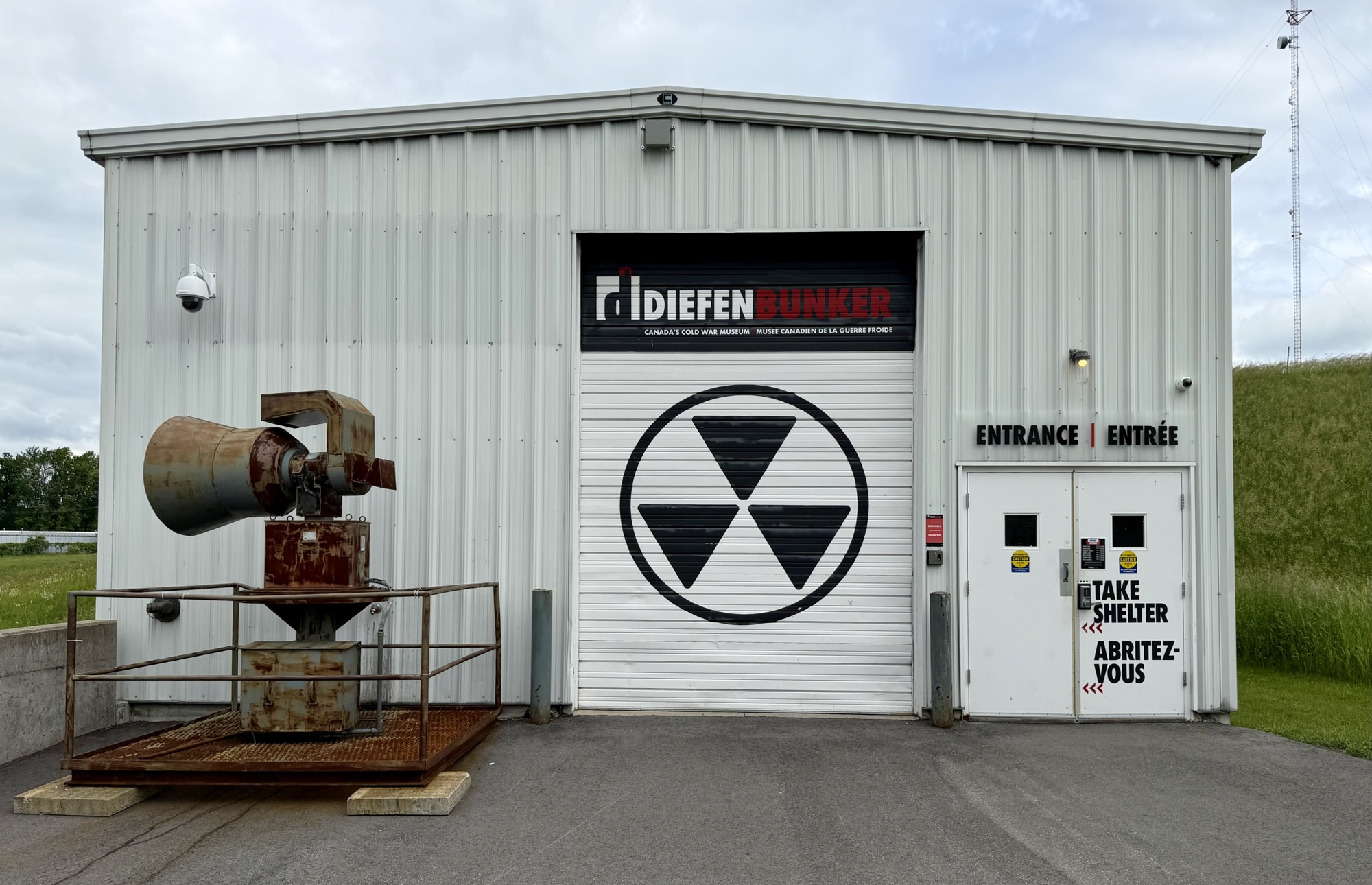
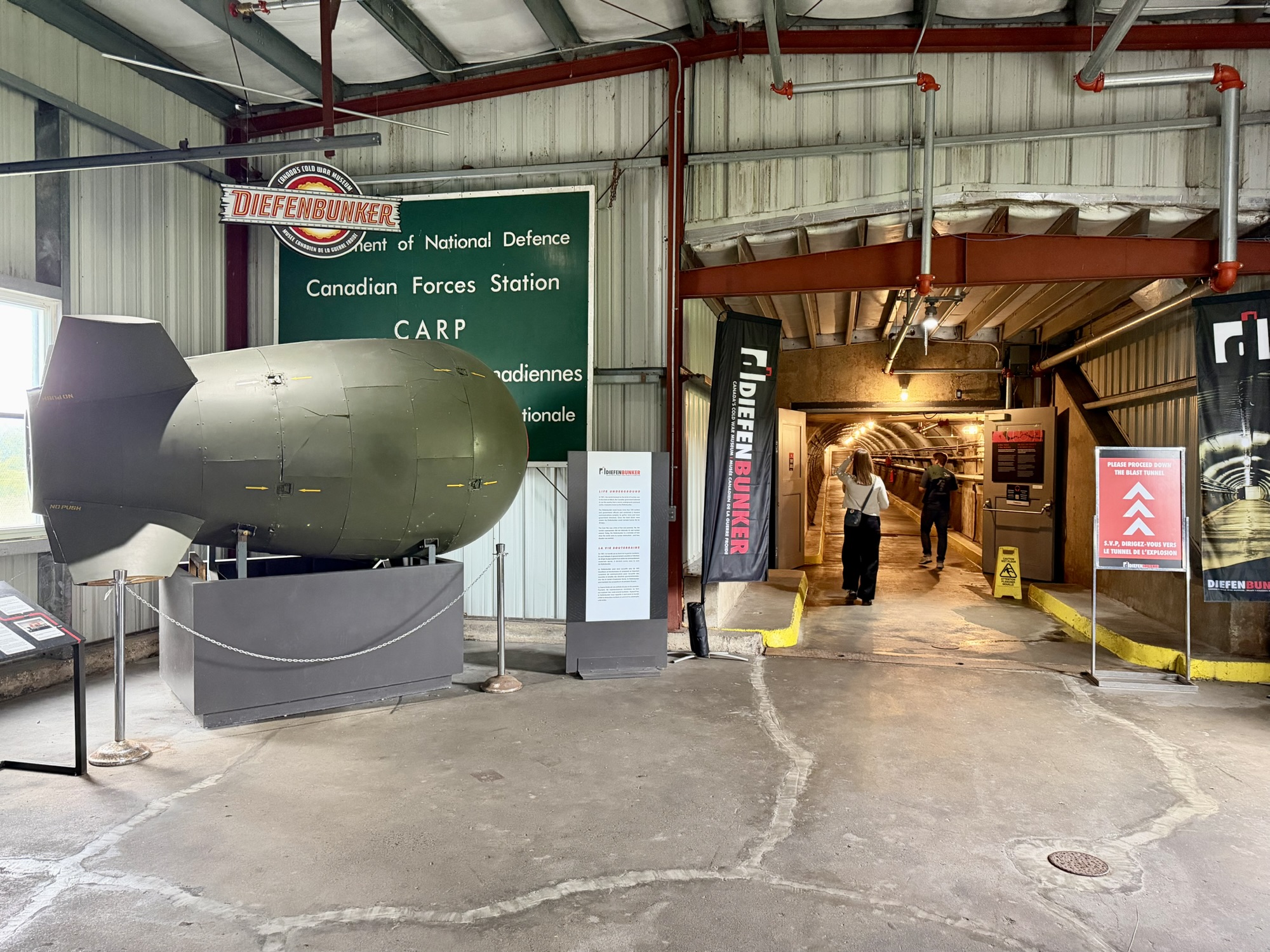
The Diefenbunker is an immersive Cold War history destination. It was commissioned by Prime Minister John Diefenbaker in 1959 as part of continuity-of-government planning during the height of the Cold War. It was designated as the Central Emergency Government Headquarters (CEGHQ) to house 535 key government and military officials – including the governor general, the Prime Minister, and members of the War Cabinet – for a 30-day lockdown period in the event of a nuclear attack on Canada. It would have allowed the government to operate safely underground to assist with the governance and rebuilding of the country.
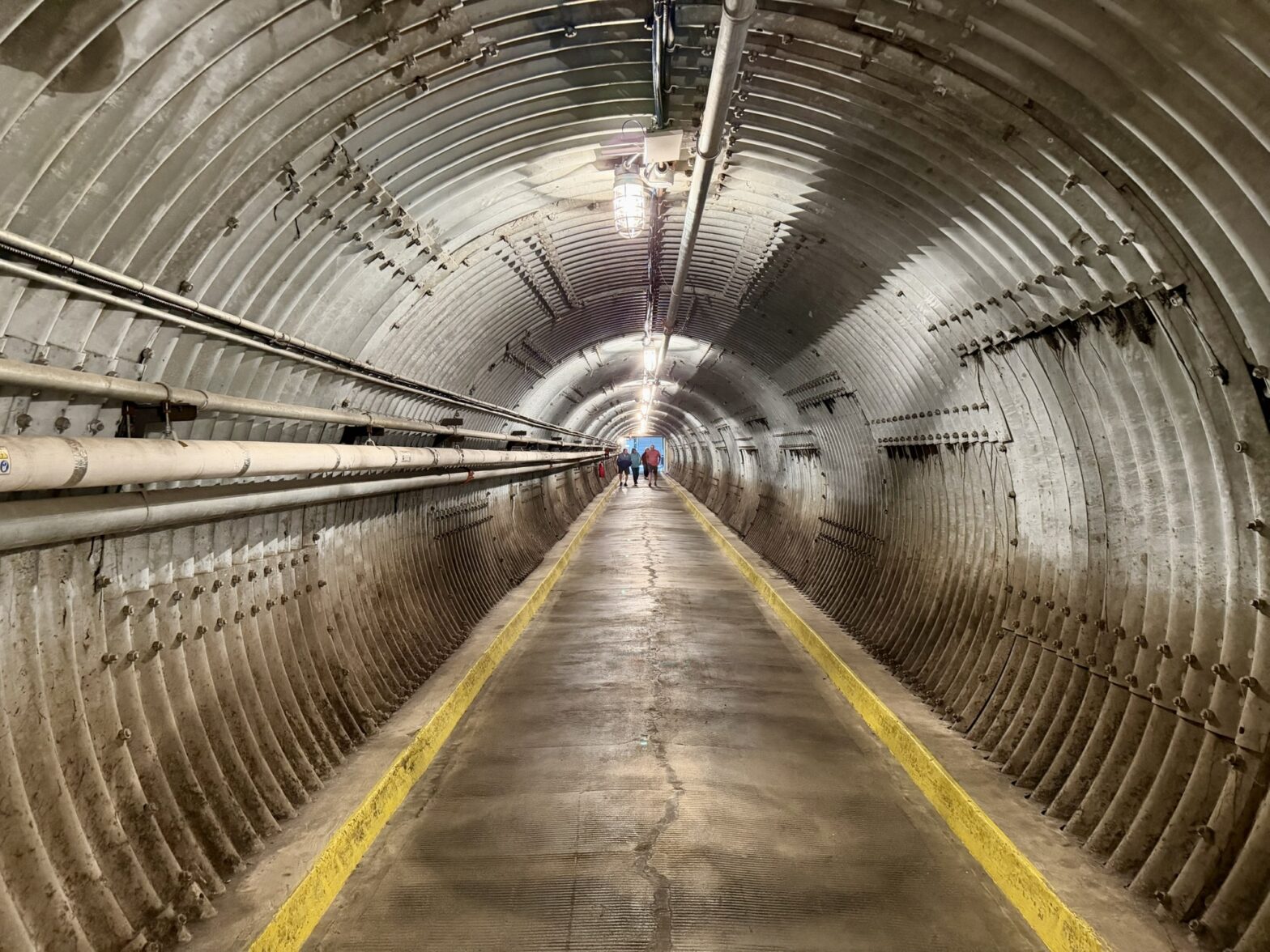
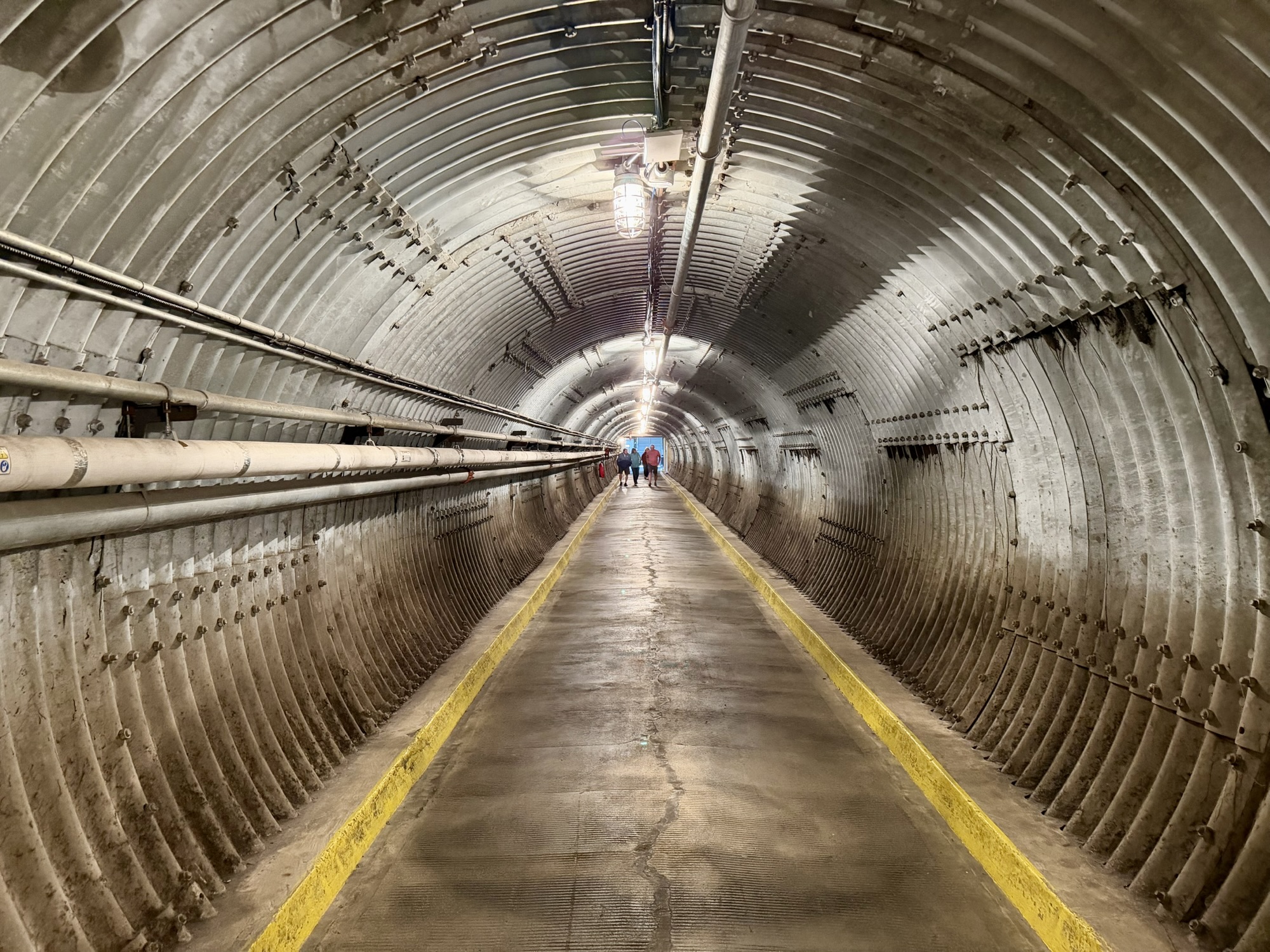
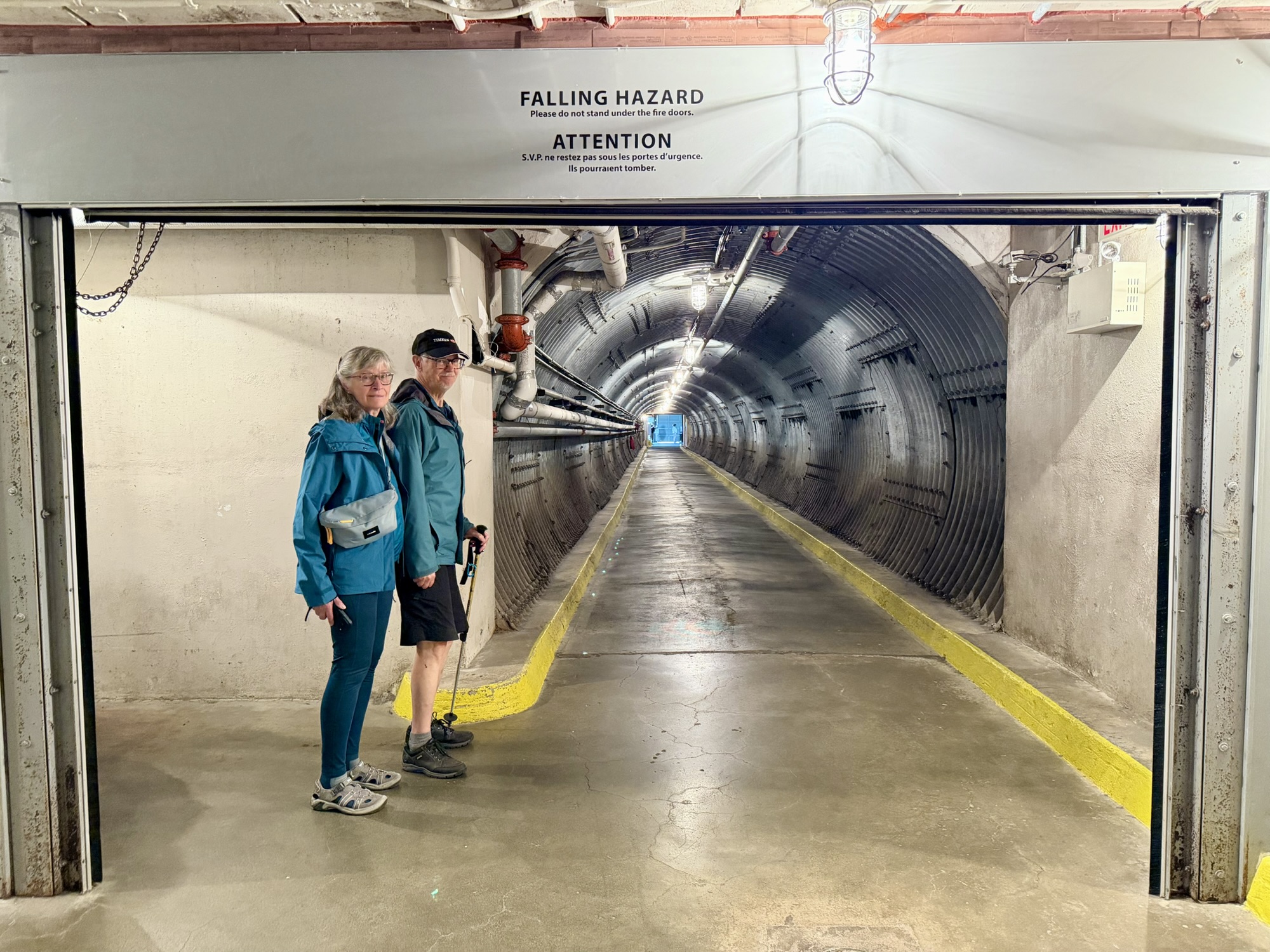
The blast tunnel is 115 m long and made of corrugated metal with concrete floors. It was designed to protect the bunker doors which were in the centre of the tunnel. The design of the tunnel would minimize explosive pressure by channelling air in through one end and out the other.
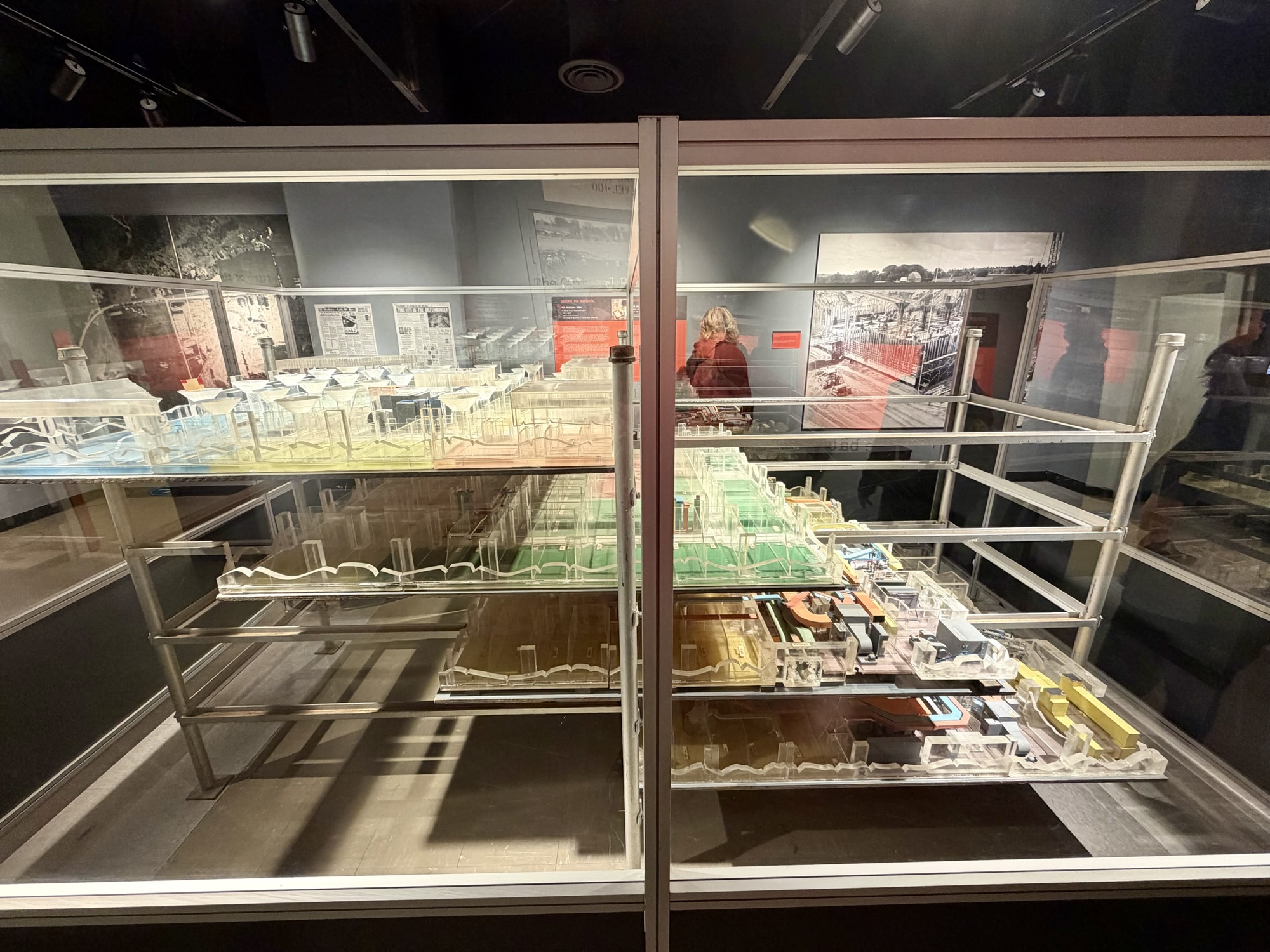
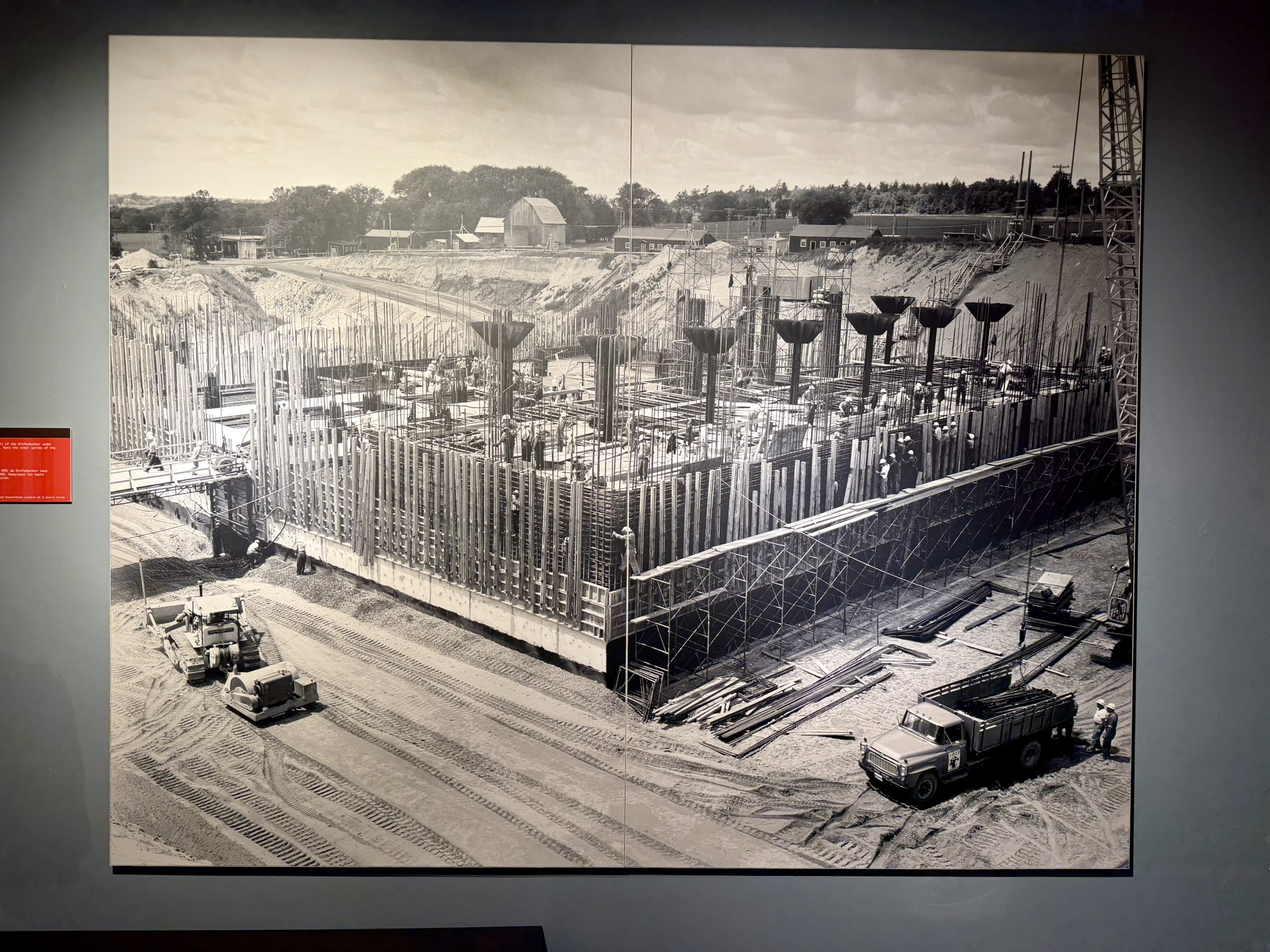
Construction took place over 18 months and was completed in 1961. It began as a top-secret building operation under the codename Project Emergency Army Signals Establishment (EASE). The site in Carp was chosen for the 23 metre underground bunker because it was within evacuation distance of downtown Ottawa, in a natural valley with ideal geological conditions for protection. It was designed and engineered by the Foundation Company of Canada. It contains 32,000 yd.³ of hand-poured concrete and 5000 tons of steel. It was the first recorded use of critical path construction methodology in Canada. The four underground levels have 100,000 ft.² of space.
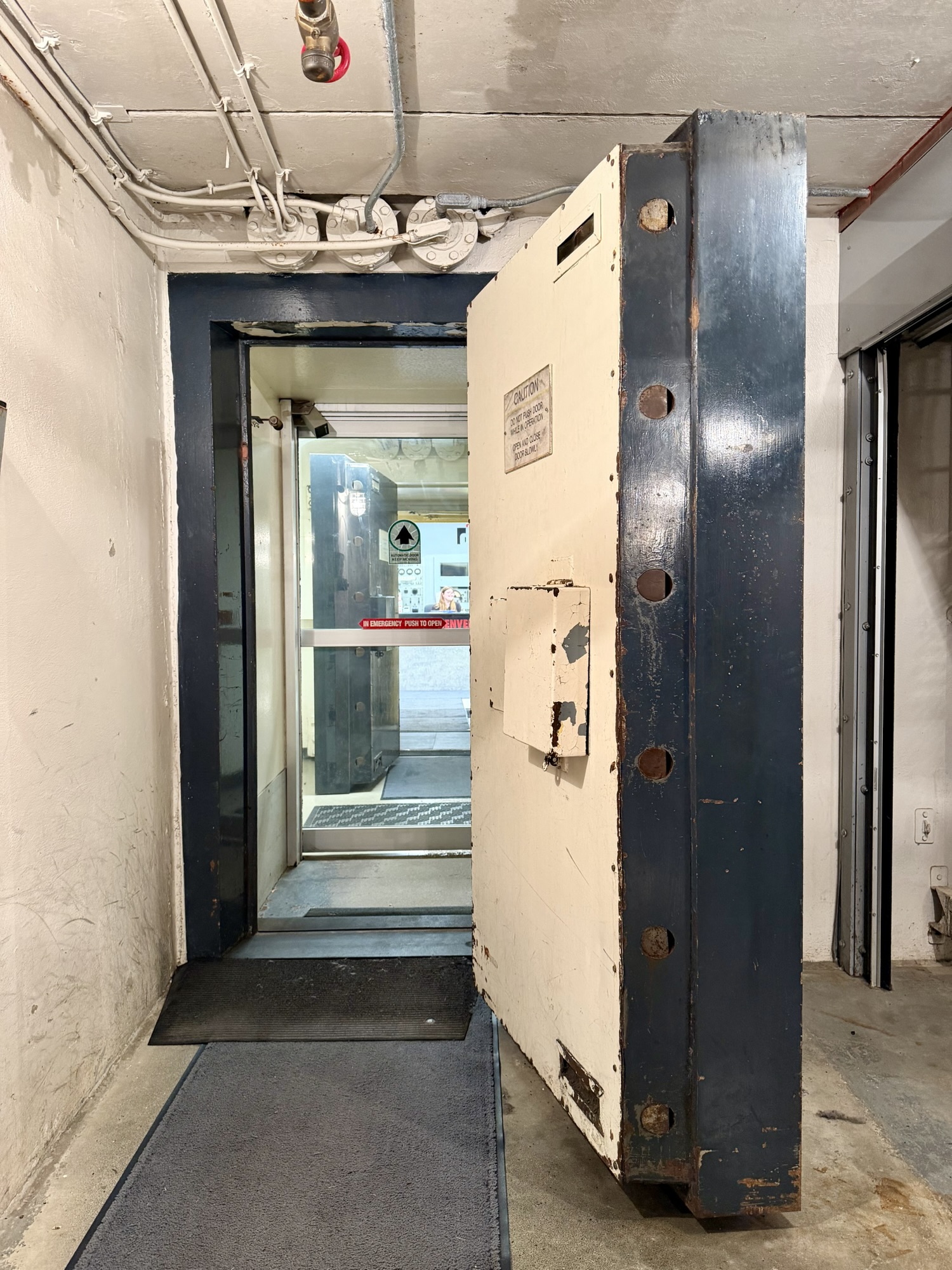
It was built to withstand the force of a 5 megaton nuclear bomb from a distance of 1.8 km away. It featured an air filtration system to keep its occupants safe from radioactive fallout. It was not designed to withstand a direct hit. Its intended use was kept secret from the public. This is the door to the bunker in the centre of the blast tunnel.
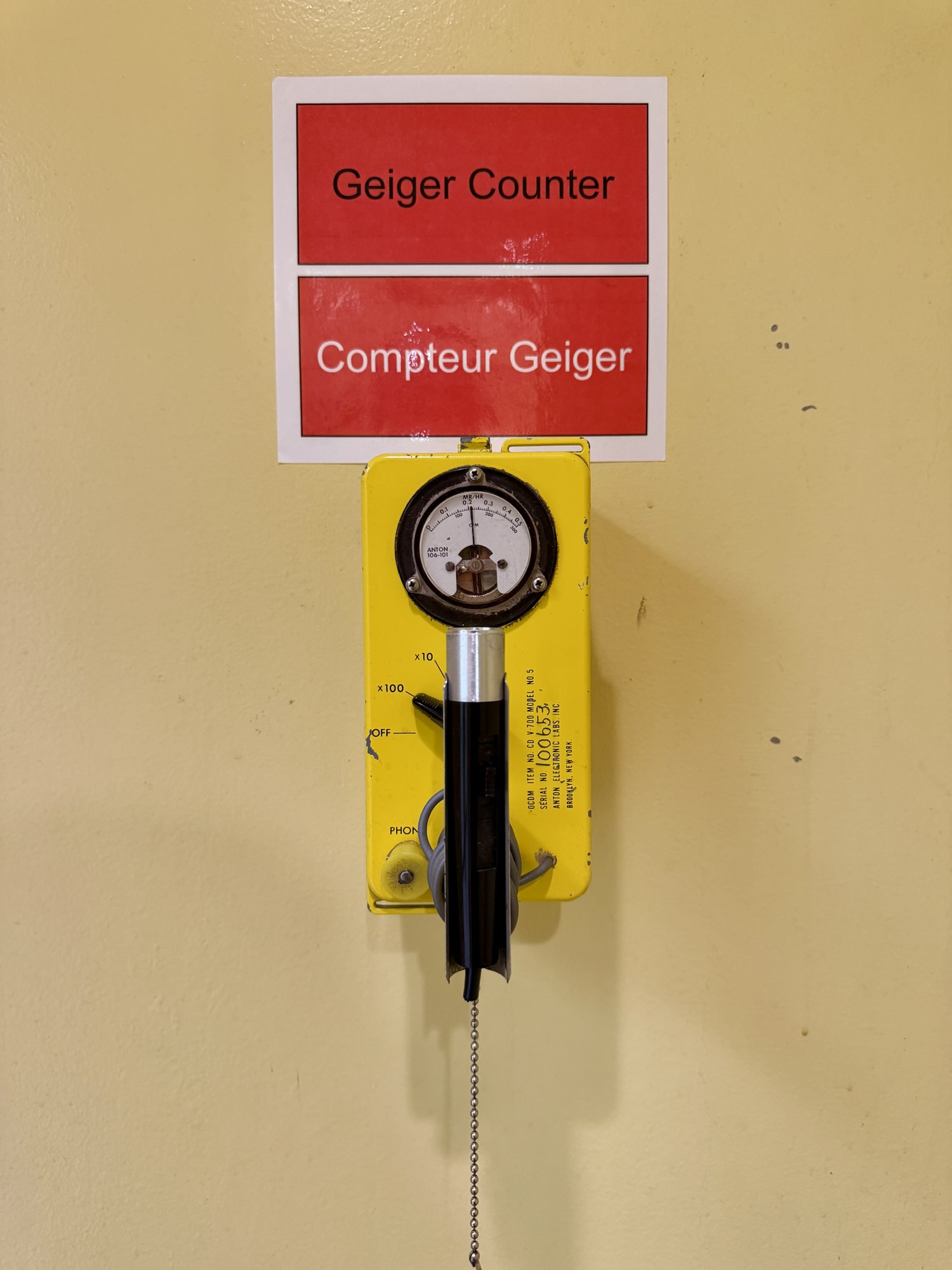
Upon entering the bunker after a nuclear blast, one would have had to go through a series of showers and be measured by a Geiger counter to make sure nuclear contamination was not being brought in.
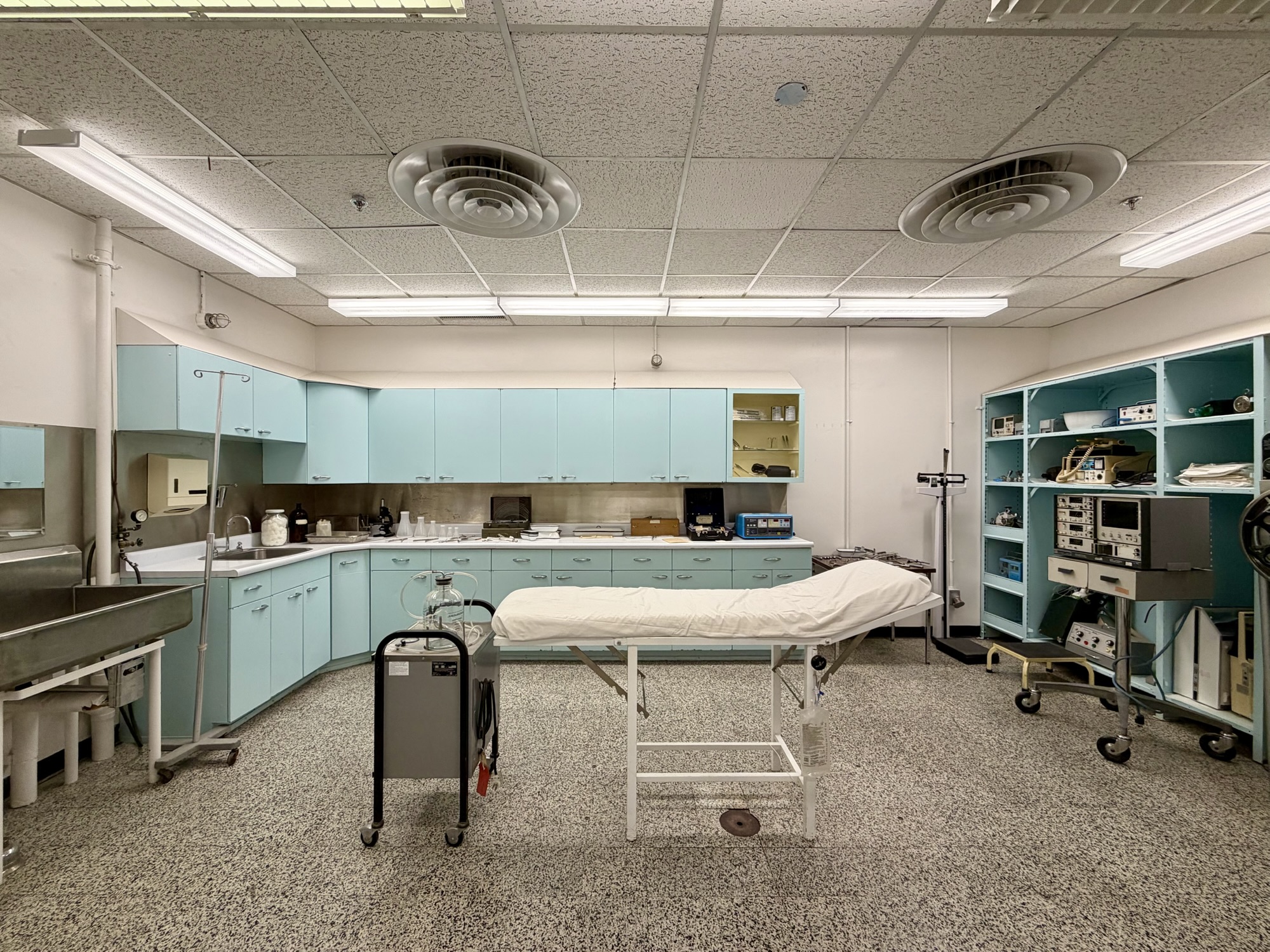
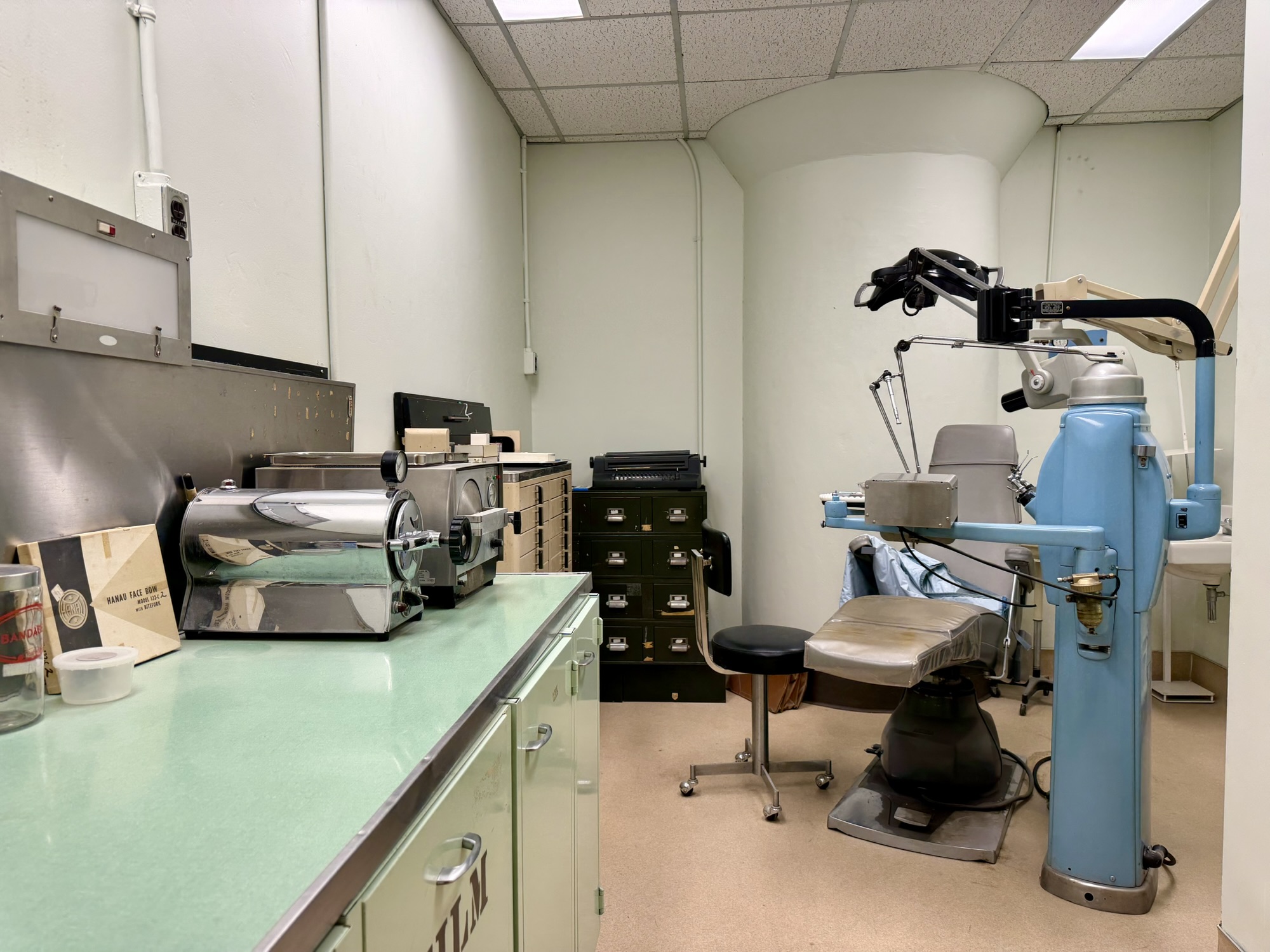
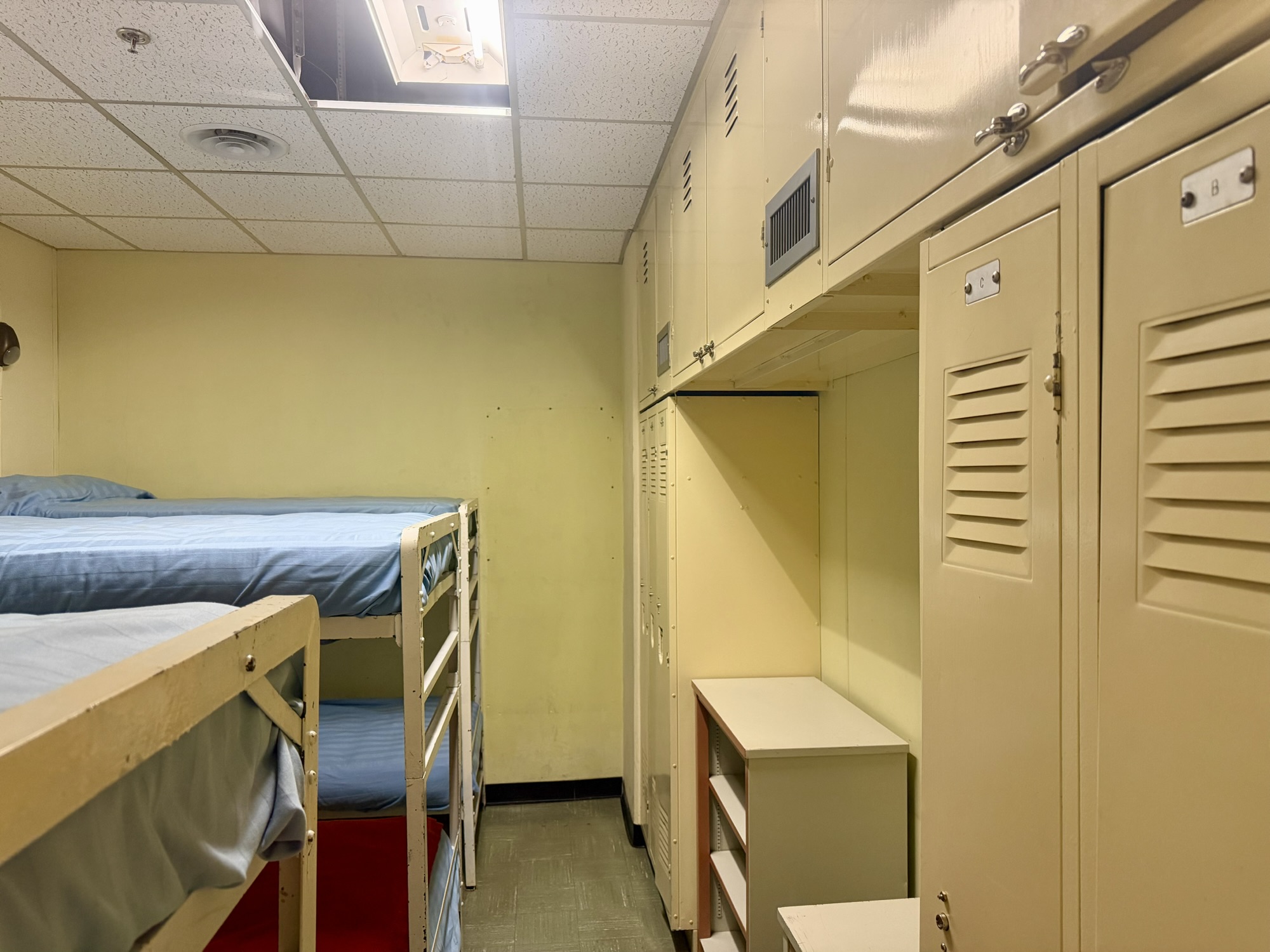
The bunker had everything it needed to operate for 30 days without contact from the outside. It had a small hospital, including surgical and dental facilities, and dormitory rooms, as well as offices, communication rooms, cafeteria, etc.
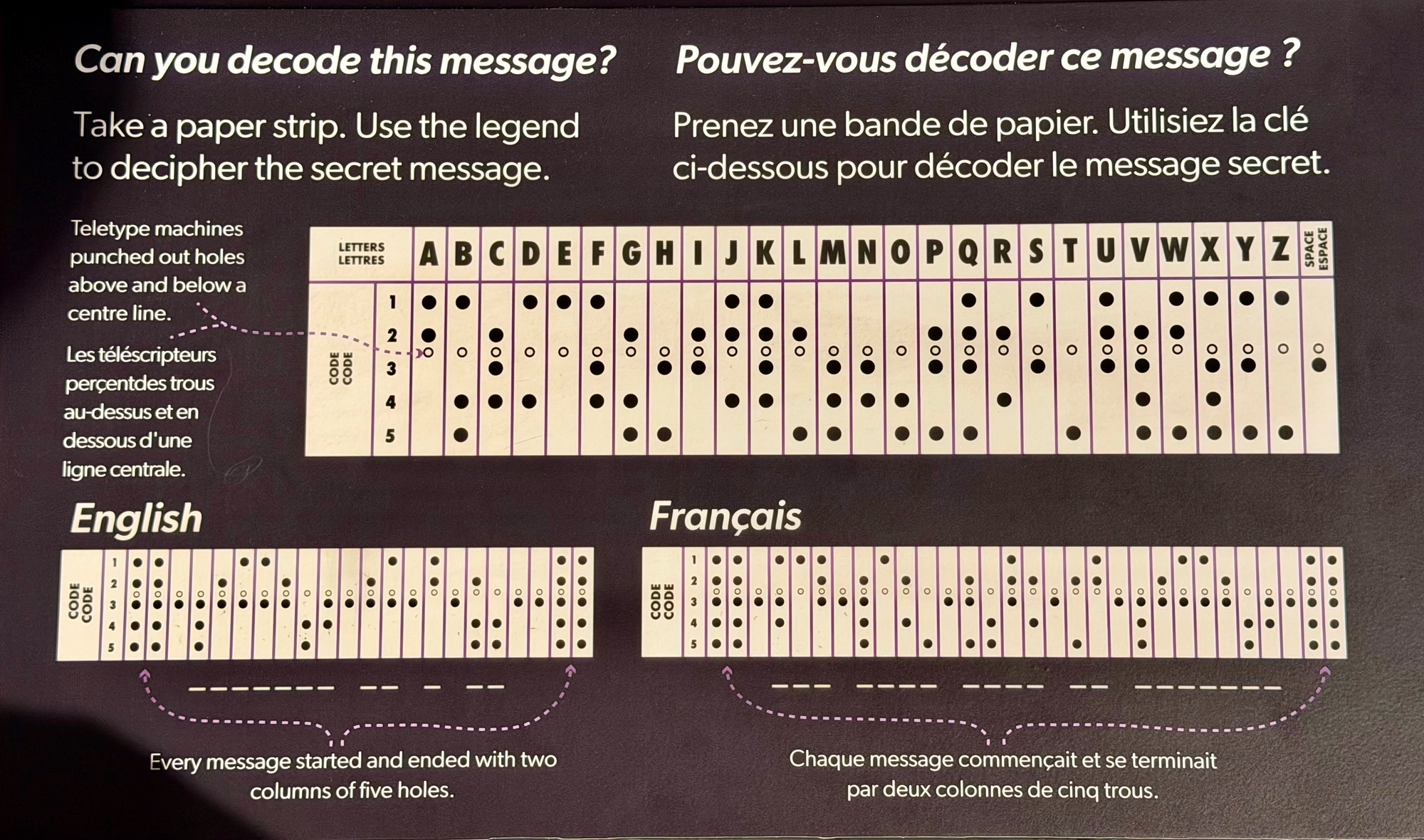
The bunker used teletype machines to communicate. These machines used an encryption system invented by Emile Baudot in 180. The Baudot code is a binary code that used five-bit groups to represent characters. Holes were punched into paper tape above and below a centre line with each combination representing a letter.
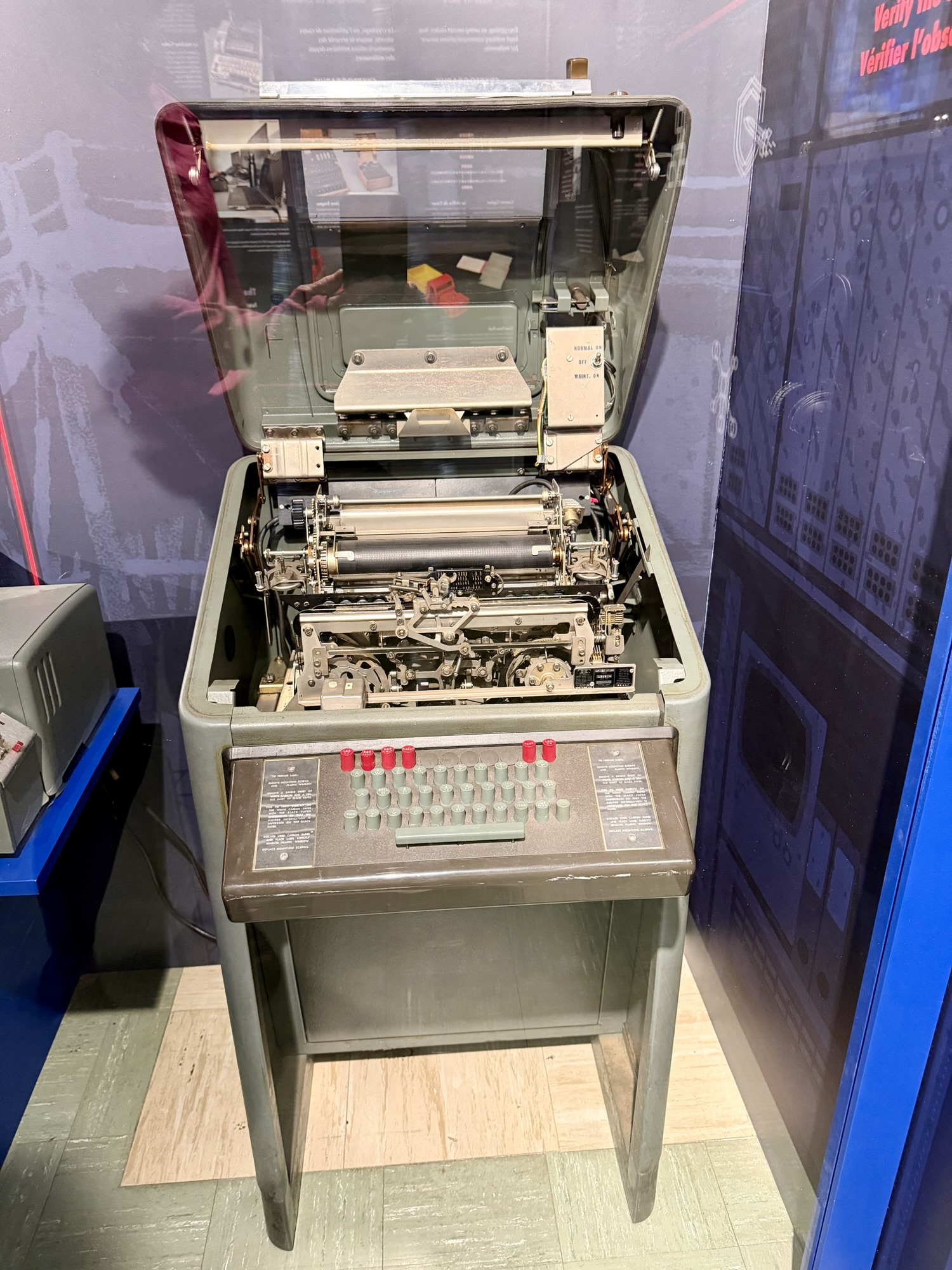
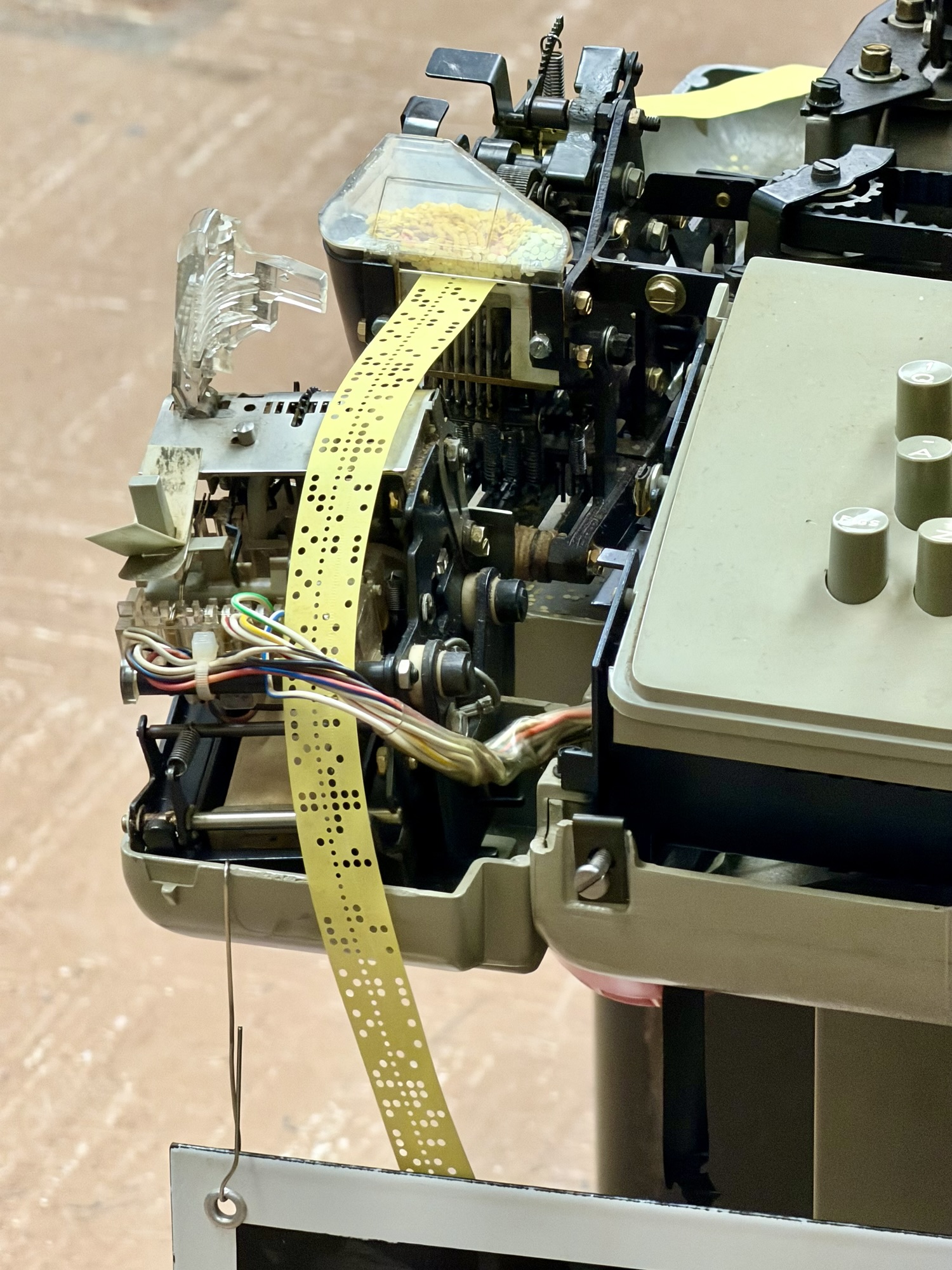
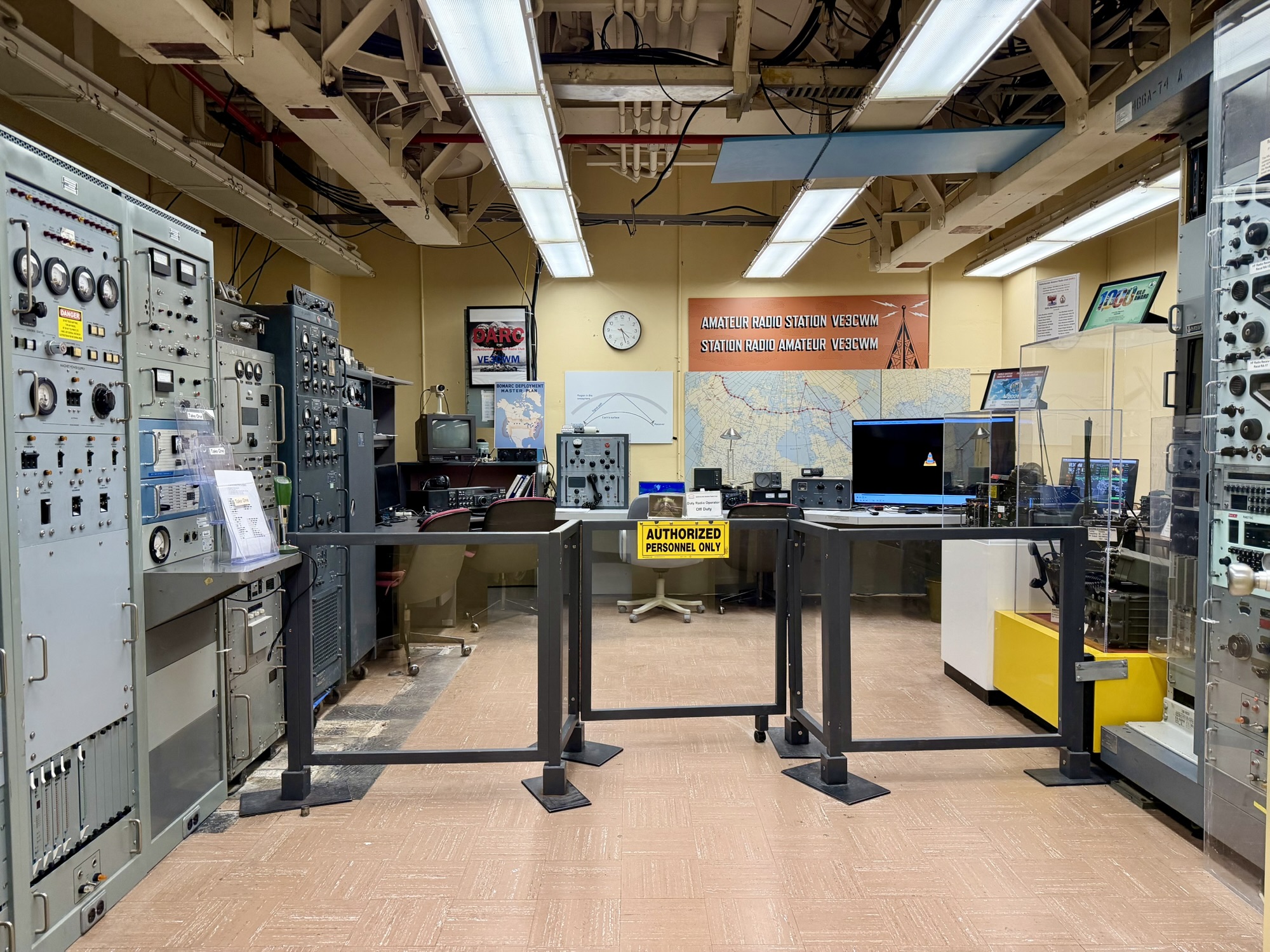
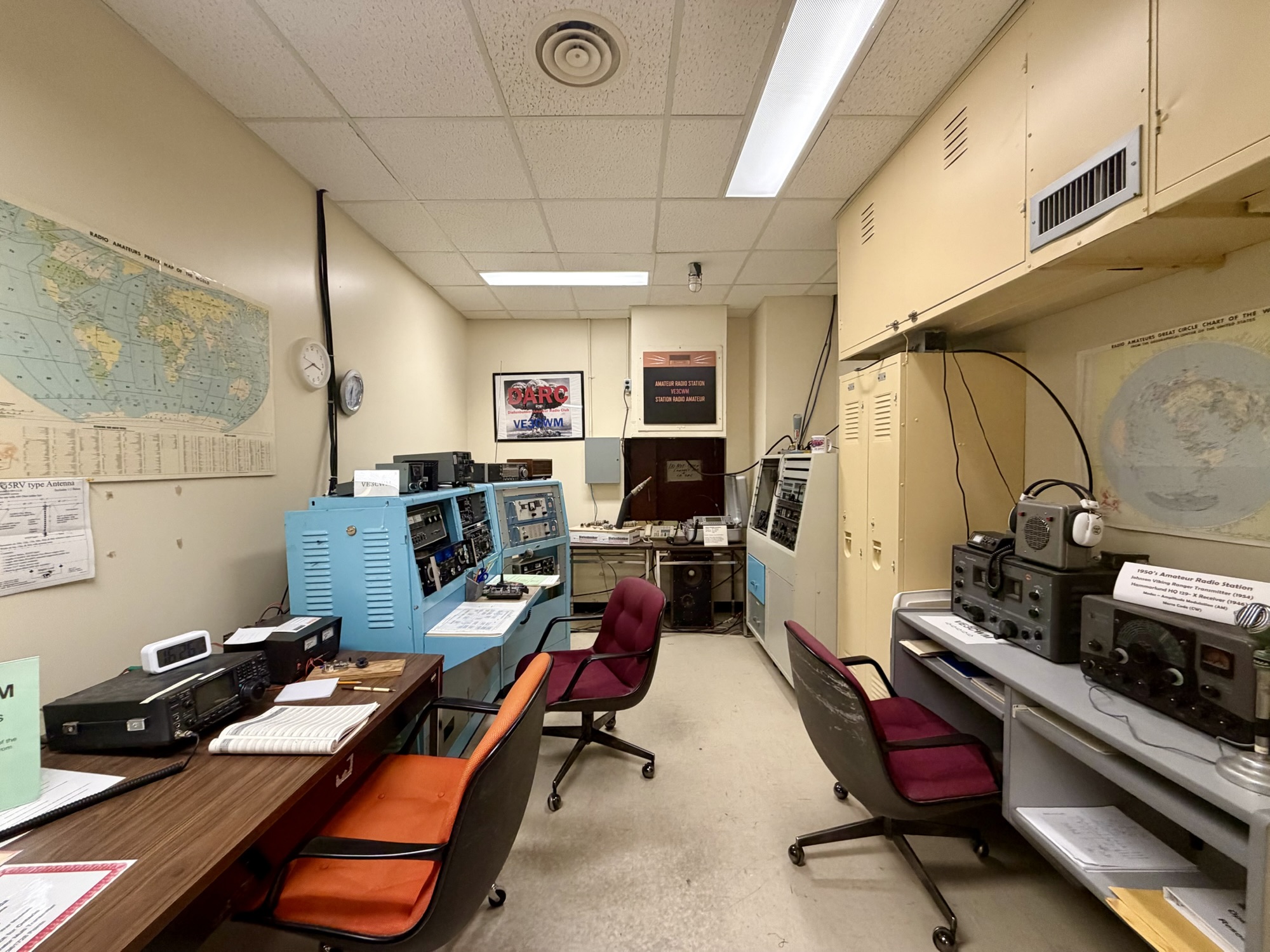
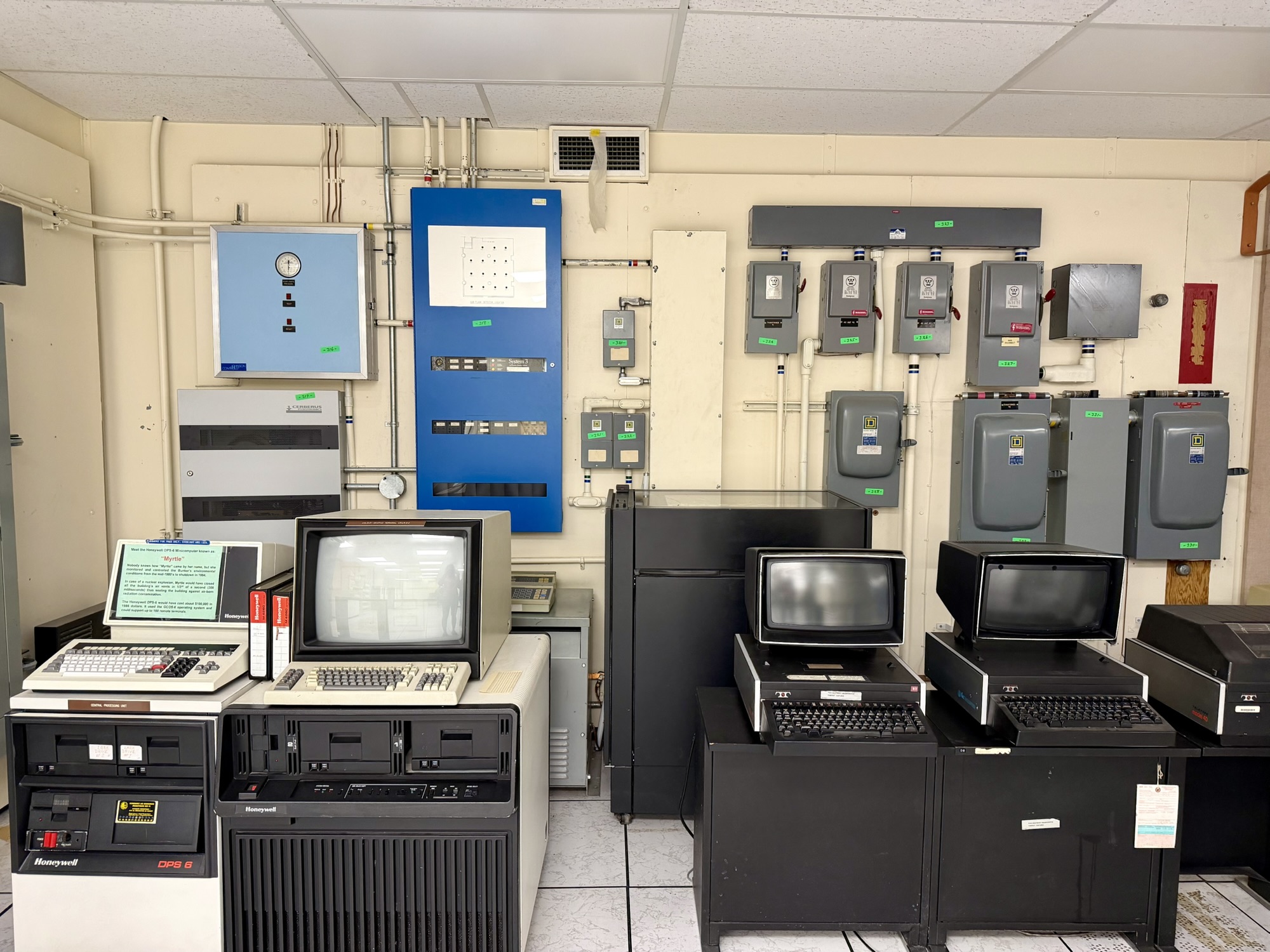
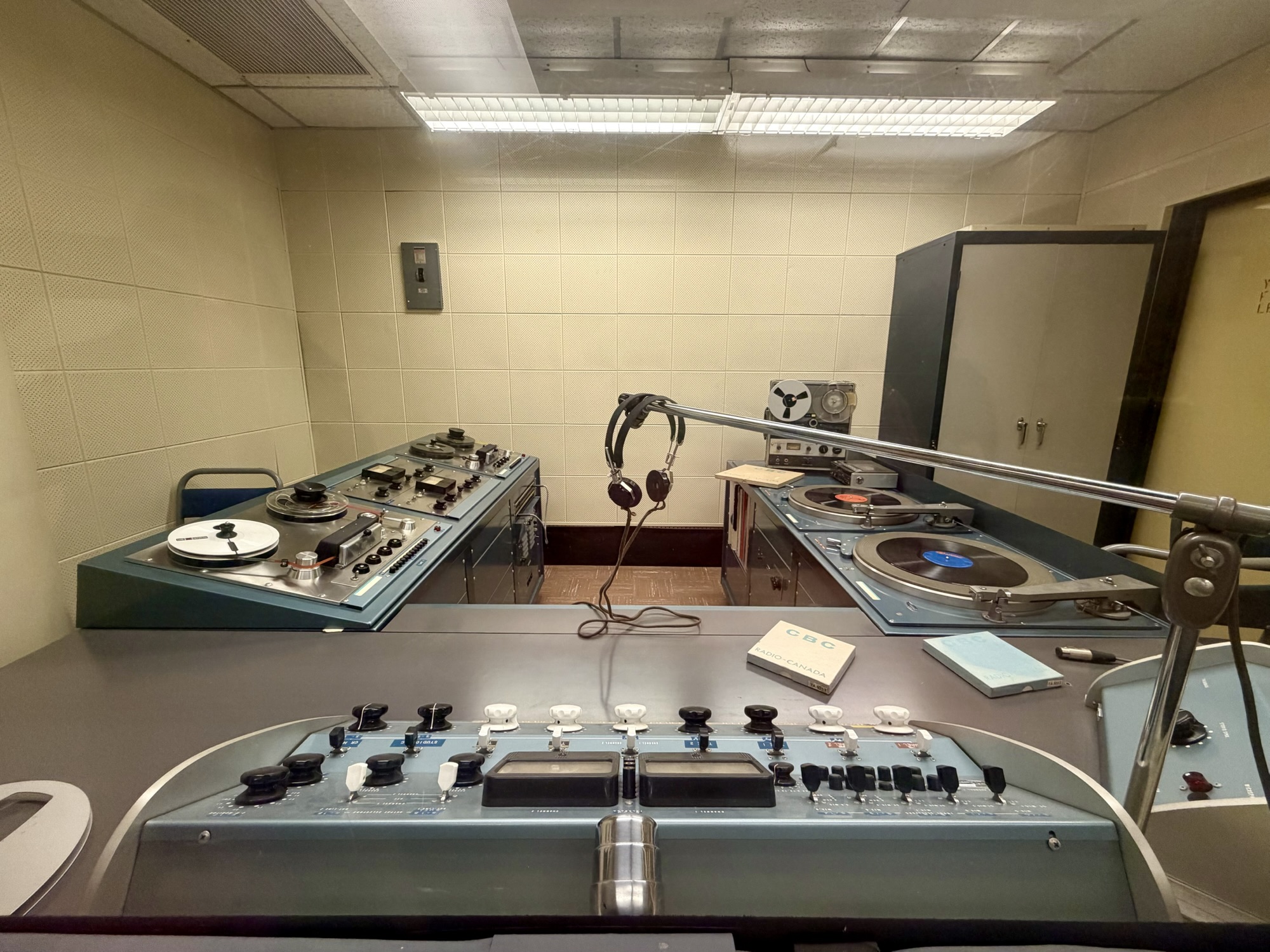
There were radio communications rooms, a raised floor computer room, and a CBC broadcasting studio.
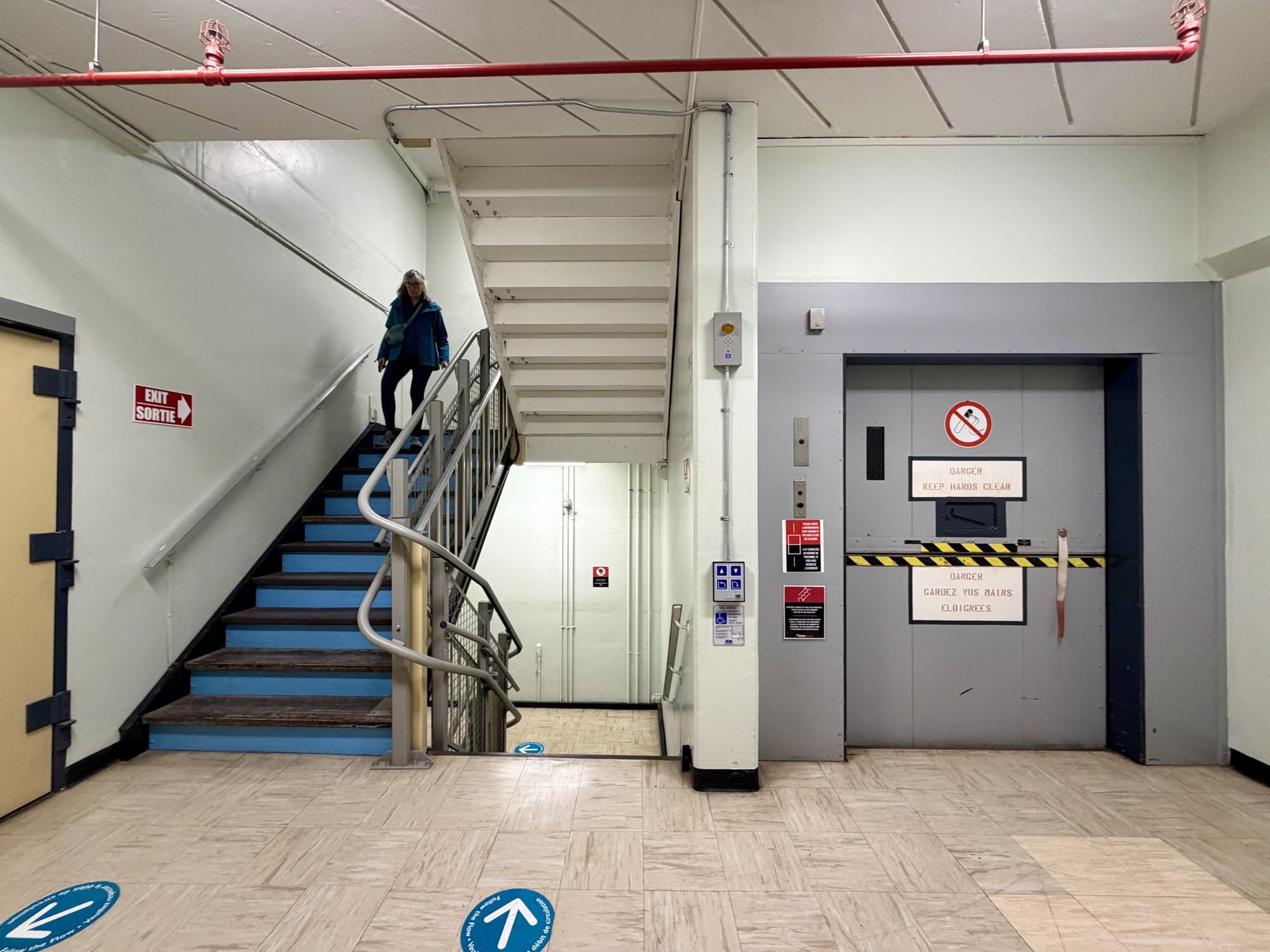
There were stairs between the floors as well as a large freight elevator.
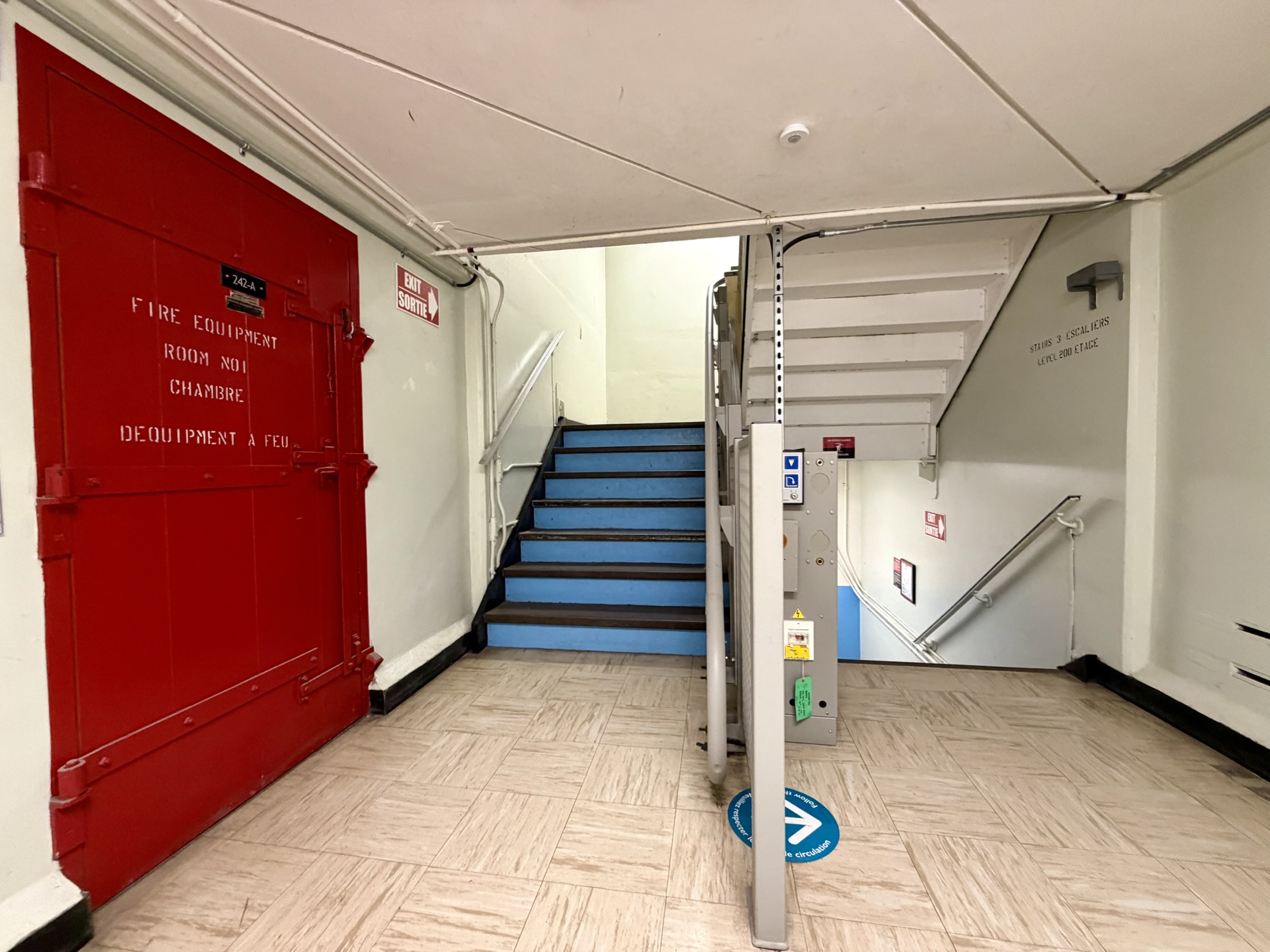
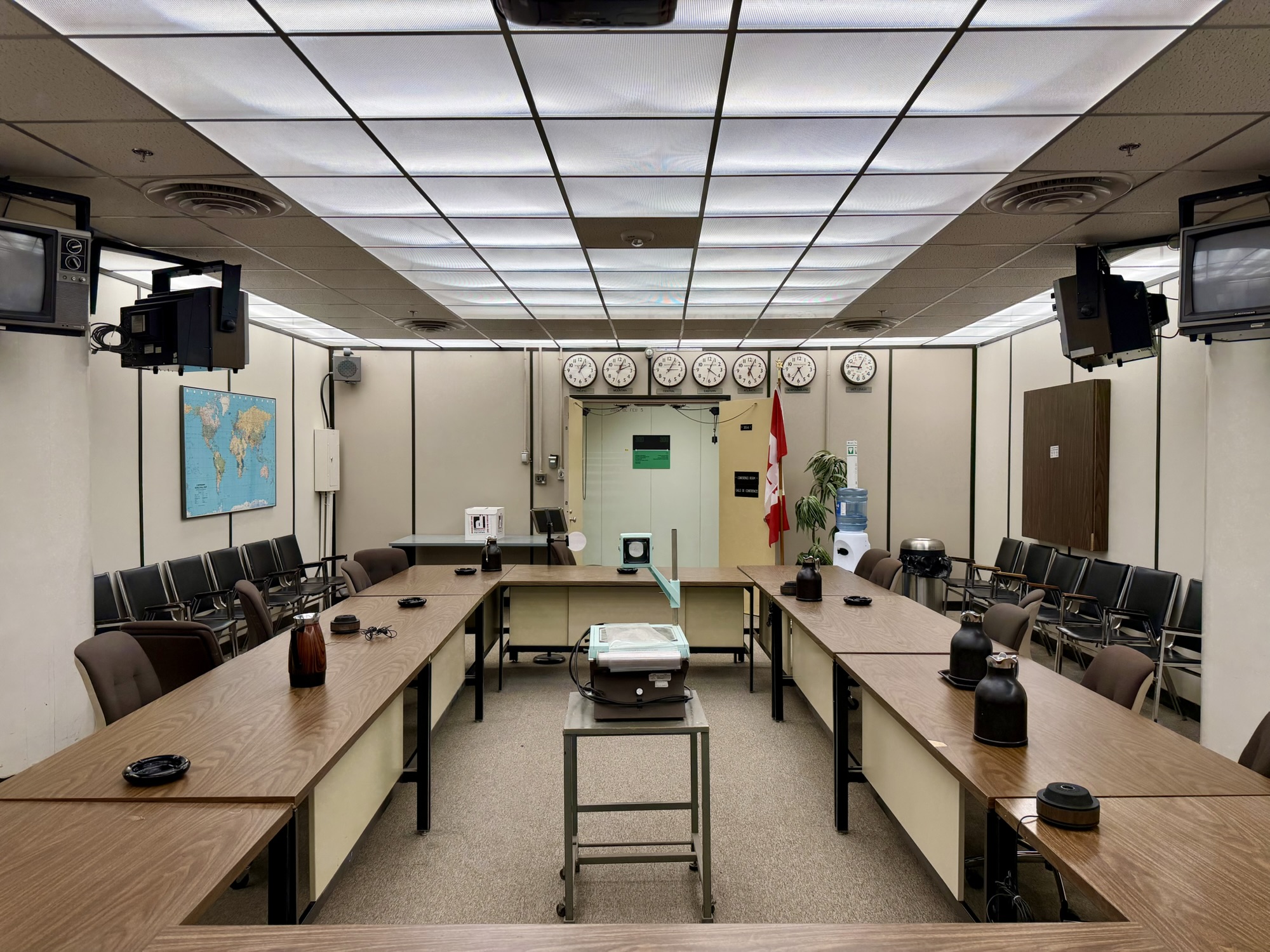
Stripes were painted on the walls where the support columns narrowed the hallways to make the hall appears visually wider. The door on the right and many others like it provided access to the ventilation and other equipment.
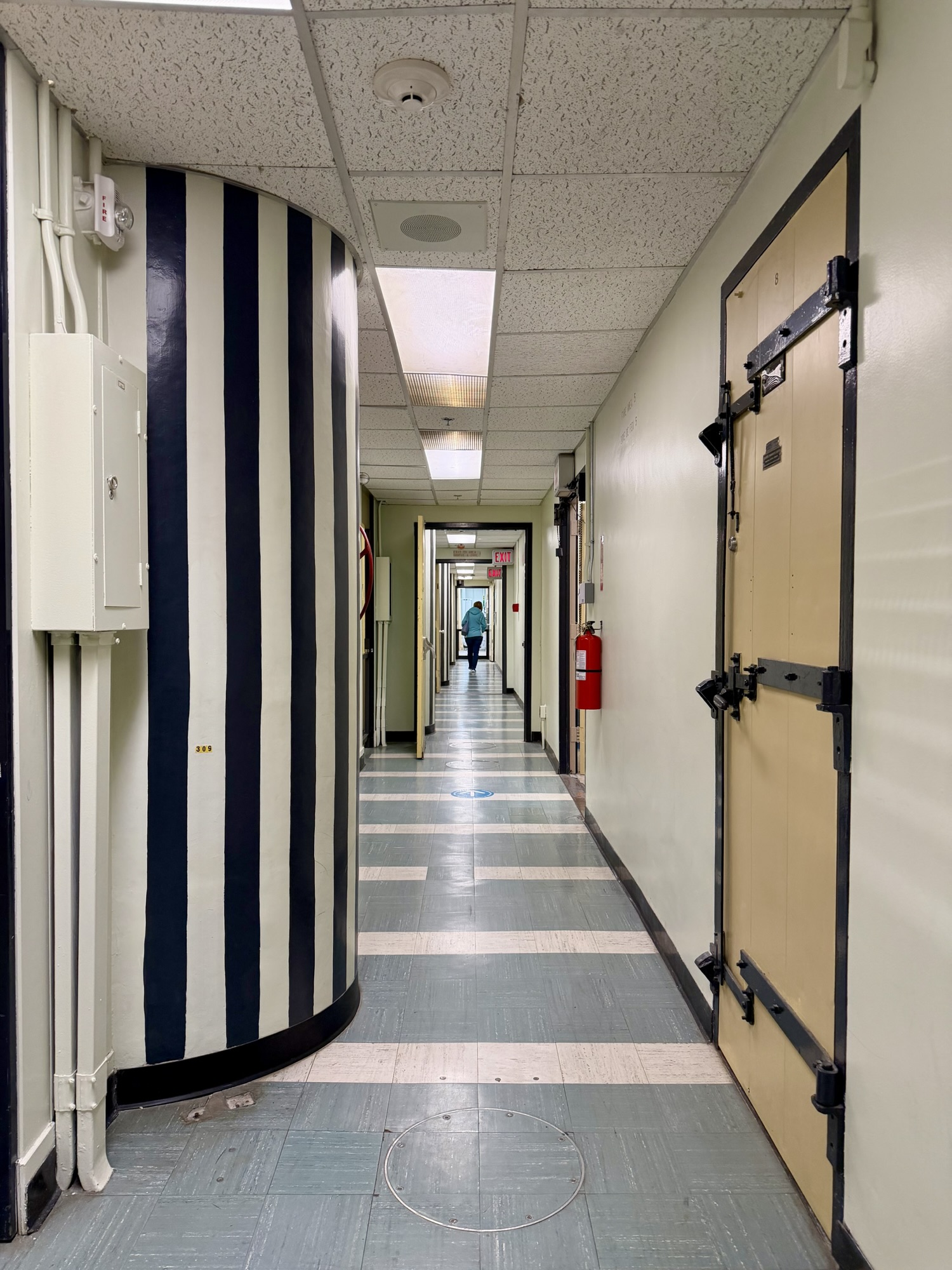
These tools were displayed outside of one of the telecommunication rooms with the instructions entitled: Secure Telecomms Equipment Destruction Orders and Procedures, presumably for use in the event of an invasion of the bunker by enemy forces.
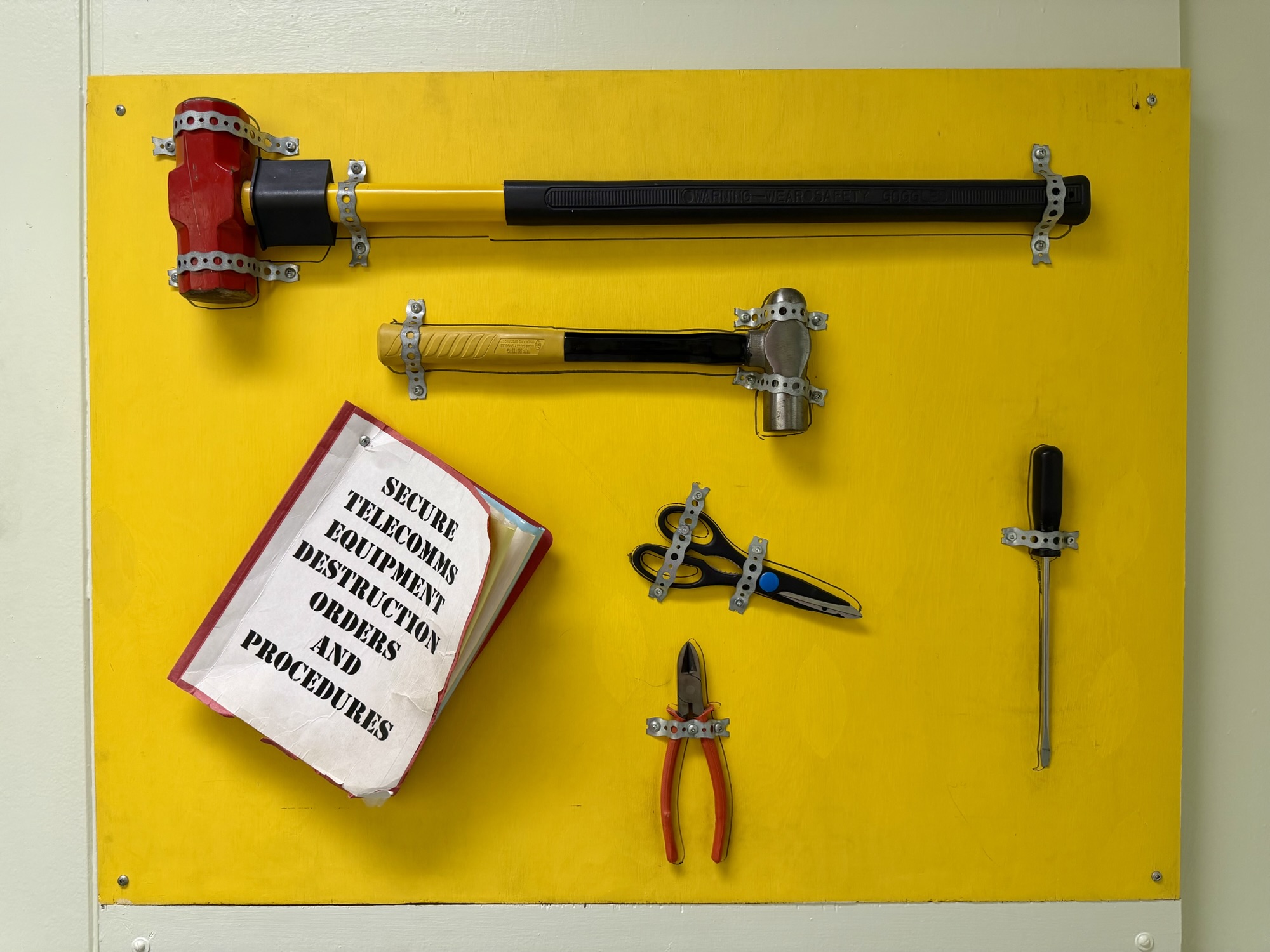
This room was the Federal Warning Centre (FWC), a central command and communication hub.
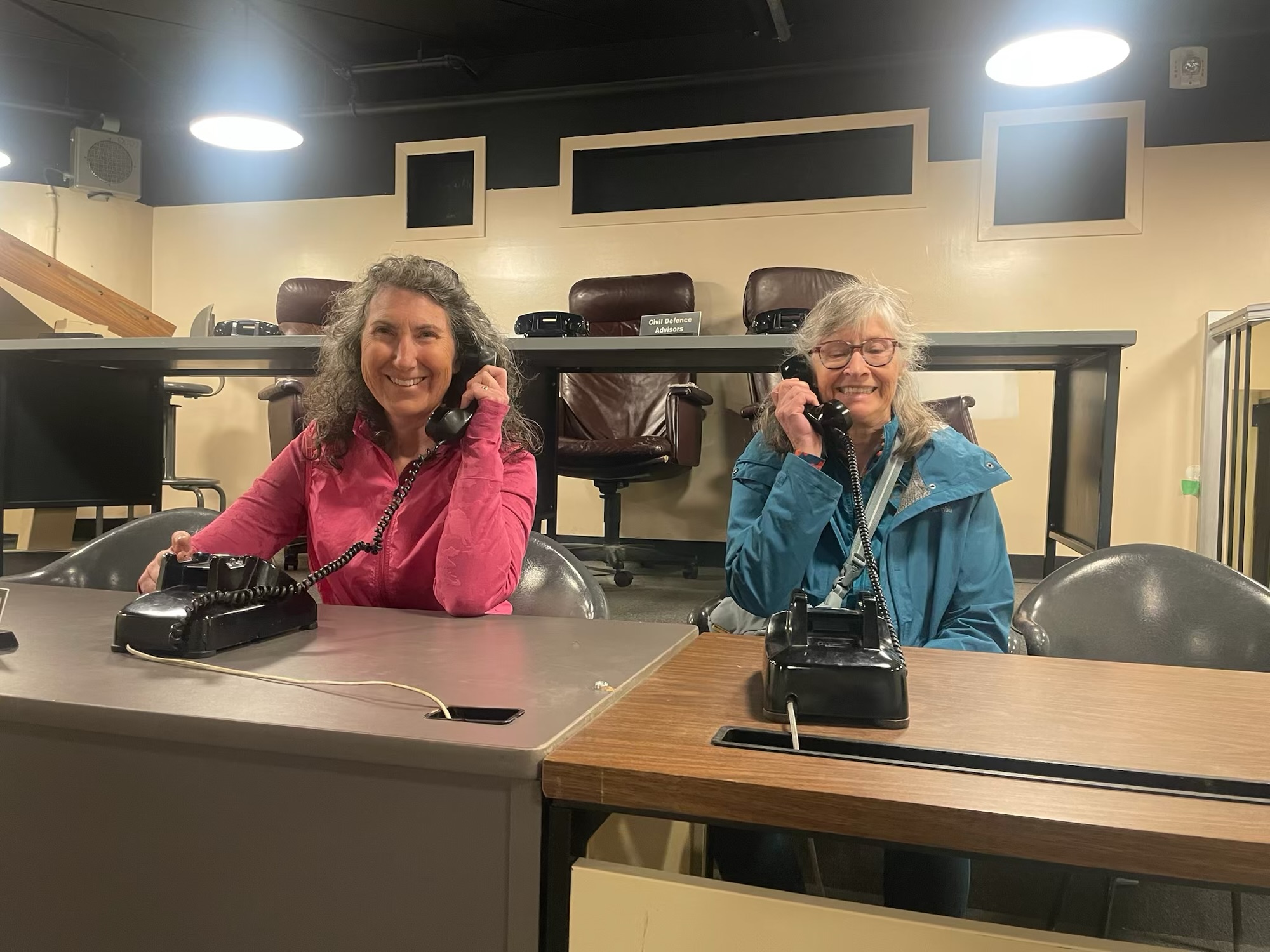
This was the War Cabinet room.
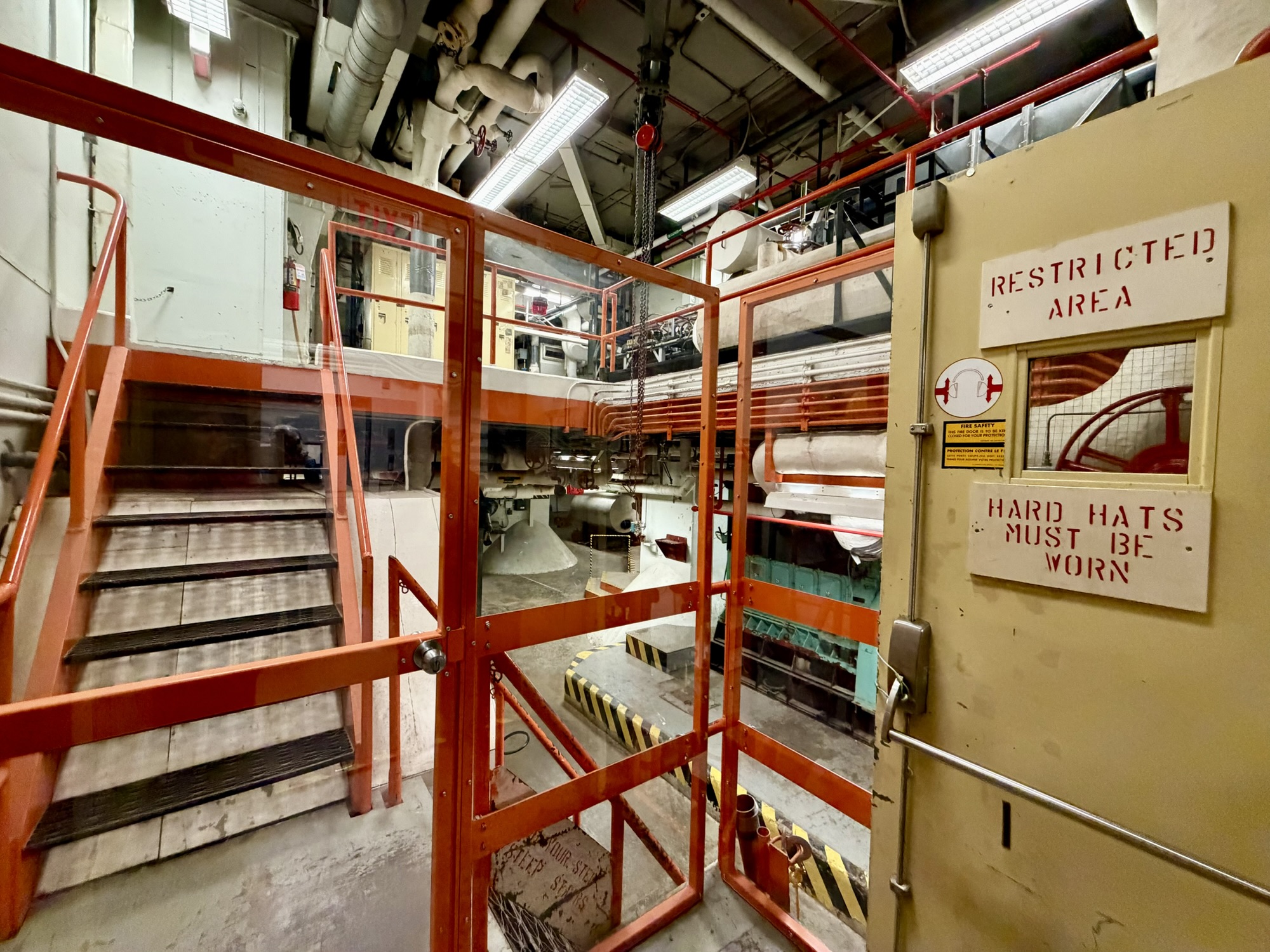
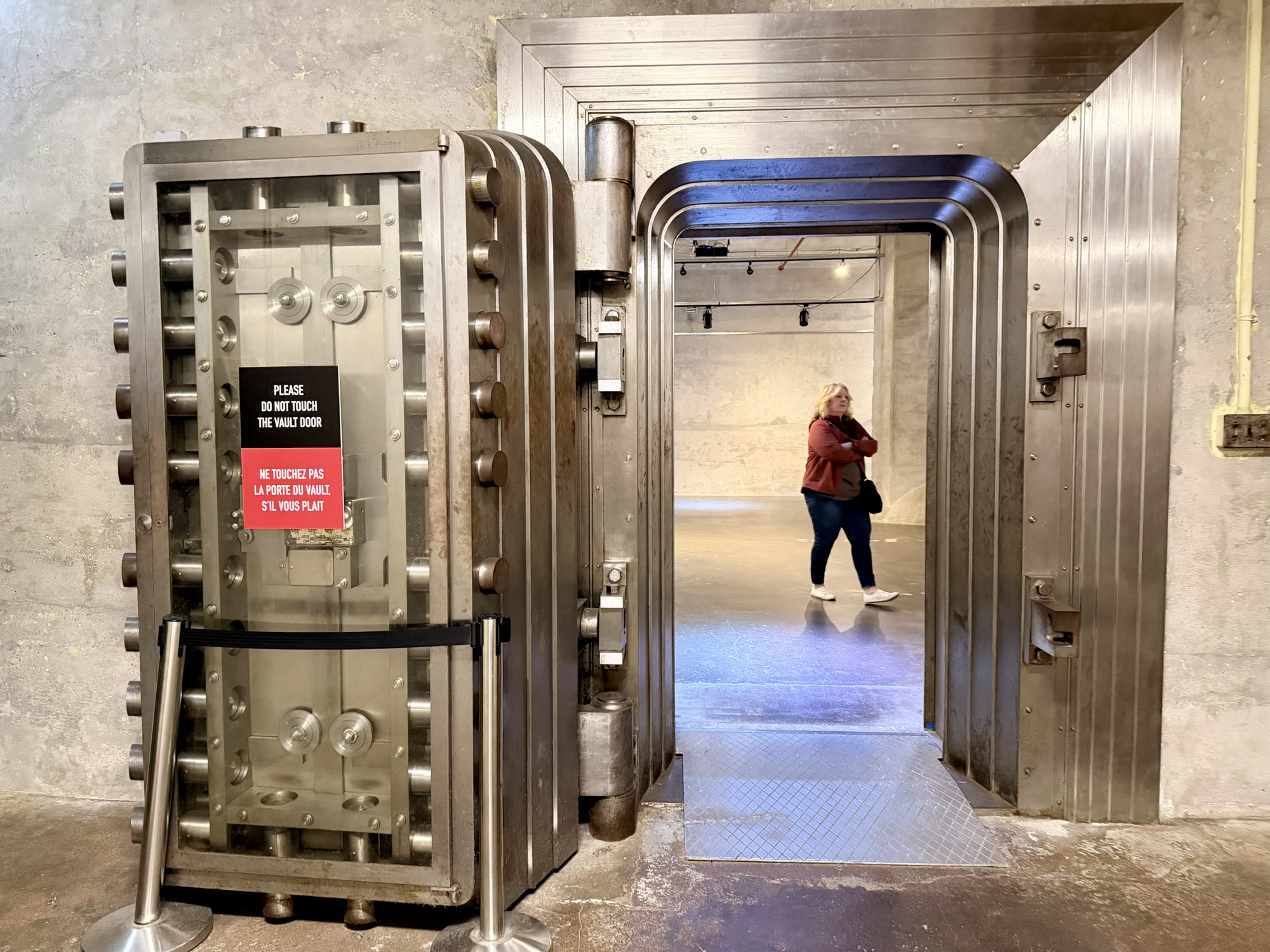
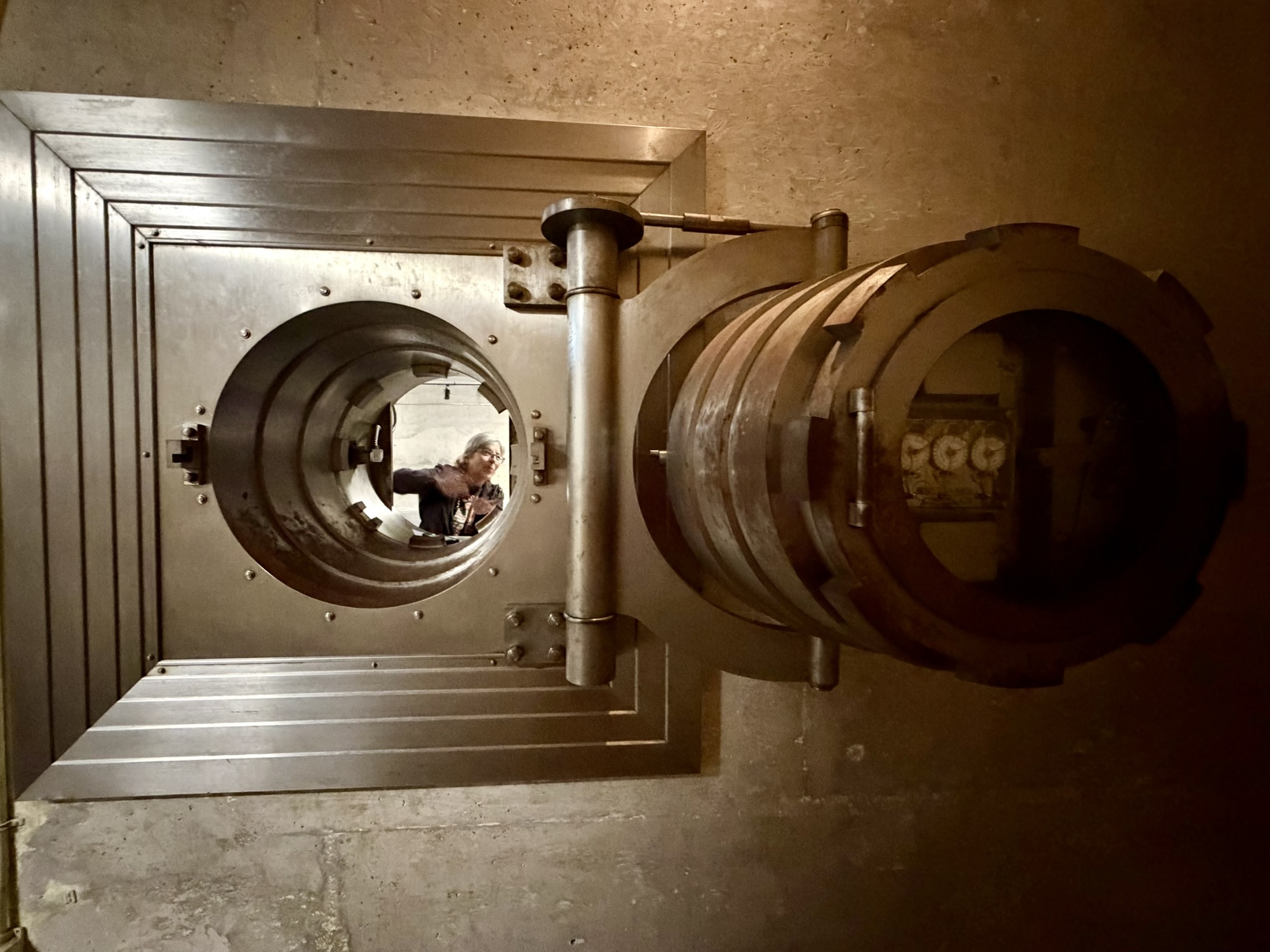
The bottom level contained a large machine room, bank vault, and refrigeration room for food that would also be used as a morgue, if necessary. There were food preparations areas, cafeteria and tuck shop.
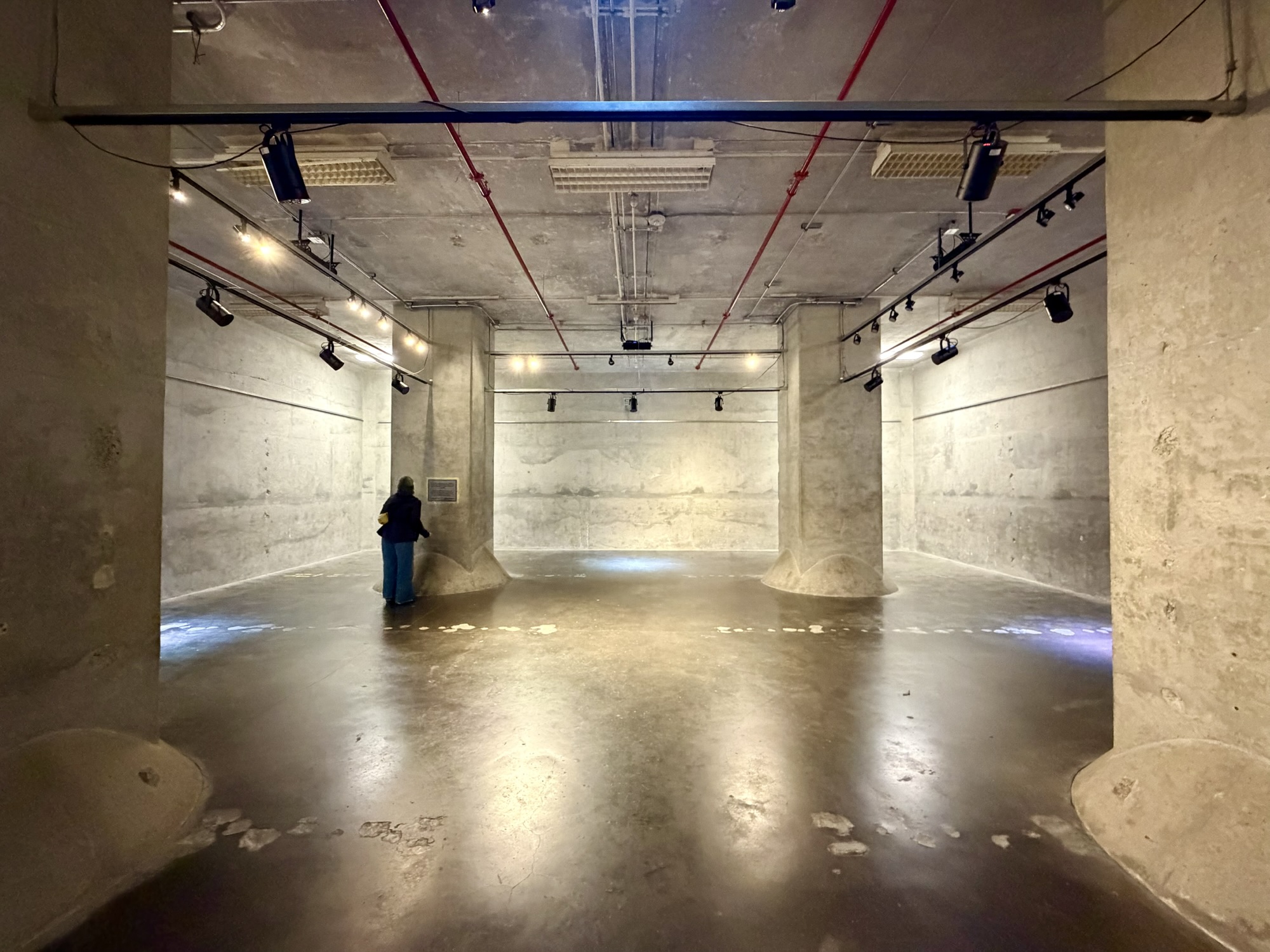
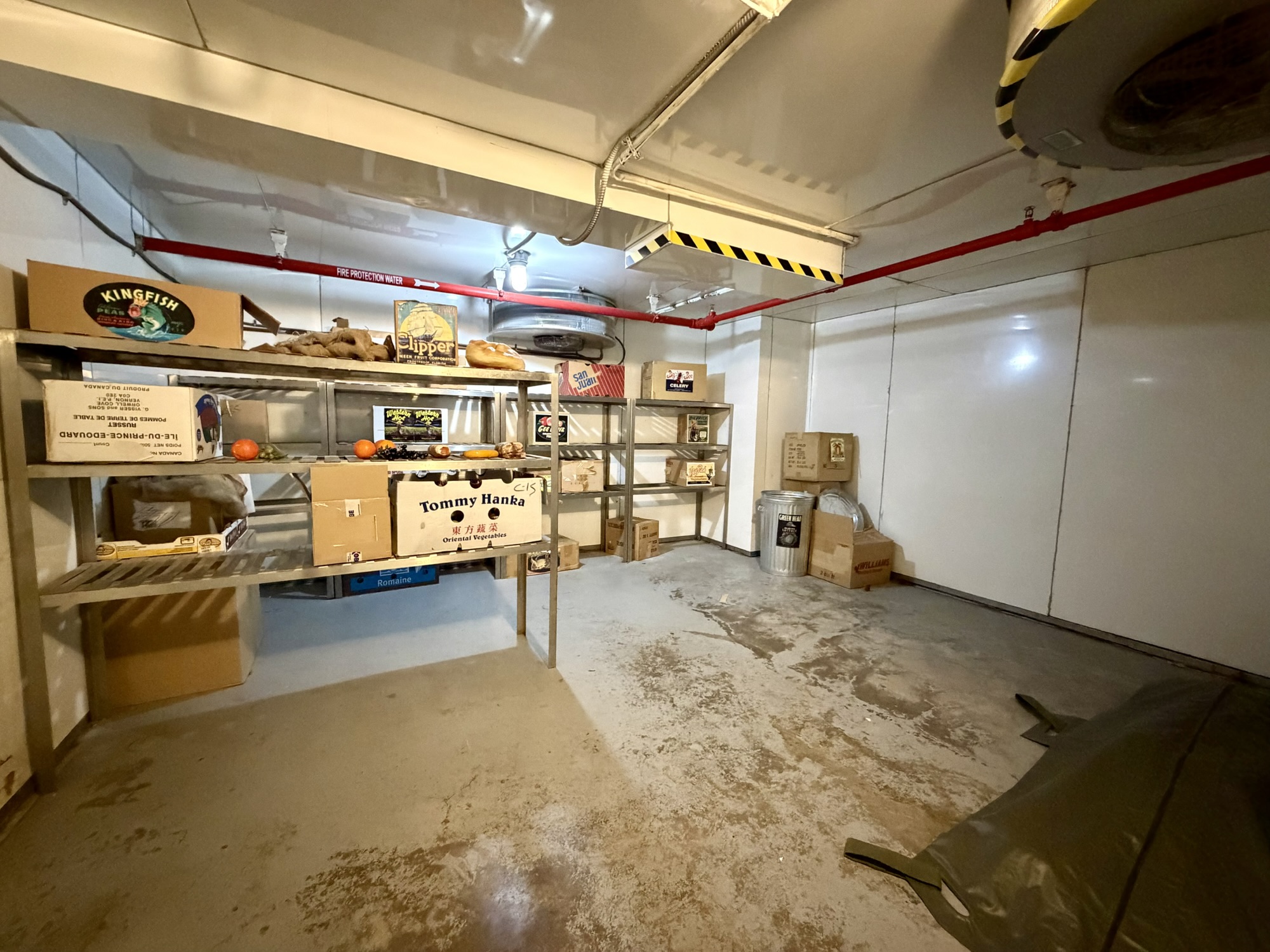
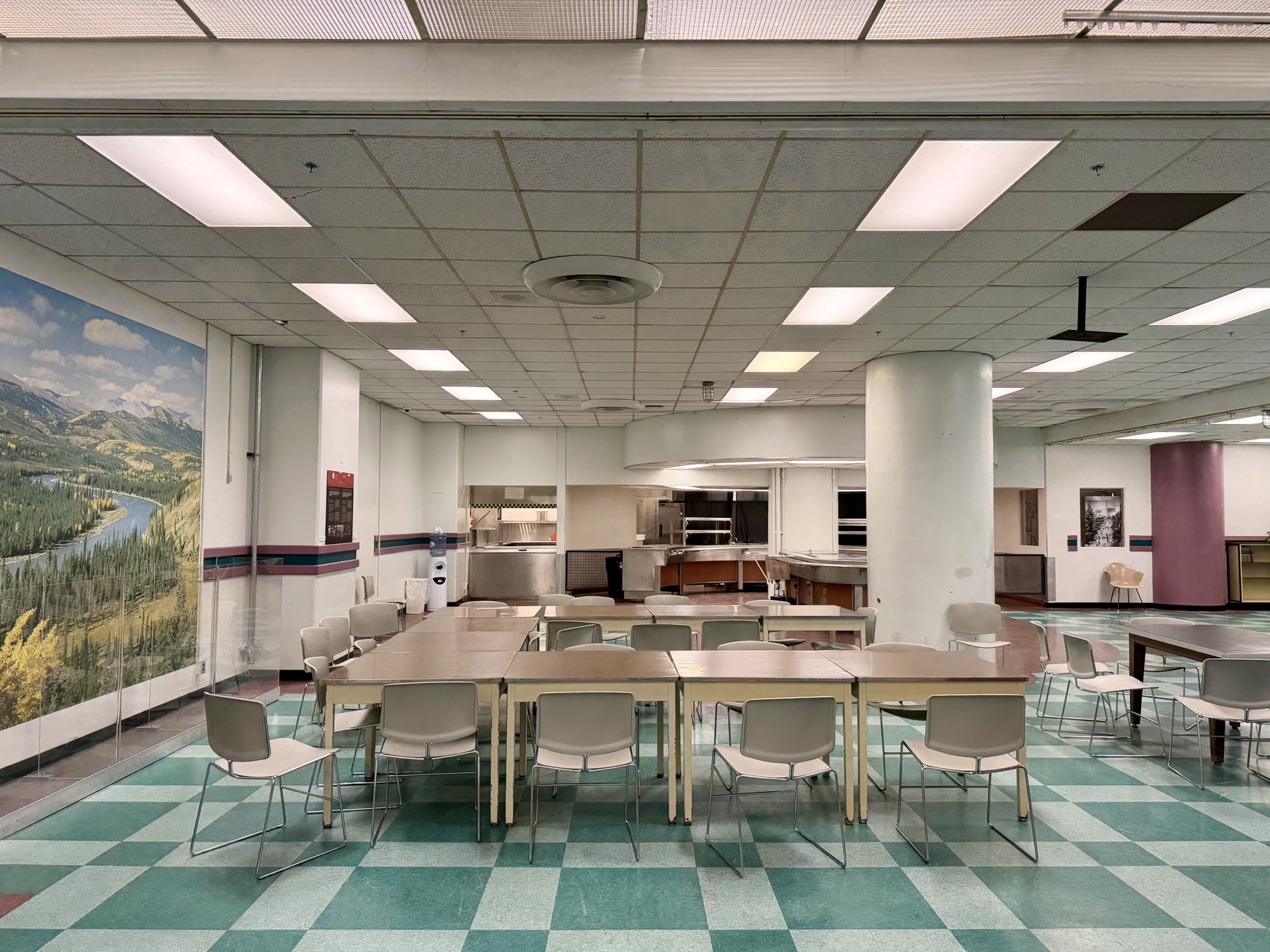
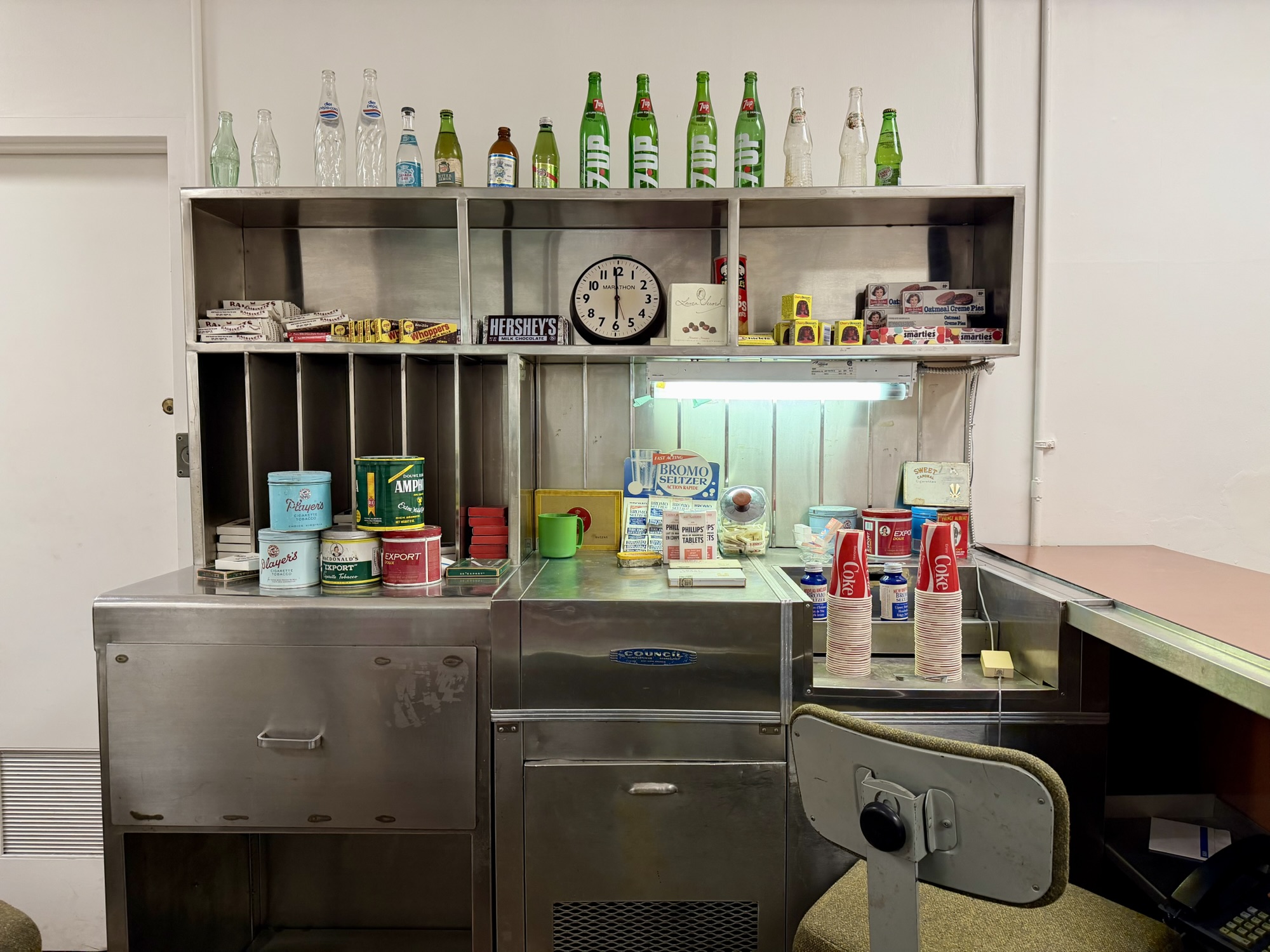
The bunker was never used for its intended purpose, however, it did operate continuously as a military base from 1962 to 1994. It was known as Canadian Forces Station Carp (CFS Carp). It was staffed 24 Hours a day by approximately 100 military and civilian personnel and played an important role in military telecommunications. It was decommissioned in 1994 after the fall of the Berlin Wall, and was designated a National Historic Site. The Department of National Defense removed the furnishings and machinery and sold the property to the township of West Carleton. A group of volunteers, many of them former employees, set up a charitable organization to preserve the building and open it as a museum. It also hosts children’s summer camps and an escape room experience.
I found it quite interesting following so closely on the heels of my visit to Teufelsberg, a Cold War listening station just outside of Berlin.
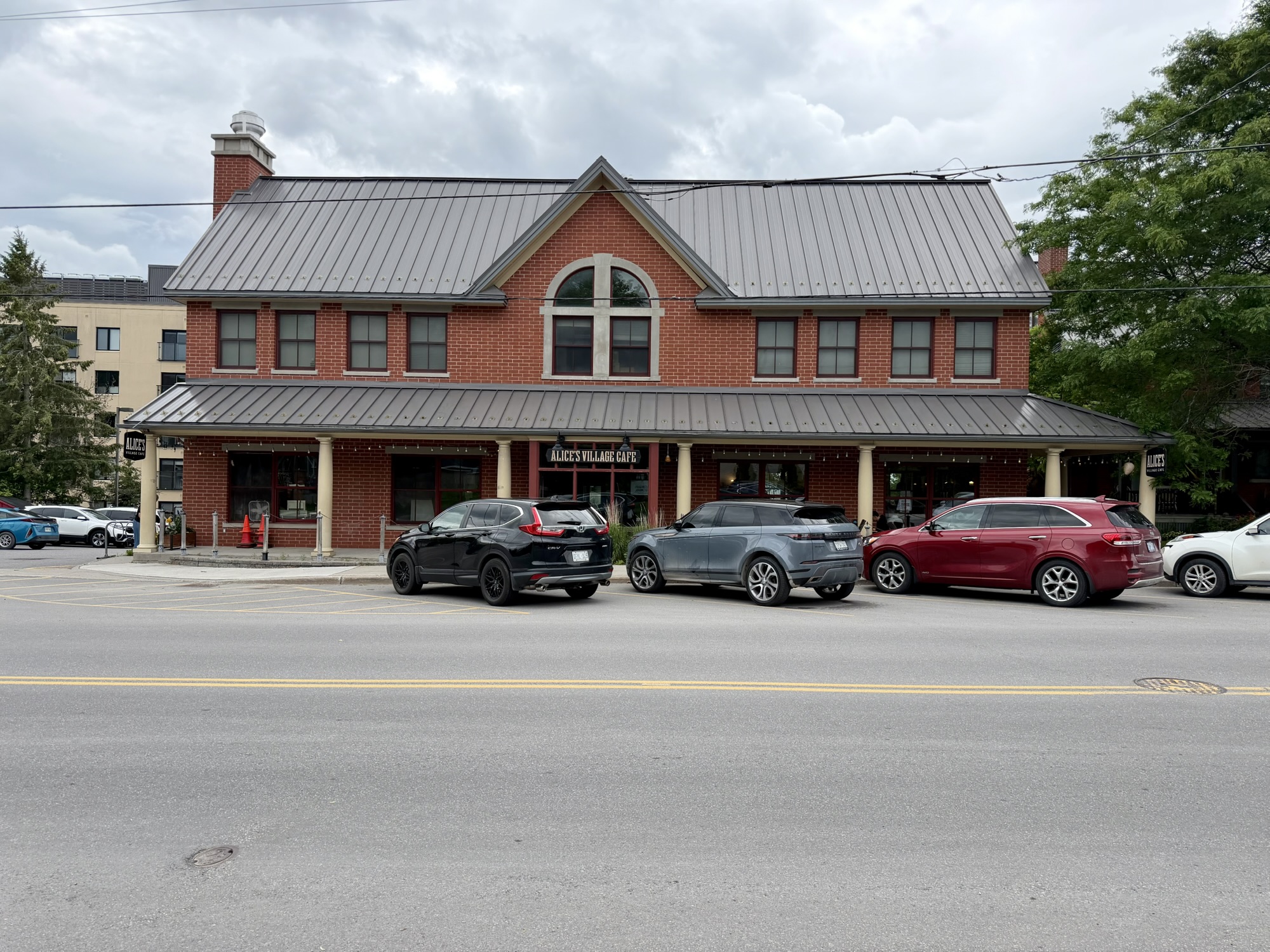
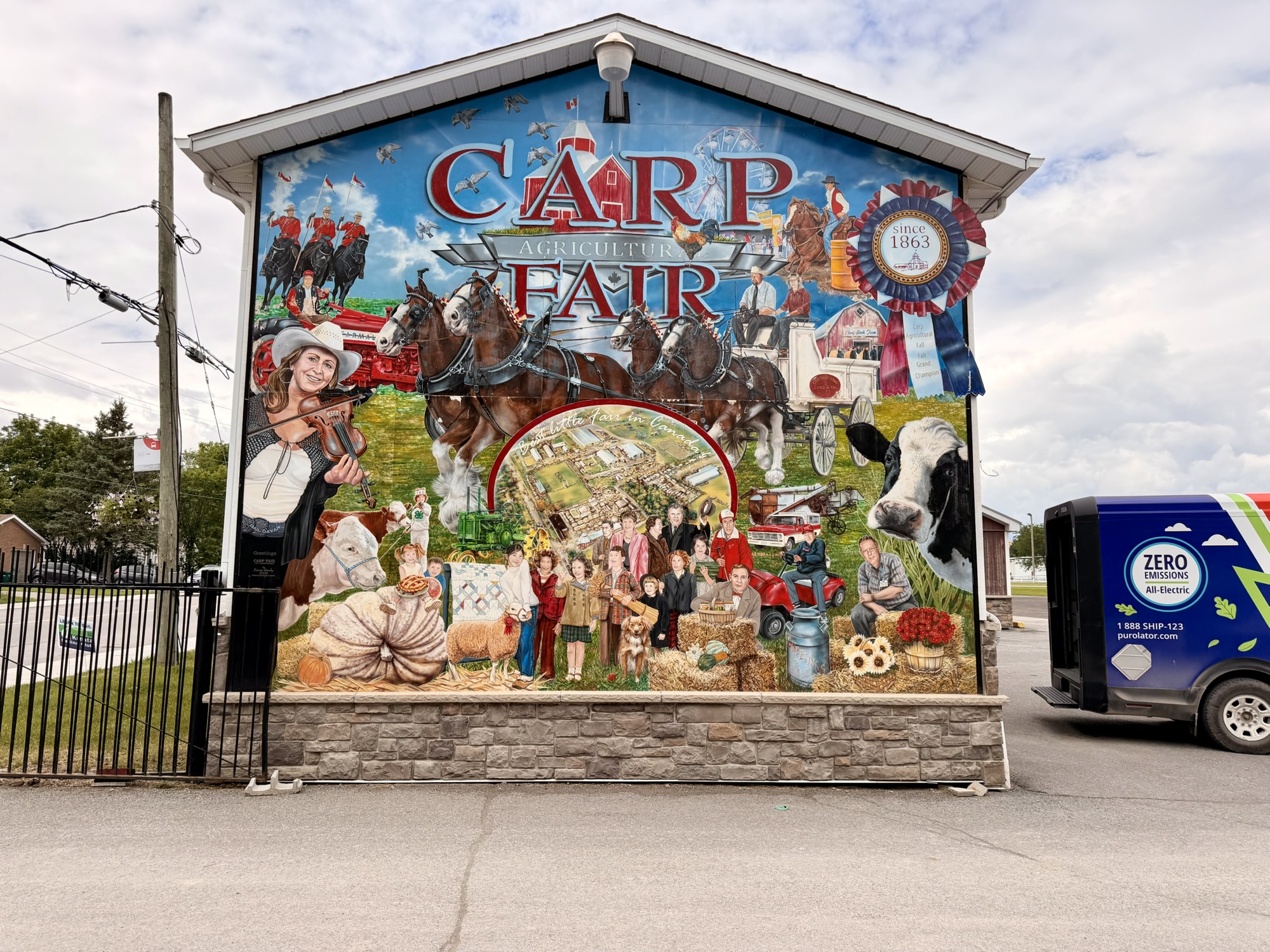
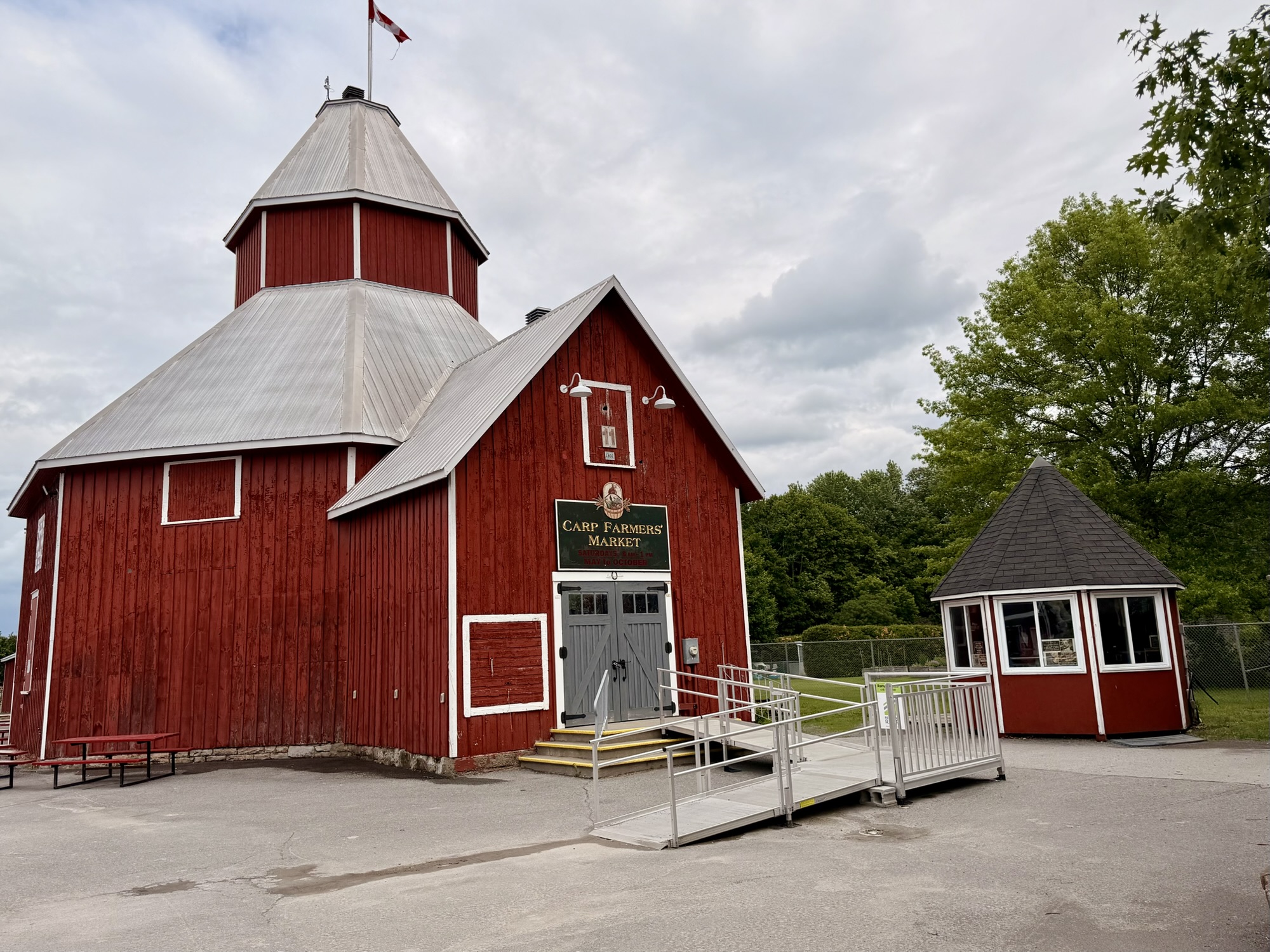
We spent two hours exploring the bunker and its displays. We could have spent more time, but lunch and the drive called us. We drove the short distance to the commercial area of Carp for lunch. I had a quick walk around before eating. We had lunch at Alice’s Village Cafe. It was across the street from the Agricultural fairgrounds and Farmers’ Market.
The drive home was uneventful. We would have preferred to ride our bikes more while we were in Ottawa, but it was nevertheless a fun getaway.
Discover more from Lisa Stokes
Subscribe to get the latest posts sent to your email.